What Size Tank Is Best For A Betta Fish Guide
Choosing the right home for your betta is crucial for its health and happiness. Many people think small bowls work, but they often lead to poor water quality and stress. A larger tank provides stable temperature and cleaner water for your pet. This guide will help you find the perfect setup for your colorful friend.
Welcome to the wonderful world of betta fish care. These colorful creatures are popular pets for many reasons. They look beautiful and have big personalities. However, keeping them happy requires the right environment. Many new owners ask what size tank is best for a betta fish. This is a very important question. The answer affects everything from water quality to your fish’s mood.
You might see small bowls in stores. They look cute and take up little space. But they are often not good for long-term health. Small water volumes change temperature quickly. They also build up waste faster. This can make your fish sick. We want to help you avoid these common mistakes. You deserve a thriving pet, and your fish deserves a good home.
In this guide, we will explore everything you need to know. We will look at minimum sizes and ideal sizes. We will talk about filters and decorations. You will learn how to set up a safe space. Let’s dive into the details of creating the perfect habitat.
Key Takeaways
- Minimum Size: A 5-gallon tank is the absolute minimum for a single betta fish.
- Better Health: Larger volumes of water maintain stable temperature and chemistry.
- Filtration Needs: Proper filtration is key, but flow should be gentle.
- Decor Safety: Avoid sharp objects that can damage delicate fins.
- Water Quality: Regular water changes are easier in bigger tanks.
- Tank Mates: Bigger tanks allow for compatible tank mates like snails.
- Long-Term Care: A good setup reduces stress and extends your fish’s life.
📑 Table of Contents
Understanding What Size Tank Is Best For A Betta Fish
The most common question new owners ask is about volume. You need to know how much water your fish needs to swim. While bettas are often sold in small cups, they do not stay there forever. Those cups are for transport, not living. A permanent home needs more space.
So, what size tank is best for a betta fish? Experts generally agree on a minimum. You should aim for at least 5 gallons of water. This provides enough room for swimming. It also helps keep water conditions stable. Small bowls heat up and cool down very fast. This stresses the fish. Stable water is key to a healthy pet.
Some people think bigger is always better. While true to a point, you do not need a massive aquarium. A 10-gallon tank is often considered ideal. It gives your fish plenty of room. It also gives you more options for plants and decor. If you plan to add tank mates, you will need even more space. But for a single fish, 5 to 10 gallons is the sweet spot.
Why Small Bowls Are Problematic
Small containers seem easy to manage. You do not need much water to fill them. They fit on any desk or shelf. However, they create several problems. Waste builds up quickly in small volumes. Ammonia levels can spike dangerously high. This burns the fish’s gills and skin.
Temperature control is another issue. Betta fish are tropical. They need warm water around 78 to 80 degrees Fahrenheit. Small bowls lose heat fast. A heater might not work well in such a small space. Fluctuating temperatures weaken the immune system. This makes your fish prone to disease.
Water quality also suffers in tiny tanks. Beneficial bacteria need surface area to grow. Small bowls lack this space. Without good bacteria, the nitrogen cycle cannot complete. This means toxins stay in the water. Your fish lives in its own waste. This is not a healthy way to live.
The Benefits of a 5-Gallon Minimum
Moving to a 5-gallon tank changes everything. The water volume buffers against changes. Temperature stays more consistent day and night. Waste dilutes better, giving you time between cleanings. Your fish has more room to explore.
A 5-gallon tank also allows for proper equipment. You can fit a small filter comfortably. You can install a reliable heater. These tools are essential for long-term care. They mimic the stable conditions of a natural habitat. Your betta will feel more secure and active.
Many owners find that 5 gallons is manageable. It does not take up too much room. It is easy to clean and maintain. This size is a great starting point for beginners. It balances space needs with practical care.
Water Quality and Filtration Needs
Water quality is the most critical part of fish keeping. Your betta lives in the water you provide. If the water is bad, the fish gets sick. You need to think about how to keep the water clean. This involves filtration and regular maintenance.
You might wonder, do betta fish have to be in a filtered tank? The short answer is yes for long-term health. Filters remove physical waste and host beneficial bacteria. These bacteria break down harmful toxins. Without a filter, you must change water very often. This is stressful for the fish.
However, bettas do not like strong currents. They have long fins that catch water flow. A powerful filter can tire them out. You need a gentle flow. Sponge filters are a great option. They provide filtration without strong suction. Hang-on-back filters with adjustable flow also work well.
When setting up your tank, consider the equipment carefully. You want clean water without stressing your pet. A good filter keeps the water clear. It also helps oxygenate the tank. This supports healthy gill function. Always check that the intake is not too strong. You can use a foam guard to protect your fish.
Choosing the Right Filter
Not all filters are the same. Some are too powerful for small tanks. Others are too weak for larger setups. You need to match the filter to your tank size. For a 5-gallon tank, a small sponge filter works well. It is gentle and effective.
If you choose a hang-on-back filter, look for one designed for small tanks. Make sure the flow rate is adjustable. You can turn it down if it is too strong. This ensures your betta swims comfortably. You should also check the media capacity. You need enough space for beneficial bacteria to grow.
Internal filters are another option. They sit inside the water. They are compact and quiet. These are good for desktop tanks. Just ensure the suction is safe. Your fish should not get stuck against the intake. Safety is always the top priority.
Maintenance and Water Changes
Even with a filter, you need to clean the tank. Filters do not remove everything. Solid waste still settles on the bottom. You should vacuum the substrate regularly. This removes uneaten food and poop. It keeps the water fresh and clear.
You might ask, can i use a vacum for betta fish tank cleaning? Yes, a gravel vacuum is very helpful. It allows you to remove dirty water while cleaning the bottom. You do not need to take all the water out. Changing 25 percent of the water weekly is usually enough. This keeps conditions stable without shocking the fish.
Always treat new water before adding it. Tap water contains chlorine. This chemical harms fish. You need a water conditioner. It neutralizes chlorine and heavy metals. This makes the water safe for your betta. Regular maintenance keeps your fish healthy and happy.
Temperature and Heating Requirements
Betta fish come from warm climates. They thrive in heated water. Cold water slows them down. It affects their digestion and immune system. You must provide a consistent heat source. This is non-negotiable for tropical fish.
A submersible heater is the standard choice. You place it inside the tank. It maintains a set temperature automatically. For a 5-gallon tank, a 50-watt heater is usually sufficient. Always use a thermometer to check the water. Heaters can malfunction. You need to verify the temperature regularly.
Placement of the heater matters too. Keep it near the filter output. This helps distribute the warm water. Avoid placing it near cold drafts. Windows or air vents can lower the temperature. You want a stable environment for your pet.
Temperature stability is linked to tank size. Smaller tanks lose heat faster. This makes the heater work harder. It can lead to temperature swings. A larger tank holds heat better. This is another reason why bigger is better. It reduces the workload on your equipment.
Decor and Tank Setup Safety
Decorating your tank is fun. It makes the space look nice. It also gives your fish places to hide. Betta fish like to rest and explore. However, you must choose decor carefully. Safety is the most important factor.
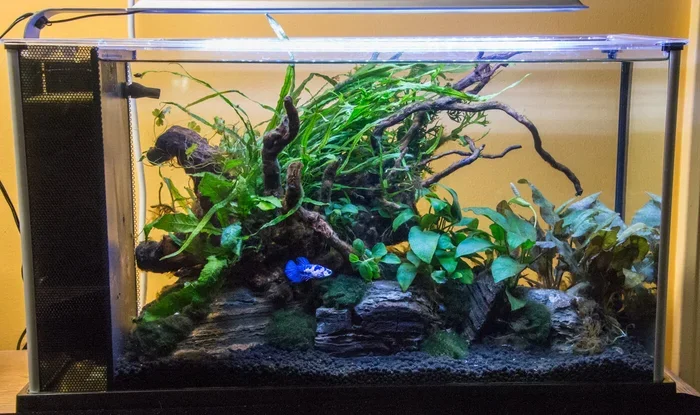
Sharp objects are dangerous. Betta fins are long and delicate. They can tear easily on rough edges. Avoid plastic plants with sharp points. Silk plants are a better choice. They are soft and flexible. Live plants are even better. They help clean the water naturally.
You might wonder about adding natural elements. Can you put lucky bamboo in a betta fish tank? Yes, but you must be careful. Lucky bamboo can grow emersed, with leaves above water. Ensure the roots are not submerged in a way that rots. Also, check if any chemicals were used on the plant.
Smooth rocks and driftwood are good options. They provide hiding spots. Make sure they are clean before adding them. Boil driftwood to sterilize it. This prevents introducing pests or diseases. Your fish will appreciate a varied landscape.
Lighting and Day Night Cycles
Lighting is another important factor. Fish need a day and night cycle. This regulates their sleep and behavior. You should not leave the light on all the time. Constant light stresses the fish. It can also cause algae growth.
You might ask, can you leave a betta fish tank light on overnight? No, you should turn it off. Use a timer if you forget. Set it for 8 to 10 hours of light per day. This mimics natural sunlight. Your fish will rest better in the dark.
If you have live plants, they need light too. Choose a bulb that supports plant growth. But do not overdo it. Too much light fuels algae. Balance is key. Observe your tank and adjust as needed. A healthy cycle keeps everyone happy.
Tank Mates and Community Options
Bettas are often kept alone. They are territorial and can be aggressive. However, some bettas tolerate tank mates. This depends on the individual fish’s personality. You need to observe behavior closely.
If you want companions, you need more space. A 5-gallon tank is too small for roommates. You should look at 10 gallons or more. This gives everyone enough territory. Snails are a popular choice. They clean up algae and leftover food.
You might wonder, can snails go in a tank with betta fish? Yes, many owners keep them together. Nerite snails and mystery snails are common choices. They are generally peaceful. Just watch for aggression. Some bettas may nip at snail antennae.
Other fish are riskier. Small tetras or rasboras might work in larger tanks. But there is always a risk of conflict. You must be ready to separate them if needed. Never force compatibility. Your betta’s safety comes first. A single fish in a good tank is better than a stressed community.
Plants and Natural Elements
Live plants are highly recommended. They absorb nitrates from the water. This helps keep the tank clean. They also provide cover for your fish. Java fern and anubias are easy choices. They do not need strong light.
You might also consider other natural items. Some owners ask about crystals or ornaments. Can you put crystals in a betta fish tank? Only if they are aquarium safe. Some stones change water chemistry. Others might have sharp edges. Research any item before putting it in the water.
Orchids are another curiosity. Can you put an orchid in a betta fish tank? Generally, no. Orchids are terrestrial plants. They will rot underwater. Stick to aquatic plants for submerged setups. This ensures a healthy environment for your fish.
Common Mistakes to Avoid
Starting out can be confusing. There is a lot of information online. Some of it is wrong. Avoiding common pitfalls saves you time and money. It also protects your fish. Here are some mistakes to watch out for.
One big mistake is buying a tank that is too small. Bowls look cute but are harmful. Another mistake is skipping the cycle. You must establish bacteria before adding fish. This prevents ammonia spikes. Rushing this step is dangerous.
Overfeeding is also common. Bettas have small stomachs. Too much food pollutes the water. Feed only what they can eat in minutes. Remove uneaten food quickly. This keeps the water clean.
- Skipping the nitrogen cycle before adding fish.
- Using tap water without a conditioner.
- Overfeeding your betta daily.
- Ignoring water temperature fluctuations.
- Choosing sharp decorations that hurt fins.
Another error is not having a lid. Bettas can jump out of the water. You need a secure cover. Can i put a lid on my betta fish tank? Yes, and you should. It prevents escapes and keeps dust out. Just ensure there is enough gas exchange.
Expert Insights for Long-Term Care
Experienced keepers know that consistency is key. You do not need expensive gear to succeed. You need reliable habits. Test your water regularly. Know your parameters. Ammonia and nitrite should be zero. Nitrate should be low.
Observe your fish every day. Look for changes in color or behavior. Lethargy or clamped fins signal trouble. Early detection saves lives. Act quickly if you see issues. Quarantine new items before adding them. This prevents spreading disease.
Patience is also important. Tanks take time to mature. Do not add too many fish at once. Let the system balance. Your betta will thank you for a stable home. Good care leads to a vibrant, active pet.
Remember that every fish is unique. What works for one might not work for another. Adjust your care based on observation. Your bond with your pet grows with good care. Enjoy the process of learning and growing together.
Frequently Asked Questions
What size tank is best for a betta fish?
A 5-gallon tank is the minimum recommended size for a single betta fish. However, a 10-gallon tank is often better for stability and swimming space. Larger volumes help maintain consistent temperature and water quality.
Can I use tap water in a betta fish tank?
Yes, you can use tap water, but you must treat it first. Tap water contains chlorine which is harmful to fish. Use a water conditioner to neutralize chemicals before adding it to the tank.
Do betta fish need a filter?
Yes, a filter is highly recommended for long-term health. It removes waste and hosts beneficial bacteria that clean the water. Just ensure the flow is gentle so it does not stress the fish.
Can I put two betta fish in a tank together?
Generally, no. Male bettas are territorial and will fight each other. You should keep males alone. Some females can live in groups, but this requires a large tank and careful monitoring.
How often should I change the water?
You should change about 25 percent of the water every week. This removes accumulated waste and replenishes minerals. Always treat new water with a conditioner before adding it to the tank.
Can I leave my betta fish for a week?
It is not recommended to leave a betta fish alone for a week without care. They need regular feeding and water monitoring. You should arrange for someone to check on them or use an automatic feeder with caution.
=== CONCLUSION ===
Finding what size tank is best for a betta fish is the first step to great care. A 5-gallon tank is the minimum, but bigger is often better. Stable water, proper heat, and gentle filtration make a huge difference. Your fish will thrive in a spacious, safe environment.
Remember to avoid small bowls and sharp decor. Regular maintenance keeps the water clean and healthy. Whether you add plants or snails, prioritize your fish’s comfort. With the right setup, your betta will show off its beautiful colors. Start with the right size, and you will enjoy your pet for years to come.