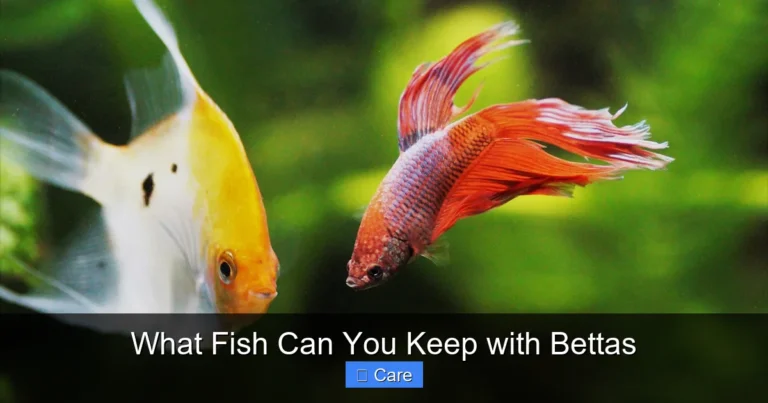
How to Put Betta Fish in New Tank Safely

Moving your betta fish to a new home can be stressful if you do not follow the right steps. This guide explains exactly how to put betta fish in new tank environments without harming your pet. You will learn about water conditioning, temperature matching, and slow acclimation methods. We also cover what decorations are safe and how to test your water before the move. Following these simple steps will help your fish thrive from day one.
So you have a beautiful new aquarium ready to go. Now you need to move your colorful betta into it. This process sounds simple, but doing it wrong can harm your fish. Many new owners rush this step and regret it later. We want to help you avoid those mistakes.
In this guide, we will walk you through everything you need to know. You will learn how to prepare the water and the tank. We will also explain how to acclimate your fish gently. By the end, you will feel confident about the move. Let us get started on making your betta happy.
Key Takeaways
- Prepare the water first: Always treat tap water with a conditioner to remove harmful chlorine before adding your fish.
- Match the temperature: Ensure the new tank water is the same temperature as the old water to prevent shock.
- Acclimate slowly: Use the floating bag method or drip acclimation to help your betta adjust gradually.
- Check water parameters: Test for ammonia, nitrite, and nitrate levels to ensure the tank is cycled and safe.
- Avoid overcrowding: Bettas prefer calm environments, so do not add too many fish or aggressive tank mates immediately.
- Choose safe decor: Avoid sharp objects or toxic plants that could injure your fish or alter water chemistry.
- Monitor closely: Watch your fish for signs of stress or illness during the first few days in the new tank.
📑 Table of Contents
Preparing the Tank Before Adding Your Betta
Before you even think about moving your fish, the tank must be ready. A new tank is not just a glass box filled with water. It is a living environment that needs balance. You cannot just fill it with tap water and drop the fish in. That would be dangerous for your pet.
First, you need to clean the tank properly. Never use soap or harsh chemicals to clean the glass. These substances leave residues that can kill fish. Instead, use warm water and a clean cloth or paper towel. Rinse everything thoroughly until no smell remains.
Next, think about the substrate and decorations. Gravel or sand provides a place for beneficial bacteria to grow. These bacteria help keep the water clean. You should also choose decorations carefully. Some items might have sharp edges that can tear your betta’s fins. Smooth rocks and soft plants are usually safer choices.
If you plan to use plants, make sure they are safe for aquariums. Live plants can help improve water quality. They absorb waste and provide oxygen. However, you must ensure they are free of pests. You can also use artificial plants made from silk rather than plastic. Silk plants are softer on delicate fins.
One common question owners ask is about specific items. For example, you might wonder can you put sand dollar in betta fish tank setups. While decorative, organic items can decay and affect water chemistry. It is often safer to stick to aquarium-safe materials. Similarly, you might ask can you put crystals in a betta fish tank. Some crystals are safe, but others may leach minerals or paint into the water. Always research items before adding them.
Finally, install your filter and heater. The filter keeps the water moving and clean. The heater maintains a stable temperature. Bettas are tropical fish and need warm water. Set the heater to around 78 degrees Fahrenheit. Let the equipment run for at least 24 hours before adding the fish. This allows the temperature to stabilize.
Understanding Water Quality and Conditioning
Water quality is the most important factor in your fish’s health. Tap water looks clean, but it often contains hidden dangers. Chlorine and chloramines are added to tap water to kill bacteria. Unfortunately, they also harm fish gills and beneficial bacteria. You must remove these chemicals before adding your betta.
Using a water conditioner is the easiest solution. These products neutralize chlorine and heavy metals. You simply add a few drops to the new water. Follow the instructions on the bottle carefully. Different brands have different dosages. Never guess the amount you need.
Some people consider using bottled water instead. It seems pure, but it might lack essential minerals. Fish need some minerals for their health. Also, bottled water can be expensive over time. If you choose this route, check the pH level first. You can learn more about this in our guide on can you put bottled water in a betta fish tank. Generally, treated tap water is best for most hobbyists.
You also need to test the water parameters. A test kit tells you the pH, ammonia, nitrite, and nitrate levels. Ammonia and nitrite should be zero. These are toxic to fish. Nitrate should be low, ideally under 20 parts per million. If the levels are high, you need to fix the tank before moving the fish.
Temperature is another critical factor. Sudden changes in temperature cause shock. This weakens the immune system. Always use a thermometer to check the water. Make sure the new tank matches the temperature of the old water. Even a few degrees difference can stress your betta.
If you are using sink water, you must treat it. Many owners ask can you put sink water in a betta fish tank. The answer is yes, but only after conditioning. Never pour untreated tap water directly into the tank. It is better to be safe than sorry. Your fish depends on you to provide a safe home.
The Acclimation Process Step by Step
Once the tank is ready, it is time to move your fish. This is the most delicate part of the process. You cannot just net the fish and dump it in. You need to help them adjust to the new environment. This process is called acclimation.
The floating bag method is the most common technique. Start by turning off the tank lights. Bright lights can stress the fish during the move. Then, float the bag your fish came in on the surface of the new tank. Let it float for about 15 to 20 minutes. This helps the temperature inside the bag match the tank water.
After floating, you need to mix the waters. Open the bag and add a small cup of tank water to it. Wait a few minutes. Then add another cup. Repeat this process several times. This helps your fish get used to the new water chemistry. Do not add too much water at once. Go slow to avoid shock.
Another option is drip acclimation. This is slower but very effective. You use a tube to drip water from the tank into the bag. This allows for a very gradual change. It is often used for sensitive species. For bettas, the floating method usually works well if done carefully.
When you are ready to release the fish, be gentle. Net the fish out of the bag. Do not pour the bag water into the tank. The water in the bag might contain waste or diseases from the store. You want to keep your new tank clean. Gently place the fish into the new water.
Some owners worry about timing. You might ask can you put betta fish in tank right away. While you can, it is better to wait until the tank is fully prepared. Rushing leads to mistakes. Take your time to ensure everything is perfect. Your patience will pay off with a healthier fish.
Choosing Safe Decorations and Substrate
The inside of the tank matters just as much as the water. Sharp objects can injure your betta. Their fins are long and flowing. They can easily get caught on rough edges. This leads to fin rot and infections. Always inspect decorations before putting them in the water.
Substrate choice is also important. Gravel is popular, but sand is another option. Sand looks natural and is soft on the bottom. However, some sands can cloud the water initially. You should rinse the substrate before adding it. This removes dust and debris. If you are unsure, check our article on can i put sand in betta fish tank setups. Sand can be great, but it needs proper preparation.
Plants provide hiding spots and enrichment. Bettas like to rest on leaves sometimes. Live plants are beneficial, but they require care. You need to ensure they are compatible with your tank conditions. Some plants need high light, while others do not. Artificial plants are easier to maintain. Just make sure they are silk, not sharp plastic.
There are many items people wonder about adding. For instance, some ask can you put lucky bamboo in a betta fish tank. Lucky bamboo can be tricky because it prefers emersed growth. Submerging it completely might cause it to rot. Always research specific plants before adding them. You might also wonder can you put an orchid in a betta fish tank. Orchids are terrestrial plants and will not survive underwater. Stick to aquatic species for the best results.
Rocks and stones can alter water hardness. Some rocks raise the pH level. This might not be suitable for all bettas. If you use rocks, test the water afterward. Ensure the parameters stay stable. Your goal is a stable environment, not a changing one.
Monitoring Your Betta After the Move
Once the fish is in the new tank, your job is not done. You need to watch them closely for the first few days. Stress can show up in many ways. Look for signs like hiding, loss of color, or clamped fins. These are indicators that something is wrong.
Feeding is another important aspect. Do not overfeed your fish right after the move. Their stomachs might be sensitive. Offer a small amount of food. If they eat it, you can feed them again later. If they refuse food, do not force it. They might just be adjusting.
Water quality can change quickly in a new tank. Test the water daily for the first week. Look for spikes in ammonia or nitrite. If you see issues, perform a partial water change. This removes toxins and refreshes the water. Always use conditioned water for changes.
Some owners worry about boredom. A bare tank can be dull for a fish. You might ask do betta fish get bored in a tank. Yes, they can get bored without stimulation. Add plants or tunnels for them to explore. A enriched environment keeps them active and healthy.
If you plan to add other fish later, be very careful. Bettas can be aggressive. You need to know can you put other fish in with betta safely. Some species are peaceful, while others are not. Always research compatibility before adding tank mates. It is best to let your betta settle in before adding anyone else.
Common Mistakes to Avoid
Even experienced owners make mistakes. Knowing what to avoid saves you time and stress. Here are some common errors people make when moving their betta.
- Skipping the cycle: Adding fish to an uncycled tank causes ammonia spikes. Always cycle your tank first.
- Ignoring temperature: Moving fish between different temperatures causes shock. Always match the temps.
- Using untreated water: Chlorine kills beneficial bacteria and harms fish. Always condition your water.
- Overcleaning the tank: Cleaning too much removes good bacteria. Only clean what is necessary.
- Adding too many fish: Overcrowding leads to poor water quality. Start with just your betta.
Another mistake is using the wrong cleaning products. You might wonder can you use soap to clean a betta fish tank. The answer is no. Soap leaves residues that are toxic to fish. Use only water or vinegar for cleaning. Rinse thoroughly every time.
Also, avoid putting incompatible species together. For example, you should not put a betta in a goldfish tank. Goldfish produce too much waste and prefer cooler water. You can read more about this in can you put a betta fish in a goldfish tank. Keeping them separate is the best choice for both fish.
Expert Insights for a Smooth Transition
Experts recommend patience above all else. Rushing the process is the number one cause of failure. Take the time to set up the tank correctly. Let the equipment run for a few days. This ensures stability before the fish arrives.
Another tip is to keep the environment calm. Do not tap on the glass. Loud noises stress fish. Place the tank in a quiet area of your home. Avoid direct sunlight, which can cause algae growth. A stable location helps maintain consistent water conditions.
Regular maintenance is key to long-term success. Change about 25 percent of the water every week. This keeps nitrates low. Use a gravel vacuum to clean the substrate. This removes waste trapped in the gravel. Consistent care prevents big problems later.
Finally, observe your fish every day. You will notice changes quickly if you look. Early detection of illness allows for faster treatment. A healthy betta is active and has bright colors. If you see changes, investigate immediately. Your attention makes all the difference.
Conclusion
Moving your fish to a new home does not have to be scary. With the right preparation, you can ensure a safe transition. Remember to condition your water and match the temperature. Take your time with the acclimation process. Avoid common mistakes like using soap or untreated tap water.
By following these steps, you will know exactly how to put betta fish in new tank environments safely. Your fish will thank you with vibrant colors and active behavior. A well-prepared tank is the foundation of a happy aquatic pet. Enjoy your new setup and watch your betta thrive.
Frequently Asked Questions
How long should I float the bag before releasing the fish?
You should float the bag for about 15 to 20 minutes. This allows the temperature inside the bag to match the tank water. It helps prevent temperature shock for your betta.
Can I use tap water directly in the new tank?
No, you should never use untreated tap water. Tap water contains chlorine that harms fish and beneficial bacteria. Always use a water conditioner to make it safe.
Do I need to cycle the tank before adding my betta?
Yes, cycling the tank is highly recommended. This builds up beneficial bacteria that process waste. Adding fish to an uncycled tank can lead to toxic ammonia spikes.
What temperature should the water be for a betta fish?
Bettas are tropical fish and prefer warm water. The ideal temperature range is between 78 and 80 degrees Fahrenheit. Use a heater and thermometer to maintain this stability.
Can I add plants immediately to the new tank?
Yes, you can add plants immediately if they are aquarium-safe. Live plants can help improve water quality. Just ensure they are free of pests and suitable for submerged growth.
How often should I change the water in the new tank?
You should change about 25 percent of the water weekly. This helps keep nitrate levels low and maintains water quality. Always treat new water with a conditioner before adding it.