What Fish Can Be with Bettas

Betta fish can live with other species, but success depends on tank size, temperament, and careful selection. Choose peaceful, non‑fin‑nipping tank mates, provide plenty of hiding spots, and monitor behavior daily to keep everyone happy.
Key Takeaways
- Tank size matters: A minimum of 10 gallons is recommended for most community setups with a betta.
- Choose peaceful, non‑aggressive species: Neon tetras, rasboras, and dwarf corydoras are top picks.
- Avoid fin‑nippers and long‑finned fish: Guppies, swordtails, and barbs can trigger aggression.
- Provide plenty of hiding places: Plants, caves, and driftwood reduce stress for all occupants.
- Monitor and intervene early: Watch for signs of stress or bullying and be ready to re‑home problem fish.
- Consider gender: Male bettas are more territorial; females can sometimes tolerate a larger community.
- Test water regularly: Stable parameters keep both betta and tank mates healthy.
📑 Table of Contents
Introduction: Can Bettas Share a Home?
Betta fish, also called Siamese fighting fish, are famous for their vivid colors and dramatic fins. Many newcomers think they must live alone because of their “fighter” reputation. The truth is a bit more nuanced. With the right tank size, careful choice of companions, and diligent observation, bettas can coexist peacefully with a variety of small, peaceful fish.
In this guide we’ll walk through the most compatible species, the essential tank conditions, and practical tips to set up a harmonious community. By the end you’ll know exactly which fish can be with bettas and how to keep the peace.
1. Understanding Betta Temperament
Male vs. Female Betta Behaviour
Male bettas are naturally territorial, especially toward other males of their own species. Females are generally less aggressive but can still defend their space if they feel threatened. Knowing the gender of your betta helps you decide how many tank mates are realistic.
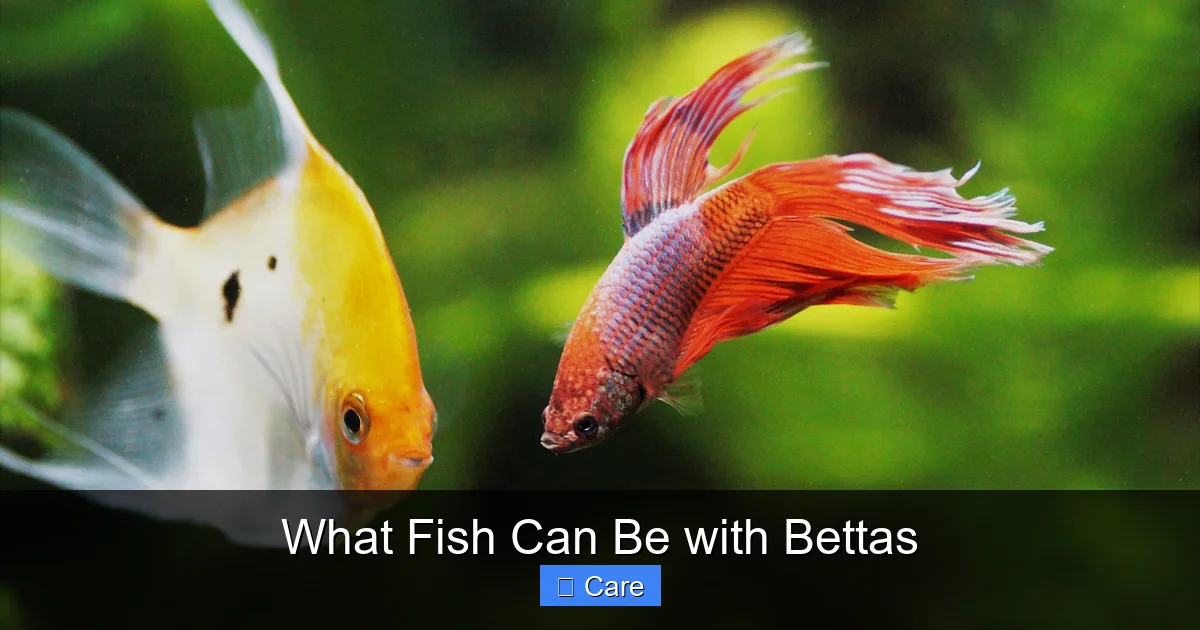
Visual guide about What Fish Can Be with Bettas
Image source: yoyipet.com
What Triggers Aggression?
Brightly colored, long‑tailed fish can be mistaken for another betta, prompting a flare. Fast‑moving or overly active fish may also provoke a defensive response. Fin‑nipping species are a big no‑no because a betta’s long fins are an easy target.
Key Takeaway
Choose companions that are quiet, short‑finned, and non‑territorial. Providing visual barriers and plenty of space reduces the chance of a showdown.
2. The Right Tank Setup
Size and Shape
A 5‑gallon bowl is fine for a single betta, but community tanks need at least 10 gallons. More volume spreads out territories and gives each fish its own corner.
Water Parameters
Keep the temperature between 76‑80 °F (24‑27 °C), pH 6.5‑7.5, and a gentle flow. Bettas prefer still water, so use a low‑flow filter or a sponge filter that creates minimal current.
Hiding Places and Plant Cover
Live plants like Java fern, Anubias, and Amazon swords are ideal. They soften the light, provide surfaces for bio‑film, and give shy fish a place to retreat. Add ceramic caves, driftwood, or rock structures to break line‑of‑sight.
Lighting
Soft, diffused lighting mimics the betta’s natural environment and reduces stress. A 10‑hour day/night cycle is sufficient.
Internal Link
For a deeper dive into tank setup, see our article on What Fish Can Be With Bettas.
3. Top Compatible Fish Species
Small Neon Tetras
Neon tetras are a classic choice. Their tiny size and peaceful nature make them unlikely to bother a betta. Keep them in a school of at least six to give them confidence.
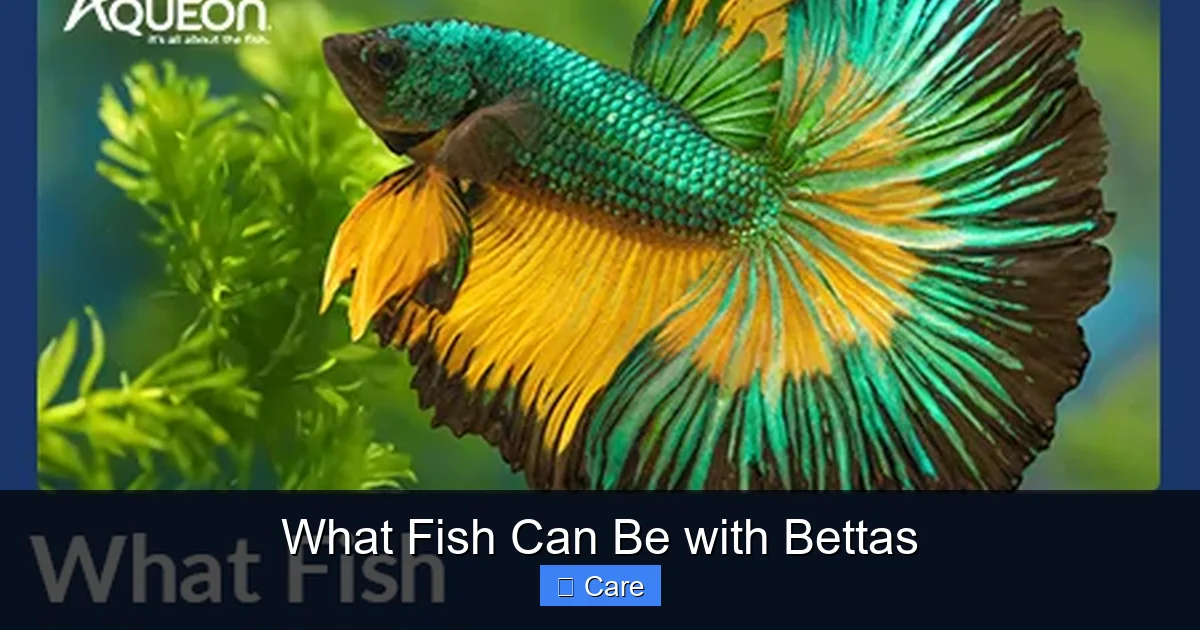
Visual guide about What Fish Can Be with Bettas
Image source: aqueon.com
Harlequin Rasboras
These rasboras have a calm demeanor and a striking black‑red pattern that adds contrast without provoking aggression. A group of 5‑8 works well.
Dwarf Corydoras
Bottom‑dwelling catfish like the peppered or panda dwarf cory add activity to the lower tank level. They are completely non‑aggressive and love to sift through substrate.
Otocinclus Catfish
These tiny algae eaters are great for keeping the glass clean. They stay low in the water column and are too small to trigger a betta’s territorial instincts.
Peaceful Shrimp
Cherry shrimp and ghost shrimp can coexist with bettas if the betta isn’t a fin‑nipper. Provide plenty of plant cover so shrimp have places to hide.
What to Avoid
- Guppies – bright tails are a red flag for bettas.
- Barbs – fast swimming and nippy.
- Swordtails – long, flowing fins.
- Large Cichlids – they dominate the space.
Internal Link
Read more about safe companions in What Fish Can Live With Bettas.
4. Setting Up a Community Tank with a Betta
Step‑by‑Step Process
- Cycle the tank: Run the filter for at least 4‑6 weeks or use a bacterial supplement.
- Add plants and décor: Arrange caves and plants to break sight lines.
- Introduce the betta first: Let it acclimate for 24‑48 hours.
- Add the community fish: Use the “drip acclimation” method to reduce shock.
- Observe daily: Watch for flaring, chasing, or hiding.
Acclimation Tips
Float the bag in the tank for 15 minutes, then slowly add a cup of tank water every 5 minutes. This gradual change helps both betta and new fish adjust to temperature and pH.
When Things Go Wrong
If a fish is constantly chased, relocate it to a separate tank or a breeder box. If the betta shows chronic stress (clamped fins, loss of color), it may need a solo setup.
Internal Link
For troubleshooting, check out Can Bettas Be With Other Fish for detailed signs of incompatibility.
5. Special Considerations: Gender, Size, and Age
Male Betta Communities
Male bettas are the hardest to keep with others. If you must, limit the tank to very small, non‑aggressive fish and keep the tank well‑planted.
Female Betta Communities
Females are more tolerant and can sometimes be kept in a “sorority” of 4‑6 females, provided the tank is large (20 gallons) and heavily planted.
Juvenile vs. Adult Betta
Young bettas are less territorial, making them easier to introduce to a community. However, as they mature, they may become more aggressive, so re‑evaluate the setup every few months.
Size Matching
Never pair a tiny betta with a much larger, fast‑swimming fish. Size disparity can lead to bullying or the larger fish eating the betta.
6. Maintaining Peace Over Time
Regular Water Changes
Perform 25‑30 % weekly water changes to keep nitrate levels low. Clean water equals less stress.
Feeding Strategies
Feed bettas high‑quality pellets or frozen foods once or twice daily. Offer sinking foods for bottom dwellers so the betta doesn’t dominate the feeding zone.
Observation Checklist
- Is the betta flaring frequently?
- Are any fish hiding all the time?
- Is there any fin loss or discoloration?
If you notice any of these signs, act quickly—either rearrange décor or separate the aggressive individual.
Conclusion: A Balanced Community is Possible
Putting fish together with a betta isn’t a gamble; it’s a careful experiment. By choosing the right tank size, selecting peaceful, non‑fin‑nipping companions, and providing ample hiding spots, you can create a vibrant, low‑stress aquarium where a betta thrives alongside other species. Remember to monitor behavior daily, keep water parameters stable, and be ready to make adjustments. With patience and observation, you’ll enjoy a colorful community tank that showcases the beauty of bettas and their tank mates alike.
Frequently Asked Questions
Can I keep a male betta with other fish?
Yes, but it requires a large, well‑planted tank (10 gallons minimum) and very peaceful, small fish that won’t trigger his territorial instincts.
Are female bettas better for community tanks?
Female bettas are generally more tolerant of tank mates and can sometimes be kept in groups, provided the aquarium is spacious and heavily planted.
What are the safest fish for a betta tank?
Neon tetras, harlequin rasboras, dwarf corydoras, otocinclus catfish, and cherry shrimp are among the safest and most compatible choices.
How do I know if my betta is stressed?
Look for constant flaring, clamped fins, loss of color, or reduced appetite. These are clear signs that the betta is uncomfortable.
Can I add new fish to an established betta tank?
Yes, but introduce them slowly using a quarantine or breeder box. Observe interactions for at least a week before fully integrating.
Do bettas need a filter?
Yes. A low‑flow sponge filter or a gentle hang‑on‑back filter keeps water clean without creating strong currents that stress bettas.