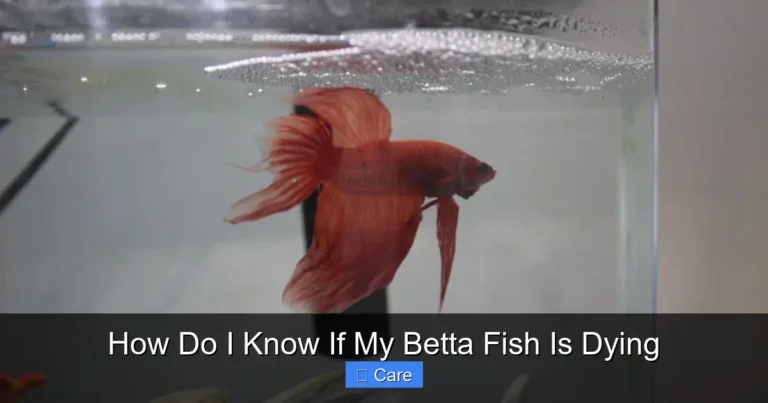
What Does a Betta Fish Need

Betta fish are hardy, but they still require specific conditions to flourish. From the right tank size and water parameters to proper feeding and enrichment, meeting these needs ensures a vibrant, stress‑free betta that can live for years. Follow our friendly guide and give your betta the best possible home.
Key Takeaways
- Tank size matters: A minimum of 5 gallons provides space and stability.
- Water quality is vital: Warm (76‑82 °F), soft, slightly acidic water mimics their natural habitat.
- Balanced diet: High‑protein pellets, occasional live or frozen foods, and limited treats keep them healthy.
- Enrichment prevents boredom: Plants, caves, and gentle currents stimulate natural behaviors.
- Regular maintenance: Weekly water changes and monitoring keep ammonia low and fish stress‑free.
- Equipment basics: Heater, filter (optional), and a light source create a stable environment.
- Watch for signs of illness: Changes in color, behavior, or bubbles can signal problems early.
📑 Table of Contents
- Introduction: Why Knowing What a Betta Fish Needs Is the First Step to Success
- 1. The Right Home: Tank Size, Shape, and Setup
- 2. Perfect Water Conditions: Type, Temperature, and pH
- 3. Feeding Your Betta: Nutrition That Keeps Them Bright
- 4. Enrichment & Décor: Making the Tank a Fun Playground
- 5. Routine Care: Water Changes, Health Checks, and Longevity
- 6. Common Questions and Mistakes to Avoid
- Conclusion: Giving Your Betta the Best Life Possible
Introduction: Why Knowing What a Betta Fish Needs Is the First Step to Success
Betta fish, also called Siamese fighting fish, are famous for their flamboyant fins and feisty personality. Their striking colors make them a popular choice for beginners, but “easy to keep” does not mean “no care needed.” Like any pet, bettas thrive when their basic needs are met.
In this guide we’ll walk through every essential – from the right tank size to water chemistry, diet, décor, and daily routines. Think of it as a friendly chat with a fellow hobbyist who wants your betta to live a long, vibrant life.
1. The Right Home: Tank Size, Shape, and Setup
When people first get a betta, they often buy a tiny 1‑gallon bowl. While a betta can survive there, it’s far from ideal. A larger tank offers stable water parameters, more room to explore, and less stress.

Visual guide about What Does a Betta Fish Need
Image source: petscareworld.com
How Much Space Does a Betta Really Need?
Research and experienced keepers agree that a minimum of 5 gallons is the sweet spot for a single betta. This size provides enough water volume to dilute waste and maintain temperature more easily. If you plan to keep a community tank (with compatible tank mates), aim for 10 gallons or more.
Read more about tank volume in our article How Much Water Does A Betta Fish Need.
Choosing the Right Tank Shape
Long, low tanks work best because bettas like to swim horizontally. A tall, narrow aquarium limits swimming space and can create poor water circulation.
Don’t forget a secure lid – bettas are notorious jumpers, especially when they’re excited or startled.
Essential Equipment
- Heater: Bettas are tropical and need water kept between 76‑82 °F. A reliable submersible heater is a must. (See Does A Betta Fish Need A Heater.)
- Filter (optional but recommended): A gentle sponge filter removes toxins without creating a strong current that can stress the fish.
- Light: A low‑intensity LED on a 10‑hour cycle mimics natural daylight and supports plant growth. For more on lighting, visit Does A Betta Fish Need Light.
- Thermometer: Always double‑check the temperature; cheap ones can be inaccurate.
2. Perfect Water Conditions: Type, Temperature, and pH
Water quality is the single most important factor in betta health. In the wild, bettas inhabit shallow, warm, slow‑moving streams in Thailand and Malaysia. Replicating those conditions at home is easier than you think.

Visual guide about What Does a Betta Fish Need
Image source: pnwbettas.com
What Type of Water Does a Betta Need?
Use treated tap water or reverse‑osmosis (RO) water mixed with a quality water conditioner. The goal is soft, slightly acidic water with a pH between 6.5 and 7.0.
For a deeper dive into water chemistry, see What Type Of Water Does A Betta Fish Need.
Temperature Requirements
Bettas are tropical fish and become sluggish or ill below 76 °F. Keep the heater set to a stable 78 °F and avoid rapid fluctuations.
More details are available in What Temp Water Does A Betta Fish Need.
Maintaining Stable Parameters
- Ammonia & Nitrite: Should always be 0 ppm. Perform weekly water changes (25‑30%) to keep levels low.
- Nitrate: Keep under 20 ppm; a partial water change helps.
- Hardness: Aim for 3‑4 dGH; soft water is gentler on betta gills.
3. Feeding Your Betta: Nutrition That Keeps Them Bright
In the wild, bettas eat insects, larvae, and small crustaceans. In captivity, a high‑protein diet is essential for color vibrancy and growth.

Visual guide about What Does a Betta Fish Need
Image source: fishlab.com
What Does Betta Fish Eat?
Choose a quality betta pellet or flake that lists “high protein” (30‑40%) as the first ingredient. Feed 2‑3 pellets once or twice daily, only what they can eat in 2‑3 minutes.
Supplement with live or frozen foods such as:
- Brine shrimp
- Daphnia
- Bloodworms (occasionally)
These treats boost coloration and provide enrichment, but they should not exceed 10% of the diet.
Common Feeding Mistakes
- Overfeeding – leads to cloudy water and health problems.
- Feeding human food – can cause digestive upset.
- Skipping variety – a monotone diet may cause nutritional deficiencies.
4. Enrichment & Décor: Making the Tank a Fun Playground
Bettas are intelligent and love to explore. A barren tank can cause stress, fading colors, and even fin‑rot from constant hiding.
Plants and Hiding Spots
Live plants like Java fern, Anubias, and Marimo moss provide natural cover and improve water quality. If live plants aren’t an option, use silk or nylon plants – avoid plastic that can tear fins.
Provide a few caves, PVC pipes, or betta logs where your fish can rest. These structures mimic the roots and leaf litter of their native streams.
Gentle Water Flow
Bettas are “labyrinth” fish that breathe air from the surface, so they prefer calm water. A sponge filter with a low flow or a filter placed on the side reduces currents while still cleaning the water.
Toys and Interaction
Floating ping‑pong balls, mirrors (used briefly), or a gentle “betta wand” can stimulate natural hunting behavior. Always supervise to avoid stress.
5. Routine Care: Water Changes, Health Checks, and Longevity
Consistent maintenance keeps the environment stable and helps you spot health issues early.
Weekly Water Changes
Replace 25‑30% of the tank water with conditioned water of the same temperature. This removes dissolved organics and keeps nitrate low.
Testing Water
Use a liquid test kit for ammonia, nitrite, nitrate, and pH. Test monthly or whenever you notice a change in behavior.
Health Monitoring
Watch for these warning signs:
- Faded or blotchy coloration
- Clamped fins or lethargy
- Excessive bubble‑nest building or lack of it (see What Does It Mean When A Betta Fish Makes Bubbles)
- White spots, frayed fins, or abnormal swimming
If you spot any of these, test water parameters first, then consider a quarantine or a visit to a vet experienced with fish.
Average Lifespan
With proper care, bettas live 3‑5 years, and some even reach 7 years. The key is stable water, a balanced diet, and low stress.
Learn more about lifespan in What Is The Average Lifespan Of A Betta Fish.
6. Common Questions and Mistakes to Avoid
Even seasoned hobbyists stumble over a few myths. Below are quick clarifications.
Do Betta Fish Need an Air Pump?
Because bettas have a labyrinth organ, they can gulp air from the surface, so a strong aeration system isn’t required. However, a gentle surface agitator can help maintain oxygen levels without creating a strong current.
Can You Keep Multiple Bettas Together?
Male bettas are territorial and should never share a tank. Females can live in sororities (3‑5 females) if the tank is large (20+ gallons) and heavily planted.
Is a Filter Necessary?
While not strictly required, a low‑flow filter reduces maintenance time and keeps water cleaner, which benefits the betta’s health.
Do Bettas Need Light All Day?
Betas need a regular day‑night cycle. 10‑12 hours of light followed by darkness mimics natural conditions and supports plant health.
What About Tank Mates?
Peaceful, non‑fin‑nipping species such as neon tetras, Corydoras catfish, or small rasboras can coexist in a well‑planted, spacious tank. Always research compatibility first.
Conclusion: Giving Your Betta the Best Life Possible
Understanding what a betta fish needs isn’t complicated—it’s about providing the right environment, clean water, proper nutrition, and mental stimulation. By investing a little time each week—checking temperature, performing water changes, and offering varied foods—you’ll be rewarded with a vibrant, curious companion that brightens any room.
Remember, a happy betta is a healthy betta. Follow the steps outlined above, stay observant, and enjoy the colorful personality of your new friend for years to come.
Frequently Asked Questions
What size tank does a betta fish need?
A minimum of 5 gallons is recommended for a single betta. Larger tanks provide more stable water conditions and space for enrichment.
How often should I change the water in my betta’s tank?
Replace 25‑30% of the water weekly with conditioned water that matches the tank’s temperature.
Do bettas need a heater?
Yes. Betta fish are tropical and thrive at 76‑82 °F. A reliable submersible heater keeps the temperature steady.
What should I feed my betta fish?
High‑protein betta pellets or flakes are the staple. Supplement with occasional live or frozen foods like brine shrimp or daphnia.
Can I keep other fish with my betta?
Only peaceful, non‑aggressive species in a well‑planted tank of at least 10 gallons. Avoid fin‑nippers and other male bettas.
How can I tell if my betta is sick?
Look for faded colors, clamped fins, erratic swimming, or white spots. Test water parameters first, then address any issues promptly.