What Temp Water Does a Betta Fish Need
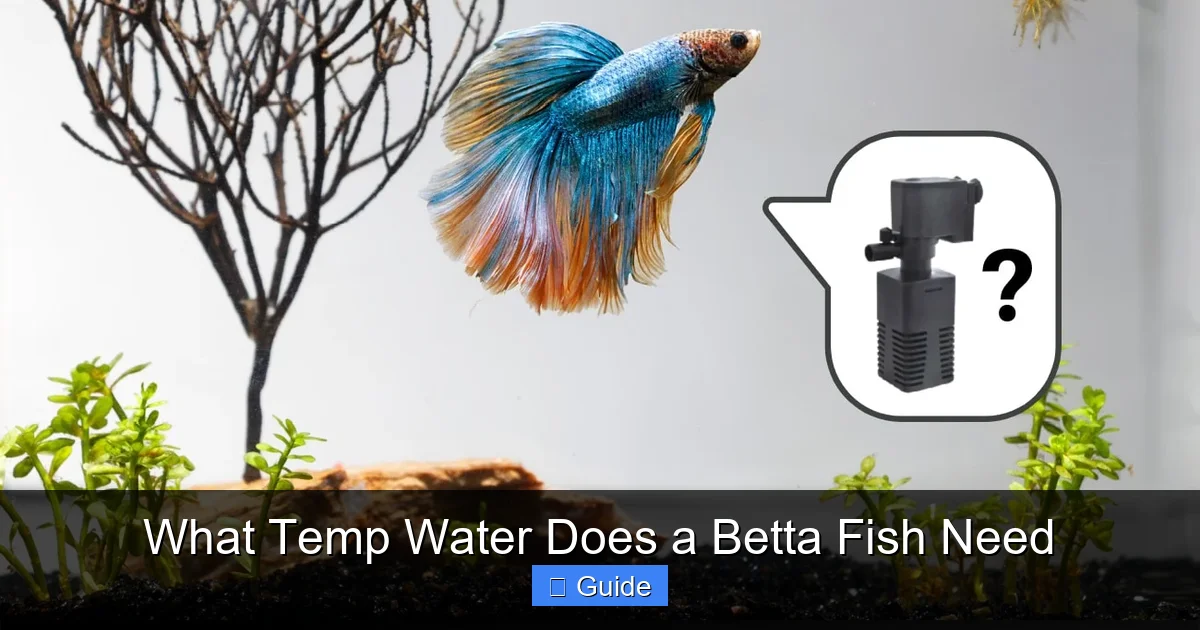
Betta fish are tropical animals that require a consistent water temperature between 78°F and 80°F (25.5°C–26.5°C) to thrive. This specific range supports their immune system, metabolism, and vibrant colors. Using an adjustable aquarium heater is non-negotiable for most homes, as room temperature is often too cool and fluctuates too much. Maintaining this stable, warm environment is the single most important factor in preventing disease and ensuring a long, active life for your betta.
Key Takeaways
- Ideal Range: Betta fish need water maintained steadily between 78°F and 80°F (25.5°C–26.5°C). This is their tropical comfort zone.
- Heater is Essential: A reliable, adjustable submersible aquarium heater is mandatory equipment, not optional, for almost all betta tanks.
- Stability Over Exactness: A perfectly stable 77°F is far better than a fluctuating 79°F that swings by several degrees daily.
- Thermometer is a Must: You cannot trust your heater’s dial. Use a separate, accurate digital or floating glass thermometer to verify the actual water temperature daily.
- Cold Water is Dangerous: Water below 76°F suppresses the immune system, making bettas susceptible to fatal diseases like dropsy and fin rot.
- Acclimation is Key: When introducing a new betta or adjusting temperature, changes must be made slowly (1-2°F per hour) to avoid thermal shock.
- Tank Size Matters: In larger tanks (5+ gallons), temperature is more stable. In small bowls or vases, it can plummet rapidly, requiring extra vigilance.
📑 Table of Contents
- The Tropical Nature of Bettas: Why Temperature is Everything
- The Ideal Temperature Range: 78°F to 80°F (25.5°C–26.5°C)
- Essential Equipment: The Heater and Thermometer Duo
- Setting Up and Using Your Heater Safely
- Seasonal and Environmental Considerations
- Recognizing and Correcting Temperature Stress
- Common Mistakes and Advanced Tips
- Conclusion: Temperature as the Foundation of Health
The Tropical Nature of Bettas: Why Temperature is Everything
If you’re asking “what temp water does a betta fish need,” you’ve already asked the most critical question for its care. The answer isn’t a casual suggestion; it’s a fundamental biological requirement. Betta splendens, the magnificent fighting fish we keep as pets, hail from the shallow, slow-moving rice paddies, ditches, and warm marshes of Southeast Asia—Thailand, Cambodia, Vietnam, and Malaysia. These are not cool mountain streams. They are sun-drenched, tropical environments where water temperatures are consistently warm, rarely dropping below 75°F (24°C) and often climbing higher.
This native habitat dictates everything. Your betta isn’t just *preferring* warm water; its entire physiology is built for it. Its metabolism, the rate at which it digests food and expends energy, is directly controlled by temperature. Its immune system, a delicate network of defenses, functions optimally only within a narrow thermal band. Its stunning colors, which can fade to drab browns in poor conditions, are actually enhanced by proper warmth. Think of the correct betta fish water temperature not as a setting on a dial, but as the foundational pillar of its entire ecosystem. Get this wrong, and you are fighting an uphill battle against stress, disease, and a shortened lifespan.
Metabolism and Digestion
In cold water, a betta’s metabolism slows to a crawl. It will eat less, digest food inefficiently, and produce more waste relative to the energy it uses. This leads to constipation, bloating, and poor water quality as uneaten food decays. You might mistake a lethargic, cold betta for a “calm” personality, when in reality, it’s suffering from low energy. In the correct warm water, your betta will be an active explorer, greeting you at the glass, and showing off its flowing fins with graceful, energetic displays.
Immune System Function
This is the most urgent reason to maintain proper temperature. A betta’s immune cells are temperature-sensitive. When water is too cool (below 76°F/24.4°C), these defensive cells become sluggish and ineffective. Pathogens—bacteria and fungi that are always present in the tank at low levels—suddenly have an open door. What might be a minor scrape or a bit of fin nipping from a tankmate can explode into a full-blown, often fatal case of fin rot or dropsy. Chronic cold stress is a silent killer, weakening your fish over weeks until it succumbs to an infection a healthy betta would easily fight off.
The Ideal Temperature Range: 78°F to 80°F (25.5°C–26.5°C)
So, we’ve established warmth is key. But what is the specific target? The consensus among reputable betta breeders, veterinarians, and aquarists is a consistent 78°F to 80°F (25.5°C–26.5°C). This range is the sweet spot. It’s warm enough to maximize immune function and metabolic activity without being so hot that it causes distress or accelerates oxygen depletion (though bettas, as labyrinth organ breathers, are more tolerant of low oxygen than many fish).
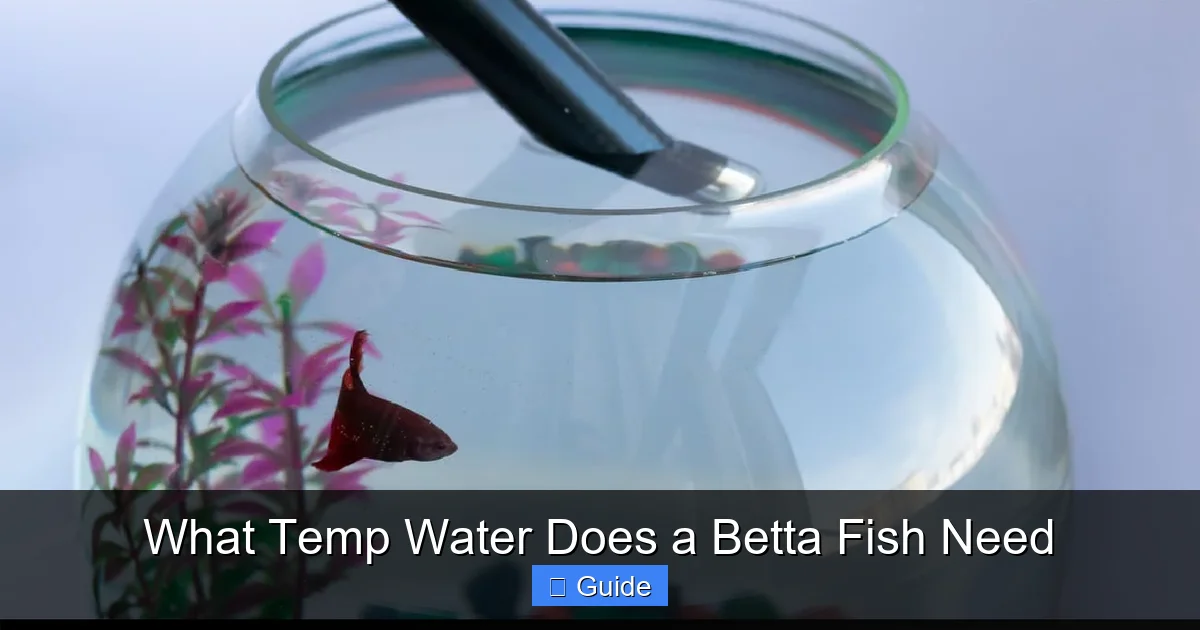
Visual guide about What Temp Water Does a Betta Fish Need
Image source: petshun.com
Why not higher? While bettas can tolerate brief spikes into the low 80s, sustained temperatures above 82°F (27.8°C) significantly increase their metabolic rate. This means they require more food and oxygen, produce more waste faster, and their lifespans can be shortened due to the physiological strain of a constantly “revved” system. It also makes the water chemistry more volatile. Why not lower? As discussed, dropping below 76°F begins to impair immune function. The commonly cited “survival” minimum of 72°F is a trap—a betta can *survive* at that temperature, but it will not *thrive*. It will be stressed, prone to illness, and likely inactive.
The Myth of “Room Temperature”
A pervasive and dangerous myth is that bettas can live in “room temperature” water. This is almost always false. The average human home is kept between 68°F and 72°F (20°C–22.2°C). This is 6-10 degrees too cold for a betta. Furthermore, room temperature fluctuates—cooler at night, warmer during the day, and drops when heating or air conditioning cycles. These fluctuations are a major source of stress. Your betta needs a stable, tropical environment, which your thermostat does not provide. Never rely on ambient room temperature.
Geographic Variations in Advice
You may see some sources, particularly older ones or those from very warm climates (e.g., Southeast Asia, tropical Australia), suggesting 72°F-80°F. This discrepancy often comes from two places: 1) In their native range, the *ambient* air and water temperature are consistently high, so a heater isn’t needed. 2) Some breeders keep massive numbers of bettas in warm rooms and use minimal heating for efficiency. For the average keeper in a temperate climate with a small tank, the 78°F-80°F guideline is the safest and most reliable for long-term health.
Essential Equipment: The Heater and Thermometer Duo
Armed with the knowledge of the target temperature, let’s talk hardware. You cannot achieve or maintain this without two critical pieces of equipment: a proper aquarium heater and a standalone thermometer. Relying on guesswork or the heater’s built-in dial is a recipe for disaster.
Visual guide about What Temp Water Does a Betta Fish Need
Image source: buildyouraquarium.com
Choosing the Right Aquarium Heater
Not all heaters are created equal. For a betta, you need a fully submersible, adjustable heater.
- Wattage: A general rule is 2.5-5 watts per gallon. For a standard 5-gallon betta tank, a 25-watt heater is perfect. A 50-watt heater in a 2.5-gallon vase would be dangerous, overheating the small volume of water rapidly. Always choose a heater appropriate for your tank’s size.
- Adjustability: Avoid “preset” or “fixed” temperature heaters (often found in small “starter kit” tanks). These cannot be fine-tuned to your specific room conditions. You need a heater with a dial or digital control so you can set it to 78°F or 79°F and adjust if your thermometer reads slightly off.
- Safety Features: Look for a heater with an automatic shut-off if it’s removed from the water or if the water level drops too low. This prevents “dry-fire” and potential cracking or fire hazards.
- Brands: Stick with reputable aquarium brands like Eheim, Aqueon, Fluval, or Hygger. The few dollars you save on a no-name heater are not worth the risk of failure, inaccurate heating, or breaking.
The Non-Negotiable Thermometer
The heater’s dial is a suggestion, not a measurement. Thermostats can be miscalibrated. You must have an independent way to verify the actual water temperature.
- Floating Glass Thermometers: The classic, cheap, and reliable choice. Ensure it’s placed away from the heater’s direct output for an accurate average reading.
- Digital In-Tank Thermometers: These stick to the outside of the glass and have a probe inside. They are very accurate and easy to read. A great upgrade.
- Stick-on Liquid Crystal Thermometers: These adhesive strips are affordable and good for a general check, but they are less precise and can degrade over time. Use them as a secondary check, not your primary tool.
- Read the Manual: Every heater is different. Follow the manufacturer’s instructions.
- Submerge Completely: The heater must be fully underwater at all times. Most have a minimum water level line. Never turn it on outside of water.
- Positioning: Place the heater near a water current (like from your filter) to distribute heat evenly, but not so close that the filter output blasts directly on it, which can cause rapid cycling. A good spot is near the filter intake or output, or in a corner with some water movement.
- Pre-Soak: Let the heater sit in the tank for 15-30 minutes before plugging it in. This allows the glass to adjust to water pressure and prevents thermal shock to the glass itself.
- Set and Wait: Set the dial to your target (e.g., 79°F). Plug it in. Let it run for at least 2-4 hours before checking the thermometer. It takes time for the entire tank volume to reach equilibrium.
- Never move or adjust a heater that is hot. Turn it off and unplug it, let it cool for 15 minutes, then remove it from the water.
- Never use a heater in a tank that is not filled to the proper level.
- Always unplug the heater before doing any tank maintenance involving water changes or moving decorations.
- Inspect your heater cord and unit monthly for any cracks or damage.
- Move the tank away from drafty windows and exterior walls.
- Use an insulating jacket or blanket *around the back and sides* of the tank (never covering the top or blocking light completely) to reduce heat loss.
- Ensure your heater is powerful enough for the tank size and the temperature differential it needs to overcome.
- Move the tank to a cooler, shadier spot.
- Use a small fan to blow across the water surface, increasing evaporative cooling.
- Float a sealed bag of ice or a commercial aquarium chiller (for larger setups) to bring temperature down slowly. Never add ice cubes directly.
- Use battery-powered air stones to maintain minimal oxygen and water movement.
- For short outages (under 4 hours), wrap the tank in blankets and foil (reflects heat back in) to slow the cooling.
- Consider a small UPS (uninterruptible power supply) for your heater and filter if outages are frequent.
- Never use hot water from the tap to heat the tank; the chlorine and temperature shock will kill your fish.
- Lethargy and Clamped Fins: The betta sits at the bottom, fins tightly held to the body, barely moving.
- Loss of Appetite: Ignores food completely.
- Faded Colors: Vibrant reds, blues, and yellows turn to dull brown or grey.
- Susceptibility to Disease: The development of **white spots (ich)**, fraying fins (fin rot), or a swollen, pinecone-like body (dropsy) is often the final, visible symptom of a long-standing cold-stress compromised immune system.
- Rapid Gilling: Gills move very quickly, even when the fish is still.
- Gasping at the Surface: Despite being a labyrinth breather, extreme heat depletes oxygen, causing surface gulping.
- Erratic Swimming: Darting, crashing into things, or swimming upside down (a sign of neurological damage from extreme heat).
- Complete Loss of Appetite.
- Float the sealed bag in your tank for 15-30 minutes to equalize temperature.
- Then, open the bag and slowly add a cup of your tank water to it every 10 minutes for 30-40 minutes. This also acclimates it to your water chemistry.
- Finally, net the betta (do not pour store water into your clean tank) and gently place it in your tank. Discard the bag water.
Placement is key: Place your thermometer in a location that represents the tank’s average temperature—not directly in the heater’s current and not in a dead spot in a corner. Check it daily as part of your routine.
Setting Up and Using Your Heater Safely
Simply plugging in a heater isn’t enough. Proper installation and testing are crucial for your betta’s safety.
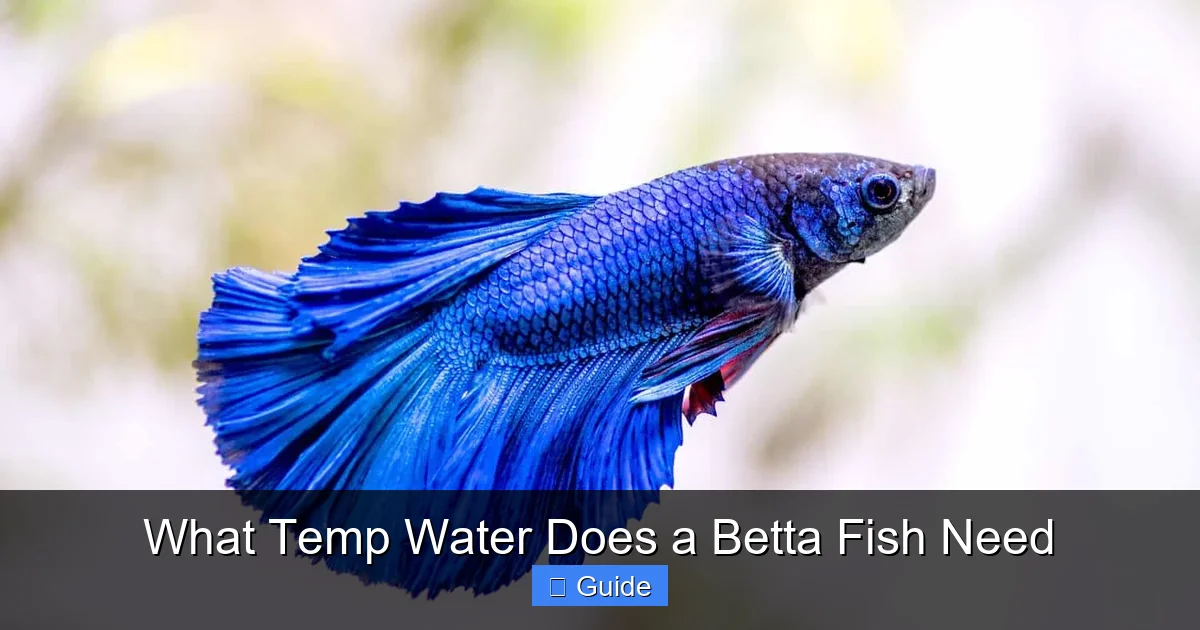
Visual guide about What Temp Water Does a Betta Fish Need
Image source: tankofish.com
Installation Steps
The “Adjust and Monitor” Cycle
After 4 hours, check your independent thermometer. If it reads 77°F and you set the heater to 79°F, you’ll need to adjust the heater dial up slightly (turn it clockwise). Heater dials are not perfectly linear. You must use the thermometer as your guide, not the number on the heater. Make tiny adjustments (1/4 turn), wait an hour, and check again. This patience prevents overshooting and cooking your betta. Once the thermometer reads your target range, you’re set. Continue to check it daily for the first week to ensure stability.
Critical Safety Rules
Seasonal and Environmental Considerations
Maintaining temperature isn’t a “set it and forget it” task. You must be an active manager of your tank’s climate.
Winter Heating Challenges
This is the most common problem. As indoor heating turns on and off, room temperature can swing dramatically. Your tank’s temperature will follow these swings, but with a delay and dampening effect. If your house drops to 65°F at night, your tank might fall to 74°F—a dangerous zone. You may need to:
Summer Overheating
If your tank is in direct sunlight or a room without AC, temperatures can soar above 85°F. This is just as dangerous as the cold. Signs of overheating include rapid gill movement, lethargy, and loss of appetite. Solutions:
Power Outages
This is a serious risk. In winter, a power outage means no heat. In a matter of hours, tank temperature can plummet. Have a plan:
Recognizing and Correcting Temperature Stress
Even with your best efforts, problems can arise. Knowing the signs of temperature-related stress is vital for quick intervention.
Signs of Cold Stress
These are the most common and often misdiagnosed.
Signs of Heat Stress
Less common but equally dangerous.
What to Do If Temperature is Wrong
If too cold: Do not crank the heater to “high.” First, check your thermometer. Is the heater on? Is it functioning? Adjust the dial up by 1-2 degrees. If the tank is very cold, you can use a separate, clean aquarium-safe container with warm (not hot) dechlorinated water to slowly perform a partial water change (25% at a time), replacing cold water with warmer water. This raises the temperature gradually and safely.
If too hot: Unplug the heater immediately. Perform a partial water change (25-30%) with cool, but not cold, dechlorinated water (match the tank’s water chemistry, just 2-3°F cooler). Add a fan to blow across the surface. Float a bag of ice. Monitor closely. Once temperature is in the safe range, you can plug the heater back in, but you must first diagnose *why* it overheated (faulty heater? no AC? direct sun?) and fix that root cause.
Common Mistakes and Advanced Tips
Let’s wrap up the practical guide with pitfalls to avoid and pro-tips for the dedicated betta keeper.
The “Small Vase/Bowl” Trap
This is the #1 mistake. A tiny, unfiltered vase or bowl has almost no thermal inertia. The temperature can change by several degrees in an hour based on room air. A small heater (like a 3-watt pad) is often inadequate and unsafe. The only ethical way to keep a betta in a very small container is in a consistently warm room (78°F+ year-round), which is rare. A filtered, heated 5-gallon tank is the absolute minimum for a stable, healthy life.
Acclimating a New Betta to Temperature
When you bring a betta home from the store, it’s in a small bag of water at the store’s temperature. You must acclimate it to your tank’s temperature slowly.
Heater Placement and Tank Decor
Bettas are curious and may rest on a heater if it’s their only flat surface. Ensure there are plenty of plants, caves, and a resting spot (a betta leaf hammock is perfect) away from the heater. This prevents burns and gives your fish choices. Also, ensure the heater’s cord and unit are not accessible to a determined chewer if you have other pets.
Using a Temperature Controller
For the ultimate in safety and precision, invest in an external temperature controller (like those from Inkbird or Ranco). You plug your heater into the controller, and a separate probe monitors the water. The controller turns the heater on and off based on the probe’s reading, completely bypassing the heater’s often-inaccurate internal thermostat. This is the gold standard for preventing overheating or under-heating due to a faulty heater thermostat.
Conclusion: Temperature as the Foundation of Health
So, what temp water does a betta fish need? The answer is clear and non-negotiable: a stable 78°F to 80°F (25.5°C–26.5°C). This is not a luxury; it is the bedrock of betta husbandry. It is the single most impactful thing you can do for your fish’s welfare, more important than the perfect plants or the most expensive food. A betta in the correct temperature will have a robust immune system, a healthy appetite, brilliant colors, and an active, curious personality. It will be a resilient companion.
Invest in a quality heater and a reliable thermometer. Check the temperature daily as part of your feeding and observation routine. Understand that your home’s thermostat is not your fish’s thermostat. Be vigilant during seasonal changes. By treating your betta’s water temperature with the seriousness it deserves, you are not just keeping a fish—you are providing a slice of its natural, tropical paradise, and setting the stage for a vibrant, healthy life that can span five years or more. Your betta’s health literally depends on it.
Frequently Asked Questions
Can a betta fish survive without a heater?
In very rare cases, a betta might survive in a consistently warm room (above 78°F/25.5°C year-round) without a heater, but this is the exception, not the rule. For 99% of keepers, a heater is essential. Without one, the water will be too cold and fluctuate too much, leading to chronic stress and a high likelihood of disease and early death.
What are the signs my betta is too cold?
The primary signs are lethargy (sitting at the bottom), clamped fins (held tightly to the body), a complete loss of appetite, and noticeably faded or dull colors. Often, the first visible sign is a case of fin rot or another infection, as the cold has weakened the immune system.
Is 82°F too hot for a betta fish?
Sustained temperatures above 82°F (27.8°C) are generally considered too high. While bettas can tolerate brief spikes, consistently warm water significantly increases their metabolism, leading to higher stress, faster waste production, and a potentially shortened lifespan. The ideal upper limit is 80°F.
How long does it take for a heater to heat a betta tank?
It depends on tank size, heater wattage, and the temperature difference to overcome. For a standard 5-gallon tank with a 25-watt heater starting from room temperature (70°F), it can take 2-4 hours to reach and stabilize at the set temperature. Always check with a separate thermometer, not the heater’s dial.
Should I turn my betta’s heater off at night?
No. Temperature should remain stable 24 hours a day. Turning it off at night allows the water to cool, creating a daily fluctuation that stresses the fish. In fact, nighttime is often when ambient temperatures drop the most, making continuous heating even more critical.
Can I use a reptile heat mat or lamp for my betta tank?
No. Reptile heat mats designed to go under tanks can cause dangerous, uneven “hot spots” and crack glass. Heat lamps dry out the water surface and cause extreme temperature swings. Only a fully submersible, adjustable aquarium heater designed for water is safe and effective for maintaining a stable betta fish water temperature.