What Fish Can Live with Betta Fish
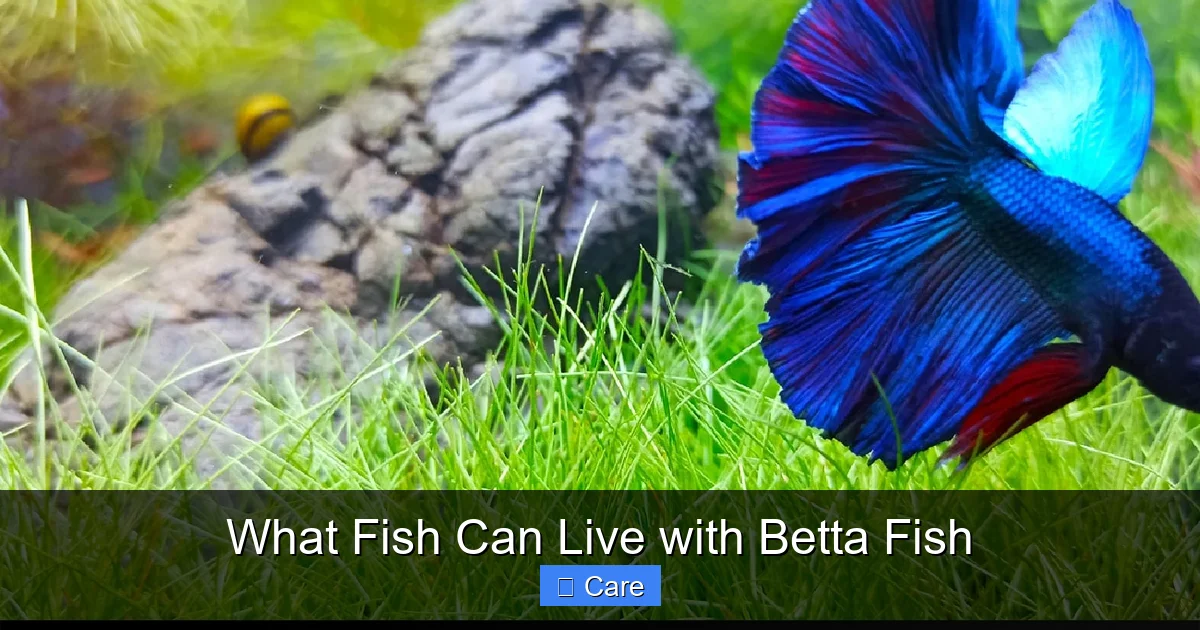
Betta fish, or Siamese fighting fish, are famously territorial, especially males. However, with careful selection and proper tank setup, you can successfully house them with certain peaceful, fast-moving, or non-finned species. The key is choosing tank mates that won’t trigger the betta’s aggression, have similar water parameter needs, and inhabit different areas of the tank. This guide breaks down exactly which fish, shrimp, and snails are safe companions and how to make it work.
Key Takeaways
- Never house two male bettas together: Male bettas are inherently aggressive toward each other and will fight to the death. Only one male per tank is a non-negotiable rule.
- Tank size is critical: A minimum of 10 gallons is strongly recommended for any community tank with a betta. More space reduces territorial disputes and provides escape routes for potential tank mates.
- Choose peaceful, fast-moving fish: Ideal tank mates are species that are not brightly colored (to avoid triggering the betta), have short or no flowing fins (to avoid fin-nipping triggers), and are active swimmers in the upper tank levels.
- Introduce the betta last: Add your peaceful community fish to the tank first and let them establish their territory. Then, introduce the betta. This often makes the betta less likely to see the existing fish as intruders.
- Always have a backup plan: Be prepared with a separate hospital tank or a plan to rehome a tank mate if aggression occurs. Betta temperament is individual and can change unexpectedly.
- Water parameters must match: All tank mates must thrive in the same warm, soft to moderately hard water (76-82°F, pH ~7.0) that bettas require.
- Dither fish can help: A small school of peaceful fish like ember tetras or harlequin rasboras can help diffuse a betta’s aggression by distracting it and making it less fixated on a single target.
📑 Table of Contents
- Understanding the Betta: More Than Just a “Fighter”
- The Golden Rules of Betta Compatibility
- Top Recommended Tank Mates: The Safe List
- High-Risk or “Maybe” Tank Mates: Proceed with Extreme Caution
- The “Never” List: Fish That Should Never Share a Tank with a Betta
- Setting Up for Success: The Community Tank Protocol
- Conclusion: Patience and Observation Are Your Best Tools
Understanding the Betta: More Than Just a “Fighter”
Before we dive into the list of what fish can live with betta fish, we must first understand the animal we’re dealing with. The betta fish, or Betta splendens, earned its common name “Siamese fighting fish” from centuries of selective breeding for aggression in its native Thailand. The dramatic, flowing fins and vibrant colors we prize today are often directly linked to that same aggressive, territorial nature. A male betta’s primary instinct is to defend his space, his resources, and—most fiercely—his courtship display against any perceived rival.
This doesn’t mean a betta is destined to be a lonely, solitary fish in a tiny, barren vase. In the wild, bettas are not isolated; they inhabit vast, shallow rice paddies and slow-moving streams where they have ample room to claim a territory of their own, with plenty of hiding spots and areas to avoid each other. Our job as aquarists is to replicate that environment of choice and space in captivity. The goal of a community tank with a betta is to provide environmental enrichment and reduce stress for all inhabitants by carefully selecting species that simply don’t register as threats or rivals.
The Myth of the “Aggressive Monster”
It’s crucial to dispel the idea that all bettas are universally aggressive. While the genetic predisposition is strong, individual personalities vary wildly. Some bettas are docile “lap fish” who ignore tank mates entirely. Others are relentless bullies who will flare at their own reflection. The key is to start with a plan based on proven compatibility and then observe your specific betta’s behavior. Never assume your betta will be the exception; instead, create a setup where the odds of success are overwhelmingly in your favor.
The Golden Rules of Betta Compatibility
So, what fish can live with betta fish? The answer isn’t a simple list, but a set of principles. A fish that works brilliantly in one betta’s 20-gallon planted tank might be torn apart in another’s 5-gallon bare bowl. Your success hinges on these non-negotiable rules.
Visual guide about What Fish Can Live with Betta Fish
Image source: japanesefightingfish.org
Rule #1: Tank Size and Layout Are Everything
This is the single most important factor. A betta in a 5-gallon tank has no room to tolerate a neighbor; it’s a constant, inescapable invasion of space. In a 10-gallon tank or larger, you can create distinct territories. The betta claims the top half, often hovering near a plant or decoration. The other fish occupy the mid and bottom levels. The layout must include abundant, tall plants (real or silk), rock caves, driftwood, and other decorations that break lines of sight. A betta must be able to retreat and hide, and other fish must be able to escape notice. A well-planted tank with open swimming areas is the ideal compromise.
Rule #2: Match the Water Parameters
Betta fish are tropical fish. They require warm water, ideally between 76°F and 82°F (24-28°C). They prefer a slightly acidic to neutral pH (around 7.0) and soft to moderately hard water. Any potential tank mate must thrive in these exact same conditions. Tropical community fish from Southeast Asia and South America are your best bets. Cold-water fish like goldfish are a disastrous mismatch—they require completely different, colder water and produce massive amounts of waste.
Rule #3: Avoid Bright Colors and Flowing Fins
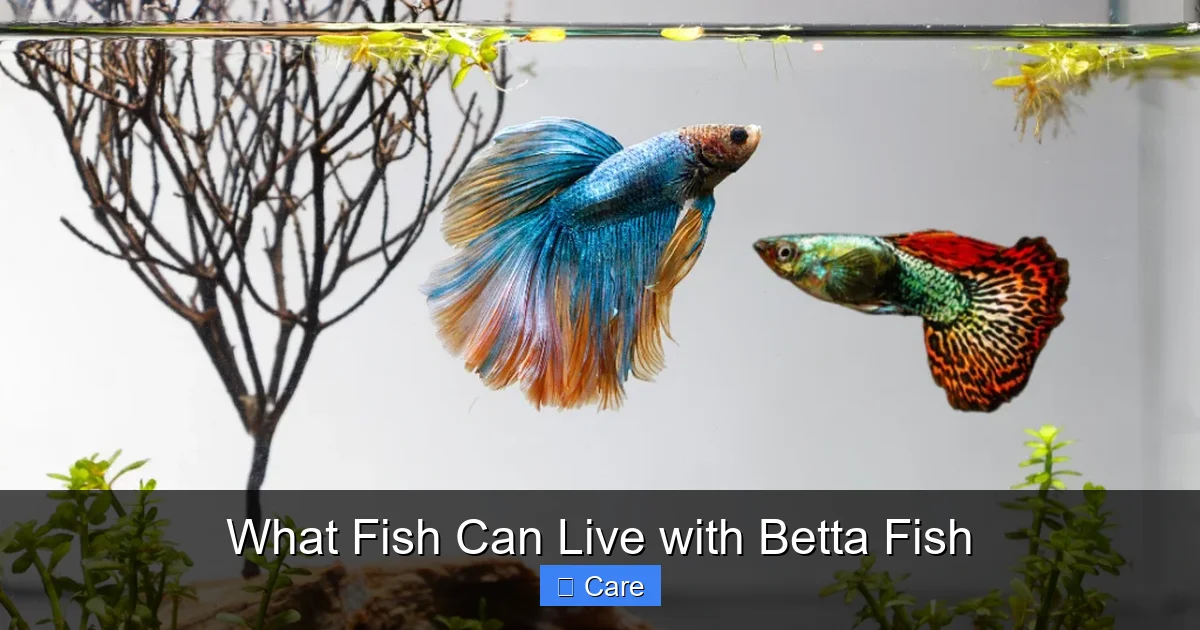
A betta’s aggression is often triggered by what it perceives as a rival male betta. This means fish with bright reds, blues, or oranges that mimic a betta’s own coloration are high-risk. Similarly, fish with long, flowing fins like male guppies, fancy goldfish, or angelfish look like another betta to your male. The betta will likely nip at these fins, causing fatal damage. Choose fish with duller, darker colors (browns, blacks, silvers, yellows) and short, sleek fins.
Rule #4: Mind the Temperament and Activity Level
You need fish that are either too boring to provoke a reaction or too fast and nimble to be caught. Slow-moving, deliberate fish like dwarf gouramis (which are closely related and can be risky) or certain catfish might be seen as easy targets or obstacles. Conversely, very hyperactive fish that constantly zip around can stress a more laid-back betta. The sweet spot is peaceful, active-but-not-frantic fish that primarily stick to the middle and bottom of the tank.
Top Recommended Tank Mates: The Safe List
Armed with the rules, let’s build a list. These species have a long track record of success as betta companions when the core rules are followed. Always research the specific care needs of any fish before purchase.
Visual guide about What Fish Can Live with Betta Fish
Image source: aniimad.com
Small Schooling Fish (The Dither Fish)
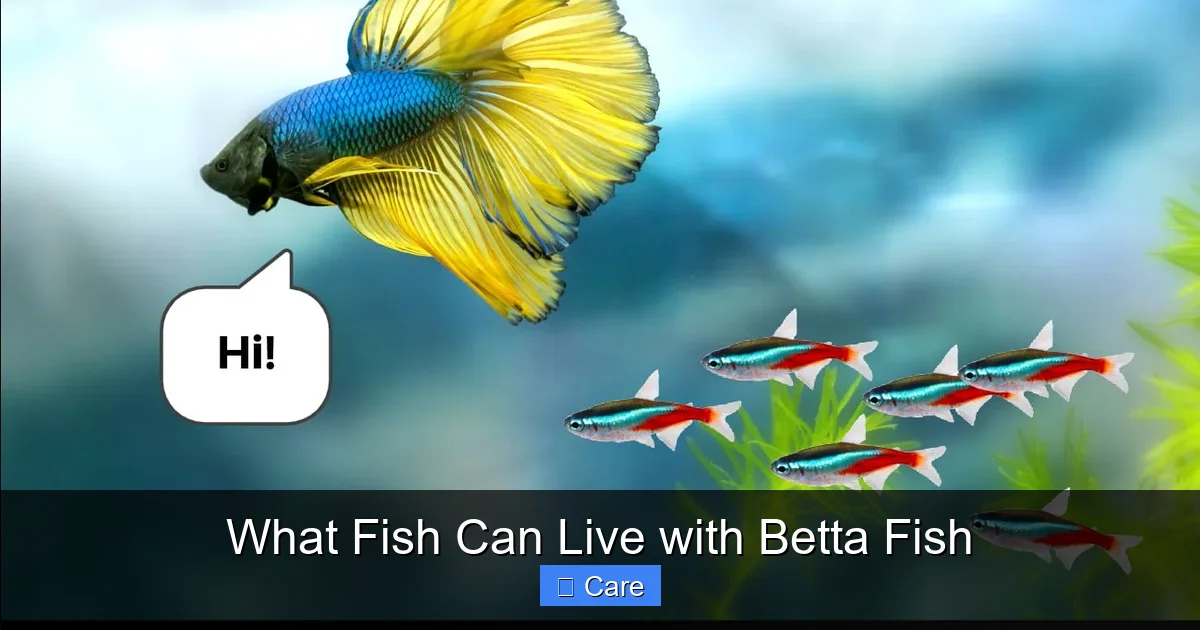
A small school of 6-8 peaceful, fast-moving fish is arguably the best betta tank mate strategy. Their constant movement and collective presence diffuse the betta’s focus. The betta may chase one initially, but the fish quickly disappears into the school, teaching the betta that chasing is futile. They occupy the mid-level, leaving the top to the betta.
- Ember Tetras (Hyphessobrycon amandai): Tiny, fiery orange fish that are almost too small to be considered a threat. They are peaceful, hardy, and stay in the middle of the tank. Their color is distinct from a betta’s, reducing triggers. A school of 8+ in a 10+ gallon tank is perfect.
- Harlequin Rasboras (Trigonostigma heteromorpha): Slightly larger than embers, with a striking black triangle on their orange bodies. Active, hardy, and classic community fish. A school of 6+ is ideal.
- Celestial Pearl Danios (Danio margaritatus): Also known as galaxy rasboras, these stunning little fish are active but not overly boisterous. Their spotted patterns are not betta-like. They prefer slightly cooler water but do fine at standard betta temps.
- White Cloud Mountain Minnows (Tanichthys albonubes): A very hardy, cold-tolerant alternative. They are active, peaceful, and have a silver/red coloration that is generally not provocative. They can tolerate the betta’s warmer temps, though the higher end may shorten their lifespan slightly.
- Dwarf Rasboras (Boraras maculatus/merah): The smallest of the rasboras, like the Chili Rasbora or Phoenix Rasbora. Their tiny size (under ½ inch) and vibrant red coloration can be a slight concern, but their hyperactive schooling nature usually makes them ignore bettas and vice versa. A very large school (10+) is recommended.
Peaceful Bottom Dwellers
These fish occupy a completely different stratum of the tank, minimizing interaction. They also help clean up uneaten food.
- Kuhli Loaches (Pangio kuhlii): Eel-like, peaceful, and nocturnal. They spend the day burrowed in the substrate or hiding under decorations, emerging at night. They are fascinating to watch and completely ignore bettas. A small group of 3-5 is recommended as they are social.
- Bristlenose Plecos (Ancistrus sp.): The smaller, more manageable plecos. Choose the common brown or albino varieties. They are algae eaters and will mostly cling to surfaces. However, they can produce a lot of waste and some individuals may suck on a betta’s slime coat if the betta is slow-moving, so observation is key. Max size around 5 inches.
- Corydoras Catfish: The quintessential peaceful bottom feeder. Species like Corydoras pygmaeus (Pygmy Cory), C. habrosus (Salt and Pepper), or C. hastatus (Dwarf Cory) are excellent. They are social and must be kept in groups of 6+. They are too busy sifting sand to bother anyone.
- Otocinclus Catfish: The dedicated algae eater. These tiny, shy catfish need a well-established tank with plenty of algae and biofilm. They are schoolers, so get 6+. They are so non-confrontational they are often bullied by other fish, but a peaceful betta won’t bother them.
Other Invertebrate Options
Shrimp and snails are often the safest first additions to a betta tank, as they are not fish and usually don’t trigger the same territorial response. However, caution is still needed.
- Amano Shrimp (Caridina multidentata): The gold standard. They are large (2+ inches), fast, and mostly vegetarian. They are too big for most bettas to see as food and are too quick to be caught. They are excellent cleaners.
- Ghost Shrimp / Glass Shrimp (Palaemonetes spp.): Very common, cheap, and active. They are excellent scavengers. Their transparency makes them harder for a betta to target. Some bettas may still try to eat them, especially smaller individuals, but many thrive together.
- Cherry Shrimp (Neocaridina davidi): A more colorful option. This is a bigger gamble. Their bright red color can trigger a betta’s aggression, and they are slower and more likely to be eaten. Success depends entirely on the individual betta’s personality. Larger, more active bettas will view them as snacks.
- Nerite Snails: The best snail choice. They have a hard shell that a betta cannot penetrate, and they do not reproduce in freshwater (no snail explosion). They are excellent algae grazers. Various species like Zebra, Tiger, or Olive Nerites are great.
- Mystery / Apple Snails: Larger, peaceful snails that also clean the tank. Their size and slow movement usually make them uninteresting to bettas, though a bored betta might still peck at their antennae. They produce a lot of waste and need supplemental calcium.
High-Risk or “Maybe” Tank Mates: Proceed with Extreme Caution
This category includes fish that might work with a particularly docile betta in a large, heavily planted tank, but have a high probability of failure. They require meticulous research and constant supervision.
Visual guide about What Fish Can Live with Betta Fish
Image source: buildyouraquarium.com
The Gourami Family (A Close Relative, A Close Risk)
Gouramis are in the same family as bettas (Osphronemidae) and share the labyrinth organ. This means they have similar water needs, but also similar temperaments.
- Dwarf Gouramis (Colisa lalia): The most common “maybe.” They are beautiful, peaceful, and look similar to bettas. However, they can be aggressive toward each other and may assert dominance over a betta, or vice-versa. A single dwarf gourami in a very large, heavily planted tank with a known peaceful betta *might* work, but it’s a significant gamble. Many aquarists have seen disastrous results.
- Other Gouramis (Honey, Pearl, etc.): Larger and often more aggressive. Generally not recommended with bettas.
Livebearers: A Color Gamble
Guppies, platies, and mollies are peaceful and easy to care for, but their bright colors and flowing fins (in male guppies) are major red flags.
- Endler’s Livebearers: Smaller and less flashy than full-sized guppies. They are active and peaceful. Their smaller size and less exaggerated fins make them a slightly better, but still risky, choice.
- Platys / Mollies: Often have orange or red coloration. Some are peaceful, but mollies can be boisterous. Generally not recommended.
Other “Borderline” Species
- African Dwarf Frogs: These fully aquatic frogs are fascinating and peaceful. They share the same water parameters. The risk is not aggression, but competition for food at the surface. Bettas may eat the frogs’ food, and the frogs are slow eaters. Requires careful feeding management.
- Snails with Operculums (Nerites, Mystery): Already covered as generally safe, but some large apple snails can be so slow a curious betta might investigate and damage their tentacles.
The “Never” List: Fish That Should Never Share a Tank with a Betta
There is no scenario, no tank size, and no amount of planting that will make these fish safe betta companions. Do not attempt it.
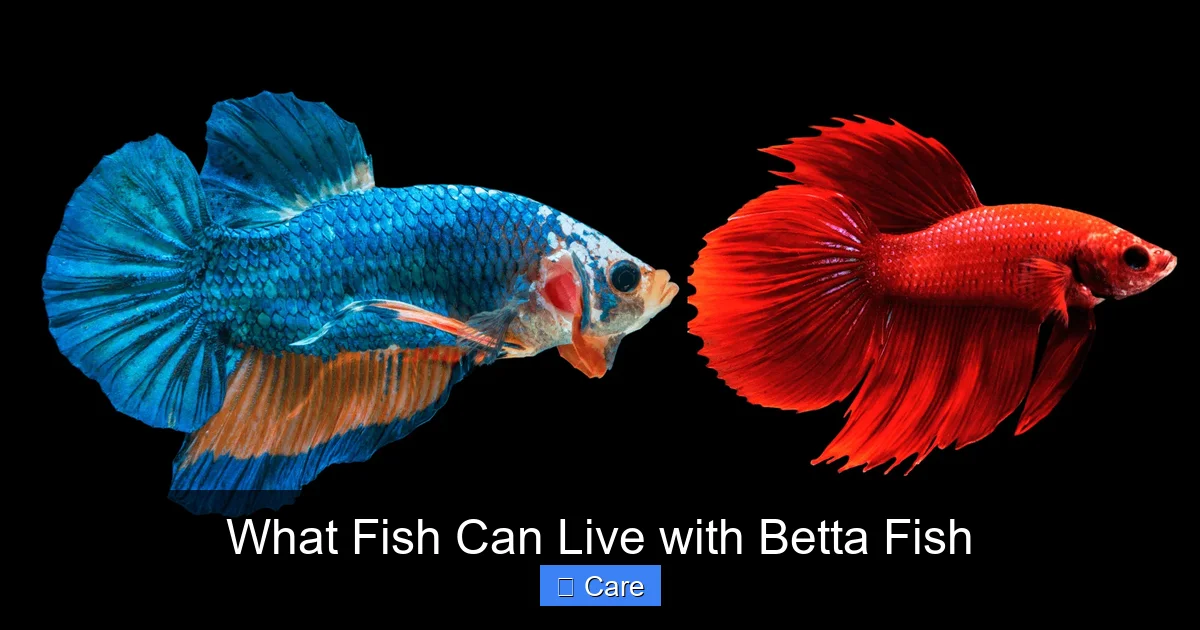
- Any other male Betta splendens: This is the cardinal rule. Two males will fight until one is dead or severely injured.
- Female Bettas (in a community with a male): While female bettas are less aggressive toward each other than males, introducing a female to a male betta’s established territory is a recipe for disaster. The male will relentlessly chase and harass her, likely leading to her death. Breeding is a separate, controlled process.
- Fancy Guppies: The long, flowing tails are a direct trigger for a betta’s aggression. The betta will see it as a rival and nip the fins to shreds, leading to fatal infections.
- Tiger Barbs & Other Fin-Nippers: Species like tiger barbs, serpae tetras, and some black skirt tetras have a notorious reputation for nipping the long fins of other fish. A betta’s fins are an irresistible target. This is a guaranteed disaster.
- Angelfish: They are large, can be semi-aggressive, and have flowing fins. They may eat a small betta or be harassed by it.
- Goldfish: As mentioned, they are cold-water fish with completely different environmental needs. They also produce copious waste that can foul the warm, stable water a betta needs.
- Large, Aggressive Cichlids (like Oscars, Jack Dempseys): These fish will either eat the betta outright or be so aggressive they will kill it.
- Any fish that requires different water parameters: Discus (need very soft, warm water but different chemistry), many tetras that prefer cooler water (like neon tetras, which are also fin-nipping risks), etc.
Setting Up for Success: The Community Tank Protocol
Choosing the right fish is only half the battle. How you set up and manage the tank determines the outcome.
The Tank Setup: A Sanctuary, Not an Arena
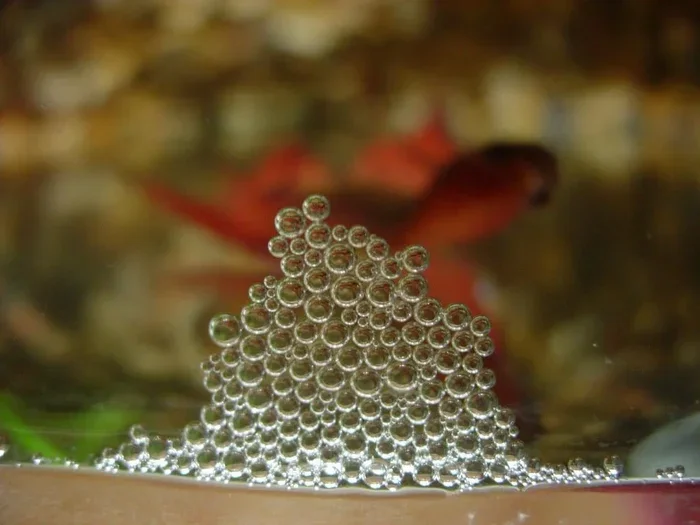
Start with a 10-gallon tank as an absolute minimum. 20 gallons is far better and provides more flexibility. Cycle the tank completely for 4-6 weeks before adding any fish. The filtration should be gentle; a strong current stresses bettas. A sponge filter is an excellent, gentle choice that also provides a surface for beneficial bacteria and, sometimes, a place for a betta to build a bubble nest.
Decoration is not optional. You must create visual barriers. Use a mix of:
- Tall, live plants (Java fern, Anubias, Amazon swords) or high-quality silk plants. Floating plants like water lettuce or frogbit are fantastic for creating a surface canopy and dimming the light.
- Driftwood and rock caves.
- PVC pipes or ceramic flower pots (sealed) for hiding.
- The goal is that a betta should not have a constant, unobstructed view of the entire tank.
The Introduction Sequence: Timing is Key
Follow this order:
- Add your community fish first. Introduce your school of tetras, rasboras, or shoal of cories to the fully cycled, decorated tank. Let them acclimate for at least one week. They will establish their own territories and routines.
- Then, introduce the betta. Acclimate the betta properly. Float the bag for temperature equalization, then drip-acclimate for water chemistry. Use a divider or a clear acrylic box inside the tank to let the betta see but not touch the other fish for 24-48 hours. This allows them to establish a “visual territory” without immediate physical conflict.
- Observe intensely for the first 72 hours. Watch for flaring (the betta puffing out its gills and fins), chasing, and nipping. Some initial curiosity is normal. Sustained, relentless aggression is not. Be ready to separate with a divider or move the betta to a hospital tank if needed.
Ongoing Maintenance and Observation
Perform regular water changes (25% weekly). Maintain stable water parameters. Feed your betta a high-quality pellet or frozen food first, then feed the other fish in a different part of the tank to ensure the betta is not food-aggressive. Watch for signs of stress in any fish: hiding constantly, loss of color, torn fins, lethargy. Betta personalities can change with age or mood, so what works today might need adjustment in six months.
Conclusion: Patience and Observation Are Your Best Tools
So, what fish can live with betta fish? The answer is a curated list of peaceful, appropriately-sized, non-threatening species in a spacious, well-decorated aquarium with matching water conditions. The safest and most successful combinations involve a single male betta with a school of small, fast, dully-colored tetras or rasboras and/or a group of peaceful bottom-dwelling catfish like corydoras or kuhli loaches. Shrimp and snails are excellent, low-risk additions.
Ultimately, your betta’s individual personality is the final authority. There is no 100% guarantee in fishkeeping. Start with the safest, most recommended pairings in a properly sized and planted tank. Introduce carefully, observe obsessively, and always have a backup plan. By respecting your betta’s nature and providing an environment that meets its needs, you can move beyond the solitary vase and create a beautiful, dynamic community aquarium that showcases the fascinating behavior of your betta alongside its peaceful neighbors. The reward of a harmonious tank is well worth the careful planning.
Frequently Asked Questions
Can I put a female betta with a male betta?
No, you should never permanently house a male and female betta together. The male will relentlessly harass the female, causing extreme stress, injury, or death. Breeding is a temporary, carefully supervised process.
Will betta fish eat shrimp?
It depends on the betta and the shrimp. Large, fast shrimp like Amanos are usually safe. Small, slow shrimp like cherry shrimp are at high risk of being eaten, especially by a larger or more aggressive betta. There are no guarantees.
Can two female bettas live together?
Female bettas can sometimes be kept in a “sorority” tank, but this is advanced fishkeeping. It requires a very large, heavily planted tank (20+ gallons) with at least 5-6 females to spread out aggression. It is not recommended for beginners and is not the same as a community tank with other species.
What is the smallest tank I can use for a betta with tank mates?
10 gallons is the absolute minimum recommended size for any betta community. A 5-gallon tank is only suitable for a single, solitary betta. More space is always better for reducing stress and aggression.
My betta is flaring at my new fish. Is that normal?
Some initial flaring (puffing up) and chasing is normal as the betta establishes its territory. However, if this behavior is constant, relentless, and prevents the other fish from eating or resting, it is unacceptable aggression and the tank mate must be removed.
Can I put a betta with a goldfish?
Absolutely not. Goldfish are cold-water fish that thrive in temperatures around 65-72°F, while bettas need 76-82°F. Their waste production and water parameter needs are also completely incompatible. It would be deadly for one or both fish.