What Is the Average Lifespan of a Betta Fish

Betta fish typically live 2‑5 years, but with optimal care they can reach 7 years or more. Water quality, diet, tank size, and stress management are the key drivers of their longevity.
Key Takeaways
- Typical lifespan: Most bettas live 2‑5 years; exceptional care can push this to 7+ years.
- Water quality matters: Stable temperature, proper filtration, and regular water changes are essential.
- Nutrition is crucial: A varied, high‑protein diet reduces disease risk and supports growth.
- Tank size & environment: A minimum of 5 gallons, live plants, and hiding spots lower stress.
- Stress reduction: Avoid aggressive tank mates, loud vibrations, and sudden temperature swings.
- Health monitoring: Early detection of fin rot, ich, or swim bladder issues can add years.
- Regular maintenance: Consistent cleaning, water testing, and equipment checks keep bettas thriving.
📑 Table of Contents
- Introduction: Meet the Charming Betta
- 1. What Is the Average Lifespan of a Betta Fish?
- 2. Core Factors That Influence Betta Longevity
- 3. Setting Up the Ideal Betta Habitat
- 4. Daily and Weekly Care Routine
- 5. Extending Your Betta’s Life: Pro Tips
- Conclusion: A Longer, Happier Betta Life Is Within Reach
Introduction: Meet the Charming Betta
If you’ve ever watched a betta flare its brilliant fins, you know these little fighters are more than just pretty faces. They’re resilient, curious, and surprisingly social for a fish that’s often sold in tiny bowls. But how long do they really stick around? The answer isn’t a simple “one size fits all.” It depends on a mix of genetics, environment, and the care you provide.
In this article we’ll break down the average lifespan of a betta fish, explore the biggest factors that can shorten or lengthen that number, and give you practical, step‑by‑step tips to help your finned friend live a long, healthy life. Think of it as a friendly chat over coffee—no jargon, just clear advice you can act on today.
1. What Is the Average Lifespan of a Betta Fish?
Typical numbers you’ll see
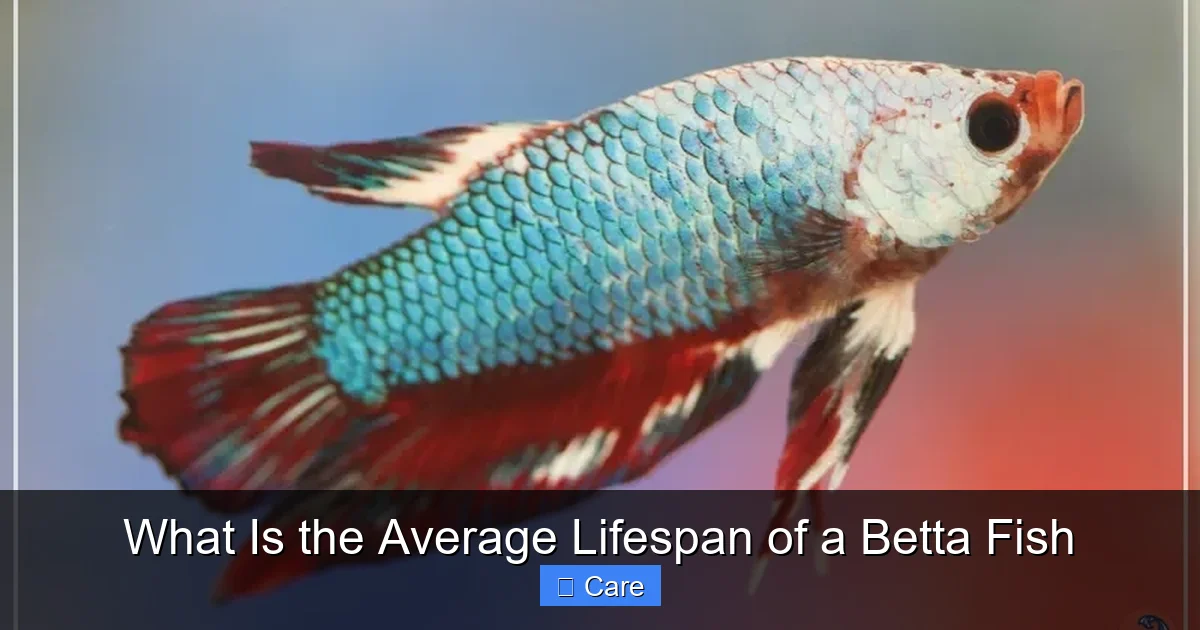
Most pet stores and hobby websites quote a lifespan of 2 to 5 years for a betta. This range reflects the reality that many bettas are kept in sub‑optimal conditions—small, unfiltered bowls, irregular feeding, and fluctuating temperatures.
Visual guide about What Is the Average Lifespan of a Betta Fish
Image source: aquariumnexus.com
Best‑case scenarios
When bettas receive high‑quality care—proper tank size, stable water parameters, balanced diet—they can live 6 to 7 years, and some dedicated hobbyists even report individuals reaching 8 or 9 years.
Why the wide range?
Genetics play a role, but the environment is the biggest driver. A betta raised in a clean 10‑gallon tank with live plants will almost always outlive one stuck in a cracked plastic cup.
2. Core Factors That Influence Betta Longevity
Water Quality
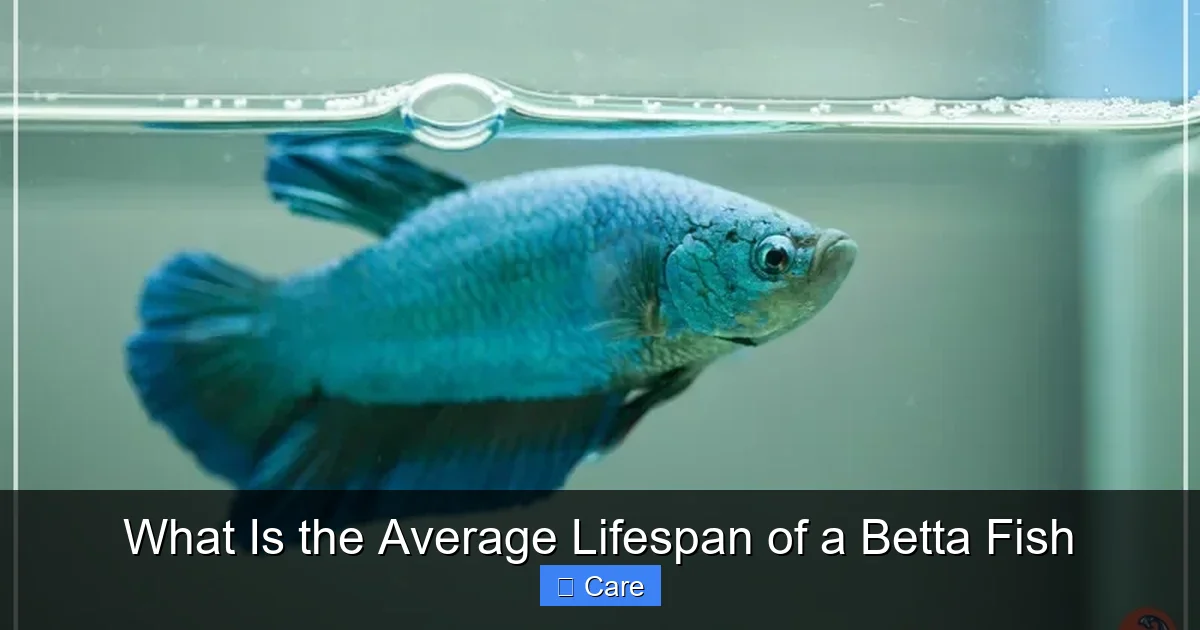
Betta fish are tropical and love warm, soft water. Keep the temperature between 76‑82°F (24‑28°C). Sudden drops or spikes stress their immune system. Use a reliable heater and a thermometer—check daily.
Visual guide about What Is the Average Lifespan of a Betta Fish
Image source: aquariumnexus.com
Regular water changes (25‑30% weekly) prevent the buildup of ammonia and nitrite, both of which are deadly even at low levels. A simple test kit will tell you if parameters are safe.
Tank Size & Setup
The myth that bettas thrive in tiny bowls is just that—a myth. A minimum of 5 gallons provides enough water volume to dilute toxins and enough space for swimming. Larger tanks (10‑20 gallons) are even better.
Include live or silk plants, driftwood, and caves. These give the betta places to hide, reducing stress and encouraging natural behavior.
Diet and Nutrition
Betas are carnivores. A high‑protein diet of quality betta pellets, frozen or live bloodworms, daphnia, and occasional brine shrimp keeps them strong. Over‑feeding leads to constipation and water fouling.
Feed 2‑3 times daily, offering only what they can consume in 2‑3 minutes. Fasting one day a week helps clear their digestive tract.
Stress Management
Betas are territorial. Avoid housing them with aggressive tank mates like large cichlids or fin‑nipping tetras. If you do a community tank, keep the betta in a well‑planted section with visual barriers.
Limit loud vibrations, bright flashes, and constant handling. A calm environment translates to a healthier immune system.
Health Monitoring
Early signs of disease—faded color, torn fins, labored breathing—should prompt immediate action. Common issues include fin rot, ich, and swim bladder disorder. Quick treatment with proper medication can save years of life.
3. Setting Up the Ideal Betta Habitat
Choosing the Right Tank
Opt for a glass or acrylic tank with a lid (betas love to jump). A 5‑gallon long tank is a great starter. Avoid “betta bowls” that lack filtration and heating.

Visual guide about What Is the Average Lifespan of a Betta Fish
Image source: qwikbetta.com
Filtration and Heating
Use a gentle filter—sponge filters work well because they create low flow, which bettas prefer. Pair it with a reliable submersible heater, set to 78°F, and a thermostat to prevent overheating.
Decor and Plants
Live plants like Java fern, Anubias, and Marimo moss balls improve water quality and provide natural grazing spots. If live plants aren’t an option, silk plants are a safe alternative; avoid plastic leaves that can tear delicate fins.
Lighting
Provide a 10‑hour light cycle using a low‑intensity LED. Too much light encourages algae growth and can stress the fish.
4. Daily and Weekly Care Routine
Daily Checks
- Inspect water temperature.
- Observe the betta for normal swimming, bright colors, and open gills.
- Remove uneaten food after feeding.
Weekly Maintenance
- Perform a 25‑30% water change using conditioned water.
- Test ammonia, nitrite, nitrate, and pH.
- Trim dead plant leaves and clean the tank glass.
Monthly Deep Clean
Every 30‑45 days, remove the betta temporarily (use a small container with tank water), clean the substrate, rinse filter media, and replace any worn decorations.
5. Extending Your Betta’s Life: Pro Tips
Use a Water Conditioner
Tap water contains chlorine and chloramines that damage gill tissue. A few drops of conditioner neutralize these chemicals instantly.
Supplement with Vitamins
Occasional vitamin drops (especially B‑complex) boost immune response, particularly during breeding or after illness.
Consider a Quarantine Tank
New bettas should spend 2‑4 weeks in a separate tank to ensure they’re disease‑free before joining an established setup.
Regular Health Checks
Look for signs of parasites, fungus, or bacterial infection. Early treatment with aquarium‑safe medication adds months, sometimes years, to your fish’s life.
Conclusion: A Longer, Happier Betta Life Is Within Reach
While the “average” betta lifespan of 2‑5 years is a useful baseline, it’s not a destiny. By giving your betta a stable temperature, clean water, a balanced diet, and a low‑stress environment, you can comfortably expect 5‑7 years of vibrant color and personality. Remember, the little things—regular water changes, a proper tank size, and a watchful eye—make the biggest difference.
Treat your betta like a pet, not a decoration, and you’ll be rewarded with years of companionship, bright displays, and the satisfaction of knowing you gave your fish the best possible life.
Frequently Asked Questions
What is the typical lifespan of a betta fish?
Most bettas live 2‑5 years, but with optimal care they can reach 6‑7 years or even longer.
Does tank size affect a betta’s lifespan?
Yes. A minimum of 5 gallons provides stable water conditions and reduces stress, significantly increasing lifespan compared to a small bowl.
How often should I change the water in my betta’s tank?
Replace 25‑30% of the water weekly. Test parameters regularly to keep ammonia and nitrite at zero.
Can bettas live with other fish?
They can, but only with peaceful, non‑fin‑nipping species and plenty of hiding spots. Avoid aggressive or fast‑swimming tank mates.
What foods are best for a healthy betta?
High‑protein betta pellets combined with occasional frozen or live foods like bloodworms, daphnia, and brine shrimp provide balanced nutrition.
How do I know if my betta is sick?
Watch for faded colors, torn fins, clamped gills, or abnormal swimming. Early detection and treatment are key to extending lifespan.