What Does It Mean When a Betta Fish Makes Bubbles
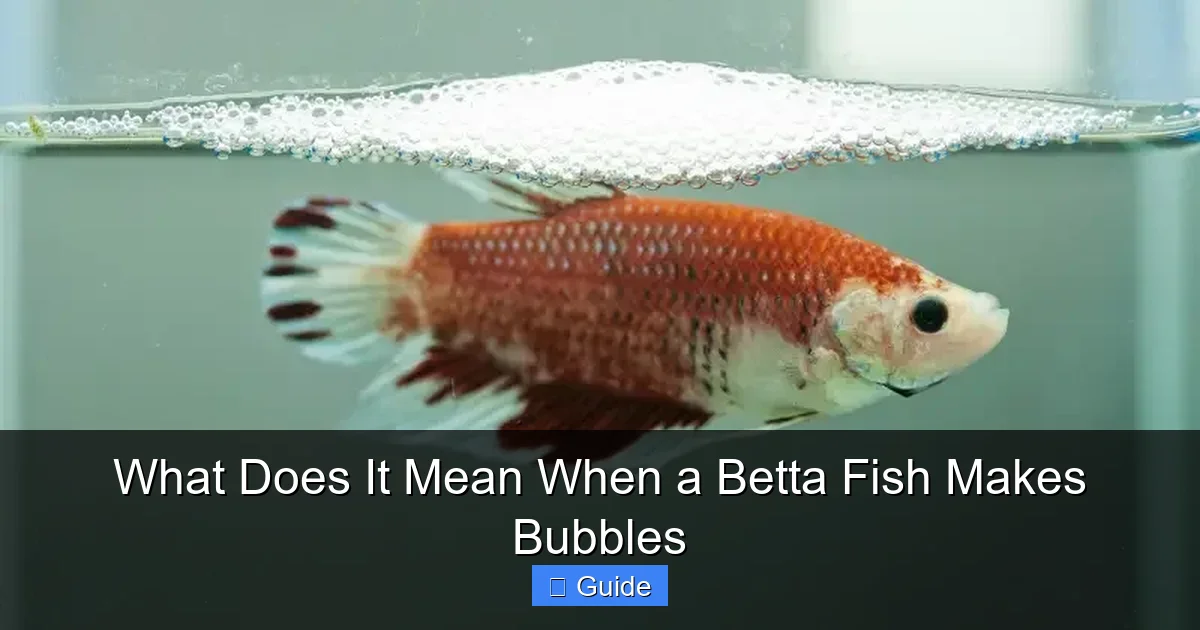
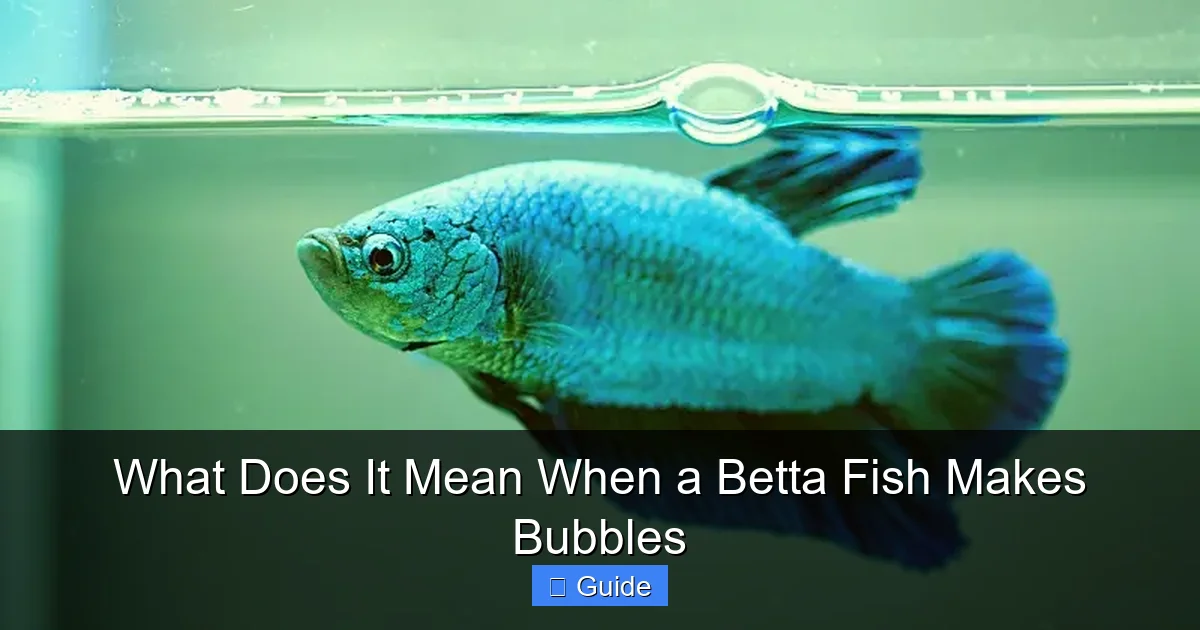
When a betta fish makes bubbles, it is almost always building a bubble nest. This instinctual behavior, where the fish gulps air and spits out coated bubbles at the water’s surface, is a primary sign of a healthy, happy male (or occasionally female) betta. It indicates good water conditions, proper temperature, and a sense of security. While bubble nests are typically a positive sign linked to breeding instinct, they are not a guarantee of imminent spawning. Understanding this behavior helps you provide optimal care and interpret your aquatic pet’s well-being.
Key Takeaways
- Understanding what does it mean when a betta fish makes bubbles: Provides essential knowledge
📑 Table of Contents
- The Enigmatic Surface: An Introduction to Betta Bubble Behavior
- The Science of the Spit: How and Why Betta Fish Build Bubble Nests
- Decoding the Nest: What a Bubble Nest Says About Your Betta’s World
- Bubble Nest vs. Breathing: Recognizing Normal vs. Alarming Surface Activity
- Your Role as a Keeper: How to Respond to Your Betta’s Bubble Nest
- Bubble Nests and Breeding: The Connection and the Reality
- Conclusion: A Window into the Wild
The Enigmatic Surface: An Introduction to Betta Bubble Behavior
There is something mesmerizing about watching your betta fish hover at the water’s surface, delicately expelling a stream of tiny, glistening bubbles. It’s a quiet, almost hypnotic ritual that can leave a new betta owner puzzled. “Is he okay?” “Is something wrong with the water?” “What on earth is he doing?” These are common questions. The short answer is one of the most fascinating aspects of betta fish biology: when a betta fish makes bubbles, it is almost certainly building a bubble nest.
This behavior is a deep-seated instinct, a direct link to their wild ancestors who lived in the shallow, warm, oxygen-poor waters of Southeast Asia. In those environments, bubble nests provided a safe, oxygen-rich platform for eggs to develop, protecting them from predators and silt. Your pet betta, despite generations of captive breeding, retains this powerful drive. Seeing this behavior in your aquarium isn’t just a quirky trick; it’s a profound communication. It’s your betta’s way of saying, “I feel safe, I am healthy, and my environment is suitable.” This guide will dive deep into the science, significance, and care implications of betta bubble nests, transforming that curious surface activity into a clear window into your fish’s world.
The Science of the Spit: How and Why Betta Fish Build Bubble Nests
To truly understand what it means when a betta makes bubbles, we must explore the mechanics and the motivation behind this intricate process.
Visual guide about What Does It Mean When a Betta Fish Makes Bubbles
Image source: infishtank.com
The Biological Mechanics: A Labored Labor of Love
Building a bubble nest is not a passive activity; it’s a deliberate and energy-intensive task. The process begins with the betta swimming to the surface and taking a gulp of air. Unlike fish that rely solely on dissolved oxygen in the water through their gills, bettas possess a specialized respiratory organ called the labyrinth organ. This structure, developed from a modified gill chamber, allows them to breathe atmospheric air directly. It’s an adaptation that lets them survive in stagnant, low-oxygen waters.
Once the betta has gulped the air bubble, it returns to the surface, often near a plant leaf, the corner of the tank, or under a filter outflow. It then uses its mouth to carefully coat the air bubble with a sticky, mucus-like secretion produced by special glands. This mucus is the magic ingredient—it increases surface tension and viscosity, allowing the bubble to resist popping immediately. The betta then spits this coated bubble out, where it floats and adheres to the chosen spot or to other bubbles already laid down. Over hours or even days, a dedicated betta will meticulously construct a structure that can range from a few scattered bubbles to a thick, sprawling mat covering several square inches of the water’s surface.
The Evolutionary “Why”: Instinct Over Intelligence
It’s crucial to remember that your betta is not consciously thinking, “I shall now build a nursery for my future offspring.” The drive is primal and hormonal, triggered by a combination of environmental factors. In the wild, after a male betta courts a female and she releases her eggs, he immediately fertilizes them and uses his mouth to place each fertilized egg into the protective bubble nest. He then guards the nest vigilantly, fanning it to provide oxygen and keep it clean until the fry (baby bettas) hatch and become free-swimming.
The nest-building instinct is so strong that it can be activated by optimal conditions alone. The right water temperature (78-80°F or 25.5-26.5°C is ideal), pristine water quality, and a sense of territorial security can all trigger this behavior. It’s a sign that your betta’s internal systems are humming along smoothly; it has the surplus energy to devote to this non-essential, instinctual project. Therefore, a bubble nest is one of the most reliable visual indicators of a thriving betta fish.
Decoding the Nest: What a Bubble Nest Says About Your Betta’s World
Not all bubble nests are created equal. The size, location, and persistence of the nest can offer subtle clues about your betta’s state of mind and the tank environment.

Visual guide about What Does It Mean When a Betta Fish Makes Bubbles
Image source: infishtank.com
Size and Structure: From Dainty to Grandiose
You might see a tiny, sparse cluster of bubbles, barely covering a dime-sized area. This could be from a young betta, an older fish with less energy, or a female who has dabbled in the behavior. Conversely, you might be greeted by a massive, thick blanket of bubbles spanning a corner of the tank, often anchored to a live plant leaf, a piece of decor, or the underside of a lid. This is the work of a robust, confident male in prime condition. The size generally correlates with the fish’s health, age, and hormonal drive. A sudden increase in nest size after a tank upgrade or water change is a great sign that your betta is adapting well.
Location, Location, Location
Bettas are strategic architects. They prefer calm water surfaces, away from strong currents that would disrupt their delicate structure. You’ll often find nests in tank corners, under filter outflows that create a gentle, oxygenated ripple (but not a torrent), or anchored to the broad leaves of plants like Anubias or Java Fern. If your betta builds a nest directly under the filter spillway, it’s utilizing that slight water movement for extra oxygen. If it’s in a completely still corner, it’s seeking maximum stability. A nest built right at the waterline on the tank glass is also common. The location choice reflects the betta’s assessment of the safest, most stable spot for its hypothetical future eggs.
The Trigger Trio: Temperature, Water Quality, and Security
Three primary environmental factors are the key to nest-building:
- Temperature: Bettas are tropical fish. Consistently warm water (78-80°F / 25.5-26.5°C) mimics their native habitat and stimulates metabolic and breeding activity. A sudden drop in temperature can halt nest-building.
- Water Quality: This is paramount. Bettas are sensitive to ammonia, nitrite, and high nitrate levels. A betta building a nest is, in effect, voting of confidence in the water parameters. It means the water is clean, well-filtered (but not cycled too strongly), and properly maintained. Poor water quality will either prevent nest-building or cause the fish to abandon any attempt.
- Security & Territory: A betta needs to feel like the undisputed king or queen of its domain. This means adequate tank size (minimum 5 gallons), appropriate tank mates (or being a solitary king), and hiding spots like plants, caves, or decorations. Stress from aggressive tank mates, bright lights, or constant disturbances will suppress natural behaviors like nest-building.
Bubble Nest vs. Breathing: Recognizing Normal vs. Alarming Surface Activity
While bubble nests are the most common form of surface bubbling, not all surface gulping is nest-building. It’s vital to distinguish between the two, as one is a sign of health and the other can be a red flag.
Visual guide about What Does It Mean When a Betta Fish Makes Bubbles
Image source: koiusa.co
The Bubble Nest: Deliberate and Decorative
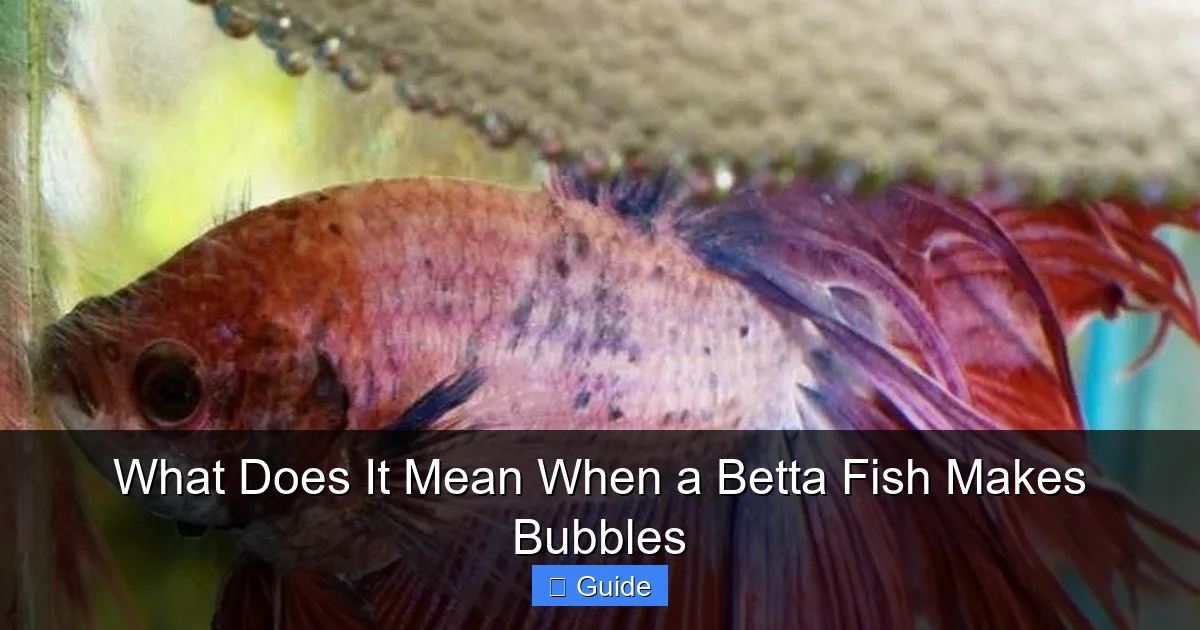
A betta constructing a nest exhibits a very specific behavior. It will gulp air, often pause for a second to coat it, then spit out a single bubble or a small cluster. It will repeat this action methodically in one chosen spot. The bubbles are typically larger, more uniform, and they stick together. The fish is focused, often working in short bursts over a long period. The resulting structure is organized and persistent. This is the positive, instinctual behavior we’ve been discussing.
Gasping for Air: A Sign of Distress
In contrast, a betta that is gasping at the surface exhibits frantic, desperate behavior. It may be swimming erratically, constantly returning to the surface to take multiple, rapid gulps of air without the deliberate “spitting” motion of nest-building. The gill covers (opercula) may be flared rapidly. This is not nest-building; this is a sign that the fish is struggling to breathe. The most common causes are:
- Severely Oxygen-Depleted Water: Despite having a labyrinth organ, bettas still rely on dissolved oxygen in the water for a significant portion of their respiration. Extremely poor water quality or a complete lack of surface agitation (which facilitates gas exchange) can force them to rely too heavily on atmospheric air, leading to distress.
- Extreme Water Pollution: High levels of ammonia, nitrite, or other toxins damage the gills, making it impossible for the fish to extract oxygen efficiently from the water. They gasp at the surface in a futile attempt to get enough air.
- Swim Bladder Disorder: A constipated or infected betta may have difficulty maintaining buoyancy and may float to the surface and be unable to dive, appearing to gasp when it’s actually just stuck.
- Gill Disease or Damage: Any condition affecting the gills directly impairs oxygen uptake.
If you see frantic, constant gasping—especially if accompanied by lethargy, clamped fins, or paling—it is an emergency. Test water parameters immediately (ammonia, nitrite, nitrate, pH), perform a partial water change with dechlorinated water at the correct temperature, check filter flow (it should not be too strong), and consider a consultation with an aquatic vet.
Your Role as a Keeper: How to Respond to Your Betta’s Bubble Nest
Discovering a bubble nest in your tank should be a moment of pride—it means you’re doing something right. Your response, however, is critical.
The Golden Rule: Do Not Destroy It
This is the single most important piece of advice. It can be tempting, especially if the nest is in an inconvenient spot (like covering half the water surface), to scoop it out or perform a water change that wipes it away. Resist this urge. For your betta, that nest is the culmination of hours of work and a symbol of its security and well-being. Destroying it is a profound violation of its territory and can cause significant stress. A stressed betta may become listless, lose its appetite, and its vibrant colors may fade. It may even rebuild the nest, wasting precious energy, or in extreme cases, become susceptible to disease. Think of it like someone coming into your home and demolishing a carefully built project you were proud of. It’s deeply upsetting.
How to Work WITH the Nest
Instead of destruction, adapt. If the nest is blocking too much surface area, you can very gently move one or two of the anchoring items (like a plant leaf) to a different spot. Often, the betta will simply rebuild in the new location. During water changes, pour the new water slowly down the side of the tank or over a decoration to avoid direct impact on the nest. Use a cup to temporarily remove some of the nest bubbles if you absolutely must clear space for feeding, and place them gently back afterward. The goal is to show respect for your betta’s work while maintaining tank functionality.
Optimizing the Environment for Continued Success
A betta that builds a nest is a betta you want to keep happy. Use this as motivation to maintain excellent conditions:
- Maintain impeccable water quality: Stick to a regular schedule of partial water changes (25-50% weekly), using a water conditioner to remove chlorine and chloramines. A tested, cycled filter is essential.
- Provide ideal temperature: Use a reliable aquarium heater and a thermometer to ensure a stable 78-80°F. Temperature fluctuations are a major stressor.
- Offer gentle filtration: A sponge filter is often ideal for bettas, providing biological filtration and gentle surface agitation without creating a current that would destroy nests or stress the fish. If using a hang-on-back or canister filter, baffle the outflow with a sponge or adjust the flow to a minimum.
- Enrich the habitat: Provide floating plants (real or silk) and broad-leafed plants. These are the preferred anchor points for nests and also provide security and reduce stress. Indian Almond Leaves are excellent for this, also providing beneficial tannins.
- Ensure proper nutrition: A high-quality, varied diet (pellets, frozen or live foods like brine shrimp or daphnia) supports the high energy output of nest-building.
Bubble Nests and Breeding: The Connection and the Reality
Because bubble nests are intrinsically linked to reproduction, many owners automatically assume a nest means their betta is ready to spawn or is trying to mate. The reality is more nuanced.
The Nest is Preparation, Not Invitation
A male betta building a nest is in a state of breeding readiness. His body is producing the hormones that drive this behavior. However, this is a solo project. It is not a direct signal to a female (unless one is present in the same tank, which is almost always a fatal mistake without extreme precautions). The nest is a subconscious, preparatory act. He is, in his own way, getting his “nest” in order. The presence of a receptive female is the final trigger that will activate the full courtship and spawning ritual.
If You Want to Breed: The Nest is Your Green Light
If you are considering breeding your bettas, a well-established bubble nest from the male is a very good first sign. It shows he is hormonally primed and in good condition. When you introduce a plump, receptive female (who will often show vertical light-colored bars called “breeding bars”), the male will typically flare at her, display his fins, and lead her to the nest. The spawning dance then begins. A male without a nest is less likely to be a successful, attentive parent, as he may not have the strong paternal instinct activated.
For the Casual Owner: It’s Not a Countdown
For most betta owners, the nest is simply a sign of health. Your solitary male could build a magnificent nest every week for months with no female ever in sight. It’s a harmless, fascinating behavior. Do not feel obligated to find a mate. Breeding bettas is a complex, resource-intensive process that requires separate rearing tanks for the fry and significant expertise. Enjoy the nest for what it is: a testament to your good care. If you ever do decide to breed, you’ll know your male is already halfway prepared.
Conclusion: A Window into the Wild
When your betta fish makes bubbles at the surface, it is performing one of the most ancient and beautiful rituals in the aquatic world. It is a direct echo of its wild ancestors, a behavior unchanged by centuries of domestication. This bubble nest is more than just a collection of foam; it is a declaration. It declares that the water is clean, the temperature is warm, the world is calm, and the betta is strong. It is the highest compliment a betta can pay its keeper.
By understanding this behavior, you move beyond simply feeding a pet to truly interpreting the language of your fish. You learn to see the nest not as a mess to be cleaned, but as a masterpiece to be respected. Your role is to sustain the conditions that allowed it to be built: consistent warmth, crystal-clear water, a peaceful territory, and a nutritious diet. In doing so, you don’t just keep a betta; you provide a kingdom worthy of a king or queen. So the next time you see those tiny bubbles rising, smile. Your betta is not just making bubbles. It is telling you, in its own silent way, that all is well in its watery world.
Frequently Asked Questions
Is it normal for a betta fish to make bubbles all the time?
Yes, it is completely normal and positive. A betta that frequently builds or maintains bubble nests is demonstrating excellent health, proper water conditions, and a secure environment. It’s a sign of a thriving fish.
Does a bubble nest mean my betta is ready to breed?
It means your male betta is in a state of breeding readiness and his instincts are activated. However, the nest itself is a preparatory act. He will only attempt to spawn with a physically receptive female present. The nest is a good sign he *could* be a good father, but it is not an immediate call for a mate.
Should I remove or clean the bubble nest from my betta tank?
No, you should never intentionally destroy a bubble nest. It is a source of pride and security for your betta. Destroying it causes significant stress. Instead, gently work around it during water changes and consider moving an anchoring plant leaf if the nest blocks too much surface area.
Can female betta fish make bubble nests?
Yes, though it is much less common than in males. Dominant or particularly robust female bettas, especially those in excellent condition, may build small, simple bubble clusters. It’s still a sign of good health.
What’s the difference between a betta building a bubble nest and gasping for air?
Nest-building is a deliberate, methodical process of gulping, coating, and spitting single bubbles in one spot. Gasping is frantic, constant gulping at the surface with flared gills, often paired with lethargy. Gasping indicates poor water quality, low oxygen, or illness and requires immediate attention.
My betta stopped making bubbles. Should I be worried?
Not necessarily. Bubble nest building can be seasonal or triggered by specific environmental cues. A temporary pause isn’t automatically alarming. However, if the cessation is paired with other signs like lethargy, loss of appetite, faded colors, or clamped fins, you should immediately test your water parameters (ammonia, nitrite, nitrate, temperature) and review your tank conditions.