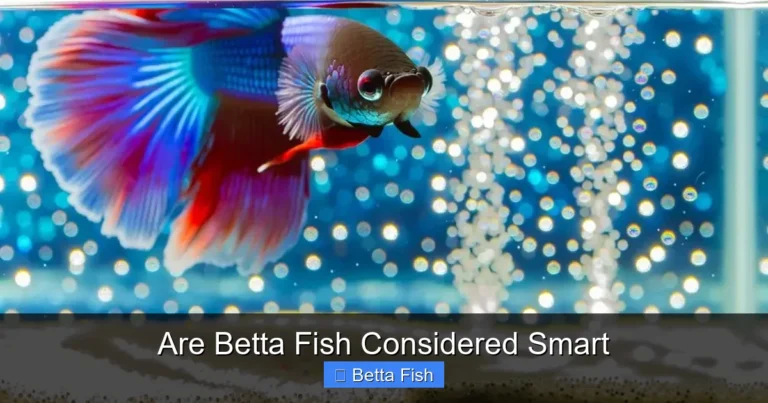
What Do You Need for Betta Fish
Keeping a betta fish is simple when you know exactly what you need. From the right tank size and water conditions to proper diet and décor, this guide covers all the essentials so you can enjoy a thriving, colorful companion.
Key Takeaways
- Understanding what do you need for betta fish: Provides essential knowledge
📑 Table of Contents
Introduction: Why the Right Setup Matters
Thinking about adding a betta fish to your home? These little marvels are famous for their dazzling fins and feisty personalities, but they also have specific needs. When you answer the question “what do you need for betta fish,” the answer goes beyond a simple bowl. A proper setup keeps your fish healthy, reduces stress, and lets you enjoy its natural behaviors for years.
In this friendly, step‑by‑step guide we’ll walk through every piece of equipment, water condition, and care routine you’ll need. Imagine chatting with a fellow hobbyist over coffee—simple language, clear tips, and plenty of real‑world examples. By the end, you’ll have a complete checklist and the confidence to create a thriving betta habitat.
1. Choosing the Right Tank
Size: Bigger Is Better
The myth of the “tiny bowl” still lingers, but a betta’s health skyrockets in a larger space. Aim for at least a 5‑gallon tank; larger tanks (10 gallons or more) provide even more stability and room to explore. A bigger volume dilutes waste, making water parameters easier to maintain.
Shape and Material
Glass tanks give a clear view, while acrylic is lighter and less likely to break. Both work fine—choose what fits your space. Avoid long, narrow “long‑tank” designs; a wider footprint offers more horizontal swimming room, which bettas appreciate.
Cover and Lid
Betta fish are jumpers. A secure lid or mesh cover prevents escapes while still allowing airflow. If you use a hood light, make sure there’s a small opening for ventilation.
2. Water – The Foundation of Health
What Type of Water Do You Use?
Tap water is fine as long as you treat it with a water conditioner that removes chlorine and chloramine. Conditioned water mimics the soft, slightly acidic environment bettas thrive in. For more detailed guidance, see our article on what type of water you use for betta fish.
Temperature: Keep It Cozy
Betta fish are tropical and love warm water. Aim for 76‑82 °F (24‑28 °C). A reliable submersible heater is essential in most homes; even a small temperature dip can stress your fish. Learn more about heating needs in our post do I need a heater for betta fish.
pH and Hardness
Maintain a pH between 6.5 and 7.5. Use a test kit weekly to monitor. Soft water (low hardness) is ideal, but bettas adapt to moderate hardness if changes are gradual.
Filtration: Gentle Is Key
While bettas can survive without a filter, a low‑flow sponge filter helps keep ammonia low without creating a strong current that can stress the fish. Change filter media monthly.
3. Essential Equipment Checklist
- Tank (5+ gallons): Provides space and stability.
- Heater (50‑100 W): Maintains consistent temperature.
- Thermometer: Verify temperature daily.
- Filter (sponge or hang‑on‑back): Keeps water clean.
- Lid or hood: Prevents jumping.
- Lighting: 8‑10 hours a day; LED strips work well.
- Water conditioner: Dechlorinates tap water.
- Test kit: Checks ammonia, nitrite, nitrate, pH.
- Substrate (optional): Soft sand or fine gravel.
- Plants & décor: Live or silk plants, caves, and driftwood.
4. Creating a Comfortable Environment
Substrate and Decorations
A soft substrate protects delicate fins. Add live plants like Anubias or Java fern—they absorb nitrates and provide hiding spots. If live plants are not an option, silk plants are a safe alternative; avoid plastic leaves that can tear fins.
Hiding Places
Betta fish love to claim a territory. A small cave, PVC pipe, or coconut shell gives a sense of security and reduces aggression. Position décor to create open swimming lanes.
Lighting and Day/Night Cycle
Consistent lighting mimics natural sunrise‑sunset patterns. Use a timer to provide 8‑10 hours of light, then darkness. Sudden changes can stress your betta.
5. Feeding Your Betta Properly
Quality Pellets
High‑protein betta pellets should be the staple. Look for products with at least 30 % protein and no fillers. Feed 2‑3 pellets once or twice daily; remove uneaten food after 5 minutes.
Live and Frozen Treats
Occasional treats like daphnia, bloodworms, or brine shrimp keep colors vibrant. Freeze‑thaw these foods to reduce disease risk. Limit treats to once a week.
Feeding Schedule
Betas have small stomachs—overfeeding leads to constipation and cloudy water. A good rule: feed what they can eat in 2‑3 minutes.
6. Ongoing Care and Maintenance
Water Changes
Change 25‑30 % of the water weekly. Use a gravel vacuum to remove debris, then refill with conditioned water at the same temperature. This routine keeps nitrate levels low and prevents algae blooms.
Testing and Monitoring
Test the water weekly for ammonia, nitrite, nitrate, and pH. If any parameter spikes, perform a partial water change and check your filter.
Health Checks
Look for signs of stress: faded colors, clamped fins, rapid breathing, or loss of appetite. Early detection makes treatment easier. For more on spotting problems, read how do you know if your betta fish is dying.
Conclusion: Your Betta’s Happy Home Starts Here
Answering “what do you need for betta fish” is more than a shopping list—it’s a roadmap to a thriving, vibrant companion. By selecting the right tank, maintaining warm, clean water, providing gentle filtration, and offering a balanced diet, you set the stage for a healthy, colorful betta that will brighten your space for years.
Remember, consistency is key. Small, regular steps—weekly water changes, daily temperature checks, and proper feeding—create a stress‑free environment. With the checklist above and a little love, you’ll watch your betta flourish, flaunting its fins and showing off its personality.
Frequently Asked Questions
What size tank is best for a single betta fish?
A minimum of 5 gallons is recommended. Larger tanks provide more stable water parameters and space for swimming.
Do betta fish need a heater?
Yes. Betta fish thrive at 76‑82 °F (24‑28 °C). A reliable heater keeps the temperature steady, especially in cooler rooms.
Can I keep live plants with my betta?
Absolutely. Live plants improve water quality and give your betta places to explore. Choose low‑light species like Java fern or Anubias.
How often should I feed my betta?
Feed 2‑3 small pellets once or twice daily, removing any uneaten food after a few minutes. Treats can be given once a week.
Do bettas need a filter?
While not mandatory, a gentle filter (such as a sponge filter) makes water maintenance easier and keeps ammonia low.
What water parameters are safest for bettas?
Maintain a temperature of 76‑82 °F, pH 6.5‑7.5, and keep ammonia and nitrite at 0 ppm. Regular testing ensures these levels stay stable.