What Does a Betta Fish Look Like When It’s Dead

Seeing a betta fish limp or floating can be heartbreaking. This guide explains exactly what a dead betta looks like, why those changes happen, and what you should do next to handle the situation responsibly.
Key Takeaways
- Physical signs are clear: limp fins, clouded eyes, and a lifeless body are the main clues.
- Floating vs. sinking: a dead betta may float at first, then sink as decomposition progresses.
- Immediate steps matter: remove the fish, check water parameters, and consider a water change.
- Proper disposal is essential: learn humane ways to dispose of a dead betta.
- Prevention helps: regular tank maintenance and monitoring can reduce mortality.
- Know the difference: distinguish death from temporary states like shock or sleep.
- Seek help when needed: consult a vet or experienced hobbyist if you’re unsure.
📑 Table of Contents
- Introduction: Facing the Unthinkable
- 1. Recognizing the Visual Signs of Death
- 2. Why These Changes Happen
- 3. What to Do Immediately After You Find a Dead Betta
- 4. Differentiating Death from Other Conditions
- 5. Prevention: Keeping Your Betta Healthy Longer
- Conclusion: Turning a Sad Moment Into Better Care
Introduction: Facing the Unthinkable
Betta fish are tiny bursts of color that bring joy to any room. When one suddenly stops moving, it can feel like a small tragedy. You might wonder, “what does a betta fish look like when it’s dead?” The answer isn’t always obvious, especially for new owners who aren’t familiar with the subtle signs of death.
In this article we’ll walk through every visual cue, explain why the changes happen, and give you a step‑by‑step plan for handling the situation. By the end, you’ll be able to tell the difference between a sleeping betta, a stressed betta, and a truly lifeless one.
1. Recognizing the Visual Signs of Death
1.1 Limp, Floppy Fins
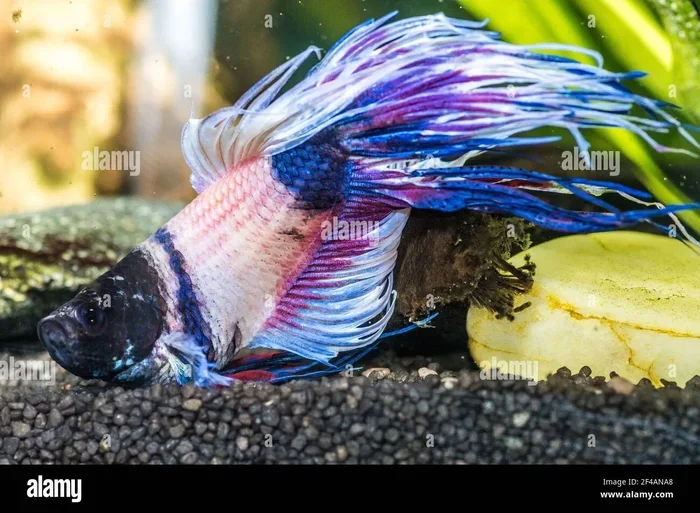
A living betta’s fins are always alive—tiny muscles twitch, and the famous “veil” flows with every breath. When a betta dies, the fins become limp, hanging straight down without any movement. This is the most immediate visual cue.
1.2 Cloudy or Sunken Eyes
Healthy bettas have bright, clear eyes that reflect light. After death, the eyes often turn milky, cloudy, or even sink into the head. If you notice a loss of eye clarity, it’s a strong indicator of death.
1.3 Lack of Gill Movement
Watch the gill covers (opercula). A living betta will constantly open and close them, even when it’s resting. No movement at all means the fish is no longer breathing.
1.4 Body Position and Color Change
Many owners report that a dead betta’s colors become dull or fade. The body may also become slightly bloated as gases build up during decomposition. This is normal and part of the natural process.
1.5 Floating or Sinking?
Immediately after death a betta might float because of trapped air in the swim bladder. Within a few hours to a day, the body often sinks as gases escape. For a deeper look at buoyancy after death, see our article When A Betta Fish Dies Does It Float.
2. Why These Changes Happen
2.1 Loss of Muscle Tone
When the heart stops, blood no longer circulates, and muscles lose the oxygen they need. This causes the fins and tail to become floppy.
2.2 Decomposition Gases
Microorganisms break down tissues, producing gases that can cause the body to swell and float. As the gases escape, the fish will sink.
2.3 Eye Clouding Explained
The lenses of a betta’s eyes are filled with clear fluid. After death, this fluid can become cloudy as cells break down, giving the eyes a milky appearance.
2.4 Color Fading
Betta pigments rely on oxygenated blood to appear vibrant. Without circulation, pigments lose their intensity, making the fish look pale.
3. What to Do Immediately After You Find a Dead Betta
3.1 Remove the Fish from the Tank
Gently lift the fish with a soft net or a spoon. Place it in a container with a lid to prevent any accidental spills.
3.2 Check Water Parameters
Use a test kit to check ammonia, nitrite, nitrate, and pH. Bad water quality is a common cause of sudden death. If any values are out of range, perform a partial water change.
3.3 Perform a Quick Tank Inspection
- Look for broken decorations that could have injured the fish.
- Make sure the heater is not overheating.
- Confirm the filter is running properly.
3.4 Decide on Disposal
There are several humane ways to say goodbye. You can bury the fish in a small garden plot, wrap it in a biodegradable bag and place it in the trash, or opt for a pet cremation service. For a step‑by‑step guide, read How To Dispose Of A Dead Betta Fish.
3.5 Give Yourself a Moment
It’s okay to feel sad. Take a few minutes to reflect, then decide if you want to keep the tank for another fish or start fresh.
4. Differentiating Death from Other Conditions
4.1 Sleep vs. Death
Betta fish do rest, often hovering near the bottom with barely moving gills. However, even sleeping bettas will show slight gill movement and have bright eyes. If the eyes are cloudy and the fins limp, death is more likely.
4.2 Shock or Stress
Sudden temperature changes, a new tank, or aggressive tank mates can cause shock. A shocked betta may appear lifeless but can recover with proper care. Look for signs of rapid breathing or frantic fin flaring. Learn more about stress signals in What Does It Mean When A Betta Fish Flares.
4.3 Disease Indicators
Some illnesses cause a betta to become very still, with faded colors and clamped fins. If you suspect disease, compare your fish to the guide What Does A Sick Betta Fish Look Like. Early detection can sometimes save a fish, but once the gills stop moving, the fish is dead.
5. Prevention: Keeping Your Betta Healthy Longer
5.1 Regular Water Changes
Changing 25‑30% of the water weekly keeps ammonia low and maintains stable pH.
5.2 Monitoring Temperature
Betta fish thrive at 78‑80°F (25‑27°C). Use a reliable heater and thermometer to avoid overheating or chilling.
5.3 Proper Feeding
Feed high‑quality betta pellets once or twice daily, and avoid overfeeding, which can foul the water.
5.4 Tank Size and Decoration
A 5‑gal tank with gentle plants provides enough space for swimming and hiding. Avoid sharp ornaments that can tear fins.
5.5 Observation Routine
Spend a few minutes each day watching your betta. Early detection of changes in behavior or appearance can prevent death.
Conclusion: Turning a Sad Moment Into Better Care
Finding out what does a betta fish look like when it’s dead can be painful, but knowing the signs helps you act quickly and responsibly. By recognizing limp fins, cloudy eyes, and lack of gill movement, you can confirm death and move forward with proper disposal and tank adjustments. Most importantly, use the experience to improve your husbandry practices, keeping future bettas healthier and happier.
Frequently Asked Questions
How long does a dead betta fish stay floating?
Usually a few hours to a day. The fish may float because of air trapped in the swim bladder, then sink as gases escape.
Can a betta fish appear dead but actually be alive?
Rarely, a betta may be in a deep shock state with very faint gill movement. Check for any subtle breathing and look for clear eyes before assuming death.
What should I do with the water after a betta dies?
Perform a partial water change to remove any toxins released from decomposition, and test the water parameters before adding a new fish.
Is it safe to bury a dead betta in my garden?
Yes, as long as you bury it at least 12 inches deep and avoid areas with edible plants to prevent any contamination.
How can I tell if my betta died from disease?
Look for prior signs such as white spots, frayed fins, or abnormal swimming. Comparing those signs with the article on sick bettas can help you identify the cause.
Should I clean the entire tank after a betta dies?
It’s a good idea to clean the tank, replace the substrate if it’s contaminated, and disinfect decorations. This reduces the risk of disease for any future fish.