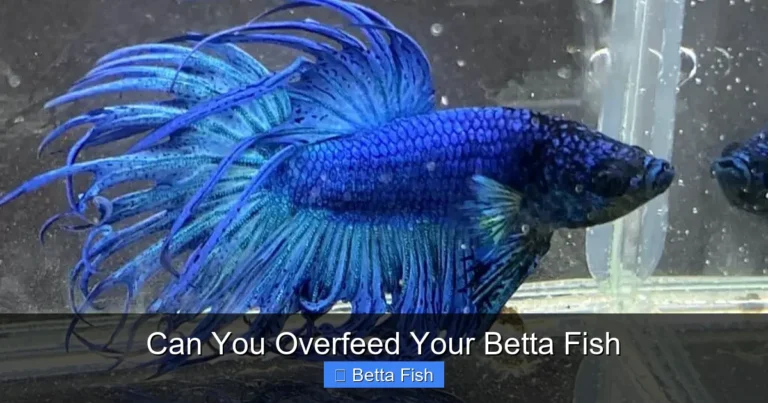
Can Betta Fish Survive in Warm Waters
Betta fish are tropical creatures that thrive in warm water, but there’s a limit to how much heat they can handle. While they prefer temperatures between 76°F and 82°F, water that’s too warm can cause serious health problems and even death. Understanding the right temperature balance is essential for keeping your betta fish happy, active, and long-lived.
Key Takeaways
- Betta fish are tropical: They naturally thrive in warm water temperatures between 76°F and 82°F (24°C–28°C).
- Too warm is dangerous: Temperatures above 86°F can cause oxygen depletion, stress, and a shortened lifespan for betta fish.
- Consistent temperature matters: Sudden temperature fluctuations are more harmful than a slightly imperfect but stable temperature.
- Warm water holds less oxygen: As water temperature rises, dissolved oxygen levels drop, making it harder for betta fish to breathe comfortably.
- Signs of heat stress: Lethargy, loss of appetite, rapid gill movement, and unusual swimming patterns indicate your betta is too warm.
- A heater is essential: Using an adjustable aquarium heater with a thermostat is the best way to maintain a stable, warm environment.
- Room temperature isn’t enough: Most homes are cooler than the ideal range, so relying on ambient room heat alone can leave your betta in water that’s too cold.
📑 Table of Contents
- Can Betta Fish Survive in Warm Waters? The Complete Guide
- Understanding the Natural Habitat of Betta Fish
- The Ideal Temperature Range for Betta Fish
- The Science Behind Warm Water and Betta Fish Health
- Signs Your Betta Fish Is Too Warm
- How to Maintain the Perfect Temperature for Your Betta
- Common Myths About Betta Fish and Warm Water
- Frequently Asked Temperature Questions
- Creating the Perfect Warm Water Environment
- Conclusion
Can Betta Fish Survive in Warm Waters? The Complete Guide
If you’ve ever watched a betta fish glide gracefully through its tank, you’ve probably wondered about the kind of environment these stunning creatures need to stay healthy. One of the most common questions new and experienced betta keepers ask is whether betta fish can survive in warm waters. It’s a great question, and the answer is a little more nuanced than a simple yes or no.
Betta fish are among the most popular freshwater aquarium fish in the world. Their flowing fins, vibrant colors, and bold personalities make them a favorite for beginners and seasoned aquarists alike. But behind that beauty lies a fish with very specific environmental needs. Temperature is one of the most critical factors in betta fish care, and getting it wrong can have serious consequences.
In this guide, we’ll dive deep into everything you need to know about betta fish and warm water. We’ll explore their natural habitat, the ideal temperature range, what happens when water gets too warm, and practical tips to create the perfect home for your finned friend. Whether you’re setting up your first betta tank or looking to optimize an existing setup, this article has you covered.
Understanding the Natural Habitat of Betta Fish
Where Do Betta Fish Come From?
To understand whether betta fish can survive in warm waters, it helps to look at where they originated. Betta fish, scientifically known as Betta splendens, are native to Southeast Asia. They’re found in countries like Thailand, Cambodia, Vietnam, Laos, and Malaysia. In the wild, they inhabit shallow, slow-moving bodies of water such as rice paddies, marshes, floodplains, and small ponds.
These environments are naturally warm. The tropical climate of Southeast Asia means that water temperatures in these regions typically stay between 75°F and 86°F throughout the year. There’s very little seasonal variation, so betta fish have evolved to thrive in consistently warm conditions. This is why they’re classified as tropical fish.
How Wild Conditions Shape Betta Care
The natural habitat of betta fish tells us a lot about their care requirements. In the wild, these fish live in shallow water that heats up quickly under the tropical sun. However, the water isn’t stagnant. Rainfall, plant coverage, and the sheer volume of water in rice paddies and marshes help moderate extreme temperatures.
Here’s the important distinction: while betta fish are adapted to warm water, they’re not adapted to excessively hot water. In their natural environment, temperatures rarely spike to dangerous levels for extended periods. When they do, the fish can move to deeper or shaded areas to cool down. In a home aquarium, your betta doesn’t have that luxury. The temperature of the entire tank is what it is, and your fish has to deal with it.
This is why understanding the difference between “warm” and “too warm” is so important for betta fish owners. If you’re curious about how betta fish manage in different living conditions, you might also want to explore whether betta fish can live in a bowl, since container size directly affects temperature stability.
The Ideal Temperature Range for Betta Fish
What Temperature Do Betta Fish Prefer?
The sweet spot for betta fish is a water temperature between 76°F and 82°F (24°C–28°C). Within this range, betta fish are at their most active, their immune systems function optimally, and their metabolism runs at a healthy pace. Colors tend to be more vibrant, appetites are strong, and overall behavior is what you’d expect from a happy, healthy fish.

Visual guide about Can Betta Fish Survive in Warm Waters
Image source: static.vecteezy.com
Many experienced betta keepers aim for the middle of this range, around 78°F to 80°F, as a target. This gives a small buffer on either side, so minor fluctuations don’t immediately push the fish into uncomfortable territory.
What Happens Below the Ideal Range?
Before we talk about warm water, it’s worth noting what happens when the water is too cold. Betta fish are cold-blooded, meaning their body temperature matches their environment. When water drops below 76°F, their metabolism slows down. They become sluggish, lose their appetite, and their immune system weakens. Prolonged exposure to cold water can lead to diseases like ich and fin rot.
Temperatures below 70°F are particularly dangerous and can be fatal over time. This is why simply keeping a betta fish in a bowl at room temperature is often inadequate. Most homes are kept between 68°F and 72°F, which is too cool for a tropical fish. If you’re wondering about the specifics of bowl life, check out this article on why betta fish can live in a bowl and the important caveats involved.
What Happens Above the Ideal Range?
Now, let’s address the core question: what happens when the water is too warm? When temperatures climb above 82°F, several things start to go wrong. First, your betta’s metabolism speeds up. This might sound harmless, but a faster metabolism means the fish burns through energy more quickly, ages faster, and has a shorter lifespan overall.
Second, and perhaps more critically, warm water holds less dissolved oxygen. Betta fish have a special organ called a labyrinth organ that allows them to breathe air from the surface, which gives them a slight advantage over other fish. However, they still rely on dissolved oxygen in the water to some degree. When oxygen levels drop, your betta may gasp at the surface more frequently, and its gills will work harder to extract what little oxygen is available.
At temperatures above 86°F, the situation becomes critical. The combination of a racing metabolism, low oxygen, and increased bacterial growth creates a perfect storm for health problems. Betta fish exposed to prolonged high temperatures are more susceptible to infections, organ failure, and death.
The Science Behind Warm Water and Betta Fish Health
Oxygen Solubility and Temperature
One of the most important scientific principles to understand is the relationship between water temperature and dissolved oxygen. As water temperature increases, its ability to hold dissolved oxygen decreases. At 77°F, water can hold about 8.7 mg/L of dissolved oxygen. At 95°F, that drops to roughly 7.2 mg/L. That might not sound like a huge difference, but for a small fish in a small tank, it’s significant.
In a home aquarium, this effect is amplified. Smaller volumes of water heat up faster and lose oxygen more quickly. If your betta is living in a small bowl or tank without adequate surface agitation, the oxygen problem becomes even worse. This is one of the many reasons why proper tank setup matters so much for betta fish health.
Metabolic Rate and Lifespan
Fish are ectothermic, which means their metabolic rate is directly influenced by the temperature of their environment. Warmer water accelerates their metabolism, causing them to grow faster, eat more, and age more quickly. Studies on various fish species have consistently shown that individuals kept at higher temperatures within their tolerable range tend to have shorter lifespans.
For betta fish, this means that consistently keeping them at 82°F instead of 78°F could shave months off their life. The average betta fish lives between 3 and 5 years with proper care. But a betta kept in water that’s too warm might only live 2 to 3 years, even if everything else about its care is perfect.
Bacterial and Parasitic Growth
Warm water is a breeding ground for bacteria and parasites. Many common aquarium pathogens, including those that cause fin rot, columnaris, and ich, reproduce more rapidly at higher temperatures. This means that a betta fish living in water that’s too warm is not only stressed but also more vulnerable to disease.
This creates a dangerous feedback loop. The warm water stresses the fish, weakening its immune system. At the same time, the warm water promotes the growth of pathogens. The result is a fish that’s more likely to get sick and less able to fight off infection.
Signs Your Betta Fish Is Too Warm
Behavioral Changes
One of the first signs that your betta fish is too warm is a change in behavior. You might notice your fish is unusually lethargic, lying at the bottom of the tank, or hiding more than usual. Some bettas become hyperactive when the water is too warm, darting around the tank in an agitated manner. Both extremes of behavior can indicate temperature stress.
Loss of appetite is another common sign. If your betta suddenly stops eating or shows little interest in food, the water temperature could be the culprit. Bettas are typically enthusiastic eaters, so a disinterest in food is always worth investigating.
Physical Symptoms
Watch for rapid gill movement, which indicates your betta is struggling to get enough oxygen. You might also notice your fish spending more time at the surface, gasping for air. While bettas naturally breathe from the surface thanks to their labyrinth organ, excessive surfacing is a sign of distress.
Color changes can also occur. A stressed betta may lose some of its vibrant coloration, appearing dull or washed out. In severe cases, you might see red streaks on the body or fins, which can indicate ammonia poisoning or bacterial infection exacerbated by warm water conditions.
What to Do If Your Betta Is Overheating
If you suspect your betta fish is too warm, act quickly. First, check the water temperature with a reliable aquarium thermometer. If it’s above 84°F, you need to bring it down gradually. Never make sudden temperature changes, as this can shock your fish and cause additional stress.
To cool the water, you can float a small bag of ice in the tank, use a fan to blow across the water surface, or perform a partial water change with slightly cooler (but not cold) water. Aim to lower the temperature by no more than 2°F per hour until you’re back in the ideal range.
How to Maintain the Perfect Temperature for Your Betta
Choosing the Right Heater
The single most important piece of equipment for maintaining warm water for your betta fish is an aquarium heater. Not all heaters are created equal, so it’s worth investing in a quality adjustable heater with a built-in thermostat. This allows you to set your desired temperature and trust that the heater will maintain it consistently.
As a general rule, you need about 3 to 5 watts of heating power per gallon of water. So for a 5-gallon tank, a 25-watt heater is usually sufficient. For larger tanks, you might need a 50-watt or even 100-watt heater. Always choose a heater that’s appropriate for your tank size to avoid overheating.
Submersible heaters are generally the best choice for betta tanks. They’re easy to install, heat water evenly, and can be fully submerged. Place your heater near the filter output or in an area with good water circulation to ensure even heat distribution throughout the tank.
Using a Reliable Thermometer
Never rely on the heater’s built-in thermostat alone. Always use a separate aquarium thermometer to verify the actual water temperature. Digital stick-on thermometers are affordable and easy to read. Place the thermometer on the opposite side of the tank from the heater to get an accurate reading of the overall water temperature.
Check the temperature daily, especially during seasonal changes. Even with a good heater, fluctuations in room temperature can affect your tank’s water temperature. During summer months, you may need to adjust your heater settings or take additional steps to prevent overheating.
Tank Size and Temperature Stability
Larger tanks are more temperature-stable than smaller ones. A 10-gallon tank will hold its temperature much more consistently than a 2-gallon bowl. This is because larger volumes of water take longer to heat up and longer to cool down, providing a natural buffer against temperature swings.
If you’re currently keeping your betta in a small bowl, consider upgrading to a larger tank. Not only will temperature be easier to manage, but your betta will also have more space to swim and explore. A larger tank with a proper heater and filter creates a far healthier environment overall. For more on this topic, you can read about whether betta fish can live in a bowl without a filter and why filtration matters for water quality and temperature regulation.
Seasonal Considerations
Summer is the most challenging season for betta keepers. When room temperatures climb into the mid-80s or higher, your tank water can easily overheat, especially if you don’t have air conditioning. During hot weather, keep your tank away from windows and direct sunlight, which can cause rapid temperature spikes.
If you live in a warm climate, consider using a small fan to blow across the water surface. Evaporation cools the water naturally, and a gentle breeze can lower the temperature by a few degrees. You can also freeze water in plastic bottles and float them in the tank during heat waves as an emergency cooling measure.
Winter brings the opposite challenge. If your home gets cold at night, your tank temperature might drop significantly. Make sure your heater is powerful enough to keep up, and consider insulating the back and sides of the tank with foam board to reduce heat loss.
Common Myths About Betta Fish and Warm Water
Myth: Bettas Love Hot Water Because They’re Tropical
This is one of the most widespread misconceptions in the betta fish community. Yes, bettas are tropical fish, and yes, they need warm water. But “warm” doesn’t mean “hot.” The tropical waters where bettas originate are warm but not scorching. They’re typically in the high 70s to low 80s Fahrenheit, not the 90s.
Keeping your betta in water that’s too warm because you think “tropical means hot” is a mistake that can seriously harm your fish. Always aim for the 76°F to 82°F range, and remember that consistency is just as important as the actual number.
Myth: Bettas Can Adapt to Any Temperature
While betta fish are hardier than many people give them credit for, they cannot adapt to extreme temperatures. Their bodies are designed to function within a specific range. Pushing them outside that range causes chronic stress, which weakens their immune system and shortens their lifespan.
Some bettas may survive in less-than-ideal temperatures for a while, but survival isn’t the same as thriving. A betta that’s merely surviving will be dull in color, inactive, and prone to illness. A betta kept at the right temperature will be vibrant, active, and engaging.
Myth: Room Temperature Water Is Fine for Bettas
This myth persists because bettas are often sold in small cups and bowls without heaters. The reality is that most homes are kept at 68°F to 72°F, which is below the ideal range for betta fish. While a betta might not die immediately at room temperature, it will be stressed, sluggish, and more susceptible to disease.
If you’re serious about betta fish care, invest in a heater. It’s one of the most affordable and impactful pieces of equipment you can buy. Your betta will reward you with brighter colors, more activity, and a longer life.
Frequently Asked Temperature Questions
Can Betta Fish Live in 85-Degree Water?
85°F is at the very upper edge of what betta fish can tolerate. While they won’t die immediately at this temperature, prolonged exposure will cause stress and health problems. If your tank is consistently at 85°F, you should take steps to lower it. Adjust your heater, increase surface agitation, or use a fan to cool the water.
What’s the Maximum Temperature Betta Fish Can Survive?
The absolute maximum temperature a betta fish can survive is around 90°F to 95°F, but only for very short periods. At these temperatures, the fish is in severe distress and will likely suffer organ damage. Sustained temperatures above 86°F are considered dangerous and should be avoided at all costs.
Can Betta Fish Survive in Cold Water?
Betta fish can survive in water as cool as 70°F for short periods, but they won’t thrive. Below 70°F, their immune system begins to shut down, and they become vulnerable to diseases. Prolonged exposure to cold water is just as dangerous as prolonged exposure to water that’s too warm.
Creating the Perfect Warm Water Environment
Step-by-Step Tank Setup
Setting up the perfect warm water environment for your betta fish is easier than you might think. Here’s a step-by-step guide:

Visual guide about Can Betta Fish Survive in Warm Waters
Image source: i.guancha.cn
- Choose the right tank size. A minimum of 5 gallons is recommended for a single betta fish. Larger is always better for temperature stability and overall health.
- Install an adjustable heater. Set it to 78°F and let it run for 24 hours before adding your fish. Use a thermometer to verify the temperature.
- Add a gentle filter. Bettas prefer calm water, but a filter helps maintain water quality and promotes circulation, which distributes heat evenly.
- Use a lid or hood. This prevents excessive evaporation, which can cause temperature fluctuations, and also stops your betta from jumping out.
- Place the tank in a stable location. Avoid windows, heating vents, and areas with direct sunlight. Choose a spot where the room temperature stays relatively constant.
- Cycle the tank before adding your fish. This establishes beneficial bacteria that help maintain water quality, which is especially important in warm water where bacteria grow faster.
Monitoring and Maintenance
Once your tank is set up, ongoing maintenance is key to keeping the temperature stable. Check the thermometer daily. Perform weekly partial water changes (about 25%) with dechlorinated water that’s close to the tank temperature. Clean the filter monthly, and inspect the heater regularly for signs of wear or malfunction.
Keep a log of your tank temperature if you’re particularly diligent. This helps you spot trends and catch problems early. If you notice the temperature creeping up or down over time, investigate the cause before it becomes a serious issue.
Conclusion
So, can betta fish survive in warm waters? The answer is yes, but with an important caveat: the water needs to be warm, not hot. Betta fish thrive in temperatures between 76°F and 82°F, which mimics the warm, shallow waters of their natural habitat in Southeast Asia. Going above this range introduces a host of problems, from oxygen depletion to accelerated aging to increased disease risk.
The key to successful betta fish care is consistency. A stable temperature within the ideal range is far more important than hitting an exact number. Invest in a quality heater, use a reliable thermometer, and choose a tank size that promotes temperature stability. Your betta will reward you with vibrant colors, an active personality, and a long, healthy life.
Remember, keeping a betta fish isn’t just about survival. It’s about creating an environment where your fish can truly thrive. Temperature is one of the most fundamental aspects of that environment, and getting it right makes everything else easier. Whether you’re a first-time betta owner or a seasoned aquarist, paying attention to water temperature is one of the best things you can do for your fish.
Frequently Asked Questions
What is the best water temperature for betta fish?
The ideal water temperature for betta fish is between 76°F and 82°F (24°C–28°C). Most keepers aim for 78°F to 80°F as a comfortable middle ground that supports healthy metabolism, strong immunity, and vibrant coloration.
Can betta fish survive in 90-degree water?
Betta fish cannot survive for long in 90°F water. While they might endure it briefly, sustained exposure to such high temperatures causes severe stress, oxygen deprivation, organ damage, and potentially death. Temperatures should never exceed 86°F for extended periods.
Do betta fish need a heater in their tank?
Yes, betta fish absolutely need a heater. Most homes are kept at room temperature, which is typically between 68°F and 72°F, well below the ideal range for bettas. An adjustable aquarium heater with a thermostat is essential for maintaining a stable, warm environment.
How can I tell if my betta fish is too warm?
Signs that your betta fish is too warm include lethargy, loss of appetite, rapid gill movement, excessive surfacing for air, agitated swimming, and faded coloration. If you notice these symptoms, check your water temperature immediately and take steps to cool the tank gradually.
Is it better for betta water to be slightly too cool or slightly too warm?
Slightly too cool is generally less dangerous than slightly too warm. Cool water holds more oxygen and slows bacterial growth, while warm water does the opposite. However, both extremes cause stress, so the goal should always be to maintain a stable temperature within the 76°F to 82°F range.
Can betta fish live in tap water at room temperature?
While betta fish can physically survive in tap water at room temperature for a short time, it’s not ideal. Room temperature is usually too cool for bettas, and tap water often contains chlorine and chloramines that are harmful to fish. Always use a water conditioner and a heater to create the right environment.