Are Male Betta Fish Compatible with Guppies

Male bettas are naturally aggressive, especially toward colorful, fin‑nipping fish like guppies. While some hobbyists report calm cohabitation, success hinges on tank size, plenty of hiding spots, and careful monitoring. Read on for a step‑by‑step guide to decide if these two can share a home.
Key Takeaways
- Temperament matters: Male bettas are territorial and may chase guppies.
- Tank size is crucial: A minimum of 20 gallons helps reduce aggression.
- Provide plenty of cover: Plants, caves, and decorations give guppies safe zones.
- Monitor water parameters: Both species thrive at 76‑80 °F and pH 6.5‑7.5.
- Start with a “test tank”: Introduce a single guppy first to gauge the betta’s reaction.
- Consider alternatives: Peaceful companions like snails or shrimp may be safer.
- Know the signs: Flaring fins, chasing, and nipping indicate incompatibility.
📑 Table of Contents
Introduction: The Betta‑Guppy Question
If you’ve ever stared at a vibrant male betta flaunting its flowing fins and wondered whether those lively guppies could share the spotlight, you’re not alone. Many beginners ask, “are male betta fish compatible with guppies?” The answer isn’t a simple yes or no. It depends on the betta’s personality, the size of the aquarium, and how well you can create a balanced environment.
In this article we’ll break down the biology behind betta aggression, compare the needs of bettas and guppies, and give you a practical checklist so you can decide if a mixed tank is worth trying or if you should keep them separate.
Understanding Male Betta Behavior
Why are male bettas so aggressive?
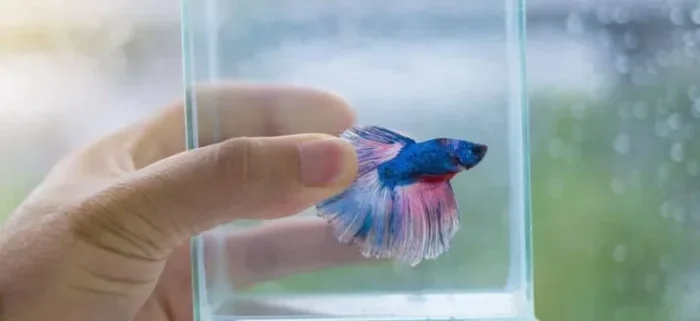
Male bettas (Betta splendens) evolved in shallow, densely vegetated waters of Thailand where they defended small territories from rivals. Their bright colors and long fins are not just for show—they’re weapons used in territorial displays. When they see a similarly colored or fast‑moving fish, the instinct to protect their space kicks in.

Visual guide about Are Male Betta Fish Compatible with Guppies
Image source: d8-a.sdn.cz
What triggers aggression?
- Color and movement: Bright, flowing fins (like those of guppies) can be mistaken for a rival betta.
- Limited space: Small tanks amplify stress and make it harder for the betta to establish a “personal bubble.”
- Insufficient hiding spots: Without places to retreat, guppies become easy targets.
Can aggression be managed?
Yes, with the right setup. Larger tanks, plenty of plants, and careful introduction methods can calm a betta enough to tolerate peaceful tank mates. However, every fish is an individual—some males never relax enough for a community setting.
Guppies: The Perfect Tank Mate?
Guppy basics
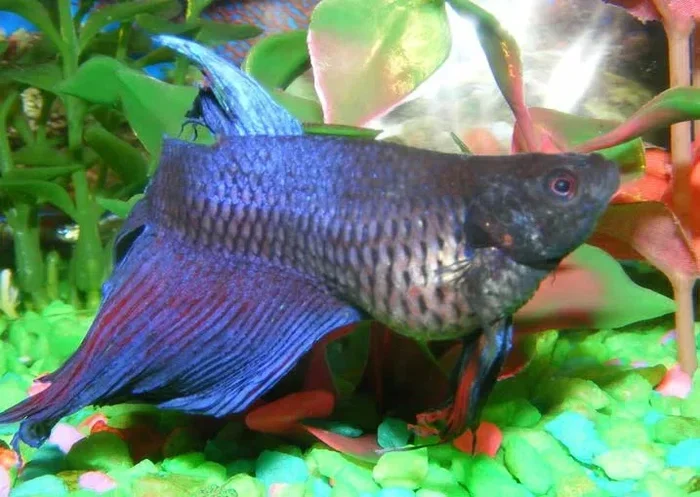
Guppies (Poecilia reticulata) are small, active livebearers that love to dart around plants and surface‑feed. Their bright tails and constant movement make them eye‑catching, but also potentially provocative to a male betta.

Visual guide about Are Male Betta Fish Compatible with Guppies
Image source: i.pinimg.com
Water needs overlap
Both species enjoy a temperature range of 76‑80 °F and a slightly acidic to neutral pH (6.5‑7.5). This overlap makes it technically possible to keep them together, provided other factors are addressed.
Potential benefits
- Guppies help keep surface algae in check by grazing.
- Their lively nature can make a community tank feel more dynamic.
- They reproduce quickly, providing a constant “new fish” factor for hobbyists.
Setting Up a Betta‑Guppy Community Tank
Tank size and layout
While a 5‑gallon “betta bowl” is popular, it’s a recipe for conflict. Aim for at least 20 gallons (75 L). This gives the betta room to claim a corner while the guppies occupy the open swimming area.

Visual guide about Are Male Betta Fish Compatible with Guppies
Image source: i.pinimg.com
Plants and decorations
Live plants such as Java fern, Anubias, and floating duckweed create natural barriers. Add ceramic caves, driftwood, and silicone‑sealed rock formations. The goal is to break the line of sight so a betta can’t constantly see a guppy swimming past.
Filtration and water quality
Both species thrive in clean water. A gentle sponge filter or a low‑flow hang‑on filter keeps the water clear without creating a strong current that stresses bettas.
Lighting
Moderate lighting (8‑10 hours a day) supports plant growth and mimics natural day cycles. Too bright a light can make the betta’s colors pop, increasing the chance of a territorial display.
Introducing Guppies to a Male Betta
Step‑by‑step introduction
- Quarantine: Keep new guppies in a separate hospital tank for 2 weeks to prevent disease.
- Observe the betta: Make sure the betta is calm, not flaring or displaying aggression.
- Use a divider: Place a clear acrylic divider in the tank so the betta can see the guppy but cannot touch it.
- Gradual exposure: After 24‑48 hours, lift the divider and watch the betta’s reaction for 10‑15 minutes.
- Full integration: If the betta remains calm, remove the divider and continue monitoring for the next 48 hours.
What to watch for
- Flaring or puffing up the fins.
- Rapid chasing of the guppy.
- Guppy hiding constantly or showing signs of stress (pale color, clamped fins).
If any of these signs appear, it’s best to separate them immediately.
Alternatives and Safety Nets
When compatibility fails
Not every male betta will accept guppies. In those cases, consider these peaceful companions:
- Snails (Nerite or Mystery) – they clean algae and are ignored by bettas.
- Cherry shrimp – small, colorful, and generally left alone.
- Small, slow‑moving bottom dwellers like Corydoras catfish (in a larger tank).
Useful resources
For a broader view of community possibilities, see What Fish Are Compatible With Betta Fish and Can You Keep Guppies And Betta Fish Together. These articles list other safe tank mates and give extra tips on tank setup.
Conclusion: Is It Worth Trying?
So, are male betta fish compatible with guppies? The short answer: sometimes, but only under ideal conditions. A spacious, well‑planted tank, a calm betta, and vigilant observation are non‑negotiable. If you’re new to bettas, it’s safer to start with a single‑species setup and graduate to a community tank once you’re comfortable with their behavior.
Remember, the health and happiness of both fish come first. If any aggression shows up, don’t hesitate to rehome the guppy or give the betta a solo space. With patience and the right environment, you may enjoy the dazzling dance of a male betta alongside the tiny fireworks of guppies—just not every betta will let you.
Frequently Asked Questions
Can male bettas live with guppies long‑term?
Only if the betta remains calm and the tank provides ample hiding spots. Even then, close monitoring is essential.
What tank size is the minimum for a betta‑guppy combo?
At least 20 gallons (75 L) is recommended to give each fish its own territory.
Do guppies trigger betta aggression because of their colors?
Yes, bright, flowing fins can look like a rival male, prompting the betta to flare and chase.
Should I use live plants or artificial decorations?
Live plants are best because they create natural cover and improve water quality, but sturdy artificial plants work if live ones aren’t possible.
What are the signs that the betta and guppy are not getting along?
Flaring fins, constant chasing, nipping at the guppy’s tail, and the guppy hiding or appearing stressed are clear warning signs.
Is it better to keep a male betta with only one guppy?
Starting with a single guppy lets you gauge the betta’s temperament. If he accepts one, adding more may be possible, but always proceed slowly.