What Bottled Water to Use for Betta Fish
Not all bottled water is safe for betta fish. The right bottled water for betta fish depends on mineral content, pH levels, and whether harmful chemicals are present. This guide walks you through the best options, what to avoid, and how to keep your betta healthy.
Choosing the right bottled water for betta fish is one of the simplest yet most important things you can do for your pet. Bettas are sensitive creatures. The water they live in directly affects their health, color, and lifespan. Many new fish owners assume all bottled water is the same. That is far from the truth.
Some bottled waters are packed with minerals that help bettas thrive. Others contain chemicals or have pH levels that can make your fish sick. In this guide, we will break down every option so you can make the best choice with confidence. Whether you are setting up a new tank or just looking for a safer water source, this article has you covered.
If you have ever wondered, what bottled water to use for betta fish, you are in the right place. We will cover spring water, purified water, distilled water, and more. We will also share quick tips and common mistakes to avoid. Let us dive in.
Key Takeaways
- Spring water is often the best bottled choice: It contains natural minerals that bettas need without harmful additives.
- Avoid distilled and purified water alone: These lack essential minerals and can strip your tank of healthy elements.
- Always check pH and mineral levels: Bettas thrive in stable water with a pH between 6.5 and 7.5.
- Bottled drinking water can work: But you must review the label for chlorine, fluoride, and mineral content first.
- Water conditioner is still important: Even with bottled water, treating it before adding it to the tank helps protect your betta.
- Never use sparkling or flavored water: These contain additives that are toxic to betta fish.
📑 Table of Contents
- Why Water Quality Matters for Betta Fish
- Types of Bottled Water and How They Affect Bettas
- Which Bottled Water Is Best for Betta Fish?
- How to Prepare Bottled Water for Your Betta Tank
- Common Mistakes People Make with Bottled Water
- Expert Insights on Betta Water Choices
- How Often Should You Change Betta Water?
- Final Thoughts on What Bottled Water to Use for Betta Fish
Why Water Quality Matters for Betta Fish
Bettas are native to the warm, slow-moving waters of Southeast Asia. They have evolved to live in specific water conditions for betta fish. When you change their environment, even slightly, it can cause stress. Stressed bettas get sick more easily. Their colors fade. They stop eating. In serious cases, they can die.
The water in your tank affects everything. It controls pH balance, mineral levels, and the presence of harmful substances like chlorine and chloramine. Tap water is convenient but often contains chemicals that are dangerous for bettas. That is why many owners turn to bottled water for betta fish as a safer alternative.
Key Water Parameters for Bettas
Before choosing any water, you need to understand what bettas need. Here are the basic parameters:
- pH level: Between 6.5 and 7.5 (slightly acidic to neutral)
- Temperature: 76 to 82 degrees Fahrenheit
- Hardness: Soft to moderately hard (3 to 15 dGH)
- Chlorine: Must be zero
- Ammonia and nitrite: Must be zero
Most bottled waters fall outside these ranges if you do not check the label. That is exactly why this guide exists. Knowing what to look for saves your fish and saves you money.
Types of Bottled Water and How They Affect Bettas
Not all bottled water is created equal. The type you choose can make or break your betta’s environment. Let us look at each common type and what it means for your fish.
Spring Water
Spring water is often the top choice for betta owners. It comes from natural underground sources and contains beneficial minerals like calcium and magnesium. These minerals help support healthy gill function and vibrant color in bettas.
However, not all spring waters are the same. Some brands add fluoride or other treatments. Always read the label. Look for spring water with low mineral content and no added chemicals. Crystal Geyser spring water and Poland Spring water are popular choices among betta keepers, but you should still test the water before adding it to your tank.
Spring water is a great option if you want a natural source of minerals without the harsh chemicals found in tap water.
Purified Water
Purified water goes through a filtration process that removes impurities. This sounds great on paper, but there is a catch. Purified water often lacks the minerals bettas need. It can also lower the pH of your tank over time, making the environment too acidic.
If you use purified water, you should add a water conditioner for betta fish to restore essential minerals. You can also mix purified water with a small amount of tap water that has been treated with conditioner. This gives your betta the best of both worlds.
For more details on whether purified water is safe, check out our guide on can you use purified drinking water for betta fish.
Distilled Water
Distilled water is the purest form of water available. It has been boiled and condensed, removing nearly all minerals and impurities. While this sounds clean, it is actually too pure for bettas. Distilled water has no buffering capacity, meaning it cannot maintain stable pH levels.
Using distilled water alone can cause rapid pH swings in your tank. These swings are extremely dangerous for bettas. If you must use distilled water, always remineralize it first. Add a liquid aquarium mineral supplement before introducing it to the tank.
You can also read our article on spring or distilled water for betta fish for a deeper comparison.
Bottled Drinking Water
Bottled drinking water is the kind you buy at the grocery store for human consumption. Brands like Dasani, Aquafina, and Fiji fall into this category. Some of these are safe for bettas; others are not.
The problem is that bottled drinking water varies widely. Some brands add minerals for taste. Others add fluoride or use reverse osmosis filtration. You need to check the ingredients list carefully. Look for water with low sodium, no chlorine, and a neutral pH.
If the label says the water has been purified through reverse osmosis, you will need to add minerals back in before using it for your betta.
Mineral Water
Mineral water contains naturally occurring minerals like calcium, magnesium, and potassium. In small amounts, these minerals are good for bettas. But some mineral waters have very high mineral content, which can raise the hardness of your tank water too much.
High hardness can cause stress and make it harder for bettas to regulate their body fluids. Stick with mineral waters that have a moderate mineral count. Always test your tank water after adding mineral water to make sure the parameters stay within the safe range.
Which Bottled Water Is Best for Betta Fish?
After looking at all the options, you might be wondering which one is the best. The answer depends on your specific situation, but here is a general ranking based on safety and ease of use.
| Water Type | Mineral Content | Safety for Bettas | Ease of Use |
|---|---|---|---|
| Spring Water | Natural, moderate | High | Very Easy |
| Purified Water | Low (needs remineralizing) | Moderate | Moderate |
| Distilled Water | None (needs remineralizing) | Low alone | Hard |
| Bottled Drinking Water | Varies by brand | Moderate | Very Easy |
| Mineral Water | High (can vary) | Moderate | Easy |
| Sparkling/Flavored Water | Varies | Never | N/A |
Spring water wins for most betta owners. It is natural, contains helpful minerals, and is widely available. If spring water is not an option, purified or drinking water can work too as long as you treat it properly.
How to Prepare Bottled Water for Your Betta Tank
Even the best bottled water needs some preparation before it goes into your betta’s tank. Follow these simple steps to make sure the water is safe.
- Check the label: Look for sodium, chlorine, fluoride, and mineral content. Avoid water with high sodium or added chemicals.
- Test the pH: Use a simple aquarium pH test kit. The water should be between 6.5 and 7.5.
- Let it sit: Open the bottle and let it sit for 24 hours. This allows chlorine to evaporate and the water to reach room temperature.
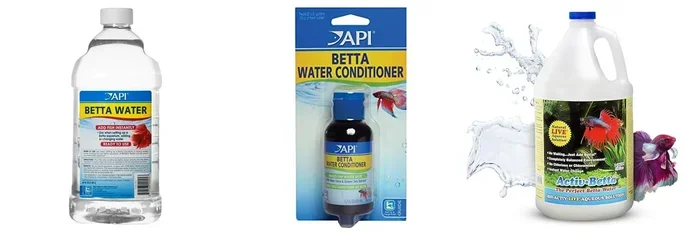
- Add a water conditioner: Even bottled water benefits from a conditioner. It adds a protective layer and removes any trace chemicals.
- Test again before adding: A quick retest ensures the water is stable and safe for your betta.
These steps take only a few minutes but make a huge difference. For a full walkthrough of preparing water, read our guide on how to prepare water for a betta fish.
Quick Tips for Using Bottled Water
- Buy water in glass bottles when possible. Plastic can leach chemicals over time.
- Store opened bottles in a cool, dark place.
- Never use sparkling water. The carbonation changes the pH and can harm your fish.
- Always match the temperature of the new water to your tank water before adding it.
- Do a partial water change of 25% once a week using your prepared bottled water.
Common Mistakes People Make with Bottled Water
Even well-meaning betta owners make mistakes when it comes to water. Here are the most common ones and how to avoid them.
Using Distilled Water Without Remineralizing
This is the number one mistake. Distilled water is completely stripped of minerals. Adding it directly to your tank can crash your water parameters and stress your betta. Always remineralize distilled water before use.
Assuming All Spring Water Is the Same
Some spring waters are high in sodium or contain trace contaminants. Not every spring water brand is safe. Read the label and, if you are unsure, do a quick water test before using it.
Ignoring pH Levels
Many owners focus on the type of water but forget to check the pH. Even good bottled water can have a pH that is too high or too low. Always test and adjust as needed.
Using Bottled Water Without Conditioner
Bottled water is not automatically safe just because it is bottled. Trace chemicals from the bottling process can still be present. A good conditioner adds a safety net and protects your betta’s sensitive fins and gills.
Overchanging the Water
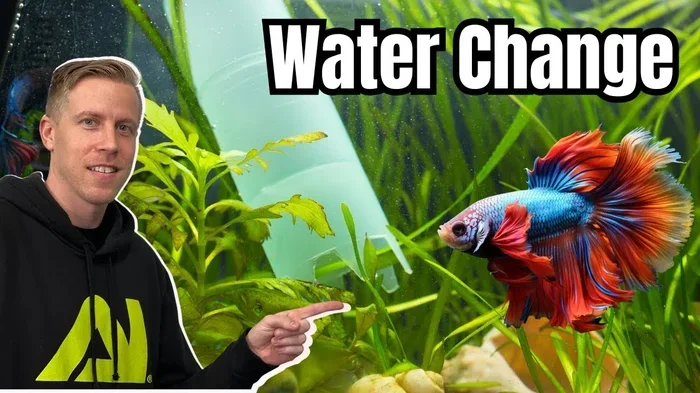
Some owners think more fresh water is better. But changing too much water at once can shock your betta. Stick to 25% water changes weekly. This keeps the environment stable and your betta happy.
Expert Insights on Betta Water Choices
Experienced betta keepers agree on one thing: consistency matters more than perfection. Your betta does not need the most expensive water. It needs stable, clean water that stays within safe parameters.
Many seasoned aquarists use a mix of spring water and treated tap water. This gives the natural benefits of spring water while keeping costs low. Others prefer to buy spring water in bulk and store it for regular water changes. The key is finding a routine that works for you and sticking with it.
One expert tip: keep a log of your water parameters each time you do a water change. Over time, you will see patterns and know exactly what works best for your betta. This simple habit can prevent many common water-related health issues.
If you are also curious about whether you can use the same water for other fish, check out our article on can you use betta fish water for goldfish.
How Often Should You Change Betta Water?
Regular water changes are essential for keeping your betta healthy. Even with the best bottled water, waste products build up in the tank over time. A consistent water change schedule helps maintain clean, safe water.
For most betta tanks, a 25% water change every week is ideal. If you have a larger tank with a good filter, you can stretch this to every 10 days. Smaller tanks or bowls may need more frequent changes, around 20% every five to seven days.
Always use water that has been treated and brought to the right temperature. Cold water can shock your betta. Water that is too warm can reduce oxygen levels. Room temperature water that matches your tank is the safest choice.
Final Thoughts on What Bottled Water to Use for Betta Fish
Finding the right bottled water to use for betta fish does not have to be complicated. Spring water is the most natural and reliable option for most owners. Purified and drinking waters can work too, as long as you check the label and treat the water properly. Avoid distilled water alone and never use sparkling or flavored water.
The most important thing is consistency. Test your water regularly, keep your parameters stable, and always treat water before adding it to the tank. Your betta will thank you with bright colors, active behavior, and a long, healthy life.
Remember, the water you choose is the foundation of your betta’s home. Take the time to get it right, and everything else falls into place. Your fish will live better, look more vibrant, and bring you joy for years to come.
Frequently Asked Questions
Can I use any bottled water for my betta fish?
Not all bottled water is safe. Spring water and some bottled drinking waters work well, but you must check the label for additives, minerals, and pH levels. Avoid distilled water alone, sparkling water, and flavored water entirely.
Is spring water good for betta fish?
Yes, spring water is often the best choice. It contains natural minerals that bettas need and does not have the harsh chemicals found in tap water. Just make sure to check the label for any added treatments.
Can I use purified water for my betta fish tank?
Purified water can work, but it lacks essential minerals. You should add a water conditioner or remineralize it before using it in your tank. For more details, see our guide on using purified drinking water for betta fish.
How do I know if my bottled water is safe for bettas?
Check the label for sodium, chlorine, fluoride, and mineral content. Test the pH to make sure it falls between 6.5 and 7.5. If the water passes these checks, it is likely safe for your betta.
Do I still need water conditioner if I use bottled water?
Yes, water conditioner adds an extra layer of protection. It removes trace chemicals and adds beneficial elements that support your betta’s health. Even the best bottled water benefits from conditioning.
What is the cheapest safe bottled water for betta fish?
Generic spring water from the grocery store is often the most affordable and safest option. Just read the label to make sure it has no added chemicals or high sodium content.
=== CONCLUSION ===
Choosing the right bottled water for betta fish is one of the simplest ways to improve your fish’s quality of life. Spring water stands out as the best overall option, but purified and drinking waters can work with the right preparation. Avoid the common mistakes, follow the preparation steps, and stay consistent with your water changes.
Your betta depends on you for a safe and healthy environment. By taking the time to choose the right water, you are giving your fish the best possible chance to thrive. Start today, and you will see the difference in your betta’s energy, color, and overall well-being.