What Fishes Can Live with Betta

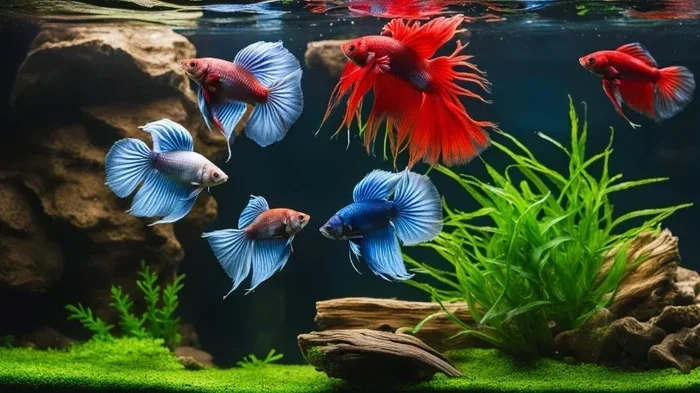
Betta fish can live peacefully with the right tank mates if you choose calm, non‑aggressive species and provide plenty of space and hiding spots. Understanding each fish’s temperament, water needs, and tank size is key to creating a harmonious community aquarium.
Key Takeaways
- Temperament matters: Choose peaceful, mid‑to‑low‑activity fish that won’t trigger a betta’s aggression.
- Water parameters must match: Compatible species share similar temperature, pH, and hardness requirements.
- Tank size is crucial: A minimum of 10‑20 gallons gives a betta enough territory and room for companions.
- Provide plenty of hiding places: Plants, driftwood, and caves reduce stress for all inhabitants.
- Introduce slowly and monitor: Acclimate new fish carefully and watch for signs of bullying.
- Avoid fin‑nippers and fin‑showers: Species with long, flowing fins or nipping habits are poor choices.
- Regular maintenance keeps peace: Clean water and consistent feeding prevent territorial disputes.
📑 Table of Contents
Introduction: The Betta’s Social Side
Betta splendens, often called the Siamese fighting fish, are famous for their vivid colors and dramatic fins. Because of their reputation as solitary fighters, many hobbyists wonder whether a betta can ever share a tank. The short answer is yes—if you pick the right companions, give the betta enough space, and keep the environment stable.
In this guide we’ll walk through everything you need to know about what fishes can live with betta. From the science of temperament to practical set‑up tips, you’ll leave with a clear plan for a peaceful community tank.
Understanding Betta Behavior
Territorial instincts
Male bettas are naturally territorial. In the wild they defend a small stretch of water, chasing away rivals that come too close. In a home aquarium this instinct can show up as flaring, chasing, or even nipping at other fish.
Visual guide about What Fishes Can Live with Betta
Image source: cdn.mos.cms.futurecdn.net
Gender differences
Females are generally less aggressive than males, but they can still be protective of their space. A community tank with a single male betta is possible, but many keepers prefer a single female or a “sorority” of several females together, provided the tank is large enough.
Fin length and aggression
Long‑flowing fins are a double‑edged sword. They look beautiful, yet they also become easy targets for fin‑nipping fish. When choosing tank mates, consider both the betta’s fin size and the risk of other fish nibbling at them.
Key Factors for Compatibility
Water parameters
Betta fish thrive in warm water (78‑82 °F / 25‑28 °C), slightly acidic to neutral pH (6.5‑7.5), and soft to medium hardness. Any fish you add should tolerate this range. For example, many tetras love slightly cooler water, so they are not ideal companions.
Visual guide about What Fishes Can Live with Betta
Image source: aniimad.com
Tank size
Small bowls are a myth. A 5‑gallon tank is barely enough for a single betta, let alone roommates. Aim for at least 10 gallons for a betta plus one or two small, peaceful species. Larger tanks (20‑30 gallons) give you more flexibility and reduce stress for everyone.
Activity level
Fast‑swimming, highly active fish can unintentionally stress a betta by constantly darting around its territory. Choose slower, mid‑level swimmers that occupy different zones of the tank.
Fin shape
Fish with short, sturdy fins are less likely to be targeted. Guppies, for instance, have delicate tails and are often nipped, while rasboras have short, rounded fins that fare better.
Top Fish Species That Can Live With Betta
Below is a curated list of species that have proven compatibility with bettas in the right conditions. Each entry includes ideal group size, tank requirements, and tips for success.
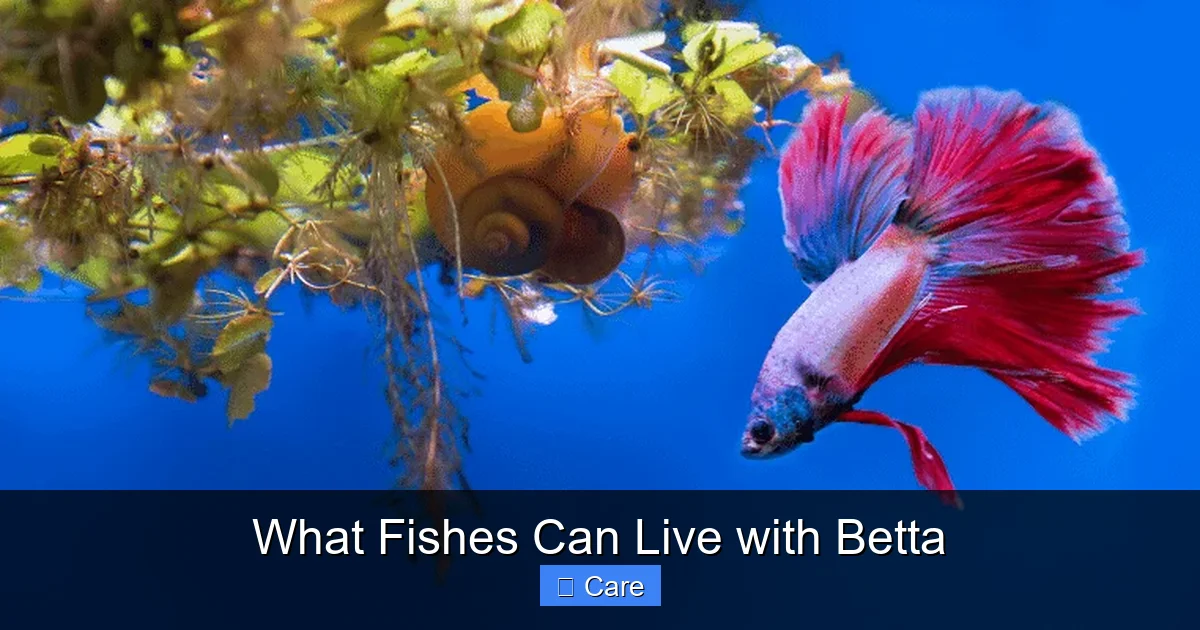
Visual guide about What Fishes Can Live with Betta
Image source: aquariumsphere.com
1. Neon Tetra (Paracheirodon innesi)
- Size: 1.5 in (3.8 cm)
- Group: 6‑10
- Water: 72‑78 °F (22‑26 °C); pH 6.0‑7.0
- Why they work: Small, peaceful, and schooling—stay together in the mid‑water column, away from the betta’s surface territory.
- Tip: Keep the temperature at the lower end of the betta’s range (78 °F) to suit both.
2. Ember Tetra (Hyphessobrycon amandae)
- Size: 0.8 in (2 cm)
- Group: 6‑12
- Water: 73‑79 °F (23‑26 °C); pH 6.5‑7.5
- Why they work: Their tiny size and orange hue blend well, and they are too fast for a betta to chase.
- Tip: Provide plenty of fine-leaved plants for them to hide.
3. Corydoras Catfish (Corydoras spp.)
- Size: 2‑3 in (5‑7 cm)
- Group: 4‑6
- Water: 72‑78 °F (22‑26 °C); pH 6.0‑7.5
- Why they work: Bottom‑dwelling, gentle scavengers that keep the substrate clean.
- Tip: Use a soft sand substrate; avoid sharp gravel that can damage their barbels.
4. Harlequin Rasbora (Trigonostigma heteromorpha)
- Size: 1.5‑2 in (3‑5 cm)
- Group: 6‑10
- Water: 75‑80 °F (24‑27 °C); pH 6.5‑7.5
- Why they work: Calm schooling fish that occupy the middle and upper water levels without provoking the betta.
- Tip: Add floating plants to break the line of sight between betta and rasboras.
5. Kuhli Loach (Pangio kuhlii)
- Size: 3‑4 in (7‑10 cm)
- Group: 3‑5
- Water: 75‑82 °F (24‑28 °C); pH 6.0‑7.5
- Why they work: Nocturnal bottom dwellers that hide in caves and never cross the betta’s surface zone.
- Tip: Provide plenty of driftwood and hiding tubes.
6. Dwarf Gourami (Trichogaster lalius)
- Size: 2‑2.5 in (5‑6 cm)
- Group: Single (male) or pair
- Water: 76‑82 °F (24‑28 °C); pH 6.5‑7.5
- Why they work: Similar size and temperament; they keep to the mid‑water and are not fin‑nippers.
- Tip: Choose a male with a different coloration than the betta to avoid visual aggression.
7. Snails (Nerite, Mystery, Apple)
- Size: 0.5‑1 in (1‑2.5 cm)
- Group: Any
- Water: Same as betta
- Why they work: They clean algae and do not compete for food.
- Tip: Avoid overly aggressive snail species that may burrow and damage plants.
8. Small Shrimp (Cherry, Ghost)
- Size: 0.8‑1.5 in (2‑4 cm)
- Group: 5‑10
- Water: 78‑80 °F (26‑27 °C); pH 6.5‑7.5
- Why they work: They scavenge leftovers and stay near the bottom or plants.
- Tip: Choose hardy shrimp; some bettas may see them as food if they are too slow.
Species to Avoid
Fin‑nippers
Guppies, Endler’s livebearers, and many barbs have a habit of nibbling at delicate fins. Even if they seem peaceful at first, the constant teasing can stress a betta and lead to injury.
Aggressive or large swimmers
Oscars, larger cichlids, and active tetras (like the Black Skirt tetra) can dominate the water column, prompting a betta to feel threatened.
Other bettas
Two male bettas will inevitably fight. Even two females can become aggressive if the tank is too small. If you want a betta community, keep it to a single male or a small group of females in a very large tank (30+ gallons) with abundant visual barriers.
Setting Up the Tank for Harmony
Choosing the right size
A 10‑gallon tank is the practical minimum for a betta plus one or two small companions. Larger tanks (20‑30 gallons) give you more flexibility to add a school of tetras, a bottom dweller, and decorative elements.
Decor and hiding spots
Plants (live or silk), driftwood, caves, and PVC tubes create visual barriers. Betta fish love to claim a “throne” area—often a leaf or a piece of rock—so give them a spot to call their own.
Filtration and water flow
Betas prefer gentle currents. Use a sponge filter or adjust the flow rate of a hang‑on‑back filter to a low setting. This prevents the betta from being constantly pushed around.
Lighting and temperature
Maintain a stable temperature of 78‑80 °F (25‑27 °C) with an aquarium heater. LED lighting set on a 10‑hour day/night cycle mimics natural conditions and reduces stress.
Feeding routine
Feed a varied diet: high‑quality betta pellets, frozen or live daphnia, and occasional brine shrimp. For tank mates, provide small micro‑pellets or flake foods that sink slowly, so the betta doesn’t out‑compete them.
Introducing New Tank Mates
Quarantine first
Always quarantine new fish for at least two weeks to prevent disease. Use a separate tank with the same water parameters.
Acclimation process
Float the bag in the aquarium for 15‑20 minutes to equalize temperature, then slowly add small amounts of tank water to the bag over another 30 minutes. Finally, release the fish gently.
Observe behavior
Watch the first 24‑48 hours closely. Signs of stress include faded colors, rapid breathing, or hiding constantly. If aggression occurs, be ready to separate the betta with a temporary divider.
Maintaining Peace Over Time
Regular water changes
Replace 25‑30 % of the water weekly. Clean water reduces ammonia spikes that can make fish irritable.
Prune plants
Trim overgrown foliage to keep sight lines clear and prevent one fish from claiming the entire tank.
Monitor growth
As tank mates mature, their behavior may change. A once‑peaceful dwarf gourami might become more territorial; be prepared to re‑evaluate the community.
Have a backup plan
Keep a spare tank or a small hospital tank ready in case you need to rehome a fish that isn’t getting along.
Conclusion: Building a Happy Community
Finding the right companions for a betta is less about forcing a friendship and more about respecting each species’ natural habits. By matching water parameters, providing ample space, and selecting calm, non‑nipping fish, you can create a vibrant, peaceful aquarium where the betta thrives alongside its new friends. Remember to start slow, watch closely, and enjoy the process—watching a betta glide past a school of neon tetras is one of the most rewarding sights in the hobby.
Frequently Asked Questions
Can I keep a male betta with a female betta?
It is possible, but only in a large (30+ gallon) tank with plenty of hiding places. Even then, monitor closely for aggression, as males can become dominant.
Are live plants necessary for a betta community tank?
Live plants are not required, but they greatly improve water quality and provide natural hiding spots, which helps reduce stress for all fish.
How many neon tetras can I keep with a betta?
A school of 6‑10 neon tetras works well in a 10‑gallon tank with a betta. The group behavior keeps them safe and makes the tank look lively.
Will a betta eat small shrimp?
Some bettas may snap at slow‑moving shrimp, especially if they are hungry. Choose fast‑moving shrimp like ghost shrimp and feed the betta first to minimize temptation.
Can I add a goldfish to a betta tank?
No. Goldfish need cooler water, produce a lot of waste, and grow much larger than a betta can comfortably share.
What is the best way to stop a betta from nipping its tank mates?
First, ensure the tank is large enough and has plenty of décor for territories. Then, remove any fin‑nipping species and consider adding a divider if aggression persists.