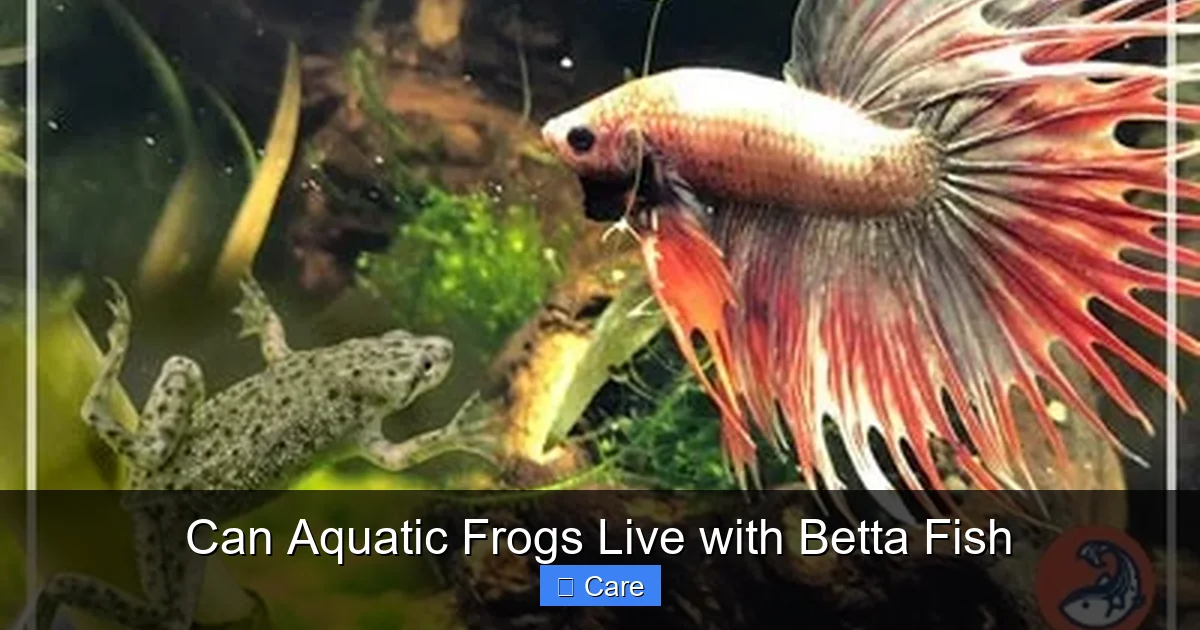
Can Aquatic Frogs Live with Betta Fish
Curious whether aquatic frogs can share a tank with betta fish? This guide breaks down compatibility, tank requirements, and practical tips to keep both happy and healthy. Learn the key factors that determine success and avoid common pitfalls for a thriving community aquarium.
Key Takeaways
- Species compatibility matters: Not all frogs and bettas get along; size, temperament, and water needs are crucial.
- Tank size is vital: A minimum 20‑gallon tank provides enough space for both species to establish territories.
- Water parameters must match: Aim for a temperature of 76‑80°F, pH 6.5‑7.5, and gentle filtration.
- Provide hiding spots: Live plants, caves, and driftwood reduce stress and prevent aggression.
- Feed appropriately: Offer both protein‑rich foods and vegetable matter to meet each animal’s diet.
- Monitor behavior daily: Early signs of stress or bullying signal that adjustments are needed.
- Quarantine new arrivals: Always isolate frogs and bettas before introducing them to the main tank.
📑 Table of Contents
- Introduction: Why the Question Comes Up
- Understanding the Basics of Both Species
- Assessing Compatibility: Can Aquatic Frogs Live With Betta Fish?
- Setting Up the Ideal Mixed Tank
- Introducing Frogs and Bettas: Step‑by‑Step Guide
- Common Challenges and How to Solve Them
- Success Stories: Real‑World Examples
- Conclusion: Making an Informed Decision
Introduction: Why the Question Comes Up
Betta fish, with their vivid colors and flamboyant fins, are a favorite for many hobbyists. At the same time, small aquatic frogs—like dwarf African clawed frogs or fire-bellied toads—add a unique, lively element to a freshwater setup. It’s natural to wonder: can aquatic frogs live with betta fish?
In this article we’ll walk through the science behind compatibility, the practical steps to set up a shared tank, and the day‑to‑day care needed to keep both species thriving. Think of it as a friendly chat over a cup of coffee, where we share stories, mistakes, and proven tips.
Understanding the Basics of Both Species
Betta Fish: Temperament and Needs
Betta splendens, often called Siamese fighting fish, are naturally territorial. In the wild they inhabit shallow rice paddies and slow‑moving streams in Thailand. Their key requirements are:
Visual guide about Can Aquatic Frogs Live with Betta Fish
Image source: i.ytimg.com
- Warm water: 76‑82°F (24‑28°C).
- Stable pH: 6.5‑7.5.
- Low to moderate flow: Gentle currents mimic their natural habitat.
- Surface access: Bettas are surface breathers and love to rest near the top.
Aquatic Frogs: Species to Consider
Not every frog is suited for a community tank. The most common “aquatic” frogs kept with fish are:
- Dwarf African Clawed Frog (Hymenochirus sp.) – tiny (1‑2 inches), fully aquatic, loves warm water.
- Fire‑Bellied Toad (Bombina orientalis) – semi‑aquatic, needs both water and land.
- White‑Spotted Tree Frog (Litoria caerulea) – more terrestrial, but can tolerate a well‑planted tank.
These species share a preference for temperatures between 75‑80°F and a neutral pH, which aligns well with betta requirements.
Assessing Compatibility: Can Aquatic Frogs Live With Betta Fish?
Temperament Overlap
Bettas can be aggressive toward slow‑moving or long‑finned tank mates. However, many aquatic frogs are quick, have smooth skin, and are not perceived as “prey” by the betta. The key is to choose a frog that is:
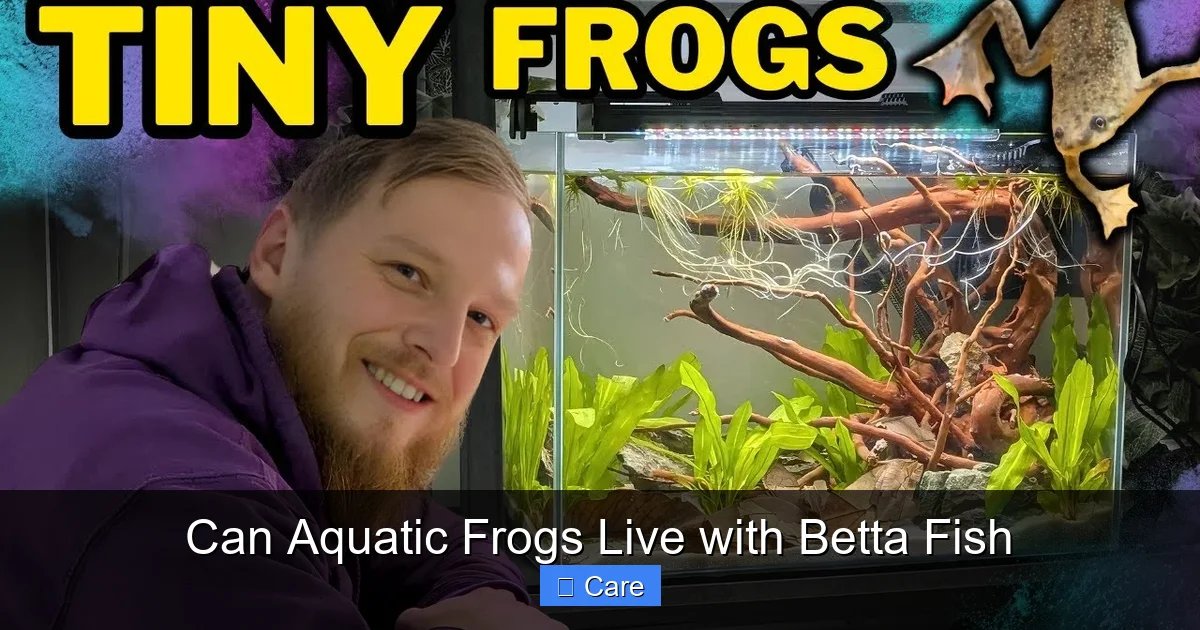
Visual guide about Can Aquatic Frogs Live with Betta Fish
Image source: i.ytimg.com
- Small enough not to be seen as a threat.
- Active enough to avoid lingering in the betta’s line of sight.
- Non‑toxic; some amphibians release irritating secretions that can harm fish.
Water Parameter Compatibility
Both groups thrive in similar ranges, making a shared environment feasible. Aim for:
- Temperature: 76‑80°F (24‑27°C).
- pH: 6.5‑7.5.
- Hardness: 4‑12 dGH.
Maintaining these parameters reduces stress and disease risk for both.
Dietary Considerations
Bettas are carnivorous, preferring live or frozen foods like brine shrimp, daphnia, and high‑protein pellets. Aquatic frogs also need protein (bloodworms, brine shrimp) but benefit from occasional vegetable matter (blanched spinach, algae wafers). Feeding on opposite ends of the tank or using sinking vs. floating foods helps prevent competition.
Setting Up the Ideal Mixed Tank
Tank Size and Layout
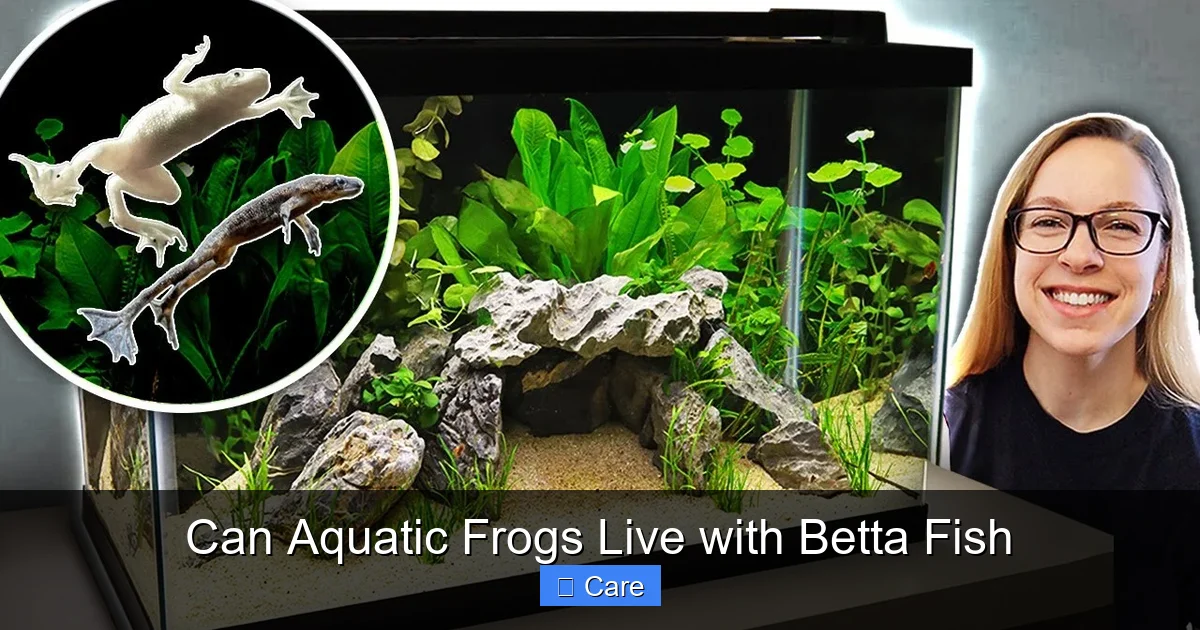
A 20‑gallon long tank is the sweet spot. It provides:
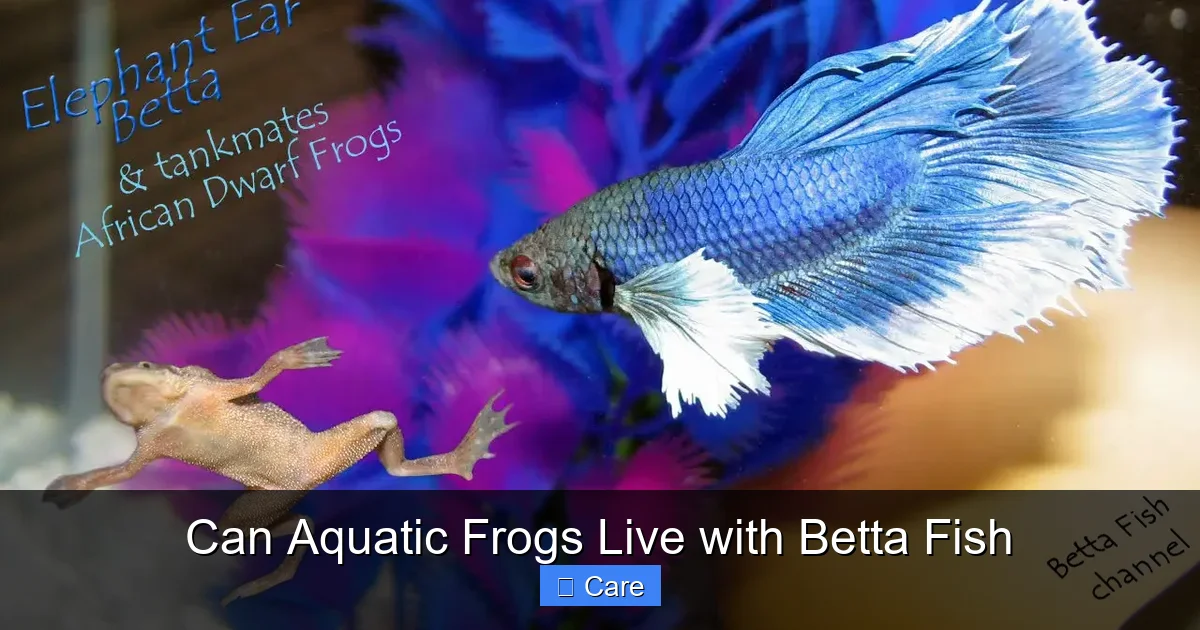
Visual guide about Can Aquatic Frogs Live with Betta Fish
Image source: bettafishworld.com
- Enough horizontal swimming space for the betta.
- Separate zones for the frog to hide and explore.
- Better water stability, which is crucial for amphibian skin health.
Filtration and Flow
Use a gentle sponge filter or a low‑flow hang‑on filter. Strong currents can stress both betta and frog, and can even wash away a frog’s eggs if breeding occurs.
Substrate and Décor
Choose a soft substrate—fine sand or smooth gravel—so the frog’s delicate skin isn’t irritated. Add:
- Live plants (Java fern, Anubias, floating duckweed) for cover and water quality.
- Driftwood and smooth rocks to create caves.
- Floating logs or lily pads for the frog’s basking spots.
Lighting
Provide a 10‑hour light cycle with a dimmer for evenings. UVB is not essential for fully aquatic frogs, but a low‑intensity LED helps plants thrive and showcases betta colors.
Water Changes and Maintenance
Perform 25‑30% water changes weekly. Use dechlorinated or aged tap water, matching temperature and pH before adding.
Introducing Frogs and Bettas: Step‑by‑Step Guide
Quarantine Period
Isolate new arrivals for at least two weeks. This prevents the spread of parasites or bacteria. Use a small hospital tank with the same water parameters.
Acclimation Process
Float the bag containing the frog or betta in the tank for 15‑20 minutes to equalize temperature. Then slowly add small amounts of tank water to the bag every 5 minutes for another 30 minutes. This gentle approach reduces shock.
First Introduction
Place the frog in a corner with plenty of cover. Observe the betta for the first hour. If the betta flares or chases, consider adding more visual barriers or rearranging décor.
Monitoring Behavior
Watch for signs:
- Betta flaring repeatedly → stress.
- Frog rubbing against objects → skin irritation.
- Both hiding all the time → tank may be too crowded.
Adjust accordingly: add plants, reduce flow, or consider separate tanks if aggression persists.
Common Challenges and How to Solve Them
Aggression From the Betta
If the betta shows persistent aggression, try:
- Increasing tank size.
- Adding more vertical plants to break the line of sight.
- Using a betta “divider” (transparent acrylic) for a short acclimation period.
Frog Health Issues
Signs of stress in frogs include loss of appetite, skin discoloration, or excessive shedding. Ensure:
- Water is clean and free of chlorine.
- Temperature remains stable.
- Ammonia and nitrite levels are zero (test weekly).
Water Quality Fluctuations
Both species are sensitive to spikes in ammonia or nitrite. Regular testing, proper filtration, and avoiding over‑feeding keep the water stable.
Feeding Conflicts
Use a feeding schedule:
- Morning: Betta receives a small pellet or frozen food.
- Afternoon: Frog gets a handful of bloodworms.
- Evening: Offer floating vegetable wafers for the frog while the betta watches from the surface.
Success Stories: Real‑World Examples
Case Study 1: Dwarf African Clawed Frogs + Betta
A hobbyist in Texas kept two dwarf African clawed frogs with a single betta in a 20‑gallon tank for 18 months. By using a dense carpet of Java moss and a floating log, the betta never bothered the frogs. Regular water changes and a diet of frozen brine shrimp for the betta and bloodworms for the frogs resulted in healthy growth for all.
Case Study 2: Fire‑Bellied Toads & Betta
In a community aquarium, a fire‑bellied toad was placed in a separate “land” section of a 30‑gallon tank using a raised platform and a shallow water pool. The betta occupied the deeper area. The physical separation allowed both to coexist without stress, and the toad’s bright colors complemented the betta’s fins.
Conclusion: Making an Informed Decision
So, can aquatic frogs live with betta fish? The answer is yes—provided you match water parameters, give ample space, and monitor behavior closely. Choose compatible species, set up a well‑planted tank, and follow a careful introduction routine. When done right, the combination can create a vibrant, lively display that’s a joy to watch.
Remember, every aquarium is unique. If you notice persistent aggression or health issues, it’s okay to separate the inhabitants. The health and happiness of your pets always come first.
Frequently Asked Questions
Will a betta always attack a frog?
Not always. Bettas are territorial, but many small, active frogs are ignored if they have hiding spots and the tank is spacious enough.
What is the minimum tank size for a betta and a frog?
A 20‑gallon long tank is the recommended minimum to provide separate territories and stable water conditions.
Do I need special lighting for a mixed betta‑frog tank?
Standard LED lighting on a 10‑hour cycle works well. Provide some shaded areas with plants or driftwood for the frog.
Can I keep more than one frog with a single betta?
Yes, as long as the tank is large enough and the frogs are of a compatible, non‑aggressive species.
How often should I feed my betta and frog?
Feed the betta once or twice daily with small portions. Offer the frog a protein snack 3‑4 times a week and provide vegetable matter daily.
What signs indicate my betta is stressed by the frog?
Frequent flaring, loss of color, or spending all day at the surface can signal stress. Observe and adjust tank setup if needed.