How Often Should You Feed Your Betta Fish Daily
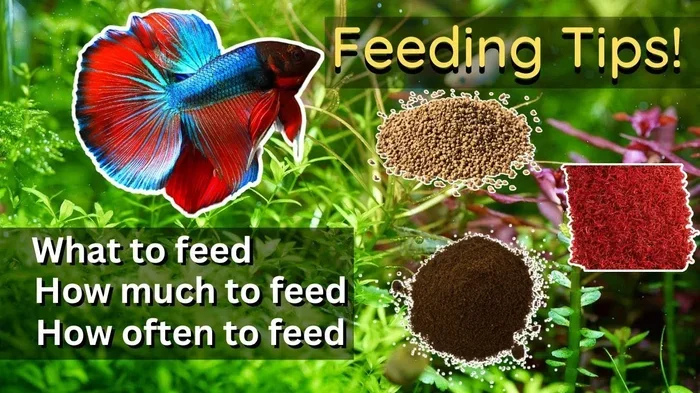
How often should you feed your betta fish depends on their age, size, and overall health. Most adult bettas thrive on two small meals per day, while younger fish need more frequent feeding. Overfeeding or underfeeding can quickly harm your betta, so tracking portions and sticking to a consistent routine is essential. This guide breaks down the ideal betta fish feeding schedule, safe portion sizes, and simple tips to keep your fish thriving.
Key Takeaways
- Daily feeding frequency: Feed adult bettas twice a day, while fry and juveniles need three to four smaller meals.
- Portion control matters: Offer only what your betta can eat in two to three minutes to prevent bloating and water pollution.
- Fasting helps digestion: Skipping one meal per week or fasting for a full day can support healthy digestion and prevent constipation.
- Watch for overfeeding signs: Leftover food, cloudy water, and a swollen belly are clear warnings that you are feeding too much.
- Adjust for age and activity: Growing bettas and highly active fish need slightly more food, while older or less active bettas need less.
- Consistency builds routine: Feeding at the same times each day helps your betta feel secure and makes it easier to spot appetite changes.
- Quality beats quantity: A high-protein betta pellet or flake diet, plus occasional treats, supports vibrant color and strong immunity.
How Often Should You Feed Your Betta Fish Daily for Best Health
Keeping a betta fish happy starts with a simple daily routine. Food plays a huge role in energy, color, and longevity. Many new owners worry about the right schedule, but the answer is actually straightforward once you understand your fishs needs. A steady routine keeps digestion smooth and water clean.
You do not need a complicated plan. You just need a clear rhythm. Most adult bettas do best with two small meals each day. Young bettas need more frequent meals because they grow fast. Older or less active bettas may need a little less. The key is to match the schedule to the fish, not the other way around.
What Affects Your Betta Fish Feeding Schedule
Several factors change how often your betta needs food. Age is the biggest one. Fry and juveniles burn energy quickly, so they need meals spread across the day. Adult bettas have slower metabolisms and do well on a simpler routine. Water temperature also matters because warmer water speeds up digestion.
Activity level is another clue. A lively betta that swims constantly may need a bit more fuel. A quiet betta that rests often may need less. Health status matters too. A sick or stressed fish often loses its appetite, so you should not force food. If your betta seems bloated, you may need to reduce portions or pause feeding for a day.
Quick Tips:
– Keep water between 76 and 80 degrees Fahrenheit for steady digestion.
– Observe your betta at feeding time to judge appetite.
– Adjust portions before changing the whole schedule.
The Ideal Daily Feeding Routine for Adult Betta Fish
Most healthy adult bettas thrive on two meals per day. A morning meal and an evening meal work well. This rhythm mimics a natural feeding pattern without overloading the stomach. Small, frequent meals are easier to digest than one large meal.
You can also choose a once-a-day approach if your betta is less active, but splitting the food into two portions usually works better. Two meals help prevent hunger spikes and keep energy steady. If you work irregular hours, just aim for consistent gaps between meals.
Practical example:
– Morning: 2 to 3 pellets or a small pinch of flakes.
– Evening: the same amount.
– Total: enough food for two to three minutes of eating.
If your betta finishes quickly and still looks hungry, you can add one more pellet. If food sinks uneaten, reduce the portion next time. The goal is a clean tank and a satisfied fish.
How Much to Feed at Each Meal
Portion size matters just as much as frequency. Betta stomachs are small, roughly the size of one of their eyes. That visual cue is a helpful guide. A good starting point is 2 to 4 pellets per meal, depending on pellet size. Flakes can be offered in a small pinch that the fish can finish fast.
Overfeeding is one of the most common mistakes. Extra food does not make your betta bigger or stronger. It often leads to waste, poor water quality, and digestive trouble. Underfeeding is less common, but it can leave your betta lethargic and dull. Balance is the goal.
Simple portion rules:
– Start small and increase only if your betta eats everything in minutes.
– Remove uneaten food after a few minutes.
– Use the same brand and pellet size so portions stay consistent.
– Treats should be occasional, not daily.
If you are unsure, track how much your betta eats for a week. Note any leftovers. Then adjust slowly. Small changes are safer than big ones.
How Often Should You Feed Your Betta Fish Based on Age and Size
Age changes everything. Baby bettas, also called fry, need frequent tiny meals because they grow fast and have tiny stomachs. Juveniles need regular feeding to support development. Adults need a stable routine. Seniors may need smaller portions if activity drops.
Typical feeding rhythm by life stage:
– Fry: 3 to 4 tiny meals daily.
– Juveniles: 2 to 3 meals daily.
– Adults: 2 meals daily.
– Seniors or inactive bettas: 1 to 2 smaller meals daily.
Size also matters. A larger betta may need slightly more food, but not always. Some big bettas are less active, so they need less fuel. Watch body shape and energy more than size alone. A healthy betta should look full, not swollen.
If you are raising a young betta, keep meals tiny and frequent. If you are caring for an older betta, focus on easy-to-digest food and smaller portions. The right schedule changes as your fish grows.
Signs You Are Feeding Too Much or Too Little
Your betta will give you clues. The trick is to notice them early. Overfeeding often shows up as leftover food, cloudy water, or a swollen belly. You may also see more waste than usual. In worse cases, bloating can lead to swim bladder issues and discomfort.
Underfeeding has its own signs. A hungry betta may swim frantically at feeding time, look thin, or lose color. It may also become more aggressive or less active. If your betta never finishes a small portion, you may already be offering too much.
Common mistakes to avoid:
– Feeding based on packaging suggestions alone.
– Adding extra food because your betta begs.
– Ignoring leftover food after meals.
– Skipping observation and guessing portions.
Expert Insights:
– A betta that begs is not always hungry. Betta fish often learn to associate movement with food.
– A rounded belly is normal after a meal, but a distended belly that lasts is a warning.
– If your betta skips meals for a day, do not panic. Fish can handle short pauses better than constant overeating.
Weekly Fasting and Digestive Health
Many experienced keepers include one fasting day each week. This short break can help digestion and reduce the risk of constipation. It also gives the tank a break from extra waste. A single day without food is usually safe for a healthy adult betta.
Fasting does not mean starving. It simply means skipping one meal or taking one day off each week. If your betta is young, sick, or very active, you may want to fast less often. If your betta tends to get bloated, a weekly break can be helpful.
Quick Tips:
– Pick a consistent day, like Wednesday, so the routine stays simple.
– Watch your betta during fasting to make sure it stays alert and active.
– If constipation is a recurring issue, review portion sizes first.
– Always offer clean water and stable temperature during fasting days.
Best Food Choices for a Healthy Betta Routine
Food quality affects how well your betta uses each meal. High-protein betta pellets are a strong staple because they are designed for betta digestion. Flakes can work too, especially if your betta prefers them. Some owners rotate foods to keep interest high and provide variety.
Safe treat options can include frozen or live foods made for small fish. Treats should stay occasional. Too many treats can upset the main diet and cause digestive trouble. Keep treats small and easy to digest.
Helpful food habits:
– Use a staple pellet or flake as the main diet.
– Offer treats once or twice a week at most.
– Soak very dry food briefly if your betta seems to struggle with it.
– Store food in a cool, dry place so it stays fresh.
If you want to explore safe human-food options, read Can You Feed Your Betta Fish Human Food before trying anything new. Some household foods are not safe for fish, so it is smart to check first.
How Feeding Fits Into Overall Betta Care
Feeding is only one part of good care. Water quality, temperature, and tank setup all affect how your betta handles meals. Clean water helps fish stay healthy and digest food properly. Stable warmth keeps metabolism steady. A calm environment also helps your betta eat comfortably.
If you are setting up a new tank, make sure the water is safe before adding food. New owners often ask about water sources, and it is worth learning the basics early. You can review Can You Use Tap Water For Your Betta Fish to understand what to watch for before feeding starts.
Betta behavior also matters. Some bettas enjoy interaction, and regular care can make feeding time smoother. If you want to learn more about gentle interaction, see Can You Play With Your Male Betta Fish. A calm, engaged fish often eats better than a stressed one.
Troubleshooting Appetite Changes
Sometimes a betta stops eating even when the schedule is right. This can happen during tank changes, water shifts, or stress. It can also signal illness. The first step is to check the environment before changing the diet.
Check these basics first:
– Water temperature is stable.
– Filter and aeration are working.
– No sharp changes in water chemistry.
– No visible signs of illness or injury.
If your betta refuses food for more than a day or two, reduce stress and keep conditions steady. Do not keep adding food to force a reaction. If the problem continues, look closer at symptoms and consider professional advice if available.
Common mistakes during appetite slumps:
– Offering too many treats to tempt the fish.
– Changing food types too often.
– Ignoring water quality issues.
– Panicking and overcorrecting the schedule.
Building a Simple Feeding Plan You Can Stick To
The best plan is one you can follow every day. Consistency helps your betta feel secure and makes problems easier to spot. Pick two times that fit your routine. Measure portions in a simple way. Keep notes if you notice changes.
A simple daily plan:
– Feed once in the morning.
– Feed once in the evening.
– Keep portions small and steady.
– Remove leftovers quickly.
– Take one weekly break if your betta is healthy.
This routine is easy to remember and easy to adjust. If your betta looks too thin, increase portions a little. If your betta looks swollen or leaves food behind, cut back. Small adjustments work better than big changes.
Final Thoughts on Feeding Frequency
So, how often should you feed your betta fish? For most adults, twice a day is a strong starting point. For young bettas, more frequent small meals support growth. For older or less active bettas, smaller portions may work better. The best schedule is the one that keeps your fish active, healthy, and easy to observe.
Keep portions small. Keep the routine steady. Watch for leftovers, bloating, and appetite changes. A good feeding habit supports a beautiful, lively betta and a cleaner tank. When you match the schedule to your fishs age and behavior, you give your betta the best chance to thrive.
Frequently Asked Questions
How often should you feed your betta fish each day?
Most adult bettas do best with two small meals per day, while younger bettas may need three or more smaller meals. The right frequency depends on age, activity, and how much your fish eats at each sitting.
Can I feed my betta fish once a day instead of twice?
Yes, some owners feed once a day, but splitting the same amount into two meals is usually easier on digestion. If you choose once-a-day feeding, keep the portion small enough for your betta to finish quickly.
How much food should I give my betta fish at one time?
Start with 2 to 4 pellets or a small pinch of flakes, then adjust based on how much your betta eats in two to three minutes. If food remains uneaten, reduce the portion next time.
Should I fast my betta fish every week?
Many keepers skip one meal or take one fasting day each week to support digestion and reduce waste. This is usually safe for healthy adult bettas, but younger or sick fish may need a more regular feeding routine.
What are the signs that I am overfeeding my betta fish?
Common signs include leftover food, cloudy water, excess waste, and a swollen belly that lasts longer than a normal meal bulge. If you see these signs, reduce portions and remove uneaten food faster.
Can betta fish go a day without food safely?
Yes, a healthy adult betta can usually handle a short break from feeding, especially if it helps digestion or fits your routine. However, repeated skipping or long gaps are not ideal, so keep the overall schedule consistent.