Should Water Be Hard or Soft for a Betta Fish
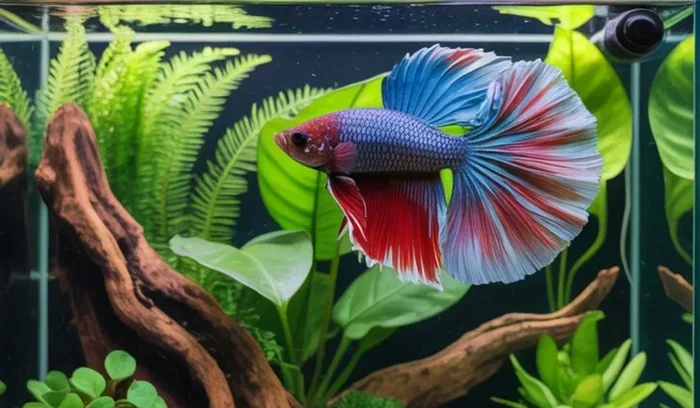
Betta fish thrive best in slightly soft to moderately hard water with a general hardness (gH) between 3 and 8 dGH. Most tap water is too hard or contains chemicals that can stress your betta. Understanding water hardness helps you create a safe, comfortable habitat for your fish.
When you set up a home for your betta fish, water quality is everything. One question new fish keepers ask all the time is whether water should be hard or soft for a betta fish. The answer is not as simple as one or the other. Betta fish have specific water hardness preferences that fall somewhere in the middle. Getting this right can mean the difference between a vibrant, active fish and a stressed, sick one.
Water hardness refers to the amount of dissolved minerals, mainly calcium and magnesium, in your water. These minerals come from the soil and rocks that water passes through before reaching your tap. Some areas have very hard water, while others have soft water. Neither extreme is ideal for bettas. In this guide, we will walk you through everything you need to know about water hardness and your betta fish.
By the end of this article, you will know exactly what water hardness level your betta needs, how to test your water, and what to do if your tap water is too hard or too soft. We will also cover how water hardness connects to other important factors like pH, temperature, and tank setup. Let us dive in.
Key Takeaways
- Soft to moderate water is best: Betta fish prefer a gH of 3 to 8 dGH for optimal health.
- Hard water can cause problems: Excess minerals can stress bettas and affect their gills and scales.
- Soft water also has risks: Water that is too soft can strip essential minerals from your fish’s body.
- Test your water regularly: A simple hardness test kit helps you monitor and maintain safe levels.
- You can adjust water hardness: Using conditioners, reverse osmosis, or mineral supplements lets you fine-tune your tank water.
- Temperature and hardness work together: Both factors affect your betta’s overall well-being.
📑 Table of Contents
- What Is Water Hardness and Why Does It Matter for Bettas?
- Should Water Be Hard or Soft for a Betta Fish?
- How to Test Your Water Hardness
- Common Problems Caused by Wrong Water Hardness
- The Relationship Between Water Hardness, pH, and Temperature
- Best Water Sources for Betta Fish
- Common Mistakes to Avoid When Managing Water Hardness
- How to Maintain Consistent Water Hardness Over Time
- Final Thoughts
What Is Water Hardness and Why Does It Matter for Bettas?
Water hardness measures the concentration of dissolved minerals in your water. The two main minerals are calcium and magnesium. When water passes through limestone or chalk deposits, it picks up these minerals and becomes harder. Water that flows through soft rock or sand stays soft.
For betta fish, water hardness affects everything from gill function to scale health. Bettas are native to the warm, slow-moving waters of Southeast Asia. These natural habitats tend to have moderately soft water with low mineral content. While captive-bred bettas can adapt to a range of conditions, they do best when their water closely mimics their natural environment.
Water hardness is measured in two main ways. General hardness (gH) measures calcium and magnesium. Carbonate hardness (kH) measures bicarbonate and carbonate levels. Both matter for your betta, but gH is the number most hobbyists focus on when discussing water softness or hardness.
How Water Hardness Is Measured
Water hardness is measured in degrees of general hardness, or dGH. Here is a quick breakdown of what different levels mean:
- Soft water: 0 to 4 dGH
- Moderately soft water: 4 to 8 dGH
- Moderately hard water: 8 to 12 dGH
- Hard water: 12 to 18 dGH
- Very hard water: 18+ dGH
For betta fish, the sweet spot falls in the moderately soft range, between 3 and 8 dGH. This range provides enough minerals for healthy bodily function without overwhelming the fish with excess calcium and magnesium.
Should Water Be Hard or Soft for a Betta Fish?
The short answer is that betta fish prefer slightly soft to moderately hard water. Most experts agree that a gH between 3 and 8 dGH is ideal. This range supports healthy gills, proper osmoregulation, and strong immune function.
But why does this range work so well? Bettas have thin, delicate gills that are sensitive to mineral buildup. Water that is too hard deposits excess calcium on gill tissue, making it harder for the fish to absorb oxygen. Over time, this can lead to respiratory distress and stress. On the flip side, water that is too soft lacks essential minerals that bettas need for cell function and electrolyte balance.
Think of it like this. Your betta’s body needs a balanced mineral environment, just like you need a balanced diet. Too much or too little of anything causes problems. The goal is to find that middle ground where your fish can thrive.
Comparing Hard Water vs. Soft Water for Bettas
Let us look at how hard and soft water each affect your betta fish:
- Hard water (above 12 dGH): Can cause mineral buildup on gills, scale damage, and pH instability. Bettas in very hard water may show signs of lethargy and loss of appetite.
- Soft water (below 3 dGH): Can leach minerals from the fish’s body over time, leading to weakened bones and poor immune response. Very soft water is also unstable and prone to pH crashes.
- Moderately soft water (3 to 8 dGH): Provides the ideal balance of minerals for betta health, stable pH, and strong immune function.
If your tap water is very hard, do not panic. You can lower the hardness using methods we will cover below. The key is knowing where your water stands and making adjustments as needed.
How to Test Your Water Hardness
You cannot tell water hardness by looking at it. You need a test kit. Testing your water is the first step in creating the best environment for your betta.
Types of Water Hardness Test Kits
There are several ways to test your water hardness at home:
- Liquid test kits: These are the most accurate option. You add a few drops of reagent to a water sample and compare the color change to a chart. The API Freshwater Master Test Kit is a popular choice among hobbyists.
- Test strips: These are quick and easy. You dip a strip into your water and compare the color to the provided chart. They are less precise than liquid kits but great for quick checks.
- Digital testers: These give instant digital readings. They are more expensive but very convenient and accurate.
Test your water at least once a week, especially when you first set up your tank or make changes. Water hardness can shift over time due to evaporation, water changes, and filter media. Keeping track of your numbers helps you catch problems early before they affect your fish.
Also, remember that what kind of water for a betta fish you use matters just as much as the hardness level. If you are unsure about your tap water, consider using a water conditioner for betta fish to neutralize harmful chemicals like chlorine and chloramine.
Common Problems Caused by Wrong Water Hardness
Getting the water hardness wrong is one of the most common mistakes new betta keepers make. Both extremes can cause serious health issues.
Signs Your Water Is Too Hard
- White crusty deposits on tank glass and decorations
- Betta gasping at the surface
- Dull or faded scales
- Loss of appetite
- Lethargy and hiding behavior
- Frequent diseases like ich or fin rot
Hard water often raises pH levels as well, which can push your tank into unsafe territory. Bettas prefer a pH between 6.5 and 7.5. When hardness and pH both climb too high, your fish is under serious stress.
Signs Your Water Is Too Soft
- Betta appears thin or emaciated over time
- Weak or brittle fins
- Frequent illness due to a compromised immune system
- Unstable pH that crashes suddenly
- Lack of energy or reduced activity
Very soft water is unstable because it lacks the buffering capacity provided by minerals. This means your pH can swing wildly, which is extremely dangerous for bettas. Even if your fish seems fine at first, long-term exposure to soft water can weaken its health.
How to Fix Hard Water for Your Betta Tank
If your tap water is too hard, you have several options:
- Use a water conditioner: Products like Seachem Prime can help neutralize some of the minerals and chemicals in hard tap water.
- Use reverse osmosis (RO) water: RO water is very pure and has almost no minerals. You can remineralize it to your desired hardness level using products like Seachem Equilibrium. This gives you full control over your water parameters.
- Blend tap water with RO or distilled water: Mixing hard tap water with softer water lowers the overall hardness. This is a simple and cost-effective approach.
- Use a water softener pillow: These are ion-exchange media that you place in your filter. They swap calcium and magnesium ions for sodium ions, effectively softening the water.
If you are using tap water, always make sure to treat it properly. Can you use tap water for a betta fish? Yes, but only after treating it with a conditioner to remove chlorine and chloramine. These chemicals are harmful even in small amounts.
How to Raise Soft Water for Your Betta Tank
If your water is too soft, you can add minerals back in. Here is how:
- Mineral supplements: Products like Seachem Equilibrium add calcium and magnesium without raising pH too much.
- Crushed coral or aragonite: Placing these in your filter or substrate slowly releases minerals into the water. This is a natural and gentle way to increase hardness.
- Partial water changes with harder water: Mixing in some harder water during water changes gradually raises the overall hardness.
Whatever method you choose, make changes slowly. Bettas are sensitive to sudden shifts in water parameters. A gradual approach is always safer and less stressful for your fish.
The Relationship Between Water Hardness, pH, and Temperature
Water hardness does not exist in isolation. It is closely connected to pH and temperature, and all three factors work together to create your betta’s environment.
Hardness and pH are linked because calcium and carbonate minerals act as buffers that stabilize pH. Hard water tends to have higher pH because of the dissolved minerals. Soft water has less buffering capacity, so pH can fluctuate more easily. For bettas, stable pH is just as important as the actual number.
Hardness and temperature also interact. Warmer water holds fewer dissolved gases and minerals. During hot weather or if your tank heater runs high, your water hardness may effectively drop. This is why it is important to test your water regularly and adjust as needed.
For the best results, aim for these combined parameters:
- Temperature: 76 to 82 degrees Fahrenheit (24 to 28 degrees Celsius)
- gH: 3 to 8 dGH
- kH: 3 to 5 dKH
- pH: 6.5 to 7.5
Keeping all of these in balance creates a stable, healthy environment. If you want to learn more about the ideal temperature for your betta, check out our guide on what temperature should water be for a betta fish.
Best Water Sources for Betta Fish
Not all water sources are created equal. Here is a quick look at common options and how they compare:
- Tap water: Convenient and affordable, but often contains chlorine, chloramine, and varying levels of hardness. Always treat with a conditioner before adding it to your tank. Learn more about using tap water in our article can you use tap water for a betta fish.
- Spring water: Naturally filtered and often has a good mineral balance. Check the label for mineral content before using it.
- RO water: Very pure and customizable. You control the mineral content by adding supplements. This is the best option for precision water management.
- Distilled water: Completely pure with no minerals. You must remineralize it before using it for bettas. Too much distilled water without minerals can harm your fish.
- Well water: Mineral content varies widely. Test well water thoroughly before using it, as it may contain contaminants or excessive hardness.
The best approach for most hobbyists is to use treated tap water blended with RO or distilled water. This gives you control over hardness while keeping costs manageable. How to prepare water for a betta fish properly is a skill that every betta keeper should develop. Visit our guide on how to prepare water for a betta fish for step-by-step instructions.
Common Mistakes to Avoid When Managing Water Hardness
Even experienced fish keepers sometimes make mistakes with water hardness. Here are the most common ones to watch out for:
- Ignoring water hardness altogether: Many beginners focus only on temperature and pH, forgetting that hardness matters just as much.
- Making sudden water changes: Replacing too much water at once can shock your betta with a sudden shift in hardness and other parameters.
- Using untreated tap water: Chlorine and chloramine in untreated tap water can damage your betta’s gills and cause serious health problems.
- Over-relying on test strips: Test strips are convenient but less accurate than liquid kits. For precise readings, invest in a quality liquid test kit.
- Not remineralizing RO or distilled water: Using pure water without adding minerals back can strip your betta of essential electrolytes.
Avoiding these mistakes will save you time, money, and heartache. A little prevention goes a long way in keeping your betta healthy and happy.
How to Maintain Consistent Water Hardness Over Time
Once you have your water hardness dialed in, the next challenge is keeping it stable. Here are some practical tips:
- Perform regular water changes: Replace 25 to 50 percent of your tank water every week. This helps maintain consistent hardness and removes waste buildup.
- Use the same water source: If you mix RO water with tap water, use the same ratio every time for consistency.
- Monitor evaporation: As water evaporates, minerals concentrate and hardness rises. Top off with fresh dechlorinated water, not RO water, to prevent mineral buildup.
- Test regularly: Make testing part of your weekly routine. Catching a slow drift in hardness early lets you fix it before it becomes a problem.
- Keep your filter maintained: Some filter media can affect water hardness over time. Replace or clean your filter media according to the manufacturer’s instructions.
Consistency is the secret to a healthy betta tank. Bettas do not like sudden changes. When your water parameters stay stable, your fish feels safe, eats well, and shows off its beautiful colors.
Final Thoughts
The question of whether water should be hard or soft for a betta fish comes down to balance. Betta fish do best in slightly soft to moderately hard water with a general hardness between 3 and 8 dGH. Too hard or too soft water both carry risks that can impact your fish’s health and lifespan.
Testing your water regularly, making adjustments gradually, and using the right water source are the foundations of good betta care. You do not need expensive equipment to get it right. A basic test kit, a quality water conditioner, and a little patience go a long way.
Remember that water hardness is just one piece of the puzzle. Temperature, pH, filtration, and regular maintenance all work together to create a thriving environment for your betta. If you want to learn more about other aspects of betta care, check out our article on what water to use for a betta fish and our guide on how to do a water change for a betta fish.
Take the time to understand your water, and your betta will reward you with years of vibrant color and lively behavior. Happy fish keeping!
Frequently Asked Questions
What is the best water hardness for betta fish?
The ideal general hardness (gH) for betta fish is between 3 and 8 dGH. This range provides enough minerals for healthy bodily function without overwhelming the fish with excess calcium and magnesium. Keeping your water in this range supports strong gills, good immune function, and overall vitality.
Can betta fish live in hard water?
Betta fish can survive in hard water, but it is not ideal. Water above 12 dGH can cause mineral buildup on gills, scale damage, and pH instability. If your tap water is very hard, consider blending it with RO or distilled water to lower the hardness to a safer level for your betta.
Can betta fish live in soft water?
Betta fish can tolerate slightly soft water, but water below 3 dGH can be problematic. Very soft water lacks essential minerals and has poor buffering capacity, which can lead to pH crashes and weakened immune function. If your water is too soft, use mineral supplements to bring it up to a safe range.
How often should I test my betta’s water hardness?
You should test your water hardness at least once a week. Water parameters can shift due to evaporation, water changes, and filter media. Regular testing helps you catch changes early and make adjustments before they affect your betta’s health.
Does water hardness affect betta fish color?
Yes, indirectly. Poor water hardness can stress your betta, and stressed fish often lose their vibrant colors. When water hardness is in the ideal range, your betta stays healthy and displays its full, rich coloration. Stable water parameters are key to a colorful, happy betta.
What is the difference between gH and kH in a betta tank?
gH stands for general hardness and measures calcium and magnesium levels. kH stands for carbonate hardness and measures bicarbonate and carbonate levels. gH affects your betta’s mineral intake, while kH acts as a buffer that stabilizes pH. Both are important for a healthy betta tank, but gH is the main number to watch for water softness or hardness.