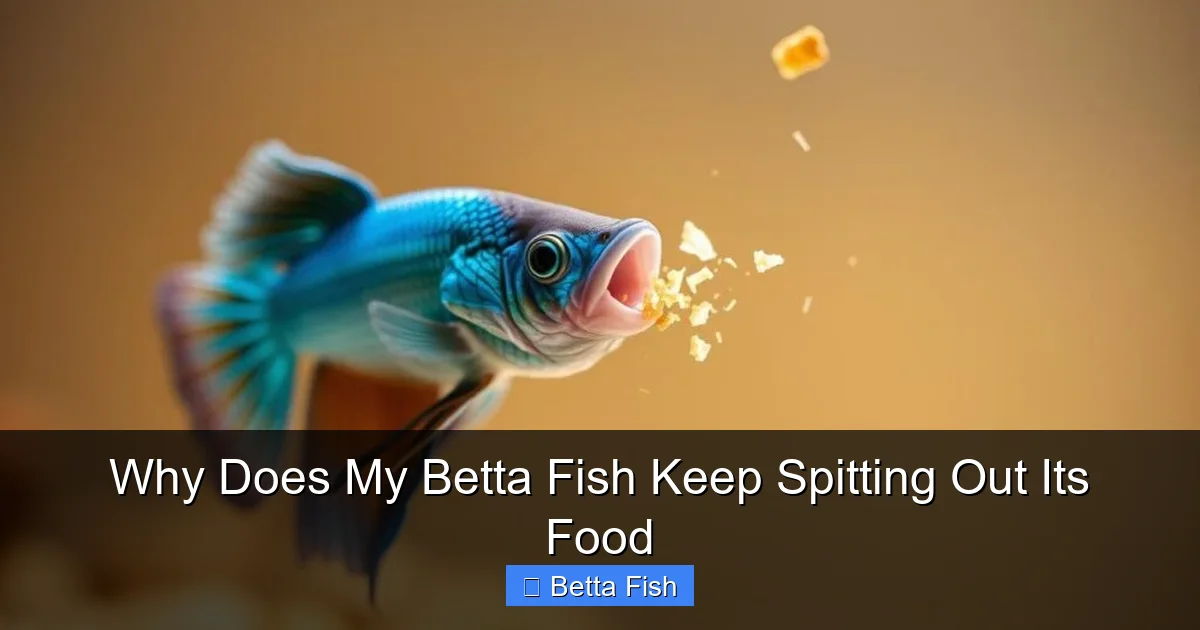
Why Does My Betta Fish Keep Spitting Out Its Food
Betta fish may spit out food for many reasons, from water quality issues to improper feeding habits. Identifying the root cause and adjusting tank conditions, diet, and handling will help your betta eat confidently again.
Key Takeaways
- Water quality matters: Poor parameters trigger stress and cause bettas to reject food.
- Food type and size: Large, hard, or inappropriate foods are often spat out.
- Feeding technique: Over‑feeding or feeding from too high a spot can confuse the fish.
- Health check: Illness, mouth parasites, or fin damage can make swallowing painful.
- Tank environment: Strong currents, bright lights, or aggressive tank mates may deter feeding.
- Observation is key: Watching behavior closely helps pinpoint the exact problem.
- Gradual adjustments: Small, consistent changes lead to lasting improvement.
📑 Table of Contents
- Introduction: When Your Betta Turns Its Nose Up
- 1. Water Quality – The Silent Stressor
- 2. Food Type, Size, and Freshness
- 3. Feeding Technique – How You Offer the Meal
- 4. Health Issues – When Pain Stops Eating
- 5. Tank Environment – Stress From the Outside
- 6. Behavioral Factors – Boredom and Stress
- Putting It All Together – A Simple Action Plan
- Conclusion: A Happy Betta Starts with Listening
Introduction: When Your Betta Turns Its Nose Up
Imagine you’re watching your beautiful betta glide around the tank, and suddenly you notice tiny pellets popping back out of its mouth. It’s frustrating, confusing, and a little scary—especially if you’re a new fish keeper. “Why does my betta fish keep spitting out its food?” is a question that pops up in forums, blogs, and chat groups all the time.
Don’t worry; you’re not alone. Spitting is a normal instinct for wild bettas that hunt live prey, but a captive betta that consistently rejects food is often sending a warning signal. In this guide we’ll break down the most common reasons, walk you through practical troubleshooting steps, and give you a clear plan to get your betta back to eating happily.
1. Water Quality – The Silent Stressor
Why clean water matters
Betta fish are surprisingly sensitive to water chemistry. High ammonia, nitrite spikes, or a pH that’s too low/high can cause stress, loss of appetite, and the urge to spit out food. Even a slight cloudiness can make a betta feel unsafe.
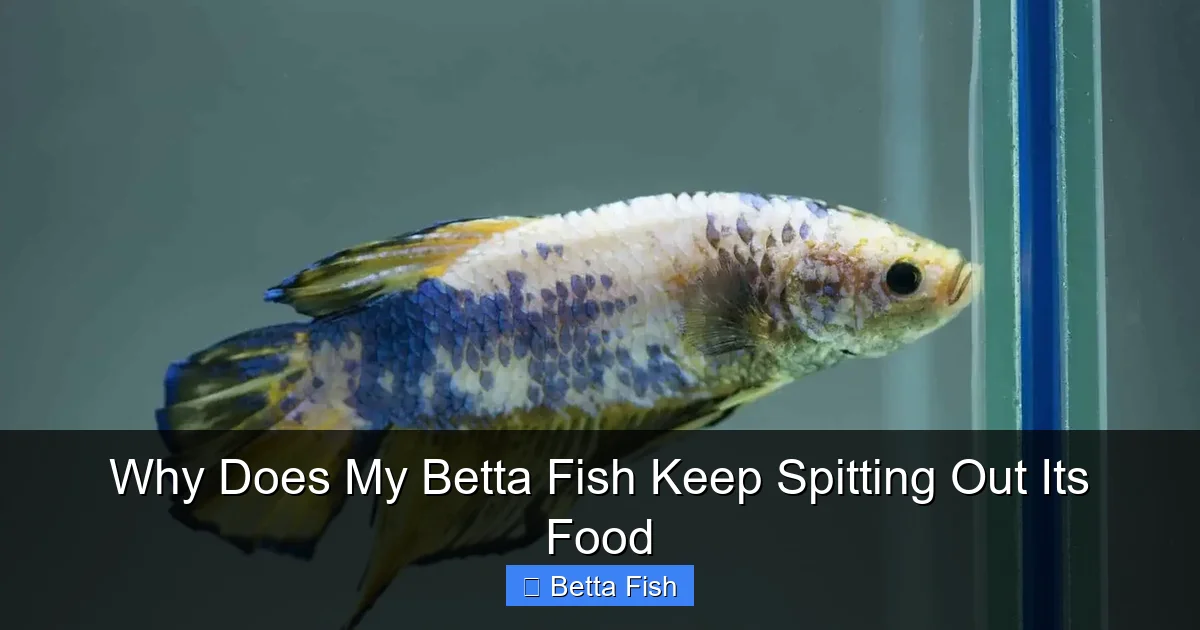
Visual guide about Why Does My Betta Fish Keep Spitting Out Its Food
Image source: bettasource.com
How to test and fix
- Use a liquid test kit (or digital tester) to check ammonia, nitrite, nitrate, and pH weekly.
- Perform a 25‑30% water change if any parameter is out of the ideal range (ammonia = 0 ppm, nitrite = 0 ppm, nitrate < 20 ppm, pH = 6.5‑7.5).
- Condition the new water with a dechlorinator and let it reach room temperature before adding it.
Keeping the water pristine not only stops spitting but also boosts overall health. For more on water‑related feeding issues, see our article Why Is My Betta Fish Spitting Out Food.
2. Food Type, Size, and Freshness
Choosing the right diet
Betta fish are obligate carnivores. In the wild they eat insects, larvae, and tiny crustaceans. In captivity, high‑quality pellets, frozen or freeze‑dried bloodworms, and occasional live foods work best. If the food is too large, too hard, or stale, the betta will push it out.

Visual guide about Why Does My Betta Fish Keep Spitting Out Its Food
Image source: wildbettablog.com
Practical tips
- Offer pellets no larger than the size of the fish’s eye. If they’re too big, crush them slightly.
- Rotate between pellet, frozen, and live foods to keep interest high.
- Store frozen foods in a sealed bag and use a fresh batch each week.
- Warm frozen foods to room temperature before feeding; cold food can feel “dead” and be rejected.
If you’re still seeing food fly out, try a softer option like a high‑protein betta gel or soaked pellet. A detailed look at food preferences can be found in Why Betta Fish Spit Out Food.
3. Feeding Technique – How You Offer the Meal
Location and timing
Betta fish have a natural tendency to feed near the water surface. Dropping food from a high spot can cause it to sink before the betta can grab it, leading to frustration and spitting.
Step‑by‑step feeding routine
- Turn off any strong lights for a minute to reduce stress.
- Use a small spoon or feeding tongs to place 2–3 pellets gently near the surface, close to the tank’s front glass.
- Watch for the betta to take the food within 10‑15 seconds. If it doesn’t, remove the uneaten bits to keep the tank clean.
- Feed 2‑3 times a day, offering only what can be eaten in a few minutes.
Consistency helps the betta learn where and when to expect food, reducing the urge to spit.
4. Health Issues – When Pain Stops Eating
Common ailments that cause spitting
- Fin rot or torn fins: Damage around the mouth makes swallowing uncomfortable.
- Swim bladder disorder: An imbalanced swim bladder can affect the fish’s ability to position itself for feeding.
- Parasites or fungal growth: Look for white spots, cotton‑like growths, or a fuzzy film on the mouth.
- Dental problems: Although bettas don’t have true teeth, overgrown jawbones can cause irritation.
When to seek treatment
If you notice any of the following, act quickly:
- Visible sores, red edges, or fin raggedness.
- Lethargy, loss of color, or abnormal swimming.
- Persistent spitting despite perfect water and diet.
In these cases, isolate the betta in a hospital tank, treat with appropriate medication (e.g., Maracyn for bacterial infections, antifungal agents for fungus), and monitor recovery. For a deeper dive into health‑related feeding problems, read Why Did My Betta Fish Stop Eating.
5. Tank Environment – Stress From the Outside
Current and lighting
Betta fish are “labyrinth” fish that prefer calm waters. A strong filter flow can push food away before the betta can catch it, prompting spitting. Likewise, overly bright lighting can make the fish nervous.
Optimizing the habitat
- Use a gentle sponge filter or add a flow‑deflector to reduce current.
- Keep the tank in a quiet area, away from windows or loud appliances.
- Provide plenty of hiding spots (plants, caves) so the betta feels secure.
- Maintain a day/night cycle of 10‑12 hours of light and 12‑14 hours of darkness.
These tweaks often solve the spitting problem without changing food or water parameters.
6. Behavioral Factors – Boredom and Stress
Why behavior matters
Betta fish are intelligent and can become bored. A monotone routine may lead them to “play” with food and spit it out. Additionally, the presence of aggressive tank mates (even other bettas in a divided tank) can cause stress‑related feeding refusal.
Enrichment ideas
- Introduce live plants or silk foliage for exploration.
- Rotate feeding locations weekly to keep the betta curious.
- Offer occasional “treats” like brine shrimp or daphnia as a surprise.
Enrichment not only reduces spitting but also promotes vibrant colors and active behavior.
Putting It All Together – A Simple Action Plan
- Test water: Verify ammonia, nitrite, nitrate, and pH. Change water if needed.
- Assess food: Switch to a softer pellet or fresh frozen bloodworm for three meals.
- Adjust feeding method: Feed near the surface, turn off strong lights, and remove leftovers quickly.
- Check health: Look for signs of fin rot, parasites, or swim bladder issues. Treat if necessary.
- Modify environment: Reduce current, dim lights, add plants, and ensure the tank is in a quiet spot.
- Provide enrichment: Change feeding spots, add live foods, and give hiding places.
Follow this checklist for a week and observe any changes. Most bettas start eating within 2‑3 days if the main issue is water or food type. If spitting persists, revisit each step and consider a vet visit.
Conclusion: A Happy Betta Starts with Listening
Betta fish don’t spit out food for fun; they’re trying to tell you something is off. By paying attention to water quality, diet, feeding technique, health, and environment, you can decode that message and restore a healthy appetite. Remember, small, consistent improvements are more effective than dramatic overhauls. Keep a journal of water tests and feeding observations, and you’ll soon see your betta happily gulping down its meals instead of playing food‑catch.
Happy fish keeping!
Frequently Asked Questions
Why is my betta fish spitting out food only at certain times of day?
Changes in lighting or tank activity can stress a betta during specific periods. Try feeding during calmer times, such as after the lights are dimmed, and observe if the behavior improves.
Can over‑feeding cause my betta to spit out food?
Yes. When a betta feels full, it may push excess food out of its mouth. Offer only 2‑3 pellets per feeding and remove leftovers within a few minutes.
Is it normal for bettas to spit out live foods like brine shrimp?
Live foods can be too active for a shy or stressed betta. Try offering them very small or frozen alternatives until the fish becomes more confident.
My betta’s fins look shredded—could this be why it won’t eat?
Shredded fins often indicate fin rot or infection, which can make swallowing painful. Treat the condition promptly and provide soft food while the fins heal.
Could a strong filter be the reason my betta won’t eat?
Strong currents can push food away before the betta can catch it, leading to spitting. Use a sponge filter or add a flow‑deflector to calm the water.
When should I consider moving my betta to a new tank?
If water quality remains unstable despite regular changes, or if the tank is overcrowded, a fresh, well‑cycled tank can reduce stress and improve feeding behavior.