How Much Times to Feed a Betta Fish
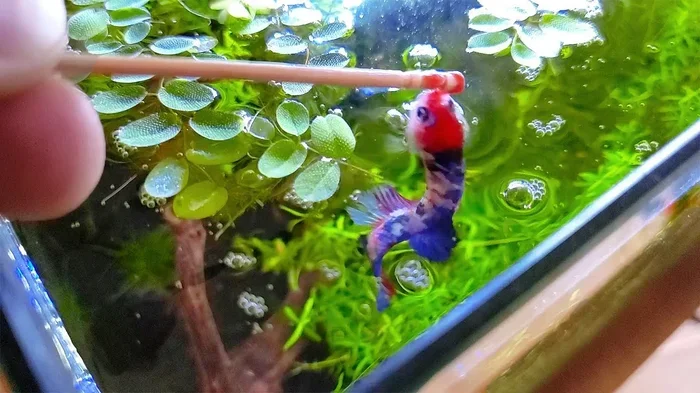
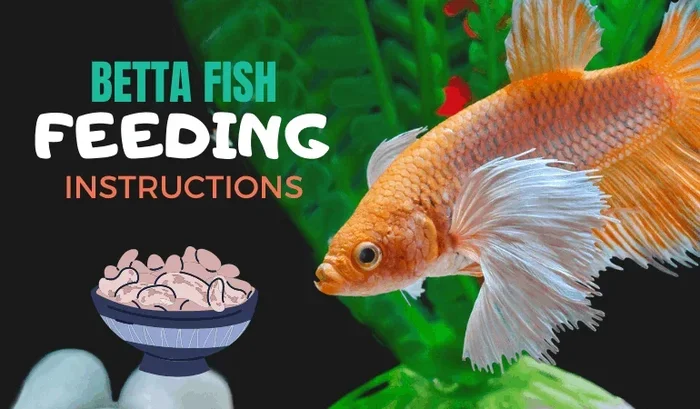
Knowing how many times to feed a betta fish is one of the most important parts of betta fish care. Most experts recommend feeding your betta fish 2 to 3 times a day with small portions. Overfeeding is a common mistake that can lead to serious health problems, so sticking to a consistent feeding schedule matters more than you might think.
If you own a betta fish or are thinking about getting one, feeding time is something you need to get right. One of the first questions every betta owner asks is how much times to feed a betta fish. The answer is simpler than you might think, but there are important details that can make a big difference in your fish’s health and lifespan.
Feeding your betta fish the right number of times each day keeps their metabolism running smoothly. It also prevents common problems like bloating, constipation, and water contamination. In this guide, we will walk you through everything you need to know about your betta feeding schedule. You will learn exactly how often to feed, how much to give, and what to watch out for.
Key Takeaways
- Feed your betta fish 2 to 3 times a day with small portions to match their tiny stomach size.
- Overfeeding is the biggest danger and can cause bloating, constipation, and poor water quality.
- A consistent feeding schedule helps your betta stay healthy, active, and colorful.
- High-quality pellets should be the staple of your betta fish diet, supplemented with occasional treats.
- Watch for signs of overfeeding like uneaten food, cloudy water, or a swollen belly.
- Adjust feeding frequency based on age — baby bettas need more frequent small meals than adults.
- Fasting one day a week helps your betta’s digestive system stay healthy and clear.
📑 Table of Contents
- Why Feeding Frequency Matters for Your Betta Fish
- How Much Food Should You Give Per Feeding
- Common Feeding Mistakes to Avoid
- Feeding Schedule by Age and Life Stage
- Special Feeding Tips for a Healthy Betta
- How to Tell If You Are Feeding the Right Amount
- Best Feeding Routine for Most Betta Owners
- Final Thoughts on Your Betta Fish Feeding Schedule
Why Feeding Frequency Matters for Your Betta Fish
Betta fish have small stomachs. In fact, their stomach is roughly the size of their eye. This means they cannot handle large meals the way bigger fish can. Feeding frequency directly impacts digestion, energy levels, and overall betta fish health. When you feed too often or too much, the extra food rots in the tank. This spikes ammonia levels and makes your fish sick.
On the other hand, underfeeding can leave your betta weak and dull-colored. The sweet spot is a balanced routine that mimics what bettas would eat in the wild. In their natural habitat, bettas eat small amounts throughout the day. They snack on insects, larvae, and tiny organisms. Replicating this pattern at home is the goal.
How Many Times to Feed a Betta Fish Each Day
The standard recommendation is to feed your betta fish 2 to 3 times a day. This gives them a steady supply of nutrition without overwhelming their digestive system. Here is a simple breakdown:
- Twice a day: Morning and evening feedings work well for most adult bettas.
- Three times a day: Some owners prefer smaller meals spread across the day. This can work well too.
- Once a day: This is okay if you are careful about portion size, but most experts prefer 2 to 3 feedings.
The key is consistency. Pick times that work for your schedule and stick to them. Your betta will learn the routine and get excited at feeding time. Just make sure you are not skipping days or doubling up on portions to make up for a missed feeding.
How Much Food Should You Give Per Feeding
Portion control is just as important as frequency. How much you feed matters as much as how often you feed. A good rule of thumb is to give your betta fish 2 to 3 pellets per feeding. If you are using other types of food, adjust accordingly.
Here is a quick guide to portion sizes:
- Pellets: 2 to 3 medium-sized pellets per feeding.
- Frozen or live food: A small pinch, about the size of your betta’s eye.
- Bloodworms: 1 to 2 worms per feeding as a treat.
- Flakes: A tiny pinch, but pellets are generally better for bettas.
Always remove uneaten food after 5 minutes. Leftover food breaks down quickly and pollutes the water. If you notice your betta leaving food behind, you are probably giving too much. Cut back on the portion size and see if that helps.
The Right Betta Fish Diet
Not all fish food is created equal. A high-quality betta fish diet should be protein-rich because bettas are carnivores. Look for pellets that list fish meal or shrimp as the first ingredient. Avoid cheap flakes filled with fillers and artificial colors.
A healthy betta diet includes:
- Staple food: High-quality betta pellets given daily.
- Protein treats: Bloodworms, brine shrimp, or daphnia 2 to 3 times a week.
- Variety: Rotating between different foods keeps your betta interested and well-nourished.
If you want to learn more about the best foods for your betta, check out our guide on what to feed a betta fish for detailed recommendations.
Common Feeding Mistakes to Avoid
Even experienced fish owners make feeding mistakes. The good news is that most of these errors are easy to fix once you know what to look for. Here are the most common problems people have with their betta feeding schedule.
Overfeeding Your Betta Fish
This is the number one mistake. Overfeeding a betta fish can cause serious health issues. When a betta eats too much, the excess food sits in the stomach and causes bloating. A bloated betta fish may swim oddly, lose its appetite, or develop constipation. In severe cases, overfeeding can be fatal.
Remember that bettas do not have a natural stop signal when eating. They will keep eating if food is available. This is why you must control the portions yourself. Less is more when it comes to feeding bettas.
Feeding Too Frequently
Some owners think feeding more often means a healthier fish. This is not true. Feeding your betta 4 or 5 times a day can overwhelm its digestive system. Stick to 2 to 3 times a day and keep portions small. Your fish will be just as healthy, and the water in the tank will stay cleaner longer.
Ignoring the Feeding Schedule
Inconsistency can stress your betta fish. If you feed at random times or skip days without meaning to, your fish may become anxious or aggressive. Setting a routine helps your betta feel secure. It also makes it easier for you to monitor how much food your fish is eating each day.
Feeding Schedule by Age and Life Stage
Not all bettas need the same feeding frequency. Age plays a big role in how often and how much you should feed. Here is a closer look at what works for different life stages.
Baby Betta Fish Feeding
Young bettas need more frequent meals to support their rapid growth. Feed baby betta fish 3 to 4 times a day with very small portions. Crushed pellets or baby brine shrimp work great for fry and juvenile bettas. The goal is small, frequent meals that are easy to digest.
Adult Betta Fish Feeding
Adult bettas do well with 2 to 3 feedings per day. By the time your betta reaches full size (around 6 months old), you can stick to a standard routine. Monitor your fish’s weight and activity level. If your betta seems sluggish, try adjusting the portion size or frequency slightly.
Senior Betta Fish Feeding
Older bettas may need fewer feedings. As they age, their metabolism slows down. Some senior bettas do well with just 1 to 2 feedings per day. Watch for signs of decreased appetite and adjust accordingly. Always provide high-quality, easy-to-digest food for aging fish.
Special Feeding Tips for a Healthy Betta
Beyond the basics, there are a few extra tips that can take your betta fish care to the next level. These small habits make a big difference over time.
Fast Your Betta Once a Week
Giving your betta a break from food once a week is a great practice. Fasting helps clear the digestive system and prevents constipation. Most bettas can easily go 24 hours without food. Some owners fast their fish every 7 to 10 days. Your betta will be just fine, and you may notice improved energy levels afterward.
Soak Pellets Before Feeding
Dry pellets can expand inside your betta’s stomach, causing discomfort. Soak them in tank water for a few minutes before feeding. This makes them softer and easier to digest. It also prevents the pellets from floating at the top of the tank uneaten.
Use a Feeding Ring or Target
If your betta tends to miss food or you have other tank mates, a feeding ring can help. Place the food inside the ring so your betta knows exactly where to find it. This reduces waste and ensures your fish gets the right amount every time.
Observe Your Betta During Feeding
Feeding time is a great opportunity to check on your fish’s health. Watch how quickly your betta eats. A healthy betta should eat eagerly within a minute or two. If your fish seems uninterested in food, it could be a sign of illness or stress. Paying attention during feeding helps you catch problems early.
How to Tell If You Are Feeding the Right Amount
It is not always obvious whether your feeding routine is working. Here are some signs to look for:
- Healthy appetite: Your betta eats eagerly and finishes food within 2 minutes.
- Bright colors: A well-fed betta displays vibrant reds, blues, and greens.
- Active swimming: Your fish moves around the tank with energy and curiosity.
- Clean water: No excess food left behind means less waste and better water quality.
- Normal bowel movements: A healthy betta produces small, solid waste regularly.
If you notice any of these warning signs, your betta may be getting too much or too little food:
- Swollen belly: This often signals overfeeding or constipation.
- Food left uneaten after 5 minutes: You are giving too much per feeding.
- Lethargy or loss of color: This could mean underfeeding or poor nutrition.
- Cloudy water after feeding: Excess food is decaying and polluting the tank.
For more guidance on portion sizes and feeding amounts, you can read our detailed article on how much to feed a betta fish for expert tips and practical advice.
Best Feeding Routine for Most Betta Owners
Still not sure how to set up your daily routine? Here is a simple schedule that works for the majority of betta fish owners. This routine balances frequency, portion size, and variety.
- Morning feeding (8-9 AM): Give 2 to 3 betta pellets. Soak them first if they are dry.
- Evening feeding (6-7 PM): Give another 2 to 3 pellets. You can swap in a treat like a bloodworm once or twice a week.
- Weekly fasting day: Pick one day a week where you do not feed at all. Sunday works well for most people.
Keep a simple log if you are new to betta care. Write down what you fed and how much. This helps you spot patterns and adjust as needed. After a few weeks, feeding will become second nature.
If you want to dive deeper into setting up a complete care routine, our article on how often to feed a betta fish covers this topic in even more detail.
Final Thoughts on Your Betta Fish Feeding Schedule
Getting the feeding frequency right is one of the simplest yet most impactful things you can do for your betta fish. Feeding your betta 2 to 3 times a day with small, measured portions gives your fish the best chance at a long, healthy, and colorful life. Avoid the common trap of overfeeding, and always remove uneaten food promptly.
Remember that every betta is a little different. Age, activity level, water temperature, and overall health all play a role in appetite and digestion. Use the guidelines in this article as a starting point, then adjust based on what works best for your individual fish. Watch your betta closely, stay consistent, and you will have a happy, thriving companion for years to come.
For a complete look at betta nutrition and food options, visit our how many pellets to feed a betta fish guide for specific pellet recommendations and feeding tips.