Should You Cycle an Aquarium with Betta Fish
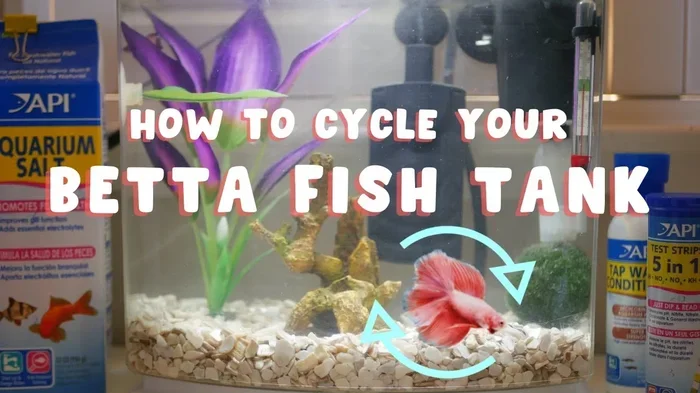
Cycling an aquarium before adding betta fish is one of the most important steps you can take for your fish’s health. The nitrogen cycle removes toxic ammonia and nitrite from the water, creating a safe environment. While some owners skip this step, it often leads to stress, disease, and even death for bettas. A properly cycled tank stabilizes water parameters and gives your betta the best chance at a long, vibrant life. This guide walks you through everything you need to know about cycling with betta fish.
So, should you cycle an aquarium with betta fish? The short answer is yes. Absolutely, without question. Cycling an aquarium is the process of building up beneficial bacteria that break down harmful toxins. Without this cycle, your betta fish is swimming in poison every single day.
Many beginners wonder if they can skip the cycle and add their betta right away. It is tempting. You buy a beautiful fish, set up a tank, and want to see your new pet swimming happily. But here is the truth. An uncycled aquarium is dangerous for any fish, and bettas are no exception. Taking a few extra weeks to complete the cycle can mean the difference between a thriving fish and a tragic loss.
This article covers everything you need to know. We will talk about what the nitrogen cycle actually is, why it matters so much for bettas, and how to cycle your tank the right way. You will also learn common mistakes to avoid and how to tell when your tank is truly ready. Let us dive in.
Key Takeaways
- Cycling is essential: It establishes beneficial bacteria that neutralize toxic compounds in the water.
- Fishless cycling is safer: Adding bettas before the cycle completes risks exposing them to harmful ammonia and nitrite.
- Patience pays off: A full cycle takes 4 to 6 weeks, but it prevents countless health problems down the road.
- Test your water regularly: Monitoring ammonia, nitrite, and nitrate levels tells you exactly where you stand in the cycling process.
- Live plants help: They absorb toxins and speed up the cycling process naturally.
- Never rush the process: Adding betta fish too early is the most common mistake new aquarists make.
📑 Table of Contents
What Is Aquarium Cycling?
Aquarium cycling is the process of establishing a colony of beneficial bacteria inside your tank. These tiny organisms do the heavy lifting when it comes to water quality. They convert toxic substances into less harmful ones, creating a stable environment for your fish.
The Nitrogen Cycle Explained
The nitrogen cycle has three main stages. First, fish waste and uneaten food produce ammonia. Ammonia is extremely toxic to fish, even in small amounts. Next, a type of bacteria called Nitrosomonas converts ammonia into nitrite. Nitrite is also harmful, though less toxic than ammonia. Finally, another group of bacteria called Nitrospira converts nitrite into nitrate. Nitrate is much less dangerous and can be removed through regular water changes.
When you cycle a tank, you are essentially growing these helpful bacteria colonies. Once they are established, they work around the clock to keep your water safe. This is why cycling is so critical before adding any fish, especially betta fish.
Why Cycling Matters for Betta Fish
Bettas are tropical fish that need clean, stable water. They are hardy compared to many other species, but that does not mean they can survive in toxic water. Betta fish care starts with the tank environment. Even the hardiest betta will struggle in an uncycled aquarium.
Exposure to ammonia and nitrite damages the gills, scales, and fins of your fish. It causes stress, which weakens the immune system. A stressed betta is much more likely to develop infections, fin rot, and other diseases. Cycling your aquarium removes these risks and gives your betta the foundation it needs to thrive.
Should You Cycle Before Adding Betta Fish?
The clear answer from experienced aquarists is yes. You should always cycle your tank before introducing any fish. But let us look at the two main approaches so you can understand the full picture.
Fishless Cycling vs. Fish-In Cycling
Fishless cycling is the recommended method. You add an ammonia source to the tank without any fish present. This allows the beneficial bacteria to grow safely. The process takes about four to six weeks, but it keeps your future fish safe from toxic water.
Fish-in cycling means adding fish while the cycle is still in progress. Some people do this with bettas because they are hardy. But this approach is risky. Ammonia and nitrite levels can spike quickly, causing stress and illness. Even if your betta survives, it may suffer long-term health effects from poor water quality.
The Risks of Skipping the Cycle
Skipping the cycle is the number one mistake new fish owners make. Here is what can go wrong in an uncycled tank:
- Ammonia spikes that burn the gills and skin of your betta.
- Nitrite poisoning that prevents oxygen from binding to the blood.
- Chronic stress that shortens your betta’s lifespan significantly.
- Cloudy water caused by bacterial blooms from excess waste.
- Fish loss that could have been completely prevented with patience.
Your betta deserves a safe home. Taking the time to fully cycle your tank is the best gift you can give it.
How to Cycle an Aquarium with Betta Fish
If you have already set up your tank and are ready to start the cycle, this section is for you. Follow these steps carefully to build a healthy environment for your betta fish.
Step 1: Set Up Your Tank
Start by assembling your aquarium. Make sure you have a filter, a heater, and a substrate in place. The filter is essential because it provides a surface for beneficial bacteria to colonize. Choose a gentle filter since bettas prefer calm water flow. You can also add live plants at this stage, as they help absorb ammonia and produce oxygen naturally.
Step 2: Add an Ammonia Source
Since you are doing a fishless cycle, you need to introduce ammonia without fish. You can use pure ammonia drops from a pet store. Add enough to reach about two to four parts per million (ppm). This feeds the bacteria you are trying to grow. Test the water daily to monitor the levels.
Step 3: Wait and Test
Now comes the hardest part. Waiting. Over the next few weeks, test your water regularly for ammonia, nitrite, and nitrate. You will see ammonia rise first, then drop as bacteria start working. Nitrite will spike next, then fall as the second group of bacteria takes over. Finally, you will see nitrate appear. This is the sign that your cycle is progressing.
Step 4: Confirm the Cycle Is Complete
Your tank is fully cycled when you can add ammonia and see it drop to zero within 24 hours. Both ammonia and nitrite should read zero, while nitrate should be present. At this point, you can safely add your betta fish. Always do a large water change before introducing your fish to keep nitrate levels low.
Quick Tips for a Smooth Cycle
- Keep the water temperature between 78 and 80 degrees Fahrenheit to encourage bacterial growth.
- Avoid turning off your filter, as the bacteria need oxygen to survive.
- Be patient. Rushing the cycle almost always leads to problems.
- Use a quality water conditioner to remove chlorine from tap water.
Common Mistakes to Avoid During Cycling
Even with the best intentions, mistakes happen during the cycling process. Here are the most common ones and how to avoid them.
Adding Your Betta Too Early
This is the big one. Many owners cannot wait and add their betta before the cycle finishes. The result is often a sick fish and a frustrating experience. Always wait until the cycle is fully complete before introducing your betta. There is no shortcut that replaces a few weeks of patience.
Overfeeding During the Cycle
During a fishless cycle, you are not feeding any fish. But some people add too much ammonia source, thinking more is faster. Too much ammonia can actually stall the cycle or kill the bacteria you are trying to grow. Add ammonia in small, controlled amounts and test frequently.
Skipping Water Tests
You cannot cycle by guessing. Testing your water is the only way to know what is happening in your tank. Invest in a reliable liquid test kit. Test strips are less accurate but still useful as a backup. Without testing, you are flying blind.
Ignoring pH and Temperature
Beneficial bacteria thrive within specific water parameters. If your pH is too high or too low, the cycling process slows down. Similarly, cold water slows bacterial growth. Keep your tank warm and stable. If you are unsure about your tank parameters, a liquid test kit and a reliable heater make a big difference.
How to Know When Your Tank Is Ready for Betta Fish
You have been cycling for a few weeks. How do you know it is time to add your betta? There are clear signs that your tank has completed the cycle and is safe for fish.
First, your ammonia and nitrite levels should both read zero. Second, you should see nitrate present at low levels, ideally under 20 ppm. Third, the water should be clear and odor-free. Cloudy or smelly water means something is still off balance.
Before adding your betta, do a 50 percent water change to reduce nitrate. Check that your heater is set to the right temperature, around 78 to 80 degrees Fahrenheit. Make sure your filter is running gently and not creating too much flow. Bettas prefer still or slow-moving water, so a sponge filter works great.
Once your betta is in the tank, continue testing the water for the first few weeks. A stable tank means a happy betta. If you are also considering adding plants or other tank mates, make sure they are compatible with bettas. Research each addition carefully to keep the environment peaceful and healthy.
Expert Insights on Cycling with Betta Fish
Experienced aquarists agree on one thing. Cycling is not optional. It is a fundamental part of responsible fish keeping. Even if you are eager to see your betta swimming in its new home, the wait is worth it.
Many experts recommend adding live plants during the cycling process. Plants like java fern and anubias absorb ammonia and help speed up the nitrogen cycle. They also provide hiding spots and enrichment for your betta once the tank is fully stocked.
Another pro tip is to use bottled beneficial bacteria supplements. These products can shorten the cycling time by a week or more. They introduce the bacteria directly into your tank, giving your colony a head start. Just make sure to pair them with regular testing for the best results.
If you ever feel unsure about your water quality, remember that testing is your best friend. A simple test kit costs very little compared to the life it can save. Keep your water quality high, and your betta will reward you with vibrant colors and active behavior for years to come.
Conclusion
Cycling an aquarium with betta fish is one of the most important things you can do as a fish owner. It takes time, patience, and a little effort, but the results are well worth it. A properly cycled tank gives your betta clean, safe water to live in. It prevents disease, reduces stress, and sets the foundation for a long and healthy life.
Do not rush the process. Avoid the temptation to add your betta before the cycle is complete. Follow the steps outlined in this guide, test your water regularly, and enjoy the journey of building a thriving aquarium. Your betta fish will thank you for it.
Whether you are a complete beginner or a seasoned hobbyist, never underestimate the power of a fully cycled tank. It is the single most impactful thing you can do for your fish. Start your cycle today, and give your betta the home it deserves.
Frequently Asked Questions
How long does it take to cycle an aquarium for betta fish?
A full cycle typically takes four to six weeks. The exact time depends on factors like water temperature, the ammonia source you use, and how often you test your water. Warmer water speeds up bacterial growth, while cold water slows it down. Be patient and let the process finish naturally.
Can I add my betta fish before the cycle is complete?
You can, but it is not recommended. Adding bettas to an uncycled tank exposes them to toxic ammonia and nitrite. Even if your betta survives, it may suffer from stress, weakened immunity, and a shorter lifespan. Always wait until ammonia and nitrite both read zero before introducing your fish.
What is the best ammonia source for fishless cycling?
Pure ammonia drops from a pet store work best. Make sure the product contains no surfactants or fragrances. Add just enough to reach two to four ppm, and test the water daily. This feeds the beneficial bacteria without overwhelming the system.
Do I need to test my water during the cycling process?
Yes, absolutely. Testing is the only way to know what is happening in your tank. You need to track ammonia, nitrite, and nitrate levels to confirm the cycle is progressing. A liquid test kit is the most accurate option, though test strips can work as a backup.
Can live plants help speed up aquarium cycling?
Yes, they can. Live plants absorb ammonia and nitrate from the water, which helps stabilize parameters during the cycle. They also produce oxygen, which benefits the beneficial bacteria. Adding plants like java fern or anubias early in the process can make a noticeable difference.
What should I do if ammonia spikes after adding my betta?
Do a 50 percent water change immediately to reduce the ammonia level. Check your filter to make sure it is working properly. Avoid feeding your betta for a day or two to reduce waste production. Test the water daily until levels return to safe ranges.
=== INTERNAL LINKS ===
If you are setting up a new home for your betta, check out our guide on Can You Put Betta Fish In An Aquarium for essential setup tips.
Once your tank is cycled and ready, consider adding live plants. Learn more in Can You Put Plants In With Betta Fish to create a natural and enriching environment.
Water quality is critical for bettas. Find out how to maintain safe parameters in Should You Use A Filter With A Betta Fish.
For more information about keeping your betta healthy, explore our article on Can You Put Calcium In Water With A Betta Fish to understand how minerals affect your fish’s well-being.