Can a Lamp Light Harm a Betta Fish

Wondering if your aquarium lamp could be hurting your betta? Most standard lamps are safe, but the wrong intensity, heat, or UV exposure can stress or damage your fish. Follow these simple lighting guidelines to create a bright, healthy home for your betta.
Key Takeaways
- Proper intensity matters: Bright, direct light can stress bettas; aim for 1‑2 watts per gallon.
- Heat is the hidden danger: Lamps that get hot raise water temperature and can cause burns.
- UV‑B isn’t needed: Betta fish do not require UV‑B; most aquarium lamps omit it safely.
- Day‑night cycle is essential: Provide 8‑10 hours of light daily to mimic natural rhythms.
- Choose the right fixture: LED or low‑watt fluorescent lights are the safest options.
- Watch for signs of stress: Faded colors, erratic swimming, or labored breathing signal lighting problems.
- Regular maintenance helps: Clean bulbs and replace them when they dim to keep light quality consistent.
📑 Table of Contents
- Introduction: Why Light Matters for Betta Fish
- 1. Understanding Light Intensity and Its Effects
- 2. Heat: The Silent Threat from Lamp Fixtures
- 3. Light Spectrum: Do Betta Fish Need UV‑B?
- 4. Creating a Healthy Day‑Night Cycle
- 5. Practical Lighting Set‑Up for a Betta Tank
- 6. Signs Your Betta Is Suffering From Poor Lighting
- Conclusion: Light Up Your Betta’s World Safely
Introduction: Why Light Matters for Betta Fish
When you first set up a betta tank, the first thing you likely think about is the water, the décor, and the food. Light often slips to the bottom of the list, yet it plays a huge role in your fish’s health. In the wild, bettas glide through shallow, sun‑dappled rice paddies where the light is soft and filtered. Replicating a gentle, natural light cycle at home helps them stay bright, active, and stress‑free.
But what happens when you replace that natural glow with a desk lamp, a cheap clip‑on, or a bright LED strip? The answer to “can a lamp light harm a betta fish?” depends on three main factors: intensity, heat, and spectrum. In this article we’ll break down each factor, show you how to spot problems, and give you a step‑by‑step plan for safe lighting.
1. Understanding Light Intensity and Its Effects
What “intensity” really means
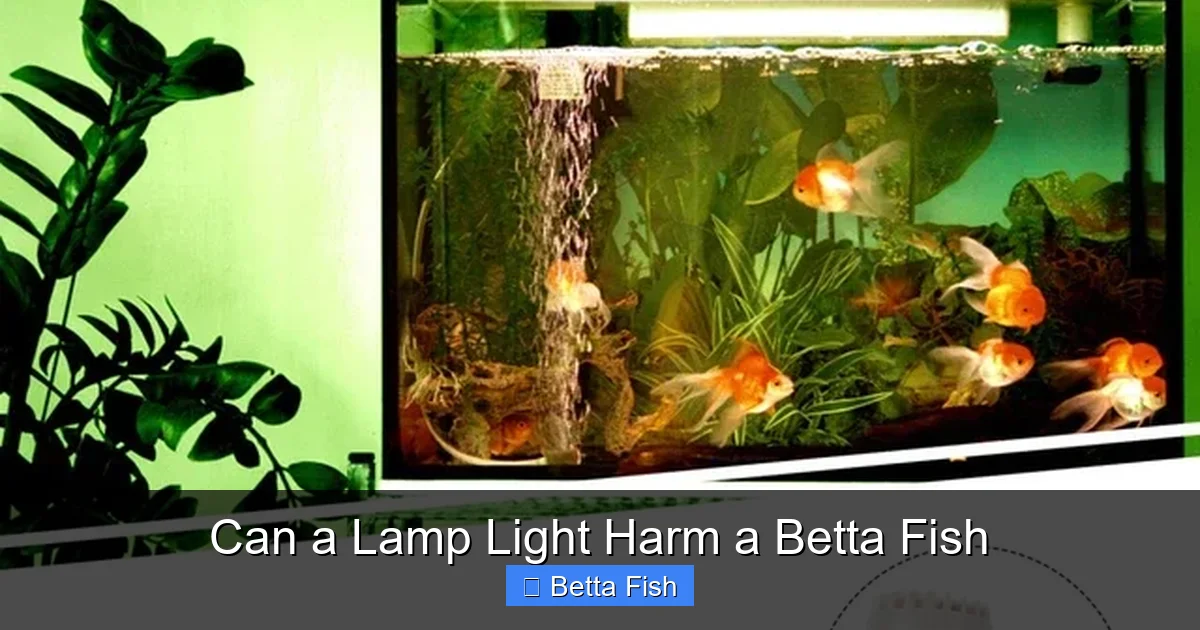
Intensity is simply how much light reaches the water’s surface. It’s measured in lumens or, for aquarium hobbyists, in watts per gallon. Betta fish thrive under low‑to‑moderate light—about 1‑2 watts per gallon is a good rule of thumb. Anything much brighter can cause:
Visual guide about Can a Lamp Light Harm a Betta Fish
Image source: picclickimg.com
- Stress: Over‑stimulation makes bettas hide or become aggressive.
- Faded colors: Bright light can bleach the vibrant reds and blues that make bettas famous.
- Algae blooms: Excess light fuels unwanted algae, which reduces oxygen and clouds the view.
Choosing the right bulb
LED and low‑watt fluorescent bulbs are the safest bets. They give a steady, gentle glow without overheating. A 2‑watt LED strip placed 6‑8 inches above the water surface works well for a 2‑gallon tank.
If you already have a regular desk lamp, check the wattage. A 15‑watt incandescent bulb is far too strong for a small betta tank. Switch to a 3‑watt LED bulb or a 5‑watt “aquarium” fluorescent tube instead.
Practical tip: Light meter test
Use a cheap light meter (or a smartphone app) to measure lux at the water surface. Aim for 200‑400 lux for a betta tank. If you read higher numbers, dim the lamp or move it farther away.
2. Heat: The Silent Threat from Lamp Fixtures
Why heat matters
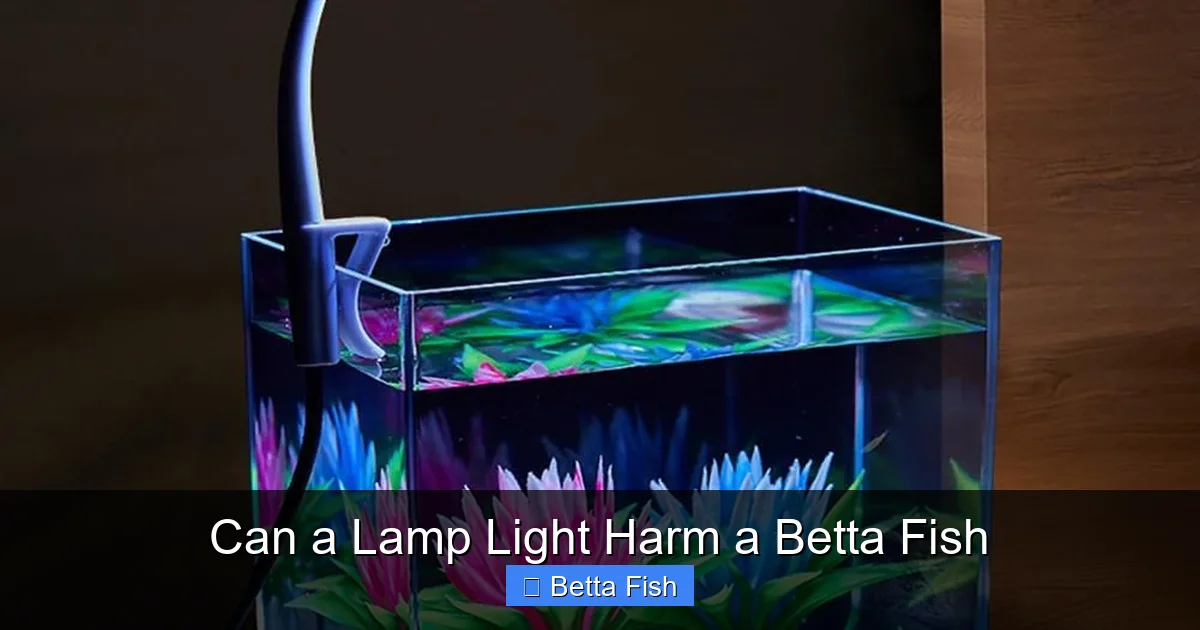
Even if the light isn’t too bright, the heat it emits can raise water temperature quickly. Betta fish prefer 76‑82 °F (24‑28 °C). A lamp that adds 2‑4 °F may seem harmless, but in a 2‑gallon tank that extra warmth can push the temperature into dangerous territory.
Visual guide about Can a Lamp Light Harm a Betta Fish
Image source: m.media-amazon.com
Spotting a heating problem
Place a thermometer in the tank and check it at the same time each day. If the temperature spikes after you turn on the lamp, you’ve got a heat issue. Also, feel the glass near the light source—if it’s warm to the touch, the lamp is likely heating the water.
Cooling solutions
- Switch to a cool‑LED bulb that runs under 30 °C (86 °F).
- Use a small fan to circulate air around the tank.
- Raise the lamp higher or add a diffuser cover to spread the heat.
3. Light Spectrum: Do Betta Fish Need UV‑B?
The myth of UV‑B for bettas
Many tropical fish need UV‑B for bone health, but bettas are an exception. Their natural habitat is shallow, tannin‑rich water that blocks most UV rays. Therefore, a standard aquarium LED or fluorescent light that lacks UV‑B is perfectly fine.
Visual guide about Can a Lamp Light Harm a Betta Fish
Image source: cf.ltkcdn.net
When UV‑B can be useful
If you keep live plants that benefit from UV‑B, you might consider a dedicated plant light that emits a small amount of UV. Just keep the UV output low and separate from the main betta lighting zone.
Choosing a spectrum‑friendly bulb
Look for bulbs labeled “full‑spectrum” or “plant‑friendly” that still stay under 2 watts for a small betta tank. These provide a natural‑looking blue‑green tint without the harsh UV that could stress your fish.
4. Creating a Healthy Day‑Night Cycle
Why a regular cycle matters
In the wild, bettas experience about 12 hours of daylight and 12 hours of darkness. Replicating this rhythm helps regulate their hormones, appetite, and coloration. Constant light can lead to chronic stress, weakened immune response, and even premature death.
Setting a timer
Plug your lamp into an inexpensive digital timer. Set it for 8‑10 hours of light per day, turning off automatically at night. This also saves electricity and reduces algae growth.
Night lighting options
If you like to watch your betta at night, use a dim “moonlight” LED that emits only 20‑30 lux. This low‑intensity light won’t disturb the fish’s rest cycle but will give you a gentle glow for late‑night observation.
5. Practical Lighting Set‑Up for a Betta Tank
Step‑by‑step guide
- Measure your tank: Determine the volume (gallons) to calculate appropriate wattage.
- Select a fixture: Choose a 2‑watt LED strip or a 5‑watt fluorescent tube.
- Position the light: Hang the fixture 6‑8 inches above the water, angled to avoid glare.
- Install a timer: Set 9 hours on, 15 hours off.
- Test intensity: Use a lux meter; aim for 200‑400 lux.
- Monitor temperature: Keep water between 76‑82 °F; adjust height or switch bulbs if needed.
- Observe your betta: Look for bright colors and active swimming; adjust if you notice stress signs.
Example layout
Imagine a 2‑gallon glass bowl on a nightstand. A slim 2‑watt LED strip is clipped to the rim, running the bowl’s perimeter. A timer keeps the strip on from 9 a.m. to 6 p.m. A tiny “moon” LED sits on the opposite side, providing a soft glow after 6 p.m. The result is a calm, well‑lit environment that showcases the betta’s colors without causing harm.
Linking to related topics
If you’re still deciding where to house your betta, read our guide on Can You Keep Betta Fish In A Bowl for tank‑size basics. For ideas on compatible tank mates that won’t add extra lighting needs, see What Fish Can Live With A Male Betta. And if you’re wondering whether you even need a light at all, check out Does A Betta Fish Need Light.
6. Signs Your Betta Is Suffering From Poor Lighting
Behavioral clues
- Hiding constantly: May indicate fear of bright light.
- Rapid, jerky swimming: Could be a stress response.
- Loss of appetite: Stress often reduces feeding.
Physical clues
- Faded or washed‑out colors: Over‑exposure can bleach pigments.
- Fin rot or burns: Direct heat from a bulb can damage delicate fins.
- Cloudy eyes or mucus buildup: Signs of weakened immune system.
What to do if you see these signs
First, turn off the lamp for 24 hours and observe any improvement. Then, adjust intensity, move the light farther away, or replace the bulb with a lower‑watt LED. Keep a consistent day‑night schedule and monitor water temperature closely. Most bettas recover quickly once the lighting stress is removed.
Conclusion: Light Up Your Betta’s World Safely
Answering the question “can a lamp light harm a betta fish?” is a simple “yes, if you get it wrong, but no, if you follow the right guidelines.” By choosing a low‑intensity, cool‑running LED or fluorescent fixture, keeping the light on a regular schedule, and watching for signs of stress, you give your betta a vibrant, healthy environment that lets its natural colors shine.
Remember, good lighting is just one piece of the puzzle. Pair it with clean water, a balanced diet, and a stress‑free tank setup, and your betta will reward you with dazzling displays for years to come.
Frequently Asked Questions
Can I use a regular desk lamp for my betta tank?
Only if the bulb is low‑watt (≤3 W) and stays cool. Most desk lamps use 15‑40 W incandescent bulbs, which are too bright and hot for a small betta tank.
Do betta fish need UV‑B light?
No. Betta fish come from shallow, tannin‑rich waters that block UV‑B. A standard LED or fluorescent aquarium light is sufficient.
How long should the light stay on each day?
Eight to ten hours of light per day mimics their natural environment and supports healthy coloration and behavior.
What temperature rise is safe when using a lamp?
Ideally, the lamp should not raise the water temperature more than 1‑2 °F. Use a thermometer to check and adjust the lamp height or wattage if needed.
Can poor lighting cause algae problems?
Yes. Too much intensity or a light that stays on too long fuels algae growth, which can cloud the water and reduce oxygen.
What are the best bulbs for a betta tank?
Low‑watt LED strips or 5‑watt fluorescent tubes designed for small aquariums provide gentle, steady light without excess heat.