Can You Use Tap Water for a Betta Fish Safe Guide
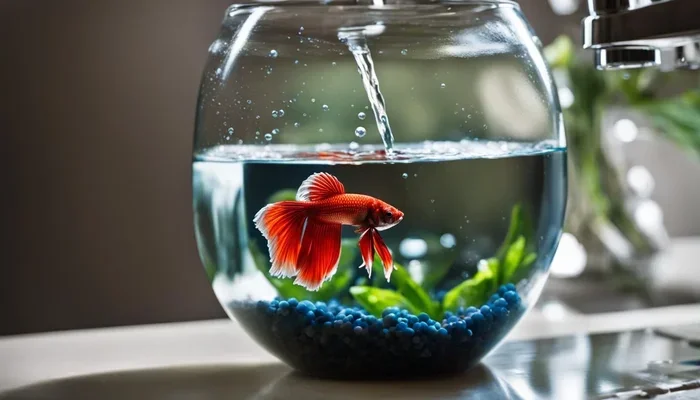
Yes, you can use tap water for a betta fish, but only after treating it properly. Untreated tap water often contains chlorine and chloramines that harm your fish. You need a good water conditioner to make it safe. This guide explains exactly how to prepare tap water for your betta tank. Keep reading to learn the safest method for your pet.
Key Takeaways
- Tap water is safe for bettas only after removing chlorine and chloramines with a conditioner.
- Never use untreated tap water as it can burn your fish gills and cause stress.
- Let water sit for 24 hours if you do not have a conditioner, but using a product is better.
- Test your water regularly to ensure pH and temperature match your betta needs.
- Avoid distilled water as it lacks essential minerals your fish need to thrive.
- Match the temperature of new water to the tank water to prevent shock.
- Change 25 percent of water weekly to keep the tank clean and healthy.
📑 Table of Contents
- Can You Use Tap Water for a Betta Fish Safely
- Understanding Tap Water Risks for Bettas
- How to Make Tap Water Safe for Your Betta
- Choosing the Right Water Conditioner
- Temperature and pH Balance Tips
- Common Mistakes When Using Tap Water
- Expert Insights on Betta Water Care
- Key Takeaways for Safe Water Use
Can You Use Tap Water for a Betta Fish Safely
Keeping a betta fish is fun and rewarding. These colorful pets brighten up any room. But many new owners ask one big question. They wonder about the water they pour into the tank. The most common source is right from the sink. So, can you use tap water for a betta fish? The short answer is yes. But there is a catch. You cannot just pour it in straight from the faucet. Tap water needs treatment before it becomes safe for your pet.
Tap water contains chemicals that kill bacteria. This is good for humans drinking it. It is not good for fish living in it. Chlorine is the main problem. It burns fish gills and harms their slime coat. Some areas also use chloramines. These are even harder to remove. You need to know what is in your water. Then you can make it safe for your betta.
This guide will walk you through everything. We will talk about why tap water is risky. We will discuss how to fix it. You will learn about water conditioners and testing. By the end, you will feel confident about your water choice. Your betta will thank you for the safe home.
Understanding Tap Water Risks for Bettas
Tap water seems clean to the eye. It looks clear and fresh. But invisible dangers hide inside. Municipal water companies add chemicals to kill germs. This keeps people from getting sick. For fish, these chemicals are toxic. Chlorine is the most common additive. It damages the delicate tissues of your fish. It can cause breathing problems too.
Chloramines are another concern. Some cities use them instead of chlorine. They last longer in the water pipes. This makes them harder to remove. You cannot just let the water sit for a day. Chloramines stay stable for a long time. You need a specific product to break them down. If you do not treat them, your betta suffers.
Heavy metals can also be in tap water. Old pipes might leak copper or lead. These metals are poisonous to fish. Even low levels can build up over time. This weakens your fish immune system. Sick fish are more likely to get diseases. You want your betta to live a long life. Avoiding toxins is the first step.
Temperature shock is another risk. Tap water from the sink is often cold. Bettas need warm water to survive. They are tropical fish from warm climates. Sudden cold water stresses their body. This stress makes them prone to illness. Always check the temperature before adding water. You want it to match the tank temperature.
How to Make Tap Water Safe for Your Betta
You have the tap water. Now you need to make it safe. The easiest way is using a water conditioner. These products are made specifically for fish tanks. They neutralize chlorine and chloramines instantly. You just add a few drops to the water. Then you wait a few minutes. The water is ready to use.
There are many brands available. Look for one that mentions chloramines. Some older conditioners only remove chlorine. Make sure the label says it works on chloramines too. This is crucial for modern tap water. Follow the instructions on the bottle. Do not guess the amount. Too little will not work. Too much might harm the fish.
Another method is letting the water sit. This is called aging the water. You fill a bucket and let it rest. Chlorine will evaporate over time. It usually takes about 24 hours. However, this does not remove chloramines. It also does not remove heavy metals. So this method is less reliable today. Using a conditioner is much safer and faster.
You should also check the pH level. Tap water pH varies by location. Bettas prefer a pH between 6.5 and 7.5. If your water is too acidic or too alkaline, it stresses the fish. You can use test kits to check this. If the pH is off, you can adjust it slowly. Do not change it all at once. Sudden changes shock the fish.
Choosing the Right Water Conditioner
Not all conditioners are the same. Some are basic and just remove chlorine. Others offer extra benefits. You want the best for your betta. Look for products that detoxify heavy metals. This adds an extra layer of safety. It protects against old pipe leaks. This is a smart choice for older homes.
Some conditioners also help with stress. Moving water or changing it can stress fish. Stress coats help protect the slime layer. This keeps the fish healthy during changes. It is a nice bonus feature. Read reviews from other betta owners. They know what works well in real tanks.
Here is a quick comparison of common options:
| Product Type | Removes Chlorine | Removes Chloramines | Detoxifies Metals |
|---|---|---|---|
| Basic Conditioner | Yes | No | No |
| Advanced Conditioner | Yes | Yes | Yes |
| Stress Coat Formula | Yes | Yes | Yes |
Pick the advanced or stress coat option. It gives you more peace of mind. Your betta deserves the safest water possible. It is a small cost for big health benefits. Keep the bottle near your tank. You will need it every time you do a water change.
Temperature and pH Balance Tips
Water temperature is vital for bettas. They thrive in warm water. The ideal range is 78 to 80 degrees Fahrenheit. Tap water is usually much cooler. If you add cold water, it drops the tank temp. This causes temperature shock. Your fish might get sick or become lethargic. Always warm up the new water first.
You can use a heater in the water bucket. Or you can mix warm and cold water. Use a thermometer to check the temp. It must match the tank water closely. A difference of a few degrees is okay. A big difference is dangerous. Take your time with this step. It is worth the effort.
pH balance is also important. Test your tap water before adding it. Use a liquid test kit for accuracy. Strips are okay but less precise. If the pH is way off, do not add it all at once. Mix small amounts over time. This lets the fish adjust slowly. Stability is key for fish health.
Keep a log of your water tests. Write down the pH and temperature. This helps you spot trends. If the pH keeps drifting, you might need to change your source. Consistency helps your betta stay healthy. Happy fish swim actively and eat well.
Common Mistakes When Using Tap Water
New owners make mistakes often. They want to help their fish but do the wrong thing. One big mistake is skipping the conditioner. Some think clear water is safe water. It is not. Chemicals are invisible. Always treat the water every time. Do not skip this step even for small changes.
Another mistake is using hot water from the tap. Hot water from the heater can contain metals. It might also be too hot for the fish. Never use hot tap water directly. Mix it with cold water to get the right temp. Or heat cold water separately. This avoids leaching metals from the heater.
People also forget to match the temperature. They pour cold water into the warm tank. This shocks the fish immediately. Always check the temp with a thermometer. It takes only a few seconds. This simple step prevents big health issues.
Some owners use distilled water instead. They think pure water is better. But distilled water lacks minerals. Fish need minerals for their health. It can also cause pH swings. Tap water is better if treated. Distilled water is not ideal for bettas. Stick to treated tap water for best results.
Expert Insights on Betta Water Care
Experts agree on one thing. Consistency is more important than perfection. Your fish adapts to your specific water. As long as it is treated and stable, they will thrive. Do not chase perfect numbers. Chase stable numbers. Changing water sources often causes stress.
Regular water changes are necessary. Waste builds up in the tank over time. Ammonia and nitrites become toxic. You need to remove old water and add new water. Change about 25 percent every week. This keeps the tank clean without stressing the fish. Large changes are more stressful than small ones.
Watch your fish after water changes. Look for signs of stress. Clamped fins or hiding are bad signs. Gasping at the surface is also worrying. If you see this, check your water quality. Test for chlorine again. Make sure the temp is right. Catching issues early saves the fish.
Invest in good test kits. They are cheaper than vet bills. Knowing your water parameters helps you act fast. If ammonia spikes, you know to change water. If pH drops, you know to buffer it. Knowledge is power in fish keeping. It helps you be a better owner.
Key Takeaways for Safe Water Use
To wrap up the main points, remember these rules. Treat every drop of tap water you use. Use a conditioner that handles chloramines. Match the temperature before adding water. Test your pH levels occasionally. Avoid distilled water for regular use. Change 25 percent of water weekly. Watch your fish for signs of stress.
Following these steps ensures a healthy tank. Your betta will live a longer life. They will show off their bright colors. You will enjoy watching them swim. It is not hard to do. It just takes a little care and attention. Your pet depends on you for safety.
Can you use tap water for a betta fish without conditioning?
No, you should not use untreated tap water. It contains chlorine and chloramines that are toxic to fish. Always use a water conditioner to make it safe.
How long should tap water sit before adding to a betta tank?
If you do not use a conditioner, let it sit for 24 hours. This allows chlorine to evaporate. However, using a conditioner is faster and more effective.
Is distilled water better than tap water for bettas?
No, distilled water is not better. It lacks essential minerals that fish need. Treated tap water is usually the best choice for betta fish.
What temperature should tap water be for a betta fish?
The water should match your tank temperature, ideally 78 to 80 degrees Fahrenheit. Adding cold water can cause temperature shock to your fish.
Can I use bottled water instead of tap water?
You can use bottled water, but it can be expensive. Make sure it is not distilled. Treated tap water is often more consistent and cost-effective.
How often should I change the water in my betta tank?
You should change about 25 percent of the water every week. This removes waste and keeps the water clean. Regular changes keep your betta healthy.
Frequently Asked Questions
What is can you use tap water for a betta fish?
can you use tap water for a betta fish is an important topic with many practical applications.