Should My Betta Fish Have a Light
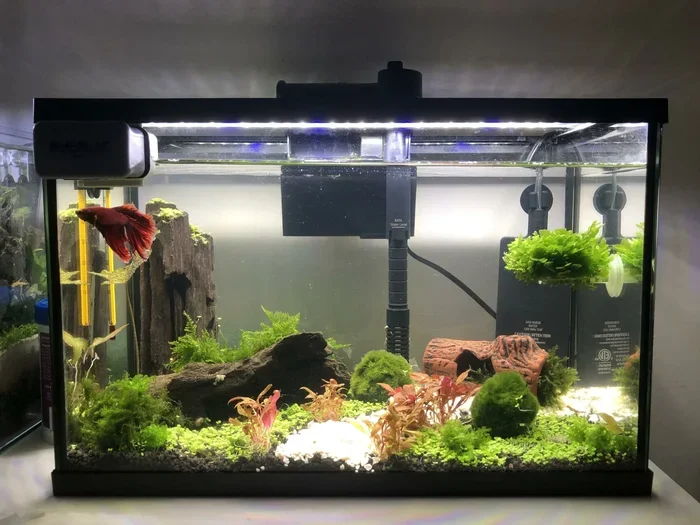
Yes, your betta fish does need light — but not too much and not too little. A proper light schedule helps your betta stay healthy, shows off its vibrant colors, and keeps its sleep cycle on track. This guide covers everything you need to know about lighting your betta fish tank the right way.
You love your betta fish. You feed it the right food. You keep the water clean. But one question keeps popping up — should my betta fish have a light?
The answer is yes. Betta fish need light. But the type of light, the amount of light, and the timing all matter a lot. Think of it like this. You need a good day-night routine to feel your best. So does your betta.
In this guide, we will walk through everything you need to know about betta fish lighting. From choosing the right LED light for betta tank setups to setting a healthy schedule, you will find clear and practical advice. Let us dive in.
Key Takeaways
- Betta fish need light to thrive: A consistent day-and-night cycle supports their health, mood, and natural behavior.
- LED lights are the best choice: They are energy-efficient, produce minimal heat, and come in adjustable settings.
- 8 to 10 hours of light per day is ideal: Too much light causes stress and algae growth, while too little affects your fish’s well-being.
- Watch for warning signs: Faded colors, lethargy, or hiding behavior can signal lighting problems.
- Natural light can work but needs monitoring: Direct sunlight leads to temperature swings and algae blooms.
- A timer simplifies everything: Automating your light schedule removes guesswork and keeps your betta on a routine.
📑 Table of Contents
- Why Light Matters for Your Betta Fish
- How Much Light Does a Betta Fish Need?
- The Best Light Sources for Betta Tanks
- Signs Your Betta Fish Is Getting the Wrong Amount of Light
- Setting Up the Right Light Schedule
- Common Mistakes With Betta Fish Lighting
- Quick Tips for Perfect Betta Lighting
- Final Thoughts
Why Light Matters for Your Betta Fish
Light is not just for looks. It plays a real role in your betta’s daily life. Without proper aquarium lighting for betta, your fish can face health problems and behavioral issues.
Light Helps Betta Fish Stay Healthy
Betta fish are tropical creatures. In their natural habitat, they live in warm, shallow waters with plenty of daylight. A betta fish light schedule that mimics their natural environment helps them stay active and alert.
Light also supports their biological functions. It helps regulate their betta fish sleep cycle. Just like humans, bettas need darkness to rest properly. Without a clear day-night pattern, your fish may become stressed or restless.
Light Brings Out Your Betta’s Best Colors
One of the biggest reasons people love betta fish is their stunning colors. A good light source makes those colors pop. Under dim or poor lighting, your betta may look dull and faded.
With the right tank light for betta fish, you will notice brighter reds, deeper blues, and more vivid fins. It is one of the simplest ways to keep your fish looking its absolute best.
Light Supports Natural Behavior
Betta fish are more active during daylight hours. Light encourages them to swim, explore, and interact. A well-lit tank also helps you observe your fish more easily. You can spot early signs of illness or stress before they become serious problems.
However, do betta fish have light needs that are very different from other pets? Yes, they do. Betta fish are sensitive to light intensity and duration. More on that below.
How Much Light Does a Betta Fish Need?
The right amount of light depends on a few factors. The size of your tank, the type of light you use, and whether you have live plants all play a role. But there are some general rules that work for most betta setups.
The 8 to 10 Hour Rule
Aim for 8 to 10 hours of light per day. This gives your betta enough daylight to stay active and healthy. It also gives them plenty of dark time to rest and recharge.
Here is a simple breakdown:
- Less than 6 hours: Your betta may become sluggish and lose its appetite.
- 8 to 10 hours: The sweet spot for most betta fish tanks.
- More than 12 hours: Too much light causes stress, algae overgrowth, and sleep disruption.
Why Too Much Light Is Harmful
Excessive light intensity for betta fish can cause real problems. Bright lights for long periods make bettas feel exposed and anxious. They may start hiding behind decorations or staying in one spot.
Too much light also fuels algae growth. Green algae can coat your tank walls, decorations, and even your plants. It makes the tank look messy and can affect water quality over time.
Why Too Little Light Is Also a Problem
On the flip side, a tank that is too dark can cause issues. Your betta may become less active. Its colors may fade. If you have live plants, they need light to survive and grow.
So finding the right balance is key. A consistent betta fish day night cycle keeps everything in check.
The Best Light Sources for Betta Tanks
Not all lights are created equal. Some work great for betta tanks. Others can cause problems. Here is a look at the most common options.
LED Lights
LED light for betta tank setups is the top choice for most fish keepers. LEDs are energy-efficient, produce very little heat, and last a long time. Many LED lights also come with adjustable brightness and color settings.
You can find LED lights designed specifically for aquariums. These often have a spectrum that brings out your betta’s natural colors. They are a safe and effective option for almost any tank size.
Fluorescent Lights
Standard fluorescent bulbs work well for basic betta tanks. They provide even, gentle light without overheating the water. However, they do not last as long as LEDs and may need to be replaced more often.
Incandescent Lights
Avoid incandescent lights for your betta tank. They produce a lot of heat, which can raise the water temperature. This is dangerous for betta fish, who need stable, warm water. Stick with LED or fluorescent options instead.
Natural Light
Placing your tank near a window with natural light for betta fish can work. But it comes with risks. Direct sunlight causes temperature spikes and rapid algae growth. If you use natural light, keep the tank away from direct sun and monitor the water temperature closely.
Comparison Table: Light Types for Betta Tanks
| Light Type | Heat Output | Energy Use | Color Quality | Best For |
|---|---|---|---|---|
| LED | Very Low | Low | Excellent | Most betta tanks |
| Fluorescent | Low | Medium | Good | Basic setups |
| Incandescent | High | High | Poor | Not recommended |
| Natural Sunlight | Variable | Free | Good | With caution only |
Signs Your Betta Fish Is Getting the Wrong Amount of Light
Your betta will tell you if something is off with its lighting. Watch for these common signs.
Signs of Too Much Light
- Hiding or staying in dark corners: Your betta avoids the light and seeks shelter.
- Loss of appetite: Bright lights can stress your fish and reduce its interest in food.
- Rapid algae growth: Green or brown algae appearing quickly on surfaces.
- Restlessness: Your betta seems agitated or swims erratically.
Signs of Too Little Light
- Faded colors: Your betta’s vibrant hues look dull or washed out.
- Lethargy: The fish stays still for long periods and seems uninterested.
- Loss of day-night rhythm: Your betta sleeps during the day and becomes active at night.
- Plant decay: Live plants in the tank start wilting or turning brown.
If you notice any of these signs, adjust your lighting setup. Small changes can make a big difference in your betta’s overall well-being.
Setting Up the Right Light Schedule
A consistent schedule is one of the easiest ways to keep your betta happy. Here is how to set it up.
Use a Timer
A simple outlet timer is a game-changer. Set it to turn the light on in the morning and off at night. This removes the guesswork. Your betta gets a predictable routine every single day.
You can find affordable timers at most hardware stores or online. They are small, easy to install, and work reliably.
Match Your Own Schedule
Think about when you are usually home and active. Set the light to turn on when you wake up and off when you go to bed. This way, you can enjoy your betta during the day and give it proper darkness at night.
Avoid Sudden Light Changes
Do not flip the light on and off randomly. Sudden changes can shock your betta. If you need to adjust the schedule, do it gradually over several days.
Common Mistakes With Betta Fish Lighting
Even experienced fish keepers make mistakes with lighting. Here are a few to avoid.
Leaving the Light On 24/7
This is one of the most common errors. Constant light disrupts your betta’s sleep and causes severe stress. It also promotes algae blooms that can ruin your tank’s water quality.
If you need to see your fish at night, use a small dim night light instead. Can you leave a betta fish tank light on all night? No, you should not.
Using the Wrong Bulb
Not every bulb works for a betta tank. High-wattage bulbs overheat the water. Colored bulbs distort your fish’s natural appearance. Stick with a quality aquarium LED light designed for freshwater tanks.
Ignoring the Tank’s Location
Where you place your tank matters. A tank near a window gets natural light plus artificial light, which doubles the exposure. This can lead to overheating and algae problems. Pick a spot with indirect light if possible.
Forgetting About Live Plants
If you have live plants in your betta tank, they need light to photosynthesize. Without enough light, plants die and decompose, which harms water quality. Make sure your light provides the right spectrum for plant growth.
Quick Tips for Perfect Betta Lighting
- Keep the light on for 8 to 10 hours each day.
- Use a timer to automate the schedule.
- Choose LED lights with adjustable brightness.
- Place the tank away from direct sunlight.
- Watch your betta’s behavior and adjust as needed.
- If you are unsure, check out can you have fish light for betta fish guides for more tips.
- Remember that are betta fish required to have a light on — yes, they are, but in moderation.
Final Thoughts
So, should my betta fish have a light? Absolutely. Light is essential for your betta’s health, happiness, and vibrant colors. But the key is balance. Too much or too little light both cause problems.
Choose the right type of light. Stick to a consistent schedule. Watch your fish for signs of discomfort. With these simple steps, you will create a comfortable and beautiful environment for your betta.
Your betta fish depends on you for its well-being. A good lighting setup is one of the easiest and most impactful things you can do. Start today and watch your betta thrive.
Frequently Asked Questions
Do betta fish need light at night?
No, betta fish need darkness at night to rest properly. Leaving a light on overnight disrupts their sleep cycle and causes stress. Use a timer to turn off the light for 12 to 14 hours each night.
What is the best light color for betta fish?
Full-spectrum white LED lights work best for betta fish. They provide clear, natural-looking light that enhances your betta’s colors. Avoid colored or dim bulbs that distort the tank’s appearance.
Can betta fish see in the dark?
Betta fish have limited vision in complete darkness. They rely on their day-night cycle to know when to be active and when to rest. A consistent lighting schedule helps them feel secure and comfortable.
How long should I keep the light on for my betta fish tank?
Keep the light on for 8 to 10 hours per day. This gives your betta enough daylight to stay active while allowing plenty of time for rest. Using a simple outlet timer makes this easy to maintain.
Can natural sunlight replace an aquarium light for betta fish?
Natural sunlight is not a reliable replacement. It causes temperature fluctuations and promotes rapid algae growth. If you use sunlight, place the tank in indirect light and monitor conditions closely.
What happens if I leave my betta fish light on too long?
Leaving the light on too long stresses your betta and disrupts its sleep. It also causes algae to grow quickly, which degrades water quality. Stick to an 8 to 10 hour schedule for the best results.
=== CONCLUSION ===
Should my betta fish have a light? Yes, and now you know exactly how to do it right. A proper betta fish light schedule with the right type of light makes a huge difference. Your betta will be healthier, more colorful, and more active.
Keep it simple. Use an LED light, set a timer for 8 to 10 hours, and watch your fish thrive. Small changes in lighting can lead to big improvements in your betta’s quality of life. Start implementing these tips today and enjoy a happier, healthier betta fish.