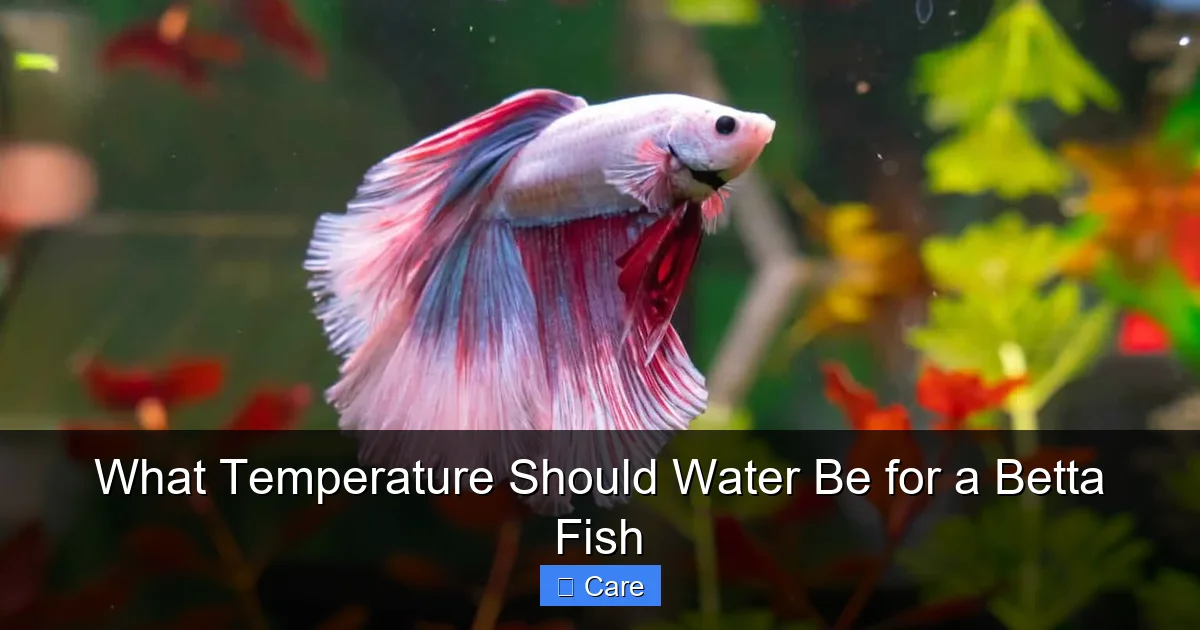
What Temperature Should Water Be for a Betta Fish
Keeping your betta at the right temperature is the cornerstone of its health and happiness. Aim for a stable range of 76‑82°F (24‑28°C) and use a reliable heater with a thermostat. Consistent warmth supports vibrant colors, active behavior, and prevents stress‑related illnesses.
Key Takeaways
- Optimal range: 76‑82°F (24‑28°C) is the sweet spot for most bettas.
- Stable temperature: Fluctuations greater than 2°F can stress your fish.
- Heater selection: Choose a submersible heater with an accurate thermostat.
- Thermometer placement: Put the thermometer where water circulates evenly.
- Seasonal checks: Re‑test room and tank temperature monthly, especially in winter.
- Backup plan: Have a battery‑operated heater or insulated cover for power outages.
- Water parameters: Temperature works best with proper pH, hardness, and filtration.
📑 Table of Contents
- Introduction: Why Temperature Matters for Betta Fish
- 1. The Ideal Temperature Range
- 2. Choosing the Right Heater
- 3. Monitoring Temperature Effectively
- 4. Maintaining Stable Temperature Year‑Round
- 5. How Temperature Interacts With Other Water Parameters
- 6. Practical Tips and Common Mistakes to Avoid
- Conclusion: Keep It Warm, Keep It Happy
Introduction: Why Temperature Matters for Betta Fish
When you first bring a betta home, the most exciting part is watching those brilliant colors flash across the water. Yet behind that visual feast lies a simple, often‑overlooked factor: temperature. Betta fish (Betta splendens) are tropical natives of Southeast Asia, and they have evolved to thrive in warm, shallow waters. If the water is too cold, their metabolism slows, colors fade, and they become vulnerable to disease. If it’s too hot, oxygen levels drop, and stress spikes.
In this guide we’ll answer the question what temperature should water be for a betta fish and walk you through everything you need to keep that temperature steady—equipment, monitoring, troubleshooting, and everyday habits. Think of it as a friendly chat over a cup of tea, with plenty of practical tips you can start using today.
1. The Ideal Temperature Range
What the science says
Betta fish are native to the warm monsoon streams of Thailand, Cambodia, and Vietnam. In the wild, water temperatures typically sit between 75°F and 80°F (24°C‑27°C). Laboratory studies confirm that growth, immune function, and breeding success peak within this window. Therefore, the consensus among aquarists is:
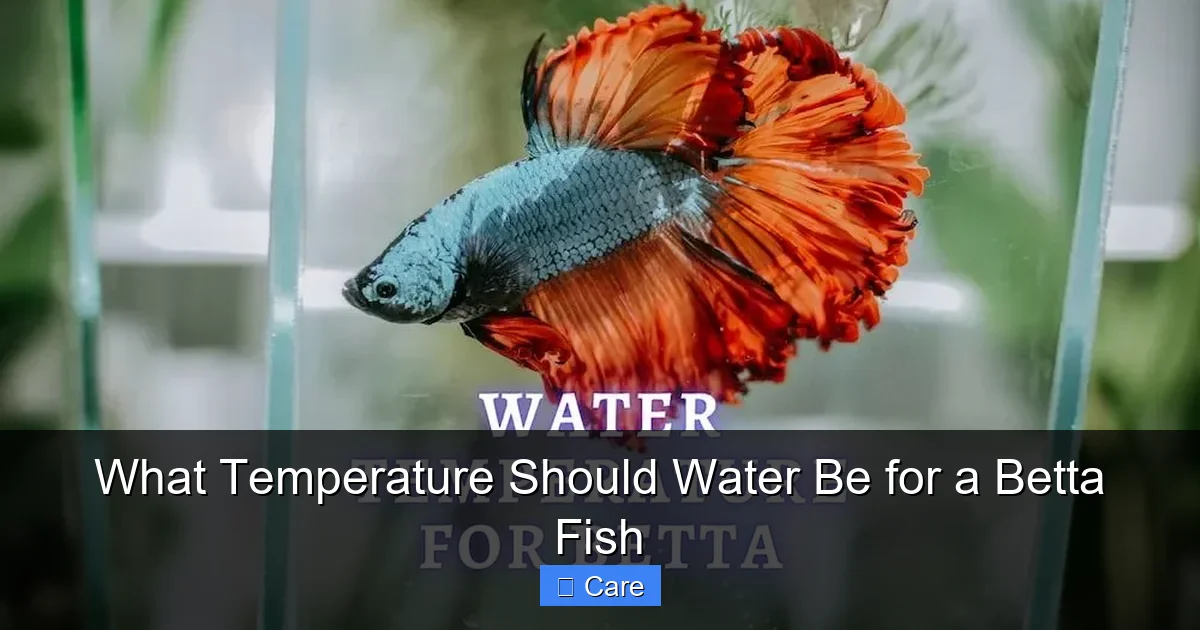
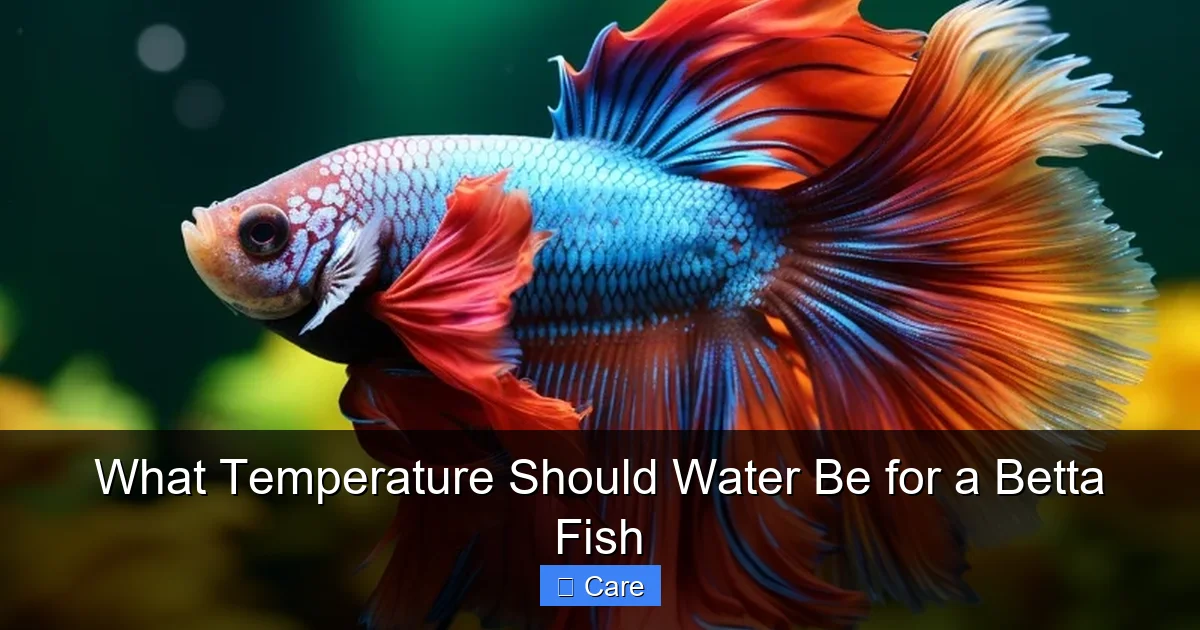
Visual guide about What Temperature Should Water Be for a Betta Fish
Image source: img.thepets.net
- Lower bound: 76°F (24°C) – below this, metabolism drops, and the fish may become lethargic.
- Upper bound: 82°F (28°C) – above this, dissolved oxygen declines sharply, and stress hormones rise.
Why staying inside the range is crucial
When temperature strays outside the 76‑82°F band, several things happen:
- Cold shock: Sudden drops cause rapid constriction of blood vessels, leading to organ failure.
- Heat stress: High temps accelerate bacterial growth and can cause fin rot.
- Immune suppression: Both extremes weaken the betta’s natural defenses.
Keeping the water steady within the ideal range ensures your betta stays active, colorful, and disease‑free.
2. Choosing the Right Heater
Types of heaters
There are three main heater styles for small betta tanks (usually 2.5‑5 gallons):
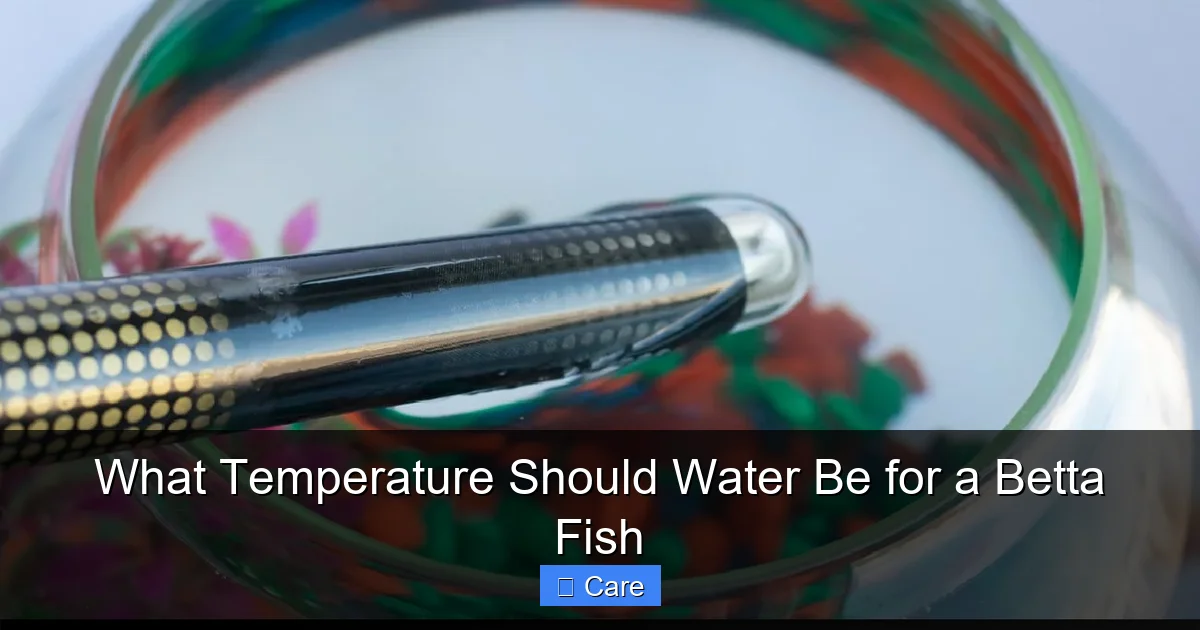
Visual guide about What Temperature Should Water Be for a Betta Fish
Image source: infishtank.com
- Submersible heaters: Fully waterproof, sit at the bottom, and are the most common.
- Immersible (hang‑on) heaters: Clip to the tank wall; good for very small setups but can create hot spots.
- Inline heaters: Installed in the filtration line; best for larger setups, not typical for bettas.
How to pick the right wattage
Rule of thumb: 2‑5 watts per gallon. For a 3‑gallon betta tank, a 5‑watt submersible heater is ideal. Too powerful a heater can overshoot the target temperature, while an under‑powered one may never reach it.
Features to look for
- Thermostat accuracy: ±1°F is acceptable; cheaper models may drift.
- Shatter‑proof housing: Safety first—especially if you have a curious cat!
- Adjustable dial: Allows fine‑tuning without unplugging the unit.
Installation tips
1. Rinse the heater with dechlorinated water before plugging it in.
2. Place it near a water flow (if you have a filter) to distribute heat evenly.
3. Set the thermostat to the middle of the ideal range (e.g., 79°F) and let the tank stabilize for 24 hours before adjusting.
3. Monitoring Temperature Effectively
Thermometers – digital vs. analog
Digital stick‑on thermometers are cheap and give a quick read, but they can drift over time. Glass or acrylic strip thermometers are inexpensive and reliable, though you have to read them manually. For the best of both worlds, use a digital probe in a sealed tube alongside a strip for cross‑checking.
Visual guide about What Temperature Should Water Be for a Betta Fish
Image source: buildyouraquarium.com
Placement matters
Put the thermometer where water circulates most—usually near the filter outlet or heater. Avoid corners where temperature may be slightly cooler or hotter.
Daily checks and record‑keeping
Write down the temperature at the same time each day. A simple spreadsheet helps you spot trends, such as a slow drop during winter evenings.
What to do if temperature drifts
- Minor drift (1‑2°F): Adjust the heater dial slightly.
- Rapid drop: Check for power outages, heater malfunction, or drafts.
- Rapid rise: Ensure the heater isn’t set too high; consider moving it away from direct sunlight.
4. Maintaining Stable Temperature Year‑Round
Room temperature control
Even the best heater can’t overcome a freezing room. Keep the tank in a room that stays between 70‑80°F (21‑27°C). Use a space heater in winter or an air‑conditioner in summer, but avoid placing the tank directly on top of heating or cooling vents.
Insulation tricks
Wrap the tank in a neoprene sleeve, a blanket, or even an old pillowcase during cold snaps. For larger tanks, a foam board “cooling jacket” can keep heat from escaping.
Power outage preparedness
Invest in a small UPS (uninterruptible power supply) that can run the heater for at least 2‑3 hours. Alternatively, keep a battery‑operated heater on hand to plug in quickly.
Seasonal maintenance checklist
- Spring: Clean algae, test water parameters, and verify heater accuracy.
- Summer: Watch for overheating; add a small fan to increase surface evaporation if needed.
- Fall: Reduce room heating gradually; check for drafts.
- Winter: Insulate tank, monitor heater continuously, and consider a thermostat with a “high‑limit” safety shut‑off.
5. How Temperature Interacts With Other Water Parameters
pH and hardness
Temperature influences pH: warmer water tends to be slightly more alkaline. Keep pH between 6.5‑7.5 for bettas. Use a reliable test kit and adjust with driftwood (to lower pH) or crushed coral (to raise it) as needed.
Dissolved oxygen
Warm water holds less oxygen. To compensate, ensure a gentle surface agitation (a small air stone or a low‑flow filter). Avoid strong currents—betas prefer calm waters.
Filtration and heating synergy
Filters can create micro‑temperature gradients. Place the heater upstream of the filter outlet so warmed water is mixed before it returns to the tank.
6. Practical Tips and Common Mistakes to Avoid
Common pitfalls
- Skipping the heater: Even in a warm house, temperatures can dip below 70°F at night.
- Setting the heater too high: “Warmer is better” is a myth; it just stresses the fish.
- Relying on a single thermometer: Cross‑check regularly to catch drift.
- Placing the tank near windows: Sunlight can cause rapid temperature spikes.
Pro‑tips from experienced keepers
- Use a **timer** for the heater if you have a stable room temperature; set it to turn on 30 minutes before you usually check the tank.
- Combine a **digital thermostat** with the heater for extra precision.
- When moving the tank, let it sit for an hour before turning the heater back on to avoid shocking the fish.
Example: Setting up a 3‑gallon betta tank
1. Fill the tank with conditioned water at room temperature (≈72°F).
2. Install a 5‑watt submersible heater, set to 79°F.
3. Place a digital stick‑on thermometer near the heater and a strip thermometer on the opposite wall.
4. Add a gentle sponge filter set to low flow.
5. After 24 hours, record the temperature. If it reads 78‑80°F, you’re in the ideal range. Adjust the heater dial by 1°F if needed.
6. Maintain daily checks and a weekly water change (25%).
Conclusion: Keep It Warm, Keep It Happy
Answering the question what temperature should water be for a betta fish isn’t just about picking a number; it’s about creating a stable, comfortable environment that mimics the fish’s natural tropical home. By staying within the 76‑82°F (24‑28°C) range, using a reliable heater, monitoring with accurate thermometers, and protecting the tank from drafts and power cuts, you set the stage for a vibrant, healthy betta that will brighten your space for years to come.
Remember, consistency is king. Small daily checks, periodic equipment checks, and a bit of seasonal tweaking are all it takes to keep your betta thriving. Now go ahead, set that heater, and enjoy the brilliant dance of your finned friend!
Frequently Asked Questions
What is the exact temperature range for betta fish?
The recommended range is 76‑82°F (24‑28°C). Staying within these limits supports healthy metabolism and coloration.
Can I keep a betta without a heater if my room is warm?
If the ambient temperature never falls below 75°F (24°C) and stays stable, a heater isn’t strictly necessary, but most homes dip lower at night, so a heater is safest.
How often should I check the water temperature?
Check at least once a day, preferably at the same time each day, and record the reading to notice any trends.
What should I do if the temperature drops suddenly?
First, verify the heater is plugged in and set correctly. If the drop continues, check for drafts, power outages, or a faulty heater and replace if needed.
Is a higher temperature better for brighter colors?
Warmer water can enhance color slightly, but exceeding 82°F stresses the fish and reduces oxygen, which can actually dull coloration.
Do I need a thermometer if I have a thermostat on my heater?
Yes. Thermostats can drift, and a separate thermometer provides an independent check to ensure accuracy.