Is My Male Betta Fish Happy
Understanding whether your male betta fish is happy comes down to observing his behavior, appetite, colors, and tank environment. A happy betta fish will show bright colors, a healthy appetite, active swimming, and even build bubble nests. This guide walks you through the top signs of a content betta and simple ways to keep him joyful every day.
If you own a male betta fish, you probably want nothing more than to see him thrive. But how do you actually know if he’s happy? Bettas are fascinating creatures with distinct personalities, and their behavior tells you a lot about how they feel. A happy betta fish displays bright colors, swims actively, and shows interest in his surroundings. On the flip side, an unhappy betta may hide, lose appetite, or develop dull coloring.
In this guide, we will walk you through every sign that tells you whether your male betta is content and thriving. We will also share practical tips on tank setup, diet, and enrichment that make a real difference. By the end, you will know exactly what to look for and how to keep your betta in the best shape possible. Let us dive in and learn how to read your betta’s happiness like a pro.
Key Takeaways
- Bright, vivid colors and a healthy appetite are the top signs of a happy male betta fish.
- Bubble nest building and flaring are natural behaviors that signal comfort and confidence.
- A proper tank setup with the right size, temperature, and enrichment keeps bettas stress-free.
- Watch for lethargy, faded colors, and loss of appetite as warning signs of an unhappy betta.
- Simple changes like live plants and hiding spots can dramatically improve your betta’s mood.
- Regular water changes and stable water parameters are essential for long-term betta happiness.
- Understanding normal betta behavior helps you catch problems early and respond quickly.
📑 Table of Contents
Why Understanding Your Male Betta’s Happiness Matters
Many people think betta fish are low-maintenance pets that just survive in a small bowl. That is a myth. Bettas are active, curious fish that need the right environment to truly flourish. When you understand betta fish happiness, you become a better caretaker. You start noticing small changes in behavior that could signal stress or illness early on.
A stressed betta fish is more likely to get sick. Poor water conditions, wrong tank temperatures, and lack of enrichment all take a toll. On the other hand, a happy betta will live a longer, healthier life. His colors will be vibrant, his fins will flow beautifully, and he will show curiosity every time you approach the tank. Taking the time to understand his needs is one of the best things you can do as a pet owner.
Signs Your Male Betta Fish Is Happy
So, how do you know if your betta is genuinely happy? There are several clear signs of a happy betta fish that every owner should watch for. These behaviors are natural and show that your fish feels safe and comfortable in his environment.
Bright, Vibrant Colors
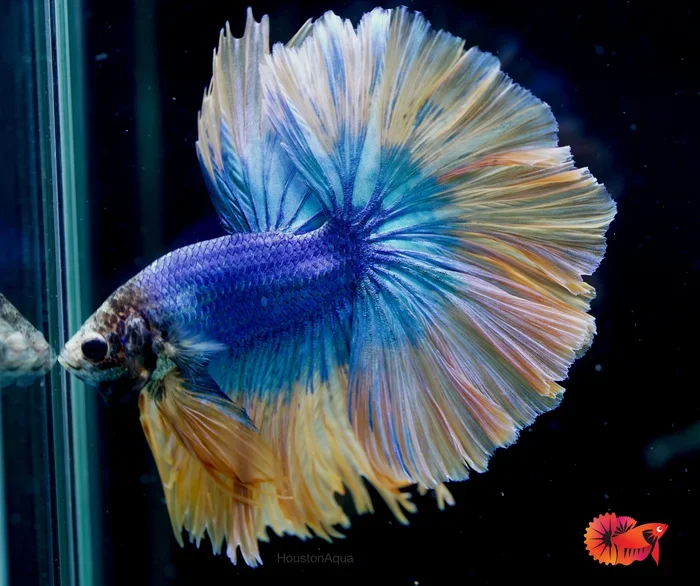
A healthy, happy betta displays rich, vivid colors. If your male betta’s reds are deep, his blues are electric, and his fins have a glossy sheen, that is a great sign. When a betta is stressed or unhappy, his colors often fade. You may notice his body turning pale or white. Keeping an eye on his color is one of the simplest ways to monitor his well-being.
Active Swimming Patterns
A happy betta fish swims around the tank with purpose. He explores every corner, checks out decorations, and moves gracefully through the water. He should not be listless or hovering in one spot. If your betta is darting around, fluttering his fins, and showing curiosity, that means he feels good. Active swimming is one of the strongest indicators of a content betta.
Healthy Appetite
Bettas are eager eaters. If your male betta swims to the surface the moment you approach the tank, that is a positive sign. A healthy appetite shows that your fish feels safe and energized. If you notice your betta refusing food or showing no interest in meals, it could be a red flag. Check out our article on why your male betta might not be eating for helpful insights on this common concern.
Bubble Nest Building
Male bettas build bubble nests as a sign of comfort and readiness. If you see tiny bubbles clustered at the surface of the water, your betta is feeling secure and happy. Bubble nest building is a completely natural behavior and shows that your fish is in a good state of mind. For more details on this fascinating behavior, read our guide on why male bettas make bubbles.
Flaring With Confidence
Betta fish flare their gills and fins to show curiosity or dominance. A happy betta will flare at his reflection or at passing movement outside the tank. This is normal and healthy behavior. It shows that your fish is alert and engaged with his surroundings. However, excessive flaring caused by seeing another betta through the glass can lead to stress, so placement of the tank matters.
How Tank Setup Affects Your Betta’s Happiness
The environment you create for your betta has a huge impact on his mood and overall health. A poorly set up tank leads to stress, boredom, and eventually illness. A well-designed tank, on the other hand, makes your betta feel at home. Let us look at the key factors that shape your betta’s living space.
Tank Size Matters
Many people keep bettas in tiny cups or bowls, but this is far from ideal. A minimum tank size of 5 gallons is recommended for a single male betta. A larger tank gives your fish room to swim, explore, and establish his territory. Bettas need space to move around, and a cramped environment can cause frustration and stress. The bigger the tank, the happier your betta will be.
Water Temperature and Quality
Bettas are tropical fish and need warm, stable water. The ideal temperature range is between 78 and 80 degrees Fahrenheit. Cold water slows down their metabolism and makes them sluggish. If you are unsure about whether your betta can tolerate cooler conditions, check out our article on keeping your betta fish in cold water. Regular water changes and a good filter help maintain clean, safe water that keeps your betta thriving.
Enrichment and Decorations
A bare tank with nothing in it is boring for any fish. Adding live plants, caves, and gentle decorations gives your betta places to explore and hide. Plants also help keep the water clean and provide a natural feel. Betta fish love having things to interact with, and a well-decorated tank reduces stress significantly. Consider adding silk plants and smooth rocks to create a stimulating yet safe environment.
Common Signs of an Unhappy Male Betta Fish
Just as there are clear signs of happiness, there are equally important signs that your betta is struggling. Recognizing these early warning signals can make a big difference in your fish’s quality of life.
Lethargy and Hiding
If your betta spends most of his time hiding or sitting at the bottom of the tank, something is wrong. A happy betta is curious and active. Lethargy often points to stress, illness, or poor water conditions. Pay attention if your fish stops exploring and becomes withdrawn.
Loss of Appetite
We mentioned appetite as a sign of happiness, and the reverse is equally true. A betta fish not eating is a serious warning sign. If your male betta consistently refuses food for more than two days, you should investigate the cause. It could be water quality, temperature, or an underlying health issue. Visit our page on why your betta fish is not eating for a deeper look at this problem.
Faded or Changing Colors
A dull, pale betta is often an unhappy or stressed betta. Color changes can also happen due to age, genetics, or stress. If your fish’s colors suddenly fade or change dramatically, check the water parameters and look for other signs of distress. Our article on why betta fish change color covers this topic in more detail.
Clamped Fins
When a betta holds his fins close to his body instead of spreading them out, it is a sign of discomfort. Clamped fins often indicate stress, illness, or poor water quality. A healthy, happy betta will display open, flowing fins as he swims around the tank.
Best Practices to Keep Your Male Betta Happy
Now that you know the signs, let us talk about what you can do to keep your male betta in the best possible shape. These practical tips are easy to follow and make a huge difference over time.
- Keep the water clean. Perform regular water changes of about 25% every week. Clean water reduces stress and prevents disease.
- Maintain stable temperature. Use a reliable heater and thermometer to keep the water between 78 and 80 degrees Fahrenheit.
- Feed a balanced diet. Offer high-quality betta pellets and mix in frozen or live foods like brine shrimp and bloodworms occasionally.
- Add enrichment. Live plants, caves, and gentle water flow keep your betta mentally stimulated and physically active.
- Place the tank in a calm spot. Avoid loud noises and direct sunlight. Bettas feel safer in a quiet, stable environment.
- Observe your betta daily. Spending a few minutes each day watching your fish helps you catch changes early before they become serious problems.
Quick Tips for a Happier Betta
- Add a mirror briefly to encourage natural flaring behavior, but never leave it in the tank.
- Use a gentle sponge filter to provide water flow without stressing your betta.
- Avoid keeping two male bettas in the same tank. They will fight and become stressed.
- If you want tank mates, research compatible species carefully. Learn more about what fish can live with a male betta before adding any companions.
Are Male Betta Fish Happy Alone?
This is one of the most common questions among betta owners. The short answer is yes. Male bettas are solitary fish by nature. In the wild, they defend their own territory and do not seek out companionship. Keeping a male betta alone in his own tank is perfectly fine and actually the safest option for him.
Some owners worry that their betta might get lonely, but bettas do not experience loneliness the way humans do. They are content having their own space, as long as that space is well-maintained and enriched. For a deeper exploration of this topic, check out our article on are male betta fish happy alone. The key is to make sure his environment is stimulating and comfortable, and he will be perfectly happy on his own.
When to Seek Help for Your Betta
Even with the best care, bettas can sometimes fall ill. Knowing when to act is just as important as daily maintenance. If you notice persistent signs of unhappiness such as refusal to eat, unusual swimming patterns, or visible injuries, it is time to investigate further.
Common health issues in bettas include fin rot, ich, and swim bladder disease. Most of these conditions are treatable if caught early. Regular observation and prompt action can save your fish’s life. If your betta’s behavior changes suddenly, test your water parameters first. Often, the problem is as simple as a spike in ammonia or a drop in temperature. For more guidance on identifying illness, read our article on is my betta fish sick to learn about common symptoms and solutions.
Conclusion
Keeping your male betta fish happy comes down to observation, care, and a well-designed environment. A happy betta shows bright colors, active swimming, a healthy appetite, and natural behaviors like bubble nest building. By paying attention to these signs and following the best practices outlined in this guide, you can ensure your betta lives a long, joyful life. Remember, a content betta is a beautiful betta, and your effort makes all the difference. Take what you have learned here, apply it consistently, and enjoy the rewarding experience of caring for a truly happy betta fish.
Frequently Asked Questions
How can I tell if my male betta fish is happy?
A happy male betta shows bright, vivid colors, swims actively around the tank, eats eagerly, and may build bubble nests. He will have open fins and display curiosity toward his surroundings. These behaviors are clear indicators that your fish feels safe and content in his environment.
What tank size is best for a happy male betta?
A minimum of 5 gallons is recommended for a single male betta. Larger tanks provide more swimming space and better water stability, which directly contributes to your betta’s happiness and overall health.
Why is my male betta not showing any signs of happiness?
If your betta seems lethargic, hides often, or loses his appetite, check the water temperature and quality first. Poor water conditions, incorrect temperature, or stress from tank placement are common causes. Gradual improvements to the environment often bring back natural behaviors quickly.
Can a male betta be too lonely in his tank?
No, male bettas are solitary fish and do not need companionship. They are happy living alone as long as their tank is properly set up with enrichment, plants, and stable water conditions. In fact, keeping males separate prevents fighting and stress.
Do bubble nests mean my betta is happy?
Yes, bubble nest building is a strong sign of a comfortable, happy male betta. It indicates that he feels secure in his environment and is in a healthy state of mind. Even if he does not build one, it does not always mean he is unhappy, as some males build nests more than others.
How often should I test my betta’s water to keep him happy?
You should test your betta’s water at least once a week and perform partial water changes of about 25% weekly. Stable, clean water parameters are one of the most important factors in maintaining a happy, healthy betta fish over the long term.