What Is a Good Tank Mate for a Betta Fish

Choosing a good tank mate for a betta fish can be simple when you know the right species, tank size, and water conditions. This guide walks you through safe companions, setup tips, and common pitfalls so your betta lives happily with friends.
Key Takeaways
- Size matters: A minimum 10‑gallon tank gives enough space for a betta and compatible roommates.
- Peaceful personalities win: Opt for small, non‑aggressive fish that stay low in the water column.
- Water parameters must match: Keep temperature, pH, and hardness consistent for all inhabitants.
- Plants and hiding spots are essential: Live plants and decor break up sight lines and reduce stress.
- Monitor behavior daily: Early signs of stress or aggression mean it’s time to re‑evaluate the community.
- Never mix males: Two male bettas will fight, but a single male can share with select species.
- Research each species: Even “safe” fish have individual temperaments; always observe new additions closely.
📑 Table of Contents
- Introduction: Why a Betta Needs Friends (or Not)
- Understanding Betta Temperament
- Essential Tank Setup Before Adding Mates
- Top Species That Make Good Tank Mates
- Species to Avoid
- Step‑by‑Step Guide to Introducing Tank Mates
- Common Problems and How to Fix Them
- Conclusion: Creating a Harmonious Community
Introduction: Why a Betta Needs Friends (or Not)
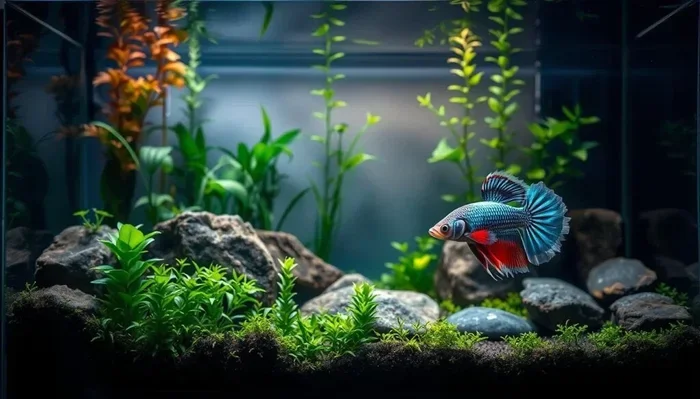
Betta fish, often called Siamese fighting fish, are famous for their vivid colors and flowing fins. Their reputation for aggression leads many owners to keep them alone. While a single betta can thrive in a well‑maintained tank, a carefully chosen community can provide enrichment, reduce boredom, and make your aquarium look more natural.
In this article we’ll answer the question “what is a good tank mate for a betta fish?” by exploring the science behind betta behavior, the practical requirements of a community tank, and a list of species that usually get along. By the end, you’ll feel confident setting up a peaceful, thriving aquarium.
Understanding Betta Temperament
Male vs. Female Betta
Male bettas are territorial, especially about their surface space. Females are less aggressive but can still display flare-ups if crowded. If you plan a community, a single male is usually the safest choice; a group of females (a sorority) can coexist if the tank is large enough and plenty of hiding places are provided.
What Triggers Aggression?
- Bright colors and long fins: Other fish that resemble a betta’s shape or coloration may be seen as rivals.
- Limited space: A tank under 10 gallons forces fish into close contact, increasing stress.
- Incompatible water needs: Temperature or pH mismatches cause discomfort, leading to irritability.
Essential Tank Setup Before Adding Mates
Tank Size and Layout
A minimum of 10 gallons is recommended for a male betta with a few peaceful companions. Larger tanks (20+ gallons) give even more security and allow a greater variety of species. Use a long, rectangular tank rather than a tall bowl so the betta can claim the surface while other fish occupy the middle and bottom layers.
Filtration, Heating, and Water Quality
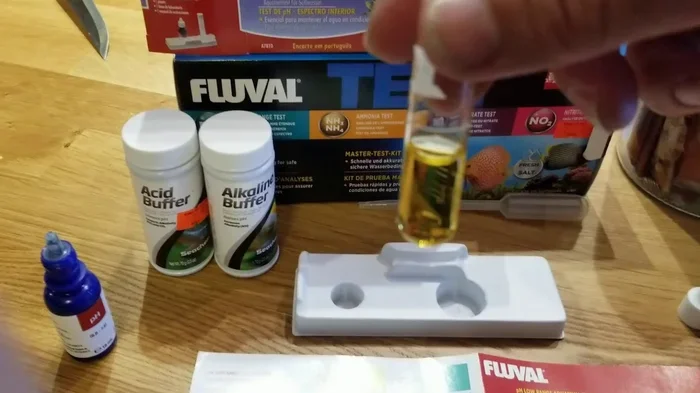
Betta fish thrive in water that is 76‑82°F (24‑28°C). Consistent temperature is vital for both the betta and its tank mates. A gentle filter with adjustable flow prevents strong currents that can stress a betta’s delicate fins. Regular water changes (25 % weekly) keep nitrate levels low.
For more details on temperature and tank size, see our articles What Temperature Should Water Be For A Betta Fish and What Is A Good Size Tank For A Betta Fish.
Plants, Substrate, and Hiding Spots
Live plants such as Java fern, Anubias, and Marimo moss create natural borders and give the betta places to rest. If live plants aren’t an option, silk plants and smooth driftwood work well. Provide at least one dense cover area per additional fish to break up sight lines.
Top Species That Make Good Tank Mates
1. Neon Tetras
These tiny, schooling fish stay in the mid‑water column and add a splash of color. A school of six‑eight neon tetras is ideal; their quick movements distract the betta and reduce territorial displays.
2. Corydoras Catfish
Corydoras are peaceful bottom‑dwellers that love to scavenge leftover food. Their soft barbels and calm nature make them invisible to a betta’s aggression. A small group of three to five works best.
3. Harlequin Rasboras
These slightly larger schooling fish have a striking black‑orange pattern. They occupy the middle level and are fast enough to avoid any occasional flares.
4. Otocinclus Catfish
Known as “nano‑plecos,” otos are excellent algae eaters and stay low in the tank. They are shy, so provide plenty of plant cover.
5. Small Livebearers (e.g., Guppies, Endlers)
While guppies are colorful, male guppies can sometimes trigger a betta’s aggression due to bright fins. Choose the smaller, less flashy Endler livebearers and keep them in a group of at least six.
6. Shrimp and Snails
Aquatic shrimp (Cherry, Ghost) and nerite snails help clean the tank and are generally ignored by bettas. However, a very hungry betta may nip at larger shrimp, so monitor feeding.
Species to Avoid
- Other Bettas: Males will fight; even females can become aggressive in cramped spaces.
- Fin‑nipping fish: Species like Tiger barbs or other aggressive gouramis may damage delicate betta fins.
- Large, fast swimmers: They can out‑compete the betta for surface food and cause stress.
- Brightly colored, long‑fin fish: They may be mistaken for rival bettas.
Step‑by‑Step Guide to Introducing Tank Mates
Step 1: Quarantine New Arrivals
Keep any new fish in a separate quarantine tank for at least two weeks. This prevents disease transfer and lets you observe their temperament.
Step 2: Rearrange Decor
Before adding new fish, rearrange plants and ornaments. A changed environment makes the betta think the tank is new, reducing territorial aggression.
Step 3: Gradual Introduction
Use a clear plastic bag to float the new fish in the betta’s tank for 15‑30 minutes. This allows both to see each other without direct contact. If the betta flares, wait a few more days before trying again.
Step 4: Monitor Closely
For the first 48 hours watch for signs of stress: frantic swimming, loss of color, or hiding. If aggression persists, be prepared to relocate the newcomer.
Step 5: Maintain Consistent Care
Feed a varied diet, keep water parameters stable, and perform regular water changes. A healthy environment reduces aggression across the board.
Common Problems and How to Fix Them
Betta Is Aggressive
Add more hiding spots, increase tank size, or remove the most aggressive tank mate. Sometimes a single, larger fish (like a dwarf gourami) can act as a distraction, but only if the tank is spacious.
Tank Mate Shows Signs of Stress
Check water quality first. If parameters are fine, consider that the species may simply be incompatible. Relocating the stressed fish to a species‑only tank is often the best solution.
Algae Overgrowth
Introduce more algae‑eating species such as otocinclus or nerite snails. Reduce lighting duration to 6‑8 hours per day.
Conclusion: Creating a Harmonious Community
Finding a good tank mate for a betta fish is all about balance—matching water needs, providing enough space, and choosing peaceful species that occupy different tank levels. With a minimum 10‑gallon setup, plenty of plants, and careful observation, you can enjoy the vibrant personality of your betta alongside a lively, stress‑free community.
Remember, every fish is an individual. Even “safe” species can surprise you, so stay vigilant and be ready to make adjustments. A well‑planned community tank not only looks beautiful but also promotes the health and happiness of all its residents.
Frequently Asked Questions
Can I keep a male betta with a female guppy?
It’s possible, but male guppies have bright, flowing fins that may trigger aggression. If you try, keep the guppies in a school of six or more and watch closely for any flaring.
Do bettas get along with dwarf gouramis?
Dwarf gouramis are generally peaceful and occupy a similar surface level, so they can sometimes co‑habit. However, they need a larger tank (20+ gallons) to avoid territorial disputes.
Is it safe to add shrimp to a betta tank?
Most bettas ignore small shrimp, especially when well‑fed. Cherry or Ghost shrimp are good choices, but keep an eye on feeding habits to ensure the betta doesn’t start hunting them.
How many neon tetras can I add to a 10‑gallon betta tank?
A small school of six neon tetras works well. They stay in the mid‑water column and add movement without crowding the betta.
What should I do if my betta attacks a new fish?
Immediately remove the aggressor’s line of sight by adding a divider or rearranging decor. Consider moving the new fish to a separate tank and try a different, more peaceful species later.
Do I need a heater for a community betta tank?
Yes. Betta fish are tropical and require stable temperatures of 76‑82°F. A reliable aquarium heater keeps the water warm for both the betta and its companions.