Why Is My Male Betta Fish Making Bubbles

Male bettas often create bubbles as a natural part of their breeding instinct, stress response, or simple play. Understanding the reasons behind bubble‑making helps you provide the right environment, prevent problems, and enjoy a happier fish.
Key Takeaways
- Bubble‑making is normal: Most male bettas blow bubbles to build a nest for future eggs.
- Stress can trigger bubbles: Poor water quality, aggressive tank mates, or sudden changes may cause excess blowing.
- Temperature matters: Warm water (78‑80°F) encourages healthy bubble‑nest building.
- Observe the pattern: Regular, purposeful blowing is different from frantic, panicked surfacing.
- Tank setup influences behavior: Surface area, plant cover, and water flow affect bubble production.
- Diet supports nest building: Protein‑rich foods give bettas the energy needed for bubble creation.
- Know when to act: If bubbles stop suddenly or your fish looks lethargic, check water parameters and health.
📑 Table of Contents
- Introduction: The Curious Case of the Bubbly Betta
- 1. The Natural Instinct: Building a Bubble Nest
- 2. Stress‑Induced Bubble Blowing
- 3. Environmental Factors That Influence Bubble Production
- 4. Nutrition: Feeding the Bubble Builder
- 5. When Bubbles Stop: Red Flags and What to Do
- 6. Frequently Asked Questions About Male Betta Bubbles
- Conclusion: Embrace the Bubbles, Keep the Betta Happy
Introduction: The Curious Case of the Bubbly Betta
If you’ve ever watched a male betta fish puffing out tiny bubbles and wondered, “why is my male betta fish making bubbles?” you’re not alone. Many hobbyists first notice this behavior when a new betta arrives or when the season changes. The sight can be both entertaining and puzzling—especially if you’re new to the world of Siamese fighting fish.
In this article we’ll break down the science, the instincts, and the everyday factors that cause a male betta to become a little bubble‑blowing artist. By the end, you’ll know whether those bubbles are a sign of healthy breeding preparation, a cry for help, or simply a quirky habit.
1. The Natural Instinct: Building a Bubble Nest
Why bubble nests matter
Male bettas are built to be parents. In the wild, they gather at the water’s surface, blowing a raft of air bubbles that stick together with mucus. This “bubble nest” provides a safe, oxygen‑rich platform for fertilized eggs. The nest protects the eggs from predators and keeps them from sinking into low‑oxygen bottom water.

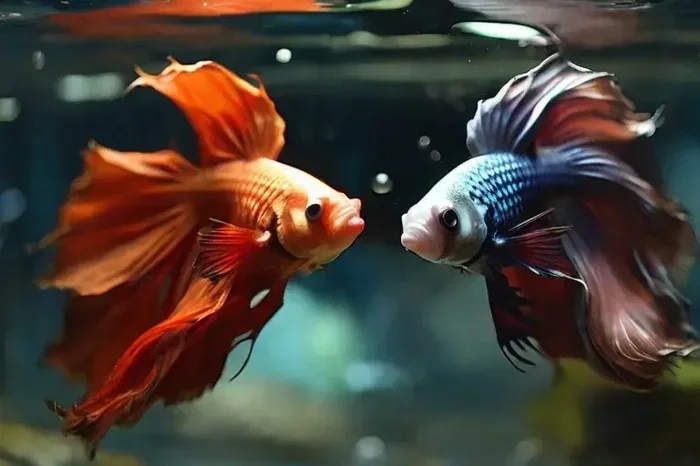
Visual guide about Why Is My Male Betta Fish Making Bubbles
Image source: gysjzsjy.com
How the nest is made
When the temperature is right (78‑80°F) and the male feels secure, he will gulp air from the surface, mix it with a thin layer of saliva, and release it in a steady stream. The bubbles cluster together, forming a flat, saucer‑shaped structure. A healthy adult male can produce a nest that’s anywhere from a few centimeters to the size of a small pancake.
What the nest looks like
- Shape: Usually a shallow dome or a flat disc near the water’s surface.
- Color: Clear to slightly white, sometimes with a faint slime coating.
- Location: In a calm area of the tank, often under a leaf or a piece of driftwood.
If you’re seeing a purposeful, steady stream of bubbles that gather into a recognizable structure, you’re most likely witnessing your betta’s breeding instinct in action.
2. Stress‑Induced Bubble Blowing
When bubbles become a warning sign
Not all bubble blowing is about romance. A stressed betta may gulp air rapidly, producing a frantic spray of bubbles that never form a nest. Common stressors include:
- Poor water quality (high ammonia or nitrite).
- Sudden temperature shifts.
- Incompatible tank mates or reflections that trigger aggression.
- Overcrowding or too little surface area.
In these cases, the fish is trying to increase surface oxygen intake while also displaying a “show of strength” to deter perceived threats.
How to spot stress‑related blowing
Look for irregular, rapid bursts of bubbles, especially if the fish is also hiding, gasping at the surface, or showing faded colors. Pair this observation with a water test—high nitrate or low pH often correlates with stress.
3. Environmental Factors That Influence Bubble Production
Tank size and surface area
Betta fish need a calm surface to build a nest. A tall, narrow tank with limited surface area can make bubble formation difficult, leading the fish to blow more bubbles in an attempt to find a suitable spot.

Visual guide about Why Is My Male Betta Fish Making Bubbles
Image source: img.lazcdn.com
Water flow and filtration
Strong currents disturb the delicate bubble nest. If your filter creates a visible stream at the top, consider redirecting the flow or using a sponge filter that offers gentle aeration.
Plants and décor
Floating plants like Salvinia or Duckweed provide natural cover and a stable surface for nests. They also help maintain water temperature and oxygen levels.
4. Nutrition: Feeding the Bubble Builder
Protein‑rich diet
Bubble nest construction requires energy. A diet high in protein—such as high‑quality betta pellets, frozen bloodworms, or brine shrimp—supports mucus production and overall vigor.
Feeding schedule
Feed small portions 2‑3 times daily. Overfeeding can cloud the water, reducing oxygen and discouraging nest building.
Supplements
Occasional vitamin‑C drops boost immune health, which indirectly supports normal breeding behavior.
5. When Bubbles Stop: Red Flags and What to Do
Sudden cessation of bubble blowing
If your male betta abruptly stops making bubbles, it could indicate illness, poor water conditions, or a hormonal shift. Check for:
- Lethargy or loss of appetite.
- Faded or white‑spotted fins (see Why Is My Betta Fish Turning White).
- Cloudy water or foul smell.
Immediate actions
1. Test water parameters (ammonia, nitrite, nitrate, pH).
2. Perform a partial water change (25‑30%).
3. Reduce feeding for 24‑48 hours to let the gut clear.
4. Observe for any signs of disease—if present, treat accordingly.
Long‑term prevention
Maintain a stable temperature, perform weekly water changes, and keep the tank lightly planted. A healthy environment reduces stress and encourages natural bubble‑nest behavior.
6. Frequently Asked Questions About Male Betta Bubbles
Do all male bettas make bubble nests?
Almost all healthy adult males will attempt to build a nest when conditions are right. Young or sick bettas may not have the energy to do so.
Can females make bubbles?
Females may produce occasional bubbles, but they rarely build nests. Their bubble blowing is usually a stress response.
Is it okay to remove the bubble nest?
If you’re not breeding, you can gently disperse the nest to keep the tank tidy. Removing it won’t harm the fish, but avoid doing it repeatedly as it may cause stress.
Why does my betta make bubbles when I tap the tank?
Tap‑induced bubbles are a defensive reaction. The fish thinks a rival is approaching and blows bubbles to assert dominance.
Can I encourage my betta to build a nest for breeding?
Yes—provide a warm, stable environment, a surface for the nest, and a compatible female in a separate breeding tank.
What if my betta makes bubbles but no nest forms?
Check water flow and surface area. Strong currents or a cramped tank can prevent the bubbles from clustering.
Conclusion: Embrace the Bubbles, Keep the Betta Happy
Understanding why is my male betta fish making bubbles transforms a simple curiosity into a practical guide for better care. Whether the bubbles signal a ready‑to‑breed male, a stressed fish, or just a playful habit, the key is to watch the pattern, check the environment, and respond appropriately.
By maintaining clean water, stable temperature, and a calm surface, you give your betta the best chance to create beautiful bubble nests—or simply enjoy his bubbly antics. Remember, a happy betta is a healthy betta, and those shimmering bubbles are often a sign that you’re doing something right.
Frequently Asked Questions
Why does my male betta fish make bubbles at the surface?
He is likely building a bubble nest for breeding. This natural behavior occurs when water temperature and conditions are optimal.
Can stress cause my betta to blow bubbles continuously?
Yes. Poor water quality, sudden temperature changes, or aggressive tank mates can trigger frantic bubble blowing as a stress response.
Do female bettas ever make bubbles?
Females may release occasional bubbles, but they rarely build nests. Frequent bubbling in a female often indicates stress.
How can I help my betta make a better bubble nest?
Provide warm water (78‑80°F), a calm surface, floating plants, and a protein‑rich diet. Reduce water flow near the top of the tank.
What does it mean if my betta stopped making bubbles suddenly?
A sudden stop can signal illness, poor water conditions, or hormonal changes. Test the water and look for other signs of stress.
Is it safe to remove a bubble nest if I’m not breeding?
Yes, you can gently disperse the nest without harming the fish, but avoid frequent removal as it may cause stress.