Is My Female Betta Fish Happy
Is my female betta fish happy? Understanding your betta’s mood is easier than you think. A happy female betta shows bright colors, a healthy appetite, active swimming, and curiosity about her surroundings. This guide covers the top signs of a content betta, common causes of stress, and simple ways to improve her quality of life.
Is my female betta fish happy? If you own a betta, this is probably a question you have thought about before. Betta fish are fascinating creatures with distinct personalities. They can seem moody, playful, or even shy at times. But how do you really know if your female betta is living her best life?
The truth is, reading your betta’s happiness is not as hard as it sounds. There are clear betta fish behavior signs that tell you a lot about how she feels. From the way she swims to the colors she displays, every detail matters. In this article, we will walk you through everything you need to know about keeping your female betta joyful, healthy, and stress-free.
Whether you are a new betta owner or have had fish for years, this guide is for you. We will cover the top signs of happiness, common stress triggers, and easy tips to improve your betta’s tank life. Let us dive right in!
Key Takeaways
- Bright, vibrant colors are one of the clearest signs your female betta is happy and healthy.
- A good appetite and eagerness to eat show that your betta feels safe and comfortable.
- Active swimming and exploration mean your betta is engaged and content in her environment.
- Bubble nests and playful behavior are positive indicators of a relaxed, happy betta fish.
- Stress signs like hiding, lethargy, or faded colors should be addressed quickly to protect your betta’s well-being.
- Proper tank setup, clean water, and enrichment go a long way in keeping your female betta joyful.
- Regular observation helps you catch problems early and keep your betta thriving long-term.
📑 Table of Contents
- How to Tell If Your Female Betta Fish Is Happy
- Common Signs of Stress in Female Bettas
- What Makes a Female Betta Happy? Tank Setup Essentials
- Quick Tips to Boost Your Betta’s Happiness
- Common Mistakes That Make Female Bettas Unhappy
- When to Seek Help for an Unhappy Betta
- Final Thoughts on Keeping Your Female Betta Happy
How to Tell If Your Female Betta Fish Is Happy
Knowing the signs of a happy betta fish is the first step toward better care. Female bettas show their feelings through behavior, appearance, and daily habits. Here are the most reliable indicators that your betta is content and thriving.
Vibrant Coloration
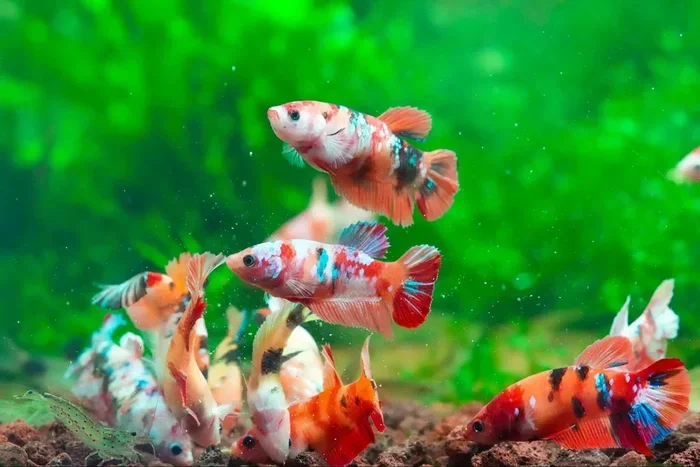
A happy female betta displays bright, vivid colors. Her scales should look rich and shiny. If your betta is feeling good, her colors will pop. Blues, reds, greens, and purples will appear deep and lively. When a betta is stressed or sick, her colors tend to fade. This is one of the easiest ways to check on her well-being. If you notice your betta looking dull, it may be time to investigate further.
Healthy Appetite
A good appetite is a strong sign of a happy betta. Female bettas that feel safe and comfortable will eat eagerly. They will swim up to the surface when it is feeding time. If your betta refuses food or shows no interest, something may be wrong. Occasional fasting is normal, but consistent refusal is a red flag. You can learn more about feeding concerns in our article on why your female betta fish may not be eating.
Active and Curious Swimming
A content betta loves to explore. She will swim around the tank with purpose. She might check out plants, decorations, and even the glass walls. This curious swimming behavior shows that she feels secure in her environment. A happy betta is never still all the time. She moves with ease and grace. If your betta seems lethargic or stays in one spot, she may be unhappy or unwell.
Bubble Nest Building
Female bettas sometimes build bubble nests, though this is more common in males. When a female betta makes bubbles, it often means she feels safe and relaxed. You can read more about this behavior in our piece on why your female betta fish is making bubbles. Bubble nests are a great sign that your betta is comfortable in her surroundings. Even if your female does not build one, it does not mean she is unhappy. Every betta is different.
Engagement With You
Many betta owners notice their fish watching them. If your female betta follows your finger or swims to the front of the tank when you approach, that is a wonderful sign. Betta fish are intelligent and they can recognize their owners. This kind of engagement shows trust and comfort. It is one of the most rewarding parts of owning a betta.
Common Signs of Stress in Female Bettas
Just as there are signs of happiness, there are clear signs of stress. Knowing what to look for helps you act fast. A stressed betta can become sick quickly if the problem is not addressed.
Faded or Dull Colors
When a betta is stressed, her colors often fade. She may look pale or washed out. This is sometimes called “stress striping.” You might notice horizontal lines along her body. Faded colors can also be linked to illness, so it is important to monitor other symptoms too.
Hiding and Lethargy
A happy betta is curious and active. If your female betta spends most of her time hiding behind plants or resting at the bottom, she may be stressed. Lethargy is a serious sign. It can point to poor water conditions, incorrect temperature, or illness. Check out our guide on why your betta fish may not be active for more insight.
Loss of Appetite
We touched on appetite earlier, but it deserves its own mention. A stressed betta often stops eating. She may ignore food completely or only nibble occasionally. This is a clear signal that something in her environment needs to change.
Clamped Fins
If your betta keeps her fins close to her body, this is called “clamped fins.” It is a classic stress response in bettas. Healthy bettas hold their fins open and flowing. Clamped fins can also indicate disease, so watch for other symptoms as well.
What Makes a Female Betta Happy? Tank Setup Essentials
The environment you create for your betta plays a huge role in her happiness. A well-designed tank can make all the difference. Here is what you need to focus on.
Tank Size Matters
Many people keep bettas in tiny bowls, but this is not ideal. Female bettas need at least a 5-gallon tank to thrive. A larger tank gives her room to swim and explore. It also helps keep water parameters stable. A happy betta needs space to move around freely.
Proper Water Temperature
Betta fish are tropical creatures. They need warm water to stay healthy and happy. The ideal temperature range is between 76 and 82 degrees Fahrenheit. Use a reliable heater and thermometer to maintain steady conditions. Cold water can make your betta sluggish and unhappy. You can learn more about temperature concerns in our article can you keep your betta fish in cold water.
Clean Water and Filtration
Dirty water is one of the biggest threats to betta happiness. Regular water changes are essential. Aim for a 25 percent water change every week. Use a gentle filter to avoid strong currents, as bettas prefer calm water. Clean, well-filtered water keeps your betta healthy and stress-free.
Plants and Decorations
Betta fish love environments with plenty of things to explore. Live or silk plants give your betta places to hide and rest. Driftwood, caves, and gentle decorations add enrichment. Avoid sharp plastic plants that can tear your betta’s fins. A well-decorated tank makes your female betta feel safe and stimulated.
Tank Mates
Female bettas can sometimes live with other fish, but it requires careful planning. Not all fish are compatible with bettas. Avoid aggressive or fin-nipping species. If you are considering adding tank mates, read our guide on whether you can put your female betta with other fish. The right tank mates can add social enrichment, while the wrong ones can cause constant stress.
Quick Tips to Boost Your Betta’s Happiness
Want to make your female betta even happier? Here are some simple, effective tips you can start today.
- Add variety to her diet. Offer a mix of high-quality pellets, frozen bloodworms, and brine shrimp. Variety keeps mealtime exciting.
- Provide enrichment. Place a mirror near the tank occasionally for short periods. This stimulates natural behaviors. Just do not leave it on too long.
- Talk to your betta. It sounds silly, but bettas can recognize familiar voices. Your calm presence helps them feel safe.
- Keep the tank in a quiet spot. Avoid placing the tank near loud TVs or high-traffic areas. A calm environment reduces stress.
- Perform regular maintenance. Stay on top of water changes and filter cleaning. Consistent upkeep prevents problems before they start.
- Observe your betta daily. Spending a few minutes each day watching your betta helps you spot changes early. Early detection leads to better outcomes.
Common Mistakes That Make Female Bettas Unhappy
Even well-meaning owners can make mistakes that affect their betta’s happiness. Here are the most common ones to avoid.
- Keeping the tank too small. A tiny bowl limits movement and causes stress. Always go for at least 5 gallons.
- Skipping water changes. Dirty water leads to ammonia buildup, which is harmful and even deadly.
- Overfeeding. Too much food can cause bloating and other health issues. Feed small amounts twice a day.
- Ignoring temperature control. Fluctuating temperatures weaken your betta’s immune system.
- Using harsh decorations. Sharp plastic plants and rough gravel can injure your betta’s delicate fins.
- Placing the tank in direct sunlight. This causes algae blooms and temperature spikes that stress your fish.
Avoiding these mistakes creates a much better life for your female betta. Small changes in care can lead to big improvements in her mood and health.
When to Seek Help for an Unhappy Betta
Sometimes, despite your best efforts, your betta may show signs of unhappiness or illness. Knowing when to take action is important. If your betta stops eating for more than a few days, her colors fade significantly, or she shows signs of swelling, it is time to investigate further. A bloated belly, for example, can indicate a serious issue. Check out our article on why your female betta fish stomach may be big for more information.
Other warning signs include rapid breathing, rubbing against objects, and unusual swimming patterns. If you notice any of these, test your water parameters immediately. Look for ammonia, nitrite, and nitrate levels. Poor water quality is the leading cause of betta stress and illness. If the problem persists, consider consulting a veterinarian who specializes in fish.
Remember, a healthy betta is a happy betta. Catching problems early gives your fish the best chance of recovery. Do not wait until symptoms become severe before taking action.
Final Thoughts on Keeping Your Female Betta Happy
So, is your female betta fish happy? Now you have the tools to find out. Pay attention to her colors, appetite, swimming patterns, and overall energy. These betta happiness indicators tell you a lot about how she is feeling. A well-maintained tank, proper diet, and regular observation are the foundations of betta care.
Your female betta depends on you for her well-being. She cannot speak, but she communicates through her behavior every single day. By learning to read her signals, you become a better owner and she becomes a happier fish. The effort you put into understanding her needs will pay off in years of companionship and joy.
Take what you have learned from this guide and put it into practice today. Small improvements in her environment and routine can transform her quality of life. A happy betta is a beautiful betta, and there is nothing quite like watching a healthy, content fish thrive in her home. Keep learning, keep caring, and enjoy every moment with your wonderful female betta.
Frequently Asked Questions
How can I tell if my female betta fish is happy?
A happy female betta shows bright colors, eats eagerly, swims actively, and explores her tank. She may also build bubble nests or show interest in her surroundings. These behaviors are clear signs of contentment and good health.
What are the main signs of a stressed female betta?
Stressed female bettas often show faded colors, clamped fins, lethargy, loss of appetite, and excessive hiding. If you notice these signs, check your water parameters and tank conditions right away to identify and fix the problem.
How big should my female betta’s tank be?
A minimum of 5 gallons is recommended for a female betta fish. A larger tank provides more swimming space and helps maintain stable water conditions. Bigger tanks are always better for your betta’s happiness and health.
Can female bettas live with other fish?
Yes, female bettas can sometimes live with other fish, but it requires careful selection of tank mates. Choose peaceful, non-aggressive species and provide plenty of hiding spots. You can read more in our article on whether you can put your female betta with other fish.
What should I feed my female betta to keep her happy?
A varied diet keeps your betta healthy and satisfied. Offer high-quality pellets as a staple, and supplement with frozen or live foods like bloodworms and brine shrimp. Feed small amounts twice a day and avoid overfeeding.
Why is my female betta hiding all the time?
Excessive hiding often signals stress, illness, or discomfort in the tank. Check your water quality, temperature, and look for any signs of disease. If the behavior continues, consider adjusting her environment or consulting a fish veterinarian.
=== CONCLUSION ===
Is my female betta fish happy? By now, you know the answer lies in observing her daily behavior, appearance, and habits. A happy betta is active, colorful, and eager to engage with her world. Keep her tank clean, her water warm, and her diet varied. Watch for signs of stress and act quickly when needed. Your female betta deserves a wonderful life, and with the care tips in this guide, you are well on your way to giving her exactly that.