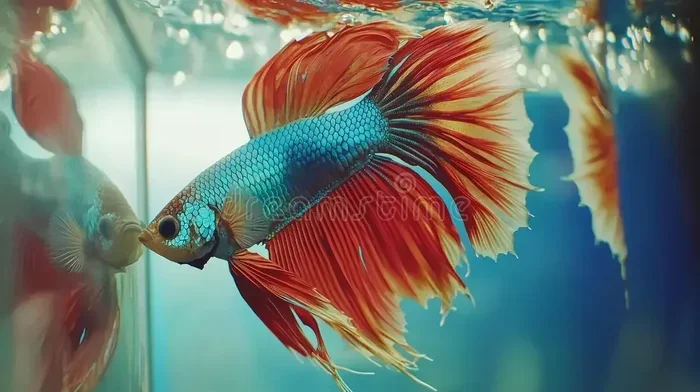
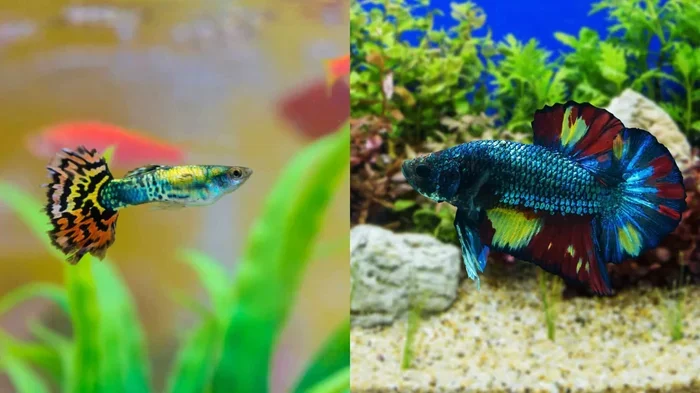
Can I Keep My Betta Fish Is Cold

Betta fish are tropical creatures that need warm water to thrive. You cannot keep your betta fish in cold water without serious health consequences. The ideal temperature range is 76-82°F (24-28°C), and anything below 74°F can be dangerous. This article covers everything you need to know about keeping your betta fish at the right temperature.
Key Takeaways
- Betta fish are tropical: They originate from warm waters in Southeast Asia and require heated aquariums to stay healthy.
- Ideal temperature range: Keep your betta fish between 76-82°F (24-28°C) for optimal health and activity.
- Cold water is dangerous: Temperatures below 74°F can cause lethargy, immune suppression, and even death in betta fish.
- Use a heater: A reliable aquarium heater is essential equipment for any betta fish tank.
- Watch for warning signs: Clamped fins, loss of color, and unusual behavior can signal that your betta fish is too cold.
- Gradual changes matter: Sudden temperature shifts are just as harmful as consistently cold water.
- Monitor regularly: A good aquarium thermometer helps you keep your betta fish at a safe, stable temperature.
📑 Table of Contents
- Can I Keep My Betta Fish in Cold Water?
- Understanding Your Betta Fish’s Natural Habitat
- The Ideal Temperature Range for Betta Fish
- The Dangers of Keeping Your Betta Fish in Cold Water
- How to Keep Your Betta Fish Warm
- Signs Your Betta Fish Is Too Cold
- Common Myths About Betta Fish and Cold Water
- Frequently Asked Questions About Betta Fish Temperature
- Conclusion
Can I Keep My Betta Fish in Cold Water?
If you’ve ever wondered, “Can I keep my betta fish in cold water?” you’re not alone. This is one of the most common questions new betta owners ask. The short answer is no. Betta fish are tropical animals that need warm, stable temperatures to survive and thrive. Cold water can cause serious health problems and even lead to an early death for your beautiful fish.
Many people assume that because betta fish are sold in small cups and bowls, they don’t need much care. That’s a dangerous myth. In the wild, betta fish live in the warm rice paddies, shallow ponds, and slow-moving streams of Thailand, Cambodia, and Vietnam. These waters stay warm year-round. Your betta fish needs that same warmth in its home aquarium.
In this article, we’ll explore exactly what happens when you keep your betta fish in cold water, what temperature range is ideal, and how to make sure your fish stays warm and healthy for years to come.
Understanding Your Betta Fish’s Natural Habitat
Where Do Betta Fish Come From?
Betta fish, also known as Siamese fighting fish, are native to Southeast Asia. They thrive in warm, shallow waters with plenty of vegetation. The countries of Thailand, Cambodia, Vietnam, and Laos are home to wild betta populations. In these regions, water temperatures rarely drop below 75°F (24°C), even during the cooler months.
Understanding this natural habitat is key to answering the question, “Can I keep my betta fish in cold water?” The answer becomes clear when you realize that cold water is completely foreign to their biology. Their bodies are designed to function in warm environments. Every system in their body, from digestion to immunity, depends on consistent warmth.
How Temperature Affects Betta Fish Biology
Betta fish are ectothermic, meaning they cannot regulate their own body temperature. Unlike mammals, they rely entirely on the temperature of their surrounding water. When the water is too cold, their metabolism slows down dramatically. This affects everything from how they digest food to how their immune system fights off infections.
A betta fish in cold water will become sluggish. It may stop eating. Its colors may fade. Over time, the stress of living in an environment that’s too cold weakens the fish’s immune system, making it vulnerable to diseases like fin rot, ich, and velvet. These conditions can be fatal if not treated promptly.
The Ideal Temperature Range for Betta Fish
What Temperature Should My Betta Fish Tank Be?
The ideal temperature for keeping your betta fish healthy is between 76°F and 82°F (24°C to 28°C). Most experts recommend aiming for around 78°F (25.5°C) as the sweet spot. At this temperature, your betta fish will be active, colorful, and have a strong appetite.
Consistency is just as important as the actual number. Fluctuating temperatures can stress your betta fish just as much as water that’s consistently too cold. A good aquarium heater with a built-in thermostat will help you maintain a stable temperature around the clock.
What Happens at Different Temperature Ranges?
Let’s break down what happens to your betta fish at various temperature levels:
- 76-82°F (24-28°C): This is the ideal range. Your betta fish will be active, eat well, display vibrant colors, and have a strong immune system.
- 74-76°F (23-24°C): Your betta fish will survive but won’t thrive. You may notice reduced activity and a weaker immune response.
- 70-74°F (21-23°C): Danger zone. Your betta fish will become lethargic, stop eating, and become highly susceptible to disease.
- Below 70°F (21°C): Life-threatening. Prolonged exposure to these temperatures can kill your betta fish.
As you can see, the answer to “Can I keep my betta fish in cold water?” is a firm no. Even temperatures that seem only slightly cool can have a significant impact on your fish’s health.
The Dangers of Keeping Your Betta Fish in Cold Water
Weakened Immune System
One of the biggest risks of cold water is a compromised immune system. When your betta fish is too cold, its body diverts energy away from immune function to focus on basic survival. This means common bacteria and parasites that a healthy betta fish would easily fight off can quickly become deadly.
Diseases like ich (white spot disease), fin rot, and fungal infections are much more common in bettas kept at improper temperatures. If you notice your betta fish showing signs of illness, one of the first things to check is the water temperature. You can learn more about recognizing health issues in our guide on how to tell if your betta fish is sick.
Digestive Problems
Cold water slows down your betta fish’s metabolism, which directly affects digestion. A betta fish in cold water may refuse to eat entirely. If it does eat, the food may not digest properly, leading to bloating, constipation, and swim bladder issues.
Swim bladder disorder is a common problem in bettas kept in cold water. You might notice your betta fish floating sideways, sinking to the bottom, or struggling to maintain its position in the water. If this happens, check out our article on why your betta fish is floating sideways for more information.
Stress and Behavioral Changes
A betta fish kept in cold water will show clear signs of stress. It may clamp its fins close to its body, hide more than usual, or become unusually aggressive. The vibrant colors that make betta fish so popular may fade, leaving your fish looking dull and washed out.
Stress also shortens a betta fish’s lifespan. While a well-cared-for betta fish can live 3-5 years or even longer, a fish kept in cold water may only survive a fraction of that time. Keeping your betta fish at the right temperature is one of the simplest things you can do to ensure a long, healthy life.
How to Keep Your Betta Fish Warm
Choosing the Right Aquarium Heater
The most important piece of equipment for any betta fish tank is a reliable heater. There are several types to choose from:
- Submersible heaters: These are the most popular choice. They sit inside the tank and can be fully submerged. Look for one with an adjustable thermostat.
- Preset heaters: These are set to a specific temperature (usually around 78°F) and are great for beginners who want a simple solution.
- Heating mats: These go under the tank and are less common but can work for smaller setups.
For most betta fish tanks, a submersible heater with an adjustable thermostat is the best option. Choose a heater rated for your tank size. A general rule is 5 watts per gallon of water. So a 5-gallon tank would need a 25-watt heater.
Using a Thermometer
A heater alone isn’t enough. You also need a thermometer to monitor the water temperature. Digital stick-on thermometers are affordable and easy to read. Place the thermometer on the opposite side of the tank from the heater for the most accurate reading.
Check the temperature daily, especially during seasonal changes. Even with a heater, extreme cold in your home can affect the tank temperature. If you live in a region with harsh winters, you may need a more powerful heater or additional insulation around the tank.
Other Tips for Maintaining Warm Water
Beyond a heater and thermometer, here are some additional tips to keep your betta fish warm:
- Keep the tank away from windows and drafts: Cold air from windows or air conditioning vents can cool the water quickly.
- Use a tank cover or lid: This helps retain heat and prevents evaporation, which can lower the temperature.
- Insulate the tank: In very cold climates, you can wrap the back and sides of the tank with foam insulation.
- Don’t place the tank on the floor: Heat rises, so a tank on a stand or table will stay warmer than one on the floor.
Signs Your Betta Fish Is Too Cold
Physical Signs to Watch For
Knowing the signs of a cold betta fish can help you take action before serious health problems develop. Here are the most common physical indicators:

Visual guide about Can I Keep My Betta Fish Is Cold
Image source: innersloth.com
- Clamped fins: Your betta fish holds its fins tight against its body instead of fanning them out.
- Faded colors: The bright reds, blues, or purples become dull or washed out.
- Lethargy: Your betta fish moves very little and may rest on the bottom of the tank for extended periods.
- Loss of appetite: Your betta fish refuses food or eats much less than usual.
- Shivering or shimmying: You may notice your betta fish shaking or moving in a wavy pattern.
If you notice any of these signs, check your water temperature immediately. You can also read our guide on how to know if your betta fish is dying for more warning signs to watch for.
Behavioral Changes
Beyond physical signs, a cold betta fish will behave differently. It may stop exploring its tank, ignore toys or decorations, and spend most of its time hiding. A normally active and curious betta fish that suddenly becomes withdrawn is telling you something is wrong.
Some bettas may also become more aggressive when they’re stressed from cold water. If your usually calm betta fish starts flaring at everything or attacking tank mates, temperature could be the culprit.
Common Myths About Betta Fish and Cold Water
Myth: Betta Fish Don’t Need a Heater
This is perhaps the most dangerous myth in the betta fish world. Many pet stores sell betta fish in unheated cups and small bowls, giving the impression that these fish don’t need warm water. The truth is that betta fish are being kept in suboptimal conditions at the store, and they need a proper heated tank at home.
If you’ve been keeping your betta fish in cold water without a heater, it’s not too late to make a change. Gradually increase the temperature over a day or two to avoid shocking your fish. A sudden temperature change can be just as harmful as cold water.
Myth: Room Temperature Is Fine
Many people assume that if their home feels comfortable to them, it’s comfortable for their betta fish. Unfortunately, this isn’t true. Most homes are kept between 68-72°F (20-22°C), which is too cold for betta fish. Even if your home is on the warmer side, nighttime temperature drops can push the water into the danger zone.
The only way to know for sure is to use a thermometer. Don’t guess when it comes to your betta fish’s health.
Myth: Betta Fish Can Adapt to Cold Water
While betta fish are hardy in some ways, they cannot adapt to cold water. Their tropical biology is fixed. A betta fish kept in cold water isn’t adapting; it’s slowly suffering. The stress of living in an unsuitable environment takes a toll on every organ system in its body.
Instead of hoping your betta fish will adjust, take proactive steps to provide the warm, stable environment it needs. Your fish will reward you with vibrant colors, active behavior, and a longer life.
Frequently Asked Questions About Betta Fish Temperature
Can Betta Fish Survive in Cold Water Temporarily?
Brief exposure to slightly cooler water (around 74°F) won’t immediately kill your betta fish, but it’s not something you should allow regularly. If your heater fails or there’s a power outage, your betta fish can survive for a short time, but you should work to restore the proper temperature as quickly as possible. Wrap the tank with towels or blankets to retain heat during emergencies.
What Is the Lowest Temperature a Betta Fish Can Tolerate?
The absolute lowest temperature a betta fish can tolerate for a short period is around 70°F (21°C). However, this is an emergency threshold, not a target. Prolonged exposure to temperatures this low will cause serious health problems and can be fatal. Always aim to keep your betta fish between 76-82°F.
Do Betta Fish Need a Heater in the Summer?
In most cases, you won’t need a heater during the summer if your home stays above 76°F. However, air conditioning can cool your home significantly, so it’s still important to monitor the temperature. Keep your heater available and ready to use if temperatures drop.
Conclusion
So, can you keep your betta fish in cold water? The answer is clear: no. Betta fish are tropical animals that need warm, stable temperatures between 76-82°F to stay healthy and happy. Cold water weakens their immune system, slows their metabolism, causes stress, and can ultimately lead to death.
The good news is that keeping your betta fish warm is simple and affordable. A basic aquarium heater and thermometer are all you need to provide the right environment. By investing in these essential tools, you’re giving your betta fish the best chance at a long, vibrant life.
Remember, a healthy betta fish is an active, colorful, and engaging pet. Don’t let cold water rob you of the joy these amazing fish can bring. Keep your betta fish warm, and it will thrive for years to come.
Frequently Asked Questions
Can betta fish live in cold water?
No, betta fish cannot live in cold water. They are tropical fish that require water temperatures between 76-82°F (24-28°C). Cold water causes stress, weakens their immune system, and can lead to serious illness or death.
What happens if my betta fish is kept in cold water?
A betta fish kept in cold water will become lethargic, lose its appetite, and develop a weakened immune system. Over time, it becomes vulnerable to diseases like ich, fin rot, and fungal infections, which can be fatal.
Do I need a heater for my betta fish tank?
Yes, a heater is essential for any betta fish tank. Since betta fish are tropical, they need consistently warm water. A submersible heater with an adjustable thermostat is the best choice for maintaining a stable temperature.
What is the ideal temperature for betta fish?
The ideal temperature for betta fish is between 76°F and 82°F (24°C to 28°C), with 78°F (25.5°C) being the optimal target. Keeping the temperature stable within this range ensures your betta fish stays active, healthy, and colorful.
How can I tell if my betta fish is too cold?
Signs that your betta fish is too cold include clamped fins, faded colors, lethargy, loss of appetite, and shivering. If you notice these symptoms, check your water temperature immediately and adjust your heater as needed.
Can betta fish survive without a heater in a warm room?
Even in a warm room, temperatures can fluctuate, especially at night. Air conditioning can also cool the water below safe levels. It’s always best to use a heater and thermometer to ensure your betta fish stays at a consistent, appropriate temperature.