Why Is My Male Betta Fish Not Eating
Wondering why your male betta isn’t eating? The problem can stem from water quality, stress, illness, or even the wrong food. Follow these simple checks and remedies to get his appetite back and keep him healthy.
Key Takeaways
- Water matters: Poor parameters or dirty water are top reasons for a loss of appetite.
- Stress triggers fasting: Over‑crowding, bright lights, or aggressive tank mates can make a male betta stop eating.
- Illness signs: Look for faded colors, clamped fins, or unusual swimming before assuming it’s just “picky.”
- Food type & temperature: Betta pellets, frozen foods, and live foods each have ideal serving temperatures.
- Observe and act fast: A 24‑48 hour fast can be normal, but longer periods need immediate intervention.
- Simple fixes work: A water change, temperature tweak, or a different food often restores feeding.
- Know when to call a vet: Persistent loss of appetite with other symptoms means professional help.
📑 Table of Contents
- Introduction: When Your Male Betta Stops Eating
- 1. Water Quality – The Silent Appetite Killer
- 2. Stress – The Invisible Trigger
- 3. Illness – When “picky” is Actually a Symptom
- 4. Food Issues – Type, Temperature, and Presentation
- 5. Environmental Changes – Moves, New Decor, and Temperature Shocks
- 6. When to Seek Professional Help
- Conclusion: Restoring Your Betta’s Appetite
Introduction: When Your Male Betta Stops Eating
Betta fish are known for their bold colors and brash personalities, especially the males. Because they’re so eye‑catching, many hobbyists feel a pang of worry when the little fighter stops reaching for food. While a brief fast can be normal—especially after a move or a temperature shift—prolonged loss of appetite is a red flag.
In this guide we’ll walk through the most common reasons a male betta might refuse food, show you how to diagnose the problem, and give you step‑by‑step solutions you can try at home. By the end, you’ll feel confident spotting the issue early and getting your betta back to his feisty self.
1. Water Quality – The Silent Appetite Killer
Why water matters
Betta fish are sensitive to ammonia, nitrite, and even small shifts in pH. When the water chemistry is off, the fish’s gills become irritated, and the brain receives “danger” signals that suppress hunger.

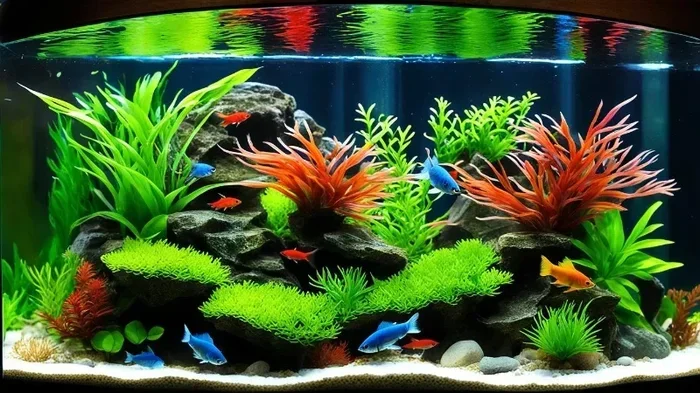
Visual guide about Why Is My Male Betta Fish Not Eating
Image source: tr-osdcp.qunarzz.com
Key parameters to check
- Ammonia & nitrite: Both should read 0 ppm.
- Nitrate: Keep under 20 ppm; higher levels stress bettas.
- pH: Aim for 6.5–7.5; sudden swings can stop feeding.
- Temperature: Ideal range is 76–82 °F (24–28 °C).
Practical water‑change routine
Perform a 25–30 % water change every other day until parameters are stable. Use a water conditioner that removes chlorine and chloramine, and let the new water sit for a few minutes to reach tank temperature.
For a deeper dive on water‑related appetite loss, see our article on why is my betta fish turning white – it explains how poor water can affect color and feeding.
2. Stress – The Invisible Trigger
Common stressors for male bettas
- Over‑crowding: Even a single female in the same tank can make a male nervous.
- Bright lighting: Direct sunlight or overly intense LED lights cause stress.
- Tank placement: Near loud appliances or high‑traffic areas can frighten the fish.
- Improper décor: Rough ornaments or sharp plastic can damage fins, leading to stress.
How to create a calm environment
Provide a minimum of 2.5‑3 gallons for a single male betta, use a gentle plant or silk leaf for hiding, and keep the tank away from windows. Dim the lights to a 10‑hour day/night cycle and consider a background to reduce visual stress.
Visual guide about Why Is My Male Betta Fish Not Eating
Image source: i0.wp.com
If you suspect stress, try moving the tank to a quieter spot and observe feeding for 24 hours. A calm betta often resumes eating after a short adjustment period.
3. Illness – When “picky” is Actually a Symptom
Signs that go beyond appetite loss
- Faded or blotchy coloration
- Clamped fins (held close to the body)
- White or fuzzy patches on the body – possible fungal infection.
- Rapid breathing or gasping at the surface
- Floating sideways or upside‑down – see our guide on why is my betta fish floating sideways.
Common diseases that suppress appetite
Ich (White Spot Disease): Small white dots appear on the body and fins, causing discomfort.

Visual guide about Why Is My Male Betta Fish Not Eating
Image source: i.pinimg.com
Velvet (Gold Dust Disease): A fine gold dust coating makes the fish feel itchy.
Swim bladder disorder: The fish can’t control buoyancy, leading to stress and loss of appetite.
First‑aid steps
1. Increase water temperature by 2 °F to speed up parasite life cycles.
2. Add a gentle anti‑parasite treatment (e.g., copper‑based medication) following the label.
3. Offer easily digestible foods like microwaved brine shrimp or a small piece of bloodworm.
If symptoms persist beyond 48 hours, consider a vet who specializes in fish health.
4. Food Issues – Type, Temperature, and Presentation
Choosing the right food
Male bettas are carnivores. High‑protein pellets, frozen or live brine shrimp, daphnia, and bloodworms are ideal. Low‑protein or plant‑based foods can be rejected.
Temperature matters
Betta food should be warmed to match tank temperature (around 78 °F). Cold food can feel “hard” and unappetizing. Warm a pellet in a cup of tank water for a few seconds before feeding.
Feeding frequency and portion size
Feed 2–3 small meals per day, offering only what the betta can consume in 2‑3 minutes. Over‑feeding leads to waste, fouling water, and reduced appetite.
For more on why bettas sometimes spit out food, read why is my betta fish spitting out food.
5. Environmental Changes – Moves, New Decor, and Temperature Shocks
Why a new tank can cause fasting
When you relocate a betta, the stress of transport, new water chemistry, and unfamiliar surroundings can temporarily shut down its hunger reflex. Give the fish 24 hours to acclimate before offering food.
Temperature fluctuations
A sudden drop of more than 5 °F can suppress appetite. Use an aquarium heater with a reliable thermostat and avoid placing the tank near drafts.
How to ease transitions
Gradually introduce new décor by placing familiar items (like a leaf or a piece of PVC pipe) alongside the new ones. This gives the betta a sense of security.
6. When to Seek Professional Help
Red flags that need a vet
- Loss of appetite lasting more than 72 hours.
- Combined symptoms: faded color, clamped fins, abnormal swimming.
- Visible signs of infection (white patches, fungal growth).
Finding a fish‑savvy veterinarian
Look for a clinic that lists “aquatic animal care” or “exotic pets.” Bring a water sample and a photo of your betta to help with diagnosis.
In urgent cases, you can also consult the community at is my betta fish dying for quick advice while you arrange professional care.
Conclusion: Restoring Your Betta’s Appetite
Male bettas may stop eating for many reasons, but most issues are solvable with a systematic approach: check water quality, reduce stress, ensure proper food, and watch for illness. A quick water change, a temperature tweak, or a different food can often bring back the appetite within a day or two. If not, don’t hesitate to seek veterinary help—early intervention can save your fish.
Remember, a healthy betta is a happy betta. By staying observant and acting promptly, you’ll keep your finned companion thriving for years to come.
Frequently Asked Questions
Why does my male betta stop eating after a water change?
Sudden changes in water temperature or chemistry can shock a betta, causing a brief loss of appetite. Make sure the new water matches the tank’s temperature and is properly conditioned.
Can a male betta eat too much?
Yes. Over‑feeding leads to poor water quality and can cause constipation, which reduces appetite. Feed only what he can eat in a few minutes, twice a day.
My betta only eats live food. Is that a problem?
Live foods are nutritious but can carry parasites. Offer a balanced diet with high‑quality pellets and occasional frozen foods to ensure complete nutrition.
How long is it safe for a betta to go without food?
Adult bettas can safely fast for 3–5 days if water is clean and temperature is stable. Longer fasts increase the risk of liver issues.
What does “clamped fins” indicate?
Clamped fins often signal stress or illness, such as a bacterial infection or poor water conditions. Check parameters and consider a mild antimicrobial treatment.
Should I increase the tank temperature to encourage feeding?
Raising the temperature by 2 °F (1 °C) can boost metabolism and appetite, but never exceed 82 °F (28 °C). Use a reliable heater and monitor with a thermometer.