How to Busy a Deceased Betta Fish

Losing a betta fish is hard, but knowing what to do next makes all the difference. This guide walks you through how to respectfully handle a deceased betta fish, clean the tank, and prepare the environment for a fresh start. You will learn safe disposal methods, tank maintenance tips, and how to prevent future losses.
Losing a pet fish hits harder than most people expect. Your betta fish was a living creature that relied on you for everything. When that little fish passes away, you are left with two big questions: what do you do with the body, and how do you take care of the tank?
This guide covers everything you need to know about handling a deceased betta fish. Whether you are dealing with the emotional weight of loss or the practical side of tank maintenance, you will find clear steps here. We will walk through safe removal, tank cleaning, water testing, and how to move forward.
The most important thing to remember is to act fast. A dead fish left in the tank can cause serious water quality problems. Bacteria from the decomposing body release ammonia, which is toxic to any remaining fish and plants. The sooner you handle the situation, the better off your aquarium will be.
Key Takeaways
- Act quickly: Remove a deceased betta fish from the tank as soon as possible to protect water quality.
- Choose a respectful disposal method: Options include burial, trash disposal, or cremation depending on your preference.
- Clean the tank thoroughly: A dead fish can quickly pollute the water, so a full cleaning is essential.
- Test your water parameters: Ammonia and nitrite levels can spike after a fish dies, so always test before adding new fish.
- Wait before restocking: Give your tank time to stabilize before introducing a new betta or other fish.
- Reflect on causes: Understanding why your betta passed helps you prevent future losses and improve care.
📑 Table of Contents
- Step 1: Confirm Your Betta Fish Has Passed Away
- Step 2: Safely Remove the Deceased Betta Fish
- Step 3: Choose a Respectful Disposal Method
- Step 4: Clean and Reset the Tank
- Step 5: Reflect and Prevent Future Loss
- Step 6: Decide When to Restock Your Tank
- Emotional Support After Losing a Betta Fish
- Common Mistakes to Avoid
- Final Thoughts
Step 1: Confirm Your Betta Fish Has Passed Away
Before you do anything, make sure your betta is truly gone. Sometimes bettas go into a deep sleep or become very still due to illness. Here are signs that your betta has passed away:
- No response to light or movement: A healthy betta will react to your presence. A deceased fish will not move at all.
- Eyes become cloudy or sunken: This is a clear sign that the fish has been dead for some time.
- Body starts to soften or discolor: The body may turn white or pale as decomposition begins.
- Fins lie flat against the body: Unlike a sleeping betta, a dead fish will not respond to gentle water movement.
If you are unsure, wait a few minutes and watch closely. You can also check for gill movement. If the gills are completely still, your betta has passed. If you were wondering how to know if a betta fish is dying, the signs are usually obvious well before death occurs. Watch for loss of color, labored breathing, and hiding at the bottom of the tank.
Step 2: Safely Remove the Deceased Betta Fish
Once you have confirmed that your betta has passed, the next step is removal. This needs to be done carefully to avoid contaminating the tank water.
What You Will Need
- A small net or scoop
- A plastic bag or container
- Gloves (optional but recommended)
- Disinfectant or aquarium-safe cleaner
The Removal Process
- Turn off the filter and heater: This prevents any disturbance to the water column while you work.
- Gently scoop the fish out: Use a soft net to lift the body out of the water. Move slowly to avoid stirring up debris.
- Place the fish in a bag or container: Seal it tightly. This keeps the body contained and prevents any odor or mess.
- Dispose of the gloves and wash your hands: Always wash your hands thoroughly with soap and warm water after handling a deceased fish.
If you are looking for guidance on proper how to safely dispose of a dead betta fish, you have options. We will cover those in detail next.
Step 3: Choose a Respectful Disposal Method
Dealing with the body of your beloved pet is a personal choice. There is no right or wrong way, as long as it is safe and respectful. Here are the most common methods people use:
| Method | Pros | Cons |
|---|---|---|
| Burial | Personal and meaningful; allows for a memorial | Not allowed in some areas; requires outdoor space |
| Trash disposal | Quick and easy; no special tools needed | May feel impersonal; not environmentally ideal |
| Cremation | Keeps ashes as a keepsake; hygienic | Can be costly; not widely available for small pets |
| Flushing | Easy and immediate | Not recommended; can introduce disease to waterways |
Many fish owners choose burial because it gives them a chance to say goodbye. You can bury the fish in a small box or wrapped in a cloth. Some people plant a flower or small plant over the spot as a memorial.
If burial is not an option, placing the fish in a sealed plastic bag and putting it in the trash is a practical choice. Just make sure the bag is completely sealed to prevent any odor or mess.
Flushing a fish down the toilet is generally discouraged. It can introduce diseases into local water systems. If you want to learn more about humane options, check out how to euthanize a betta fish with baking soda for information on end-of-life care.
Step 4: Clean and Reset the Tank
After removing the body, your tank needs a thorough cleaning. A deceased betta fish releases harmful substances into the water very quickly. Even if you have no other fish in the tank, these toxins can damage your plants and beneficial bacteria.
Immediate Tank Cleaning Steps
- Remove any visible debris: Use a siphon or gravel vacuum to clean the substrate. Pay special attention to the area where the fish was lying.
- Remove the fish from the filter: If the body was near the filter intake, check and clean the filter media gently.
- Do a partial water change: Replace about 25 to 50 percent of the tank water with fresh, treated water.
- Add water conditioner: This removes chlorine and chloramine from tap water, making it safe for your tank environment.
For a deeper clean, you may want to follow the steps in how to clean a betta fish tank without a filter. Even if you do have a filter, the principles remain the same: remove waste, refresh the water, and restore balance.
Test Your Water Parameters
This is a critical step that many people skip. After a fish dies, ammonia and nitrite levels can spike dangerously. Use a liquid test kit to check the following:
- Ammonia: Should be at 0 ppm. Any level above 0.25 ppm is dangerous.
- Nitrite: Should be at 0 ppm. Even low levels cause stress.
- Nitrate: Should be below 20 ppm.
- pH: Should be between 6.5 and 7.5 for bettas.
If any of these levels are off, do a larger water change and retest in 24 hours. You can also learn more about how to prepare water for a betta fish to ensure your water is always safe and clean.
Step 5: Reflect and Prevent Future Loss
Every fish loss is an opportunity to learn. Understanding what went wrong can help you provide a better life for your next betta or even save your current fish if it is still alive but struggling.
Common Causes of Betta Fish Death
- Poor water quality: This is the number one killer. Dirty water leads to stress, disease, and organ failure.
- Wrong temperature: Bettas need warm water between 76 and 82 degrees Fahrenheit. Cold water weakens their immune system.
- Overfeeding: Too much food pollutes the water and causes digestive problems.
- Incompatible tank mates: Aggressive fish can injure or stress a betta to death.
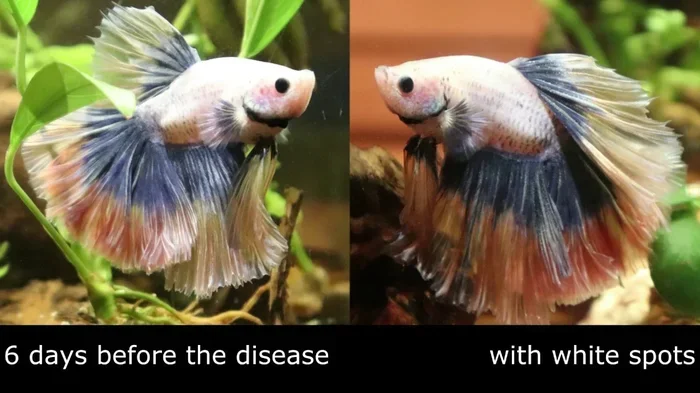
- Disease: Illnesses like ich, fin rot, and fungal infections can be fatal if not treated early.
If your betta was showing signs of stress before passing, you might want to read how to treat a stressed betta fish. Recognizing early warning signs can make all the difference in future situations.
How to Keep Your Tank Healthy Going Forward
- Test water weekly: Make water testing part of your regular routine.
- Perform partial water changes: Do a 25 percent change every week or two.
- Do not overfeed: Feed only what your betta can eat in two minutes, once or twice a day.
- Keep the tank at the right temperature: Use a reliable heater and thermometer.
- Quarantine new fish: Always isolate new arrivals for at least two weeks before adding them to your main tank.
Taking care of a betta fish is a rewarding experience. If you are new to fish keeping, start with the basics by reading how to care for a betta fish 101. This foundational guide covers everything from tank setup to feeding schedules.
Step 6: Decide When to Restock Your Tank
After cleaning and stabilizing your tank, you may feel ready to get a new betta. But timing matters. Here is what you need to consider:
- Wait at least one week: This gives the tank time to re-establish beneficial bacteria and stabilize water parameters.
- Make sure water parameters are ideal: Ammonia and nitrite must be at zero before adding any new fish.
- Consider the emotional aspect: There is no rush. Take as much time as you need to feel ready.
- Plan your tank setup: Use this opportunity to refresh the décor, add new plants, or upgrade the tank size.
If you are setting up a new environment, you might want to explore how to set up a fish tank for betta fish. A well-planned tank reduces stress and gives your new fish the best chance at a long, healthy life.
Some owners wonder if they can add the new betta to the same bowl or tank right away. The answer is yes, but only after a thorough cleaning and water test. The tank should smell fresh, the water should be clear, and all parameters should be within the safe range.
Emotional Support After Losing a Betta Fish
Losing a pet is never easy, even when it is a small fish. Many people feel guilty or sad after a betta passes away. These feelings are completely normal. Your betta was a living creature that brought you joy, and it deserves to be remembered.
Some owners create small memorials for their fish. This could be a planted spot in the garden, a framed photo, or even a small stone with the fish’s name. Others choose to honor their betta by improving their care practices for future fish.
Remember that grief is personal. There is no timeline for healing, and no one should ever make you feel silly for feeling sad about a pet fish. Your feelings are valid, and your bond with your betta was real.
Common Mistakes to Avoid
- Leaving the body in the tank: This will quickly ruin your water quality and harm any remaining fish or plants.
- Skipping water tests after a death: Hidden toxins can linger and affect your next fish.
- Rushing to add a new fish: Your tank needs time to recover and rebalance before welcoming a new resident.
- Overcleaning the tank: While cleaning is important, stripping all the beneficial bacteria can set your cycle back.
- Ignoring the cause of death: If you do not understand what happened, the same problem may repeat with a new fish.
By avoiding these mistakes, you set yourself up for success with your next betta. A little patience and care go a long way in creating a thriving aquarium.
Final Thoughts
Handling a deceased betta fish is never fun, but it is an important part of fish ownership. By acting quickly, choosing a respectful disposal method, and thoroughly cleaning your tank, you protect both your aquarium and your peace of mind. Use this experience to grow as a fish keeper and give your next betta an even better life.
Your betta gave you companionship and beauty. The best way to honor that is to learn from the experience and continue providing excellent care. Whether you are preparing the tank for a new fish or simply taking time to heal, you are doing the right thing by being thoughtful about this process.
Remember that every fish keeper loses fish at some point. It is not a reflection of your ability or your love. What matters is how you respond and what you do next. You have the knowledge and the tools to move forward with confidence.
Frequently Asked Questions
How long can you leave a deceased betta fish in the tank?
You should remove a deceased betta fish as soon as possible. Leaving the body in the tank for more than a few hours can cause ammonia levels to spike and contaminate the water. This is harmful to any remaining fish, plants, and beneficial bacteria in the tank.
What is the best way to dispose of a dead betta fish?
The best method depends on your personal preference and local regulations. Burial is a popular and respectful choice. Trash disposal in a sealed bag is practical and widely accepted. Avoid flushing the fish, as this can introduce diseases into waterways and harm the environment.
Should I clean my entire tank after my betta dies?
A thorough partial cleaning is usually sufficient. Remove debris, do a 25 to 50 percent water change, and clean the filter media gently. You do not need to strip the entire tank of its beneficial bacteria unless water tests show dangerous levels of ammonia or nitrite.
Can I add a new betta fish right after one dies?
It is best to wait at least one week. This gives the tank time to stabilize and allows you to verify that water parameters are safe. Rushing to add a new fish can expose it to hidden toxins and stress, which may lead to another loss.
How do I know what caused my betta fish to die?
Review your recent care routine. Check the water temperature, feeding schedule, and water quality. Look for signs of disease such as white spots, torn fins, or lethargy before death. If you are unsure, testing your water parameters can reveal hidden problems like ammonia spikes or pH imbalances.
Is it normal to feel sad after a betta fish dies?
Absolutely. Many fish owners form strong bonds with their pets, regardless of size. Your feelings are completely valid. Betta fish are intelligent and responsive creatures, and losing one can be genuinely painful. Give yourself time to grieve and remember the joy your fish brought you.