Why Is My Betta Fish’s Tail Falling Apart

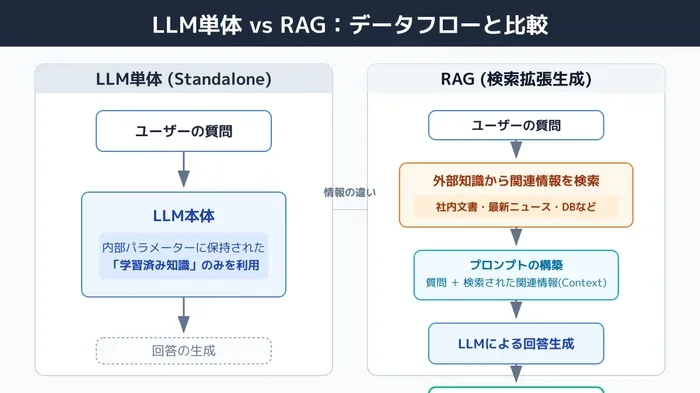
Seeing your betta’s tail fray or disintegrate can be heartbreaking. This guide explains the most common reasons why is my betta fish’s tail falling apart, from water issues to disease, and offers clear, easy steps to heal and prevent further damage.
Key Takeaways
- Water quality matters: Poor parameters are the top trigger for tail degeneration.
- Fin rot is a frequent culprit: Bacterial infections cause the tail to melt away if untreated.
- Stress and injury accelerate damage: Rough décor, aggressive tank mates, or handling can tear delicate fins.
- Nutrition supports recovery: High‑protein foods and vitamin‑rich supplements boost fin regeneration.
- Prevention is simple: Regular water changes, proper tank setup, and quarantine of new fish keep tails intact.
- Early detection saves lives: Spotting the first signs of fraying lets you act before the problem becomes fatal.
- Professional help isn’t always needed: Many tail issues can be resolved at home with the right steps.
📑 Table of Contents
- Introduction: When a Betta’s Tail Starts to Disappear
- 1. Water Quality – The Hidden Enemy
- 2. Fin Rot – The Bacterial Breakdown
- 3. Physical Injuries and Stress
- 4. Nutritional Deficiencies
- 5. Disease Overlap – When Multiple Issues Collide
- 6. Preventive Maintenance – Keeping Tails Intact for Life
- Conclusion: Turning Concern into Confidence
Introduction: When a Betta’s Tail Starts to Disappear
Betta fish are famous for their flowing, colorful fins. So when you notice the tail looking ragged, shredded, or even falling apart, it feels like a personal loss. You might be asking yourself, “why is my betta fish’s tail falling apart?” The good news is that most tail problems have clear causes and practical solutions.
In this article we’ll walk through the most common reasons behind a deteriorating tail, how to diagnose the issue, step‑by‑step treatment plans, and long‑term prevention tips. Think of it as a friendly chat over a cup of tea, with plenty of real‑world examples you can try today.
1. Water Quality – The Hidden Enemy
Why clean water is the foundation of fin health
Betta fish are especially sensitive to ammonia, nitrite, and pH swings. Even a slight spike can stress the immune system, making the tail vulnerable to rot and fraying. If you’re wondering why is my betta fish’s tail falling apart, start by testing the water.

Visual guide about Why Is My Betta Fish’s Tail Falling Apart
Image source: dailytravelphotos.com
- Ammonia & Nitrite: Keep both at 0 ppm. Any detectable level is a red flag.
- pH: Aim for 6.5‑7.5; sudden drops or rises can irritate the skin.
- Temperature: Betta thrive at 78‑80°F (25‑27°C). Fluctuations weaken tissue.
Practical water‑change routine
Change 25‑30 % of the tank water weekly. Use a water conditioner that removes chlorine and chloramine. When you do a change, gently rinse the substrate with a bucket of dechlorinated water to remove trapped waste.
For a quick water‑test guide, see our article on why is my betta fish water cloudy – the same principles apply.
2. Fin Rot – The Bacterial Breakdown
What fin rot looks like
Fin rot is a bacterial infection that eats away at fin tissue, giving the tail a shredded, “mushy” appearance. Early signs include white or yellow edges, followed by a ragged edge that seems to melt.
Visual guide about Why Is My Betta Fish’s Tail Falling Apart
Image source: news.cdn.nimg.jp
How to confirm fin rot
Gently run a clean fingertip along the damaged area. If it feels soft or the tissue crumbles, fin rot is likely. You may also notice a foul smell in the water.
Treatment steps
- Isolate the fish: Move the betta to a hospital tank with clean, treated water.
- Medication: Add a broad‑spectrum antibacterial such as Maracyn® (or a DIY Indian almond leaf bath).
- Improve water quality: Follow the water‑quality checklist above.
- Boost immunity: Offer frozen or live brine shrimp and a vitamin‑C supplement.
For more on fin loss, read why did my betta fish lose its tail. The treatment overlap is significant.
3. Physical Injuries and Stress
Common sources of tail damage
Betta tanks often contain ornaments, plants, or even the tank lid that can snag delicate fins. Aggressive tank mates (if you keep multiple fish) can also bite or nip at the tail.

Visual guide about Why Is My Betta Fish’s Tail Falling Apart
Image source: d2o4rrq92x9csx.cloudfront.net
Spotting stress‑induced fraying
Stress shows up as rapid fin flutter, hiding, or a faded color. If your betta is constantly darting at the glass, consider whether the tank is too small (minimum 2‑gallon) or if the lighting schedule is erratic.
Prevention tips
- Use smooth‑sided décor and avoid sharp plastic.
- Provide live or silk plants that are soft on fins.
- Keep the tank lightly stocked – bettas are solitary by nature.
- Maintain a consistent day/night cycle (10‑12 hours of light).
4. Nutritional Deficiencies
How diet affects tail regeneration
A betta’s diet should be rich in protein and contain essential fatty acids. Low‑quality flakes can lead to weak, brittle fins that break off easily.
Best foods for fin health
- High‑protein pellets: Look for 30‑40 % protein content.
- Frozen or live foods: Bloodworms, daphnia, and brine shrimp supply amino acids.
- Supplements: Vitamin‑C tablets or a pinch of spirulina powder mixed into food.
Feeding schedule
Feed 2‑3 small meals per day, offering only what your betta can eat in 2‑3 minutes. Overfeeding leads to poor water quality, which circles back to tail problems.
5. Disease Overlap – When Multiple Issues Collide
Fin rot plus velvet or ich
Sometimes a betta battling ich (white spot disease) or velvet (golden dust) will also develop fin rot because the skin is compromised. Look for white spots or a dusty sheen on the body.
Integrated treatment approach
In such cases, treat the primary disease first (e.g., copper‑based meds for ich) and then add a fin‑rot antibiotic. Always remove any chemical that could stress the fish further.
When to seek professional help
If the tail continues to disintegrate after a week of proper treatment, consider a vet visit. Chronic infections may need stronger prescription meds.
6. Preventive Maintenance – Keeping Tails Intact for Life
Routine checklist
- Test water parameters twice a week.
- Change 25 % of water weekly.
- Inspect fins daily for early signs of fraying.
- Quarantine new fish for at least two weeks.
- Rotate décor to avoid constant abrasion.
Quarantine protocol
When adding a new betta, place it in a separate tank with the same temperature and a mild antibacterial dip (e.g., a short bath in a diluted Betta Safe solution). This prevents hidden pathogens from entering the main tank.
For more on fin loss, also see why are my betta fish fins falling off, which covers similar preventive steps.
Conclusion: Turning Concern into Confidence
Finding out why is my betta fish’s tail falling apart can feel overwhelming, but most causes are manageable with proper care. By focusing on water quality, treating infections promptly, reducing stress, and feeding a balanced diet, you give your betta the best chance to heal and flourish.
Remember, a healthy tail is a sign of a happy, thriving betta. Keep a close eye on your fish, act quickly when you see the first frayed edge, and enjoy the vibrant display of colors that a well‑cared‑for betta brings to any home.
Frequently Asked Questions
Why is my betta’s tail turning white before it falls apart?
White edges often signal the early stage of fin rot or a fungal infection. Treat quickly with an antibacterial medication and improve water quality.
Can a betta’s tail fall apart because of overfeeding?
Overfeeding itself doesn’t shred fins, but it pollutes the water with excess waste, creating an environment where bacteria thrive and damage the tail.
Is it normal for a betta’s tail to look ragged after a molt?
Betta fish do not molt like some reptiles, but new fin growth can appear uneven. If the ragged area is soft or bleeding, it’s likely disease, not normal growth.
How long does it take for a damaged tail to regrow?
With proper care, a betta can regrow a torn tail in 2‑4 weeks. Faster regrowth occurs when water is clean, temperature stable, and the diet is protein‑rich.
Should I remove the damaged part of the tail?
No. Cutting the tail can cause more stress and open wounds. Let the fish’s natural healing process work while you treat the underlying cause.
Can the same tank conditions cause other fin problems?
Yes. Poor water quality, stress, and nutrition affect all fins, not just the tail. Regular maintenance helps prevent a wide range of fin issues.