How Were Betta Fish Created
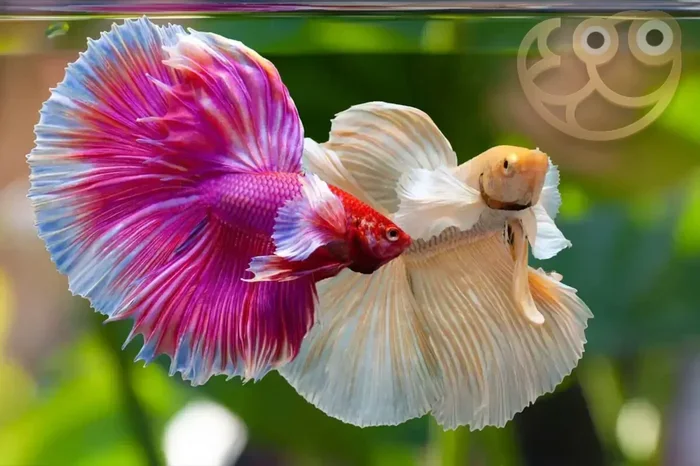
Betta fish were created through thousands of years of selective breeding, starting from wild Siamese fighting fish in Southeast Asia. Breeders carefully chose traits like color, fin length, and temperament to develop the stunning bettas we know today. Understanding how were betta fish created helps every owner appreciate the incredible history behind these beautiful creatures.
Have you ever wondered how were betta fish created? These stunning little creatures with their flowing fins and brilliant colors seem almost too beautiful to be real. But the truth is, every betta fish you see in a pet store today has a fascinating history that stretches back centuries. The journey from a small wild fish in Southeast Asian rice paddies to the colorful aquarium star we know today is truly remarkable.
The story of how betta fish were created involves wild ancestors, careful human selection, and decades of dedicated breeding programs. People have shaped these fish into dozens of different varieties, each with unique colors, fin shapes, and personalities. If you own a betta or are thinking about getting one, understanding this history makes the experience so much more meaningful.
In this article, we will walk through the complete story of how betta fish came to be. We will explore their wild origins, the science behind their development, and how breeders transformed them into the pets we love today. By the end, you will have a deep appreciation for the incredible journey these fish have taken.
Key Takeaways
- Wild Origins: Betta fish descended from wild Siamese fighting fish found in the shallow waters of Thailand and Cambodia.
- Selective Breeding: Early breeders chose the most aggressive and colorful fish to create new generations with desired traits.
- Genetics Play a Role: The vibrant colors and long fins of modern bettas come from specific genetic mutations that breeders preserved.
- Centuries of Development: Betta fish breeding dates back hundreds of years, with formal programs starting in the 1800s.
- Modern Varieties: Today’s bettas include dozens of varieties, each shaped by targeted breeding strategies.
- Proper Care Matters: Knowing how were betta fish created helps you provide better care, including maintaining clean water and proper tank setups.
📑 Table of Contents
The Wild Ancestors of Betta Fish
Every domesticated fish has a wild ancestor, and bettas are no different. The story of how were betta fish created begins in the warm, shallow waters of Southeast Asia. Wild bettas lived in rice paddies, slow-moving streams, and floodplains across Thailand, Cambodia, Vietnam, and Laos.
These wild bettas looked very different from the ones you see in pet stores today. They had short fins, dull colors, and a much more streamlined body shape. Their natural coloring helped them blend into the muddy waters where they lived. But even back then, they had one thing that made them special: their aggressive nature.
Why Were They Called Fighting Fish?
People in Siam, which is now Thailand, noticed that these small fish would fight each other. Males especially would flare their gills and attack other males who entered their territory. The locals began catching wild bettas and pitting them against each other in competitions. This is where the name “Siamese fighting fish” comes from.
Betta fish breeding for fighting purposes started as early as the 1800s. People would catch the most aggressive wild fish and pair them together. The offspring of these fish inherited that fighting spirit. Over time, this became a popular pastime in Thailand and surrounding regions.
However, the fish people bred for fighting looked nothing like the beautiful pets we keep today. They were small, plain-colored, and had short fins. The transformation into the ornamental fish we know began when breeders shifted their focus from aggression to appearance.
How Selective Breeding Changed Everything
The real answer to how were betta fish created as we know them today lies in selective breeding. This is the process of choosing specific fish with desirable traits and breeding them together. Over many generations, these traits become more pronounced and stable.
Early breeders in Thailand started noticing something interesting. Some wild bettas had slightly brighter colors than others. A few had marginally longer fins. Breeders began selecting these fish for breeding instead of the ones that looked more ordinary. This simple but powerful idea changed everything.
The Science Behind Selective Breeding
Selective breeding works because of genetics. Every fish carries genes that determine its color, fin length, body shape, and temperament. When breeders choose fish with specific traits to breed, they pass those genes to the next generation at higher rates.
Over dozens of generations, this process creates dramatic changes. A fish that might have had a hint of blue in its wild form could, after many generations of careful pairing, become a brilliant blue betta. This is exactly how breeders built the incredible variety of colors and fin types we see today.
The key is patience. Breeding bettas for specific traits takes years. A single generation of bettas takes only a few months, but meaningful changes in appearance require many breeding cycles. Dedicated breeders tracked their results carefully and made thoughtful pairing decisions every time.
From Fighting Fish to Show Fish
By the late 1800s and early 1900s, the focus of betta breeding began to shift. Instead of breeding for fighting ability, breeders started selecting for beauty. Fish with brighter colors, longer fins, and more elegant fins became the most valued.
This shift was huge. It meant that the same species of fish was being shaped in a completely different direction. The aggressive traits that made them good fighters were gradually less important than the visual traits that made them beautiful. Breeders actively selected for calmer temperaments as well, because a fish that fights constantly is harder to keep in a home setting.
By maintaining proper betta fish water conditions, breeders could keep their fish healthy and thriving throughout the breeding process. Healthy fish produce stronger offspring with more vibrant colors and better fin development.
The Genetics Behind Betta Fish Colors and Fins
Understanding genetics is essential to understanding how were betta fish created with such stunning variety. The colors and fin types you see in modern bettas are the result of specific genetic mutations that occurred naturally in wild populations.
Some of these mutations happened by chance. A wild fish might have carried a gene for a slightly different shade of red or a marginally longer tail. Most of these mutations would never have survived in the wild because they would make the fish more visible to predators. But in the controlled environment of a breeding tank, these mutations could be preserved and developed.
Common Color Mutations
Over the years, breeders have identified and developed many color mutations in bettas. Here are some of the most popular ones:
- Solid Colors: Fish that are one solid color all over, such as red, blue, green, or white.
- Cambodian: A light body with red or dark-colored fins and tail.
- Butterfly: Two colors that blend together, usually with a darker edge on the fins.
- Marble: Random blotches of color that create a unique pattern on every fish.
- Koi: A pattern that resembles Japanese koi fish, with red, white, and orange patches.
Fin Types That Were Developed
Fin shape is another major part of how betta fish were created into the ornamental fish we know. Wild bettas had short, rounded fins. Through selective breeding, several distinct fin types emerged:
- Veiltail: The most common type, with a long, flowing tail that drapes downward.
- Crowntail: Fins with a spiky, crown-like appearance at the edges.
- Plakat: Shorter fins that resemble the wild ancestor more closely.
- Halfmoon: A tail that spreads out to form a perfect semicircle.
- Double Tail: A split tail that gives the fish a beautiful, flowing look.
Each of these fin types was developed through years of careful breeding. Breeders selected fish that showed the desired fin shape and bred them together, gradually strengthening the trait over many generations.
The Role of Early Betta Fish Breeders
The people who first started breeding bettas for appearance deserve a lot of credit. These early breeders worked without modern genetic knowledge or advanced equipment. They relied on observation, patience, and a deep love for these fish.
In Thailand, betta fish breeding became a respected tradition. Breeders would spend hours observing their fish, noting which ones had the best colors or the most impressive fins. They kept careful records of their pairings and results. This dedication laid the foundation for everything we know about betta breeding today.
As betta fish gained popularity outside of Southeast Asia, breeders around the world began contributing to the development of new varieties. In the United States, Europe, and Asia, different breeding programs focused on different goals. Some aimed for extreme fin length, while others focused on color intensity or pattern complexity.
Setting up a proper tank environment is essential for anyone involved in breeding or keeping these beautiful fish. Learning how to set up a fish tank for betta fish gives your fish the best chance to thrive and show off their full genetic potential.
Modern Betta Fish Development
Today, betta fish breeding is both a science and an art. Modern breeders have access to genetic knowledge, advanced water filtration, and carefully controlled breeding environments. This has accelerated the development of new varieties and improved the overall health of bred bettas.
The process of how were betta fish created in modern times follows a similar path to what early breeders did, but with more precision. Breeders now understand which genes control specific traits, allowing them to make more informed pairing decisions.
The Breeding Process Today
Modern betta breeding typically follows these steps:
- Selection: The breeder chooses a male and female with the desired traits.
- Conditioning: The fish are fed high-quality food and kept in optimal conditions to prepare for breeding.
- Spawning: The male builds a bubble nest and the female releases eggs, which the male fertilizes.
- Raising Fry: The male guards the eggs and then the fry until they are old enough to be separated.
- Evaluation: As the fry grow, the breeder evaluates them for the desired traits and selects the best ones for future breeding.
This process can take months or even years to produce a fish that meets breeding standards. Patience and careful observation are the most important qualities a betta breeder can have.
Creating New Color Varieties
One of the most exciting parts of modern betta breeding is the creation of new color varieties. Breeders constantly experiment with pairings to produce fish with colors and patterns that have never been seen before. Some of the most sought-after colors today, like the deep metallic blue or the vivid super red, took years of selective breeding to perfect.
If you want your own betta to show off its best colors, you can help by providing excellent care. Learning how to make betta fish colorful through proper diet, water quality, and tank environment can bring out the natural beauty that generations of breeding have built into these fish.
Ethical Considerations in Betta Breeding
With the development of extreme fin types and vivid colors, ethical questions have emerged. Some breeding practices focus so heavily on appearance that they can compromise the fish’s health. For example, very long fins can make it harder for bettas to swim, and certain color lines may carry genetic health issues.
Responsible breeders prioritize the health and well-being of their fish. They avoid breeding fish that show signs of genetic problems and work to maintain genetic diversity within their breeding programs. This ensures that betta fish remain healthy and vibrant for generations to come.
Proper care also plays a huge role in keeping bred bettas healthy. Understanding how to properly take care of betta fish helps owners provide the environment these fish need to thrive.
The Journey From Breeding Tank to Home Aquarium
Once a betta fish has been bred and raised to meet quality standards, it enters the world of pet ownership. The journey from breeder to home aquarium is an important part of the betta fish story.
Today, bettas are one of the most popular freshwater fish in the world. Their vibrant colors, relatively low maintenance needs, and engaging personalities make them perfect pets for beginners and experienced fish keepers alike. The fact that they can thrive in small tanks and bowls makes them accessible to almost anyone.
But even though modern bettas are hardier than their wild ancestors, they still need proper care. Clean water, appropriate temperature, and a good diet are essential. Taking the time to learn about your fish’s needs is the best way to honor the incredible history that created them.
Keeping your betta warm and comfortable is especially important. Bettas are tropical fish that need stable water temperatures. A simple heater and regular water changes can make a huge difference in your fish’s health and happiness.
Conclusion
The story of how were betta fish created is one of nature and human ingenuity working together. From wild fighting fish in the rice paddies of Thailand to the breathtaking ornamental fish in aquariums around the world, bettas have undergone an incredible transformation. Centuries of selective breeding, guided by passionate and dedicated breeders, shaped these fish into the colorful, flowing-finned companions we love today.
Understanding this history gives us a deeper connection to our pet bettas. Every time you look at your fish’s vibrant colors or graceful fins, you are seeing the result of generations of careful breeding and natural genetic variation. It is a testament to what patience and dedication can achieve.
Whether you are a first-time betta owner or a seasoned enthusiast, knowing the story behind your fish makes the experience richer. Take the time to provide the best care you can, maintain excellent water quality, and enjoy the beauty that generations of breeders worked so hard to create. Your betta fish carries a remarkable history, and giving it a happy, healthy home is the best way to honor that legacy.
Frequently Asked Questions
How long did it take to create modern betta fish?
The transformation from wild bettas to the ornamental fish we see today took over a century of selective breeding. Early efforts began in the 1800s in Thailand, and the development of modern color varieties and fin types continued through the 1900s and into today. Each new variety required years of careful breeding to stabilize the desired traits.
Are betta fish created through genetic modification?
No, betta fish are not genetically modified in a laboratory. All the varieties we see today were created through traditional selective breeding. Breeders chose fish with desirable traits and paired them together over many generations. The colors and fin types we see are the result of natural genetic mutations that were preserved and enhanced through this process.
Can you breed betta fish at home?
Yes, many hobbyists breed betta fish at home. It requires a separate breeding tank, clean water, proper temperature, and high-quality food for conditioning the fish. Breeding bettas takes patience and careful observation, but it can be a rewarding experience for fish keepers who want to understand more about how betta fish were created in the first place.
Why do betta fish have such long fins compared to their wild ancestors?
Long fins in betta fish are the result of selective breeding. Wild bettas had short fins that helped them swim efficiently and avoid predators. Breeders chose fish with longer fins over many generations, and those genes became dominant in domesticated lines. The long fins that look beautiful in an aquarium would actually be a disadvantage in the wild.
What was the original purpose of breeding betta fish?
The original purpose of breeding betta fish was for fighting competitions. People in Siam and surrounding regions bred bettas for aggression and stamina, much like how roosters are bred for cockfighting. The shift to breeding for appearance and color began in the late 1800s and early 1900s, transforming bettas into the ornamental fish we know today.
How many different varieties of betta fish exist today?
There are dozens of recognized betta varieties today, with many more informal types developing through hobbyist breeding. The main categories are based on fin type (veiltail, crowntail, halfmoon, plakat, and others) and color pattern (solid, marble, butterfly, koi, cambodian, and more). New varieties continue to emerge as breeders experiment with different pairings and genetic combinations.