Is Neap Tide or Spring Tide Better for Fishing
Spring tides create stronger currents and more active fish feeding, making them ideal for catching species that hunt during peak tidal movement. Neap tides offer calmer waters and can be better for targeting fish in shallow areas. Understanding the difference between neap tide vs spring tide fishing helps you plan smarter trips and improve your catch rate significantly.
Every angler wants to know the secret to a great day on the water. One factor that can make or break your fishing trip is the tide. Tides shape where fish go, when they feed, and how they behave. If you have ever wondered is neap tide or spring tide better for fishing, you are not alone. This question comes up in every fishing community, and the answer is more nuanced than you might expect.
The truth is that both neap tides and spring tides offer unique advantages depending on what you are targeting and where you are fishing. Spring tides bring powerful currents and active fish feeding. Neap tides offer calmer water and excellent opportunities in shallow areas. Understanding the difference between these two tidal patterns gives you a serious edge when planning your next trip.
In this guide, we will break down everything you need to know about neap tide vs spring tide fishing. You will learn how each tide type affects fish behavior, which species respond best to each pattern, and how to use this knowledge to catch more fish. Let us dive in and explore the fascinating world of tidal fishing.
Key Takeaways
- Spring tides produce stronger water movement: The alignment of the sun and moon creates more powerful tidal currents that trigger aggressive feeding in many fish species.
- Neap tides are better for calm-water fishing: With weaker currents, neap tides allow you to target fish in shallow flats and estuaries more effectively.
- Timing matters more than the tide type: Fishing during the first and last hours of a tide change often yields the best results regardless of whether it is a neap or spring tide.
- Use tide charts to plan your trips: Checking local tide charts helps you predict when fish will be most active and where they will be feeding.
- Different species prefer different tides: Some fish like redfish and snook feed more actively during spring tides, while others like trout prefer the calmer conditions of neap tides.
- Moon phases drive tidal patterns: Full and new moons create spring tides, while quarter moons produce neap tides, so plan your fishing around the lunar calendar.
- Combine tide knowledge with other factors: Wind, barometric pressure, and water temperature all interact with tidal patterns to influence fish behavior.
📑 Table of Contents
- What Are Spring Tides and Neap Tides?
- Spring Tide Fishing: What You Need to Know
- Neap Tide Fishing: The Hidden Gem
- Neap Tide vs Spring Tide: A Side-by-Side Comparison
- How Moon Phases Drive Tidal Patterns
- Common Mistakes Anglers Make with Tidal Fishing
- Expert Insights: What Professional Anglers Say
- Conclusion
What Are Spring Tides and Neap Tides?
The Science Behind Tidal Patterns
Tides are caused by the gravitational pull of the moon and the sun on Earth’s oceans. When the sun, moon, and Earth align during a full moon or new moon, the gravitational forces combine to create spring tides. These tides produce the highest high tides and the lowest low tides of the month.
Neap tides happen during the first and third quarter moon phases. At these times, the sun and moon pull at right angles to each other. This reduces the overall tidal range, creating weaker currents and less dramatic water movement.
Understanding this basic science helps you see why fish behave differently during each type of tide. The strength and timing of tidal currents directly impact where baitfish move, where predators feed, and how active fish are in general.
How Tides Affect Fishing
Tides influence fishing in several key ways. First, they control water movement. Strong currents carry bait and nutrients through the water column, attracting hungry fish. Second, tides change water depth. Rising water floods shallow areas where fish come to feed. Falling water pushes fish toward deeper channels and structures.
Third, tides affect water clarity. Strong tidal movement can stir up sediment and make the water murky. This can actually work in your favor because murky water makes fish less wary and more willing to bite. Calm neap tides often produce clearer water, which can make fish more cautious and harder to approach.
If you want to learn more about how water movement affects fishing, check out our article on is fishing better when water is rising or falling.
Spring Tide Fishing: What You Need to Know
Why Spring Tides Are Great for Fishing
Spring tides are often considered the best time to go fishing, and for good reason. The strong tidal currents created during spring tides move large amounts of water through estuaries, channels, and flats. This movement brings food and triggers aggressive feeding behavior in many species.
During a spring tide, fish have access to areas they cannot reach during lower tides. The higher water levels flood marshes, mangroves, and shallow grass beds. Predators follow the rising water to ambush baitfish hiding in these flooded areas. This creates excellent opportunities for sight fishing and targeting species in their preferred feeding zones.
The strong currents of spring tides also concentrate baitfish and crustaceans. When bait gets pushed through narrow channels and around structures, predator fish stack up to feed. This concentration of activity can lead to fast-paced and exciting fishing.
Best Species to Target During Spring Tides
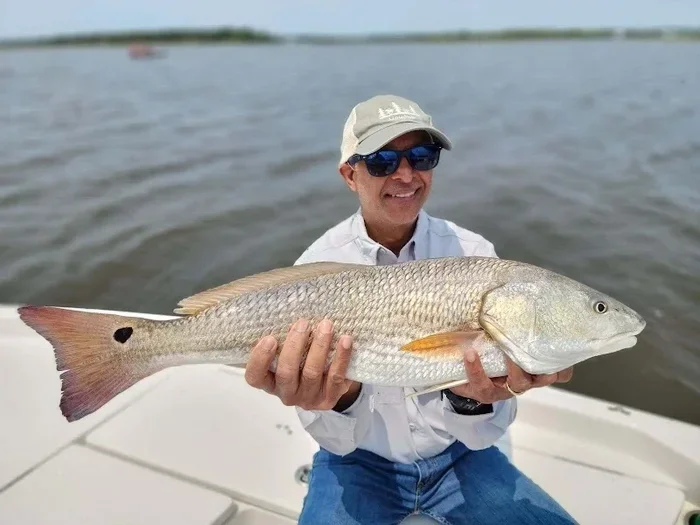
Many popular game fish respond well to the strong currents of spring tides. Redfish, for example, love to patrol the edges of flooded flats during rising spring tides. Snook position themselves in current seams and ambush baitfish as the water moves. Tarpon often feed aggressively during the peak flow of spring tide currents.
Saltwater species like striped bass and bluefish also feed heavily during spring tides. The increased water movement stirs up the bottom and brings nutrients into the water column, creating a feeding frenzy that draws in fish from surrounding areas.
One important thing to remember is that fishing during spring tides can be unpredictable. The strong currents make casting and controlling your bait more challenging. You need to account for the drift and adjust your presentation accordingly.
Spring Tide Fishing Tips
Here are some practical tips to make the most of spring tide fishing:
- Fish the incoming tide. As water rises, fish move onto newly flooded areas to feed.
- Use heavier sinkers or weights to keep your bait in the strike zone against strong currents.
- Focus on current seams where fast-moving water meets slower water. Fish hold here to conserve energy while waiting for food.
- Fish the first two hours of the incoming tide and the last two hours of the outgoing tide. These are prime feeding windows.
- Check your local tide charts before heading out. Knowing the exact times of high and low tide helps you plan your arrival.
Neap Tide Fishing: The Hidden Gem
The Advantages of Fishing During Neap Tides
While spring tides get most of the attention, neap tides offer their own set of advantages. The weaker currents and smaller tidal range create calmer water conditions that can be ideal for certain fishing situations.
During neap tides, the water moves more slowly. This makes it easier to present your bait naturally and control your presentation. If you have ever struggled with strong currents washing your bait away, you will appreciate the calmer conditions of a neap tide.
Neap tides also create stable water levels. Shallow areas that get flooded during spring tides may not be accessible during neap tides, but the consistent water levels make it easier to predict where fish will be holding. Fish tend to be more comfortable in stable conditions and may feed more predictably.
If you are interested in learning how water conditions affect fishing, our article on is it better to fish outgoing or incoming tide provides more detailed insights.
Which Fish Bite Best During Neap Tides?
Some species actually prefer the calmer conditions of neap tides. Trout, for example, often feed more actively during neap tides because the slower water makes it easier for them to catch baitfish. Redfish in shallow flats can be more predictable during neap tides because the stable water levels keep them in consistent areas.
Panfish and freshwater species are less affected by tidal patterns but still respond to the reduced current of neap tides in tidal rivers and estuaries. The calmer water allows for more precise casting and better control over your bait presentation.
One thing to keep in mind is that neap tides produce less overall water movement. This means fewer nutrients are being circulated, and baitfish may be less concentrated. You may need to cover more water and work harder to locate actively feeding fish during neap tides.
Neap Tide Fishing Strategies
Here are some effective strategies for fishing during neap tides:
- Target shallow flats and backwater areas where fish concentrate during the smaller tidal movements.
- Use lighter tackle and smaller baits since the water is moving more slowly.
- Focus on structure and cover. With less current, fish rely more on underwater features for protection and ambush points.
- Fish during the peak of the tide change. Even during neap tides, the brief period of moving water triggers feeding activity.
- Use live bait to compensate for the reduced water movement. Natural movement in calm water is more attractive to fish.
Neap Tide vs Spring Tide: A Side-by-Side Comparison
Head-to-Head: Which Tide Type Wins?
The answer to whether neap tide or spring tide is better for fishing depends entirely on what you are trying to achieve. Here is a quick comparison to help you decide which tide type suits your fishing goals.
| Factor | Spring Tide | Neap Tide |
|---|---|---|
| Current Strength | Strong | Weak |
| Water Movement | High | Low |
| Fish Activity Level | High during peak flow | Moderate and steady |
| Best for | Active feeding, saltwater species | Shallow water fishing, sight casting |
| Water Clarity | Often murky | Usually clearer |
| Ease of Fishing | More challenging | More forgiving |
| Target Species | Redfish, snook, tarpon, stripers | Trout, flounder, panfish |
| Best Tide Phase | First and last hours of tide change | Mid-tide during stable water levels |
If you want fast action and aggressive feeding, spring tides are your best bet. If you prefer a relaxed fishing experience with easier casting and more predictable fish behavior, neap tides are the way to go.
For more information on how different water conditions affect fishing success, check out our article on is it better to fish during high or low tide.
How Moon Phases Drive Tidal Patterns
Plan Your Trips Around the Moon
Moon phases are the primary driver of tidal patterns. The lunar cycle repeats approximately every 29.5 days, and it directly determines whether you will experience spring tides or neap tides. A full moon and new moon each produce spring tides about every two weeks. The quarter moons produce neap tides in between.
Smart anglers plan their fishing trips around the moon. By checking a lunar calendar before your trip, you can predict what kind of tide you will be fishing and adjust your strategy accordingly. This simple planning step can dramatically improve your catch rate.
Some anglers also follow the solunar theory, which suggests that fish are most active during specific periods related to moon position. While the science behind solunar fishing is debated, many experienced fishermen swear by it. Combining solunar timing with your knowledge of spring and neap tides creates a powerful fishing strategy.
The Best Time of Day to Fish Based on Tide
Regardless of whether you are fishing a spring tide or a neap tide, the time of day matters. Early morning and late evening are often the most productive times because fish are naturally more active during low-light conditions. Combine these times with peak tide movement for the best results.
The first hour after high tide and the first hour after low tide are generally the most productive periods. During these windows, water is actively moving and fish are in feeding mode. This holds true for both spring and neap tides.
Common Mistakes Anglers Make with Tidal Fishing
Mistake 1: Ignoring the Tide Entirely
The biggest mistake anglers make is showing up at the beach or the dock without checking the tide schedule. Fishing at the wrong time relative to the tide can mean the difference between a full cooler and going home empty-handed. Always check tide charts before your trip and plan your arrival accordingly.
Mistake 2: Assuming Spring Tides Are Always Better
Spring tides get a lot of hype, but they are not always the best choice. If you are fishing shallow water that gets too deep during spring tides, you may spook fish and lose your advantage. Neap tides sometimes provide better access to shallow areas where fish are feeding.
Mistake 3: Not Adjusting Your Technique
Using the same setup and presentation for both spring and neap tides is a recipe for failure. Strong spring tide currents require heavier weights and sturdier tackle. Calm neap tides call for lighter gear and more subtle presentations. Adjust your approach to match the conditions.
Mistake 4: Fishing Only During Peak Tides
Some anglers only fish during the peak of high tide or low tide. While these times can be productive, the periods just before and after peak tide are often even better. The moving water triggers fish to start feeding, and this is when the bite is often strongest.
For additional tips on avoiding common fishing pitfalls, read our article on is fishing better or worse after a storm to understand how weather and water conditions interact.
Expert Insights: What Professional Anglers Say
Tidal Fishing Wisdom from the Pros
Professional bass and saltwater anglers consistently emphasize the importance of understanding tides. Many tournament winners credit their success to careful tide planning. They know that fishing the right tide at the right time can turn an average day into a banner day.
One common piece of advice from experienced guides is to focus on the three hours before and after a tide change. This window of moving water is when most fish are actively feeding. Whether you are fishing a spring tide or a neap tide, this timing principle holds true.
Another expert tip is to pay attention to how fish respond to the specific tidal conditions on any given day. Every body of water is different, and local fish may develop unique feeding patterns based on their environment. Spend time observing and adjusting, and you will learn more about your local fishery than any book can teach you.
Conclusion
The question of is neap tide or spring tide better for fishing does not have a single answer. Both tide types offer excellent fishing opportunities when you understand how to use them. Spring tides bring strong currents and aggressive feeding. Neap tides offer calm water and precise presentations. The key is to match your strategy to the tide conditions you are facing.
Use this guide to plan your next fishing trip with confidence. Check the tide charts, consider the moon phase, and adjust your approach based on whether you are fishing a spring or neap tide. With the right preparation and a solid understanding of how tides affect fish behavior, you will be well on your way to catching more fish on every outing.
Remember, the best fisherman is the one who shows up prepared. Understanding neap tide vs spring tide fishing gives you a real advantage. So grab your gear, check the tides, and get out on the water. Your next big catch could be waiting for you.
Frequently Asked Questions
What is the difference between a spring tide and a neap tide?
A spring tide occurs during the full moon and new moon when the sun and moon align, creating stronger gravitational pull and higher tidal ranges. A neap tide occurs during the quarter moon phases when the sun and moon pull at right angles, resulting in weaker currents and a smaller tidal range.
Which tide is better for catching redfish?
Redfish are most active during spring tides when strong currents flood the flats and bring food into shallow areas. However, redfish can also be caught during neap tides when they hold in predictable locations along deeper edges and oyster bars.
Can you fish during slack tide?
Yes, but it is usually not the most productive time. Slack tide is the brief period between the incoming and outgoing tide when water movement stops. Most fish feed during the moving water before and after slack tide, so fishing during these transition periods typically yields better results.
How do I read a tide chart for fishing?
A tide chart shows the predicted high and low tide times and heights for a specific location. Look for the times when the tide is changing, as these are the prime fishing windows. Focus on the first two hours after high tide and the first two hours after low tide for the best action.
Does the moon phase really affect fishing?
Yes, the moon phase directly affects tidal patterns, which in turn influence fish behavior. Full and new moons create spring tides with stronger currents and more active feeding. Quarter moons create neap tides with calmer water and more moderate fishing conditions.
Is it better to fish the incoming or outgoing tide?
The incoming tide is generally considered the best time to fish because it brings fresh, oxygenated water and baitfish into the area. Many species move toward the shore to feed as the water rises. However, the outgoing tide can also be highly productive, especially when it pushes baitfish through channels and into open water.