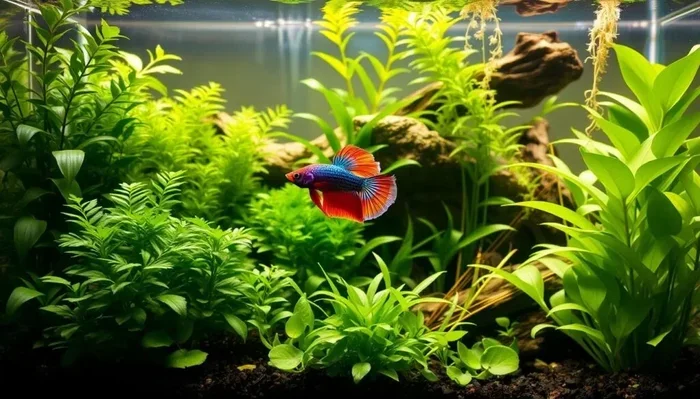
How Well Can Betta Fish See in the Dark
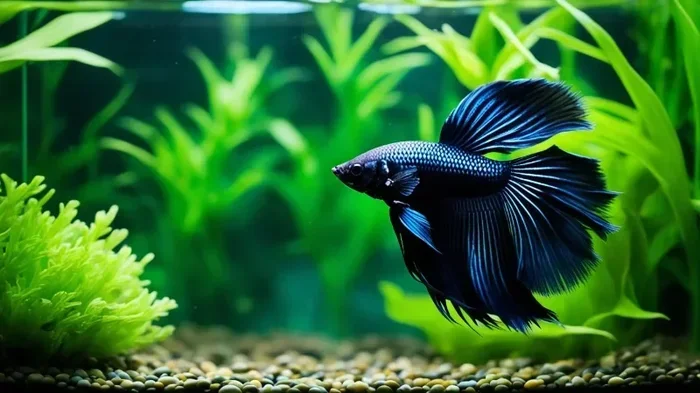
So, how well can betta fish see in the dark? The short answer is that betta fish have limited vision in complete darkness. They rely on other senses like smell and hearing to navigate their tank when the lights go off. Betta fish vision works best in moderate light, and prolonged darkness can affect their overall health and behavior. Understanding how your betta sees the world helps you create a safer, more comfortable aquarium environment.
Have you ever wondered what your betta fish experiences when the lights go out? It is a question many fish owners ask, especially those who keep their aquariums in bedrooms or offices with changing light patterns. How well can betta fish see in the dark is more than just a curious thought. It directly impacts how you should set up and manage your aquarium.
Betta fish are stunning creatures. Their flowing fins and vibrant colors make them a favorite among hobbyists. But their vision has limits, just like any other animal. Understanding those limits helps you provide a better home for your finned friend. This guide breaks down everything you need to know about betta fish eyesight in low-light and dark conditions.
The topic of how well can betta fish see in the dark touches on biology, behavior, and daily care. You will learn what science says, what myths exist, and how to apply this knowledge practically. Whether you are a new betta owner or have had fish for years, this information will help you make smarter decisions for your aquarium.
Key Takeaways
- Limited Night Vision: Betta fish cannot see well in total darkness. Their eyes are adapted for moderate lighting conditions, not pitch-black environments.
- Other Senses Take Over: When it gets dark, bettas rely on their lateral line, smell, and hearing to move around the tank safely.
- Light Cycles Matter: A consistent light schedule supports your betta’s natural rhythm, sleep patterns, and overall well-being.
- Too Much Darkness Is Harmful: Keeping a betta in a dark room for extended periods can cause stress and health issues.
- Aquarium Lighting Should Mimic Nature: A regular day-night cycle of 8 to 12 hours of light keeps your betta happy and healthy.
- Myth-Busting Is Important: Many beliefs about betta fish and darkness are false. Knowing the facts helps you be a better fish owner.
📑 Table of Contents
Understanding How Betta Fish See the World
Before diving into darkness, it helps to understand how betta fish see in general. Their eyes work differently from human eyes, and they have unique adaptations that suit their natural habitat.
The Anatomy of a Betta Fish Eye
Betta fish eyes are located on either side of their head. This placement gives them a wide field of view. However, it also means they have limited depth perception compared to humans. Their eyes contain rods and cones, just like ours. Rods help with low-light vision, while cones handle color detection.
Betta fish have more cones than rods. This means they see colors very well during the day but struggle in dim conditions. Their eyes are built for moderate lighting, not total darkness. So when you ask, how well can betta fish see in the dark, the answer starts with their eye structure.
Color Vision and Light Sensitivity
Betta fish can see a range of colors. They are particularly sensitive to reds, blues, and greens. This ability helps them spot food and recognize other fish. Their color perception is actually quite impressive for a freshwater fish.
However, their eyes adjust slowly to changes in light. If you suddenly turn off the aquarium light, your betta will not instantly adapt. It takes time for their pupils to dilate and adjust. This is why sudden lighting changes can startle them. A gradual dimming is always better for their comfort.
What Science Tells Us About Betta Fish Vision in Darkness
Now let us get to the core question. How well can betta fish see in the dark? Science gives us a clear picture, and it is not as mysterious as you might think.
Can Betta Fish See at All in the Dark?
The honest answer is no, not really. Betta fish have limited ability to see in complete darkness. Their eyes need some level of light to function properly. In a totally dark room, a betta fish essentially becomes blind. It cannot spot food, navigate obstacles, or recognize other fish.
This does not mean they are helpless in the dark. Their other senses pick up the slack. But vision alone is not enough when the lights go out. This is why providing even a small amount of ambient light can make a big difference. A dim night light near the tank can help your betta feel more secure.
How Betta Fish Navigate Without Sight
So if they cannot see well in the dark, how do they get around? Betta fish use several alternative methods to navigate their environment.
First, they have a lateral line system. This is a sensory organ that runs along each side of their body. It detects changes in water pressure and movement. This helps them sense nearby objects and other creatures without using their eyes.
Second, betta fish have a strong sense of smell. They can detect chemicals in the water that signal food or danger. Third, they use hearing to pick up vibrations in the water. Together, these senses allow them to function even when how well can betta fish see in the dark is essentially zero.
The Role of Residual Light
Even in a room that feels completely dark to you, there is usually some residual light. Light seeps through curtains, under doors, or from electronic screens. For a betta fish, this faint glow might be enough to provide partial vision.
This is why the question of how well can betta fish see in the dark is not always a simple yes or no. It depends on the level of darkness. A room with blackout curtains behaves very differently from a room with a small nightlight. Your betta will respond to these differences in subtle ways.
How Darkness Affects Your Betta Fish’s Daily Life
Darkness is not just about vision. It plays a major role in your betta fish’s behavior, health, and daily routine. Understanding this connection is key to responsible fish keeping.
Sleep Patterns and Darkness
Betta fish need darkness to sleep properly. Just like humans, they follow a circadian rhythm. This internal clock tells them when to rest and when to be active. Without a proper dark period, your betta may become stressed and restless.
When it is dark, your betta will look for a quiet spot to rest. They might hover near plants or hide behind decorations. Their breathing slows down, and they become less responsive. This is completely normal and healthy.
If you keep the lights on all the time, your betta will suffer. Lack of darkness can lead to sleep deprivation, which weakens their immune system. Over time, this can make them more prone to illness. Always give your betta a consistent dark period every night.
Behavioral Changes in Low Light
You might notice changes in your betta’s behavior when the room gets dim. Some bettas become more cautious. They swim more slowly and stay close to the bottom of the tank. Others might become more active, exploring areas they avoided during bright daylight.
If you are feeding your betta in low light, you might wonder whether they can find their food. The answer depends on how dark it is. In dim conditions, bettas can often locate food using their sense of smell. But in total darkness, they will struggle. If you want to learn more about this specific topic, check out this article on can betta fish see their food in the dark. It covers the feeding aspect in detail.
Stress and Anxiety in Dark Environments
Not all darkness is equal when it comes to stress. A natural dusk-to-dark transition is fine. But suddenly plunging the tank into complete darkness can shock your betta. This sudden change triggers a stress response.
Stress in betta fish shows up in different ways. Their colors might fade. They may hide more than usual or stop eating. In extreme cases, chronic stress leads to diseases like fin rot or ich. Managing the light-to-dark transition is one of the simplest ways to keep your betta healthy.
Some owners wonder if they can keep their betta in a dark room permanently. The answer is no. Betta fish need a balanced light-dark cycle to thrive. Keeping them in a dark room for too long causes more harm than good. If you are curious about this topic, you can read about whether bettas can live in a dark room for more insights.
Creating the Perfect Light Cycle for Your Betta
The best way to support your betta’s vision and well-being is to establish a proper light cycle. This is one of the most impactful things you can do as an owner.
How Many Hours of Light Does a Betta Need?
Aim for 8 to 12 hours of light per day. This range mimics natural daylight cycles and gives your betta enough time to be active and eat. The remaining 12 to 16 hours should be dark for rest and recovery.
Consistency is more important than exact timing. Try to turn the lights on and off at the same time every day. Your betta will adjust to the routine and feel more secure. Irregular lighting patterns confuse fish and can disrupt their internal clock.
Types of Aquarium Lighting
Not all lights are equal. LED lights are a popular choice because they are energy-efficient and produce less heat. They also allow you to control brightness levels. Some LED fixtures even have dimming features, which are great for creating a gradual sunset effect.
Avoid placing the tank in direct sunlight. Natural light from a window can cause temperature swings and algae blooms. Instead, use a dedicated aquarium light that you can control. This gives you full power over the light-dark cycle your betta experiences.
Transitioning From Light to Dark
One of the best practices is to dim the lights gradually before turning them off. This gives your betta time to adjust. You can use a timer to automate this process. Many aquarium lights come with built-in timers, making this step effortless.
A gradual transition reduces stress and helps your betta settle down for the night. It also supports their natural behavior. In the wild, bettas experience slow changes in light as the sun sets. Replicating this in your aquarium makes a noticeable difference in their comfort level.
Common Myths About Betta Fish and Darkness
There is a lot of misinformation about betta fish and their ability to see in the dark. Let us clear up some of the most common myths.
Myth 1: Betta Fish Can See Perfectly in the Dark
This is simply not true. Betta fish cannot see in total darkness. Their eyes need light to process images. Anyone who tells you otherwise is spreading false information. If you come across claims that bettas have night vision like cats, ignore them. Cats have specialized eyes for darkness. Betta fish do not.
Myth 2: Bettas Do Not Need Any Light at Night
While bettas need darkness to sleep, total darkness 24 hours a day is harmful. They need a balanced cycle of light and dark. Some ambient light during the evening helps them wind down naturally. Complete absence of light all the time can disrupt their rhythm and cause stress.
If you have ever asked, are betta fish ok in the dark at night, the answer is yes, as long as it is part of a normal day-night cycle. A few hours of darkness at night is natural and healthy. It is constant or prolonged darkness that causes problems.
Myth 3: You Can Use Any Light Source Near the Tank
Not all light is safe for aquariums. Household bulbs, especially incandescent ones, produce too much heat. This can raise the water temperature and harm your betta. Even some LED bulbs emit light wavelengths that are not ideal for fish.
Always use lights designed for aquariums. They are built to provide the right spectrum without overheating the water. This protects both your betta’s vision and its overall health.
Final Thoughts on How Well Betta Fish See in the Dark
So, how well can betta fish see in the dark? The answer is clear. Betta fish have limited vision in darkness and rely on other senses to navigate their surroundings. Their eyes are built for moderate light, not pitch-black conditions. This knowledge should shape the way you care for your aquarium.
Providing a consistent light-dark cycle is one of the simplest and most effective things you can do. Your betta will sleep better, eat better, and show brighter colors when the lighting is right. Avoid sudden changes, never keep the lights on 24/7, and give your fish the natural rhythm it craves.
Understanding your betta’s vision helps you build a stronger bond with your pet. You will notice when they are comfortable, when they are stressed, and when something in their environment needs adjusting. Small changes in lighting can lead to big improvements in your betta’s quality of life.
The more you know about how well can betta fish see in the dark, the better equipped you are to be a responsible and caring owner. Your betta depends on you for its environment. Give it the right balance of light and dark, and it will reward you with vibrant health and beautiful behavior for years to come.
Frequently Asked Questions
Can betta fish see in total darkness?
No, betta fish cannot see in total darkness. Their eyes need at least some light to function. In a completely dark room, they rely on their lateral line, smell, and hearing to get around.
How many hours of darkness does a betta fish need?
A betta fish needs 12 to 16 hours of darkness each day. This dark period supports their sleep cycle and overall health. Consistency in the light-dark schedule is key to keeping your betta stress-free.
Will my betta fish be scared of the dark?
Most bettas are not scared of normal darkness at night. They naturally experience dimming light as the sun sets. However, sudden pitch-black conditions or irregular lighting patterns can cause stress and anxiety.
Can I use a night light in my betta aquarium?
Yes, a dim night light can be helpful. It provides enough residual light for your betta to navigate the tank without disrupting their sleep. Just make sure the light is very dim and does not raise the water temperature.
Do betta fish prefer light or dark?
Betta fish need both light and dark in balance. They use light to be active, eat, and display their colors. They need darkness to rest and recover. Neither extreme is good on its own.
What happens if I leave my betta in the dark too long?
Prolonged darkness can cause stress, loss of appetite, and weakened immunity. Your betta may also become disoriented because it cannot see well enough to navigate. Always maintain a proper day-night cycle for optimal health.