How Do Betta Fish Sleep at Night

Betta fish do sleep, but not like mammals. They rest by finding a secure spot, reducing activity, and entering a low‑energy state each night. Understanding their nighttime habits helps you create a calm environment that promotes healthy sleep.
Key Takeaways
- Betta fish rest, not deep‑sleep: They enter a restful state with reduced movement and slower breathing.
- Location matters: They prefer low‑light, quiet corners or near plants to feel safe.
- Light cycles are crucial: Consistent day‑night lighting cues their internal clock.
- Tank setup influences sleep: Hiding spots, proper temperature, and minimal noise aid nighttime rest.
- Watch for red flags: Excessive floating, erratic swimming, or failure to rest can signal stress or illness.
- Sleep duration varies: Most bettas rest 8‑12 hours a night, but individual needs differ.
- Routine matters: Feeding, water changes, and light timing should follow a predictable schedule.
📑 Table of Contents
- Introduction: Why Betta Sleep Matters
- 1. The Biology of Betta Rest
- 2. When Do Betta Fish Sleep?
- 3. Where Do Betta Fish Like to Sleep?
- 4. Light, Temperature, and Noise: The Sleep‑Setting Trio
- 5. Signs of a Good Night’s Rest
- 6. Practical Tips to Encourage Healthy Sleep
- Conclusion: A Peaceful Night for a Vibrant Betta
Introduction: Why Betta Sleep Matters
When you first bring a betta home, you might notice it darting around the tank, flashing its fins and exploring every nook. It’s easy to think these little warriors are always “on.” In reality, like all animals, bettas need rest. Understanding how do betta fish sleep at night helps you give them a calm, stress‑free environment, which in turn keeps their colors bright and their health strong.
In this article we’ll break down the science of betta sleep, describe where and how they rest, and share practical tips you can start using tonight. Think of it as a friendly chat with a fellow hobbyist who wants the best for their finned friend.
1. The Biology of Betta Rest
What “sleep” looks like in fish
Fish don’t have eyelids, so you won’t see them closing their eyes. Instead, they enter a low‑activity state that many scientists call “rest.” During this period, a betta’s heart rate slows, its muscles relax, and it becomes less responsive to external stimuli. This is the equivalent of human deep sleep, just without the droopy eyelids.
Do bettas dream?
There’s no solid evidence that fish experience dreams, but they do go through cycles of brain activity that resemble the REM and non‑REM stages seen in mammals. The key takeaway is that the rest period is essential for cellular repair, growth, and overall vitality.
2. When Do Betta Fish Sleep?
Typical nighttime schedule
Most bettas settle down about an hour after the tank lights are turned off. They may hover near the surface for a few minutes, then find a hiding spot. Expect about 8‑12 hours of rest each night, though younger fish may nap more frequently throughout the day.
How long do they actually sleep?
For a deeper dive into sleep length, check out our article on How Long Do Betta Fish Sleep. In short, duration can vary with temperature, stress levels, and tank conditions.
3. Where Do Betta Fish Like to Sleep?
Choosing the perfect spot
Betta fish are natural surface‑dwellers, but at night they often retreat to the bottom or mid‑water level where they feel safest. Ideal locations include:

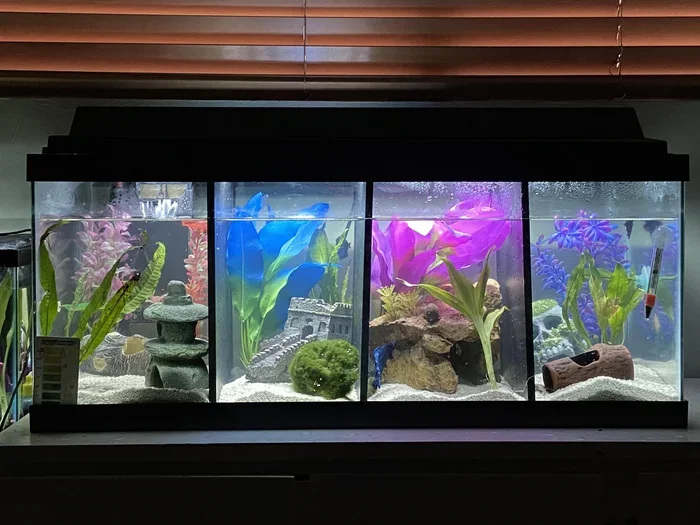
Visual guide about How Do Betta Fish Sleep at Night
Image source: fishlab.com
- Dense plant foliage: Live or silk plants give cover without sharp edges.
- Decor caves or driftwood crevices: Small openings mimic natural hiding places.
- Flat surfaces: A smooth leaf or a piece of smooth rock provides a stable perch.
Do they sleep at the top of the tank?
While bettas can rest near the surface, they usually avoid open, brightly lit areas. For more detail, see Do Betta Fish Sleep At The Top Of The Tank.
4. Light, Temperature, and Noise: The Sleep‑Setting Trio
Light cycles
Consistent lighting is the single most important cue for betta sleep. Aim for 10‑12 hours of gentle light followed by 12‑14 hours of darkness. Use a timer to avoid accidental night‑time illumination from nearby screens or night‑lights.
Temperature stability
Betas thrive at 76‑82°F (24‑28°C). Sudden drops at night can cause restlessness. A reliable heater with a thermostat keeps the water temperature steady, allowing the fish to settle comfortably.
Noise and vibrations
While fish can’t hear like we do, they sense vibrations. A quiet room, a stable stand, and avoiding heavy foot traffic near the tank reduce stress. Soft background music (classical or ambient) is fine, but keep the volume low.
5. Signs of a Good Night’s Rest
Typical nighttime behavior
A well‑rested betta will:
- Float gently near the bottom or among plants.
- Show reduced fin movement and slower swimming.
- Maintain a relaxed posture, often with fins slightly folded.
Red flags to watch for
If you notice any of the following, your betta may not be sleeping well:
- Constantly swimming at the surface.
- Rapid, erratic movements during dark hours.
- Floating upside‑down or appearing lethargic all day.
These signs could indicate stress, poor water quality, or illness. For a quick health check, read How Do You Know If Your Betta Fish Is Dying.
6. Practical Tips to Encourage Healthy Sleep
Step‑by‑step tank setup
- Choose a suitable tank: A 5‑gal tank provides enough space for swimming and hiding spots.
- Add live or silk plants: They create natural cover and improve water quality.
- Include a cave or PVC pipe: Ensure edges are smooth to avoid fin damage.
- Set a timer: Automate the light cycle to mimic sunrise and sunset.
- Maintain water parameters: Keep ammonia at 0 ppm, nitrite at 0 ppm, and nitrate below 20 ppm.
- Control temperature: Use a reliable heater and check the thermometer nightly.
Feeding and bedtime routine
Feed your betta 2‑3 small meals in the morning and early afternoon. Avoid feeding right before lights go out; a full stomach can keep the fish active. A light snack an hour before bedtime can help settle them, but keep portions modest.
Night‑time observation tricks
Use a red “night‑vision” LED that doesn’t disturb the fish. Red light is less likely to reset their internal clock, letting you peek without waking them.
Conclusion: A Peaceful Night for a Vibrant Betta
Understanding how do betta fish sleep at night transforms your care routine from basic to brilliant. By providing a stable light cycle, a quiet environment, and cozy hiding spots, you’ll see your betta glide into restful pauses each evening. A well‑rested betta displays brighter colors, more confident behavior, and a longer, healthier life.
Start with one simple change tonight—add a small piece of silk leaf or a cave, set a timer for your aquarium light, and watch your betta settle into a calm, sleepy posture. Over time, you’ll notice the difference, and your fish will thank you with a dazzling display of fins and personality.
Frequently Asked Questions
Do betta fish really need darkness to sleep?
Yes. A consistent dark period signals the fish’s internal clock to rest, reducing stress and promoting healthy sleep cycles.
How many hours should my betta sleep each night?
Most bettas rest for about 8‑12 hours nightly, though younger fish may nap more frequently throughout the day.
Can I use a night‑light in the tank?
A dim red LED is acceptable because red wavelengths have minimal impact on the fish’s perception of day and night.
What if my betta never seems to settle down?
Check water quality, temperature stability, and ensure there are adequate hiding spots. Persistent restlessness may indicate illness.
Do bettas sleep on the bottom or near plants?
They often choose plant foliage or a cave near the bottom, as these spots feel safe and shield them from predators.
Is it normal for bettas to float upside‑down while sleeping?
Occasional gentle floating is normal, but if the fish stays upside‑down for long periods, it could be a sign of swim‑bladder issues and should be investigated.