Where to Buy Betta Fish Nearby
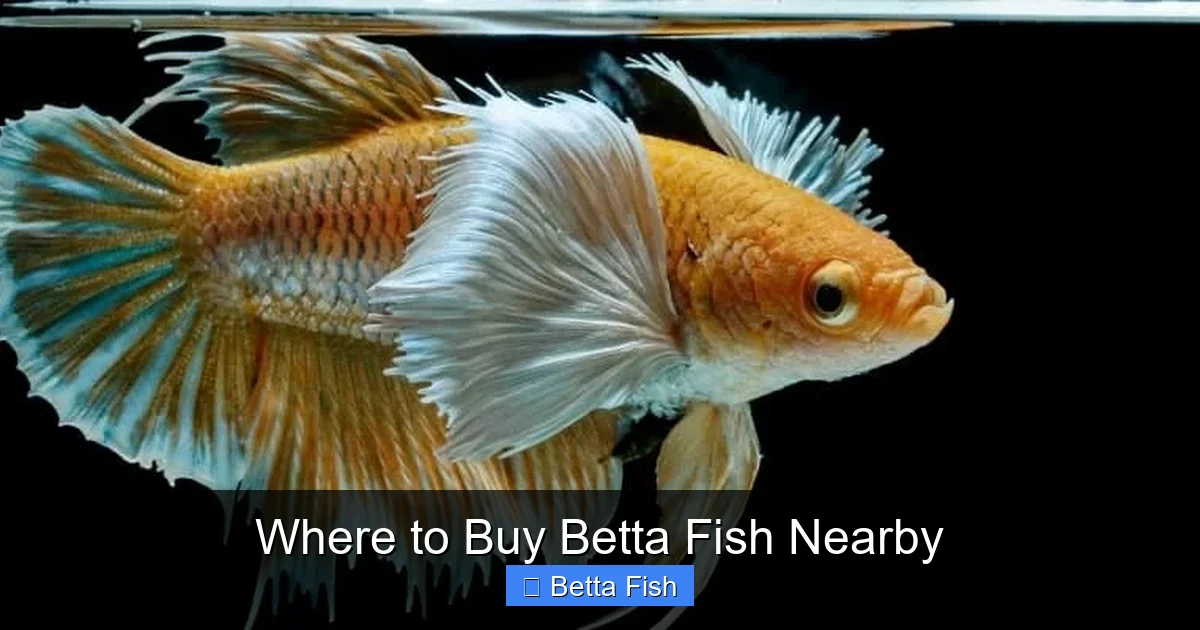
Finding a healthy Betta fish locally requires knowing where to look and what to inspect. Your best bets are local specialty pet stores and dedicated Betta breeders, followed by reputable online shippers. Always prioritize fish health over price, checking for vibrant color, active swimming, and undamaged fins. Avoid big-box retailers for long-term health. Proper quarantine and tank preparation are non-negotiable steps before bringing your new Betta home.
Key Takeaways
- Local Specialty Stores & Breeders Are Top Tier: They provide the healthiest fish, expert advice, and often better conditions than large retailers.
- Inspect the Fish In-Person: Look for clear eyes, full fins, vibrant color, and active curiosity. Avoid any fish with clamped fins, spots, or lethargy.
- Quarantine is Essential: Always quarantine a new Betta for 2-4 weeks in a separate tank to prevent disease spread to other aquatic pets.
- Online Can Be Excellent (If Vetted): Reputable online breeders and sellers can ship healthy fish, but research reviews and shipping policies meticulously.
- Big-Box Stores Are a Gamble: While convenient, Bettas from large chains often suffer from poor husbandry and higher stress, leading to shorter lifespans.
- Ask About Acclimation & History: Inquire how long the fish has been at the store, what it’s been fed, and its water parameters. Knowledgeable staff are a good sign.
- Prepare the Tank First: Never bring a Betta home to an uncycled tank. Complete the nitrogen cycle and establish stable water parameters before purchase.
📑 Table of Contents
- Why Your Betta’s Source Matters More Than You Think
- Your Local Goldmine: Specialty Pet Stores & Independent Breeders
- The Double-Edged Sword: Big-Box Retailers (PetSmart, Petco, etc.)
- The Digital Frontier: Buying Betta Fish Online
- Specialty Betta Breeders: The Pinnacle of Quality
- Your Critical Pre-Purchase Checklist: It’s Not Just About the Fish
Why Your Betta’s Source Matters More Than You Think
Let’s be honest: that first glimpse of a Betta fish, with its flowing fins like liquid silk and colors that defy belief, is pure magic. You’re hooked. But before you rush out, the single most important decision you’ll make isn’t which color or fin type to choose—it’s where to buy your Betta fish nearby. The source directly determines your new pet’s health, temperament, and ultimately, its lifespan. A poorly sourced Betta can start your journey with chronic illness, fin rot, or a stubborn case of velvet, turning joy into heartbreak and costly vet bills.
The journey of a Betta from breeder to your living room is a story of stress and resilience. Bettas are often raised in tiny, crowded jars in wholesale facilities before being shipped to stores. How they are treated in those final retail environments—water quality, feeding frequency, tank cleanliness—profoundly impacts their immune system. A fish from a place where it’s been well-cared-for and monitored is already miles ahead. It’s more likely to be eating, curious, and robust. Your goal is to find a seller who views the Betta not as a commodity, but as a living creature with specific needs. This foundational choice sets the stage for everything that follows: tank setup, feeding, and bonding.
The Domino Effect of a Bad Start
Think of your Betta’s initial health as the first domino. A stressed or compromised fish from a poor source has a weakened immune system. This makes it a sitting duck for opportunistic diseases like Fin Rot or Columnaris, which are always present in aquatic environments at low levels. A healthy fish can fight these off. A stressed one cannot. Furthermore, a Bettas from bad conditions are often already carrying internal parasites. You might quarantine it, think it’s clear, and then have it fall ill weeks later, confusing you and your vet. Starting with a strong, vibrant fish from a reputable source is your single best preventative medicine. It saves money, emotional energy, and gives your Betta the fighting chance it deserves to live its full 3-5 year (or more!) lifespan.
Your Local Goldmine: Specialty Pet Stores & Independent Breeders
When you ask yourself “where to buy betta fish nearby,” your first and most fruitful search should be for independent, locally-owned pet stores that specialize in fish—not just the big chains. These are your hidden gems. The owners and staff are usually passionate aquarists themselves. They understand the delicate nature of Bettas and often curate their stock from high-quality local breeders or trusted regional wholesalers who prioritize fish health over volume.

Visual guide about Where to Buy Betta Fish Nearby
Image source: tankarium.com
Walking into a good specialty store, you’ll immediately notice the difference. Bettas are not crammed into tiny cups on a crowded shelf. They are often housed in individual, filtered containers or larger divided tanks with pristine water. You might see them building bubble nests—a fantastic sign of a comfortable, healthy male. The staff can tell you the Betta’s name, its personality (“this one’s a little shy,” “that one’s a fin-nipper”), what it eats, and how long it’s been there. This level of individual care and knowledge is invaluable. They can offer specific advice for your first Betta and become a lifelong resource for questions about water chemistry, disease treatment, and tank mates.
What to Look For & Questions to Ask
Your inspection begins the moment you walk in. First, assess the environment: Are the Betta containers clean? Is the water clear, or is it cloudy with debris? Are there any dead tank mates nearby? A clean environment is a direct reflection of the store’s care standards. Next, observe the fish: Choose a tank where the Betta is alert, swimming smoothly (not clamped tightly to the bottom), and its fins are full and undamaged. Its color should be vibrant. Gently tap the glass—a healthy Betta will often flare in response, a sign of vitality.
Now, ask the critical questions:
- “How long has this specific Betta been here?” A fish that just arrived is still stressed from shipping. One that’s been there a few weeks, eating well and active, is a safer bet.
- “What are you feeding it?” High-quality pellets, frozen brine shrimp, or daphnia are great signs. If they only feed “Betta flakes” or rarely, be cautious.
- “Can you tell me about its water changes?” Frequent partial water changes are a must for Betta containers.
- “Do you have a quarantine tank for new arrivals?” A store that quarantines is one that understands disease prevention.
Building a rapport with a local specialty store is arguably the best move you can make. They often have a rotating selection of unique halfmoon, doubletail, or even wild-type Bettas you’ll never see elsewhere. They become your go-to for not just fish, but for quality food, plants, and expert advice.
The Double-Edged Sword: Big-Box Retailers (PetSmart, Petco, etc.)
We cannot discuss where to buy betta fish nearby without addressing the elephant in the room: large chain pet stores. They are ubiquitous, often have extended hours, and their prices can seem attractive. However, for Bettas, they present a significant risk. The model of these stores is high-volume, low-margin. Bettas are typically received as tiny, stressed juveniles shipped in from large-scale wholesale operations in Southeast Asia. They are then placed in small, often unheated cups on crowded shelves. Water changes may be infrequent, and individual fish health is not a top priority.

Visual guide about Where to Buy Betta Fish Nearby
Image source: japanesefightingfish.org
The result is a lottery. You might find a stunning, healthy individual that has somehow defied the odds. But you are far more likely to encounter fish with:
- Fin Rot: Fins appear shredded, blackened, or fuzzy.
- Velvet: A gold dust-like coating on the body (look for it under a flashlight in a dark room).
- Dropsy: Severe bloating and pineconing scales.
- Lethargy & clamped fins: The fish sits at the bottom, fins held tightly against the body.
If you do choose to buy from a big-box store, you must become a ruthless inspector. Visit on a weekday morning when staff are restocking, so you see the freshest arrivals. Avoid weekends when the stock is picked over and stressed from customer handling. Be prepared for a higher mortality rate and a mandatory, extended quarantine period. While you can find a good fish there, the probability is stacked against you compared to a dedicated local store.
The Digital Frontier: Buying Betta Fish Online
In our connected world, “nearby” can mean “shipped to your doorstep.” Buying Betta fish online opens up a universe of possibilities—exclusive breeders, specific color strains, and show-quality fish you’d never find locally. However, it also introduces the major stress of shipping. A successful online purchase hinges entirely on the seller’s reputation and protocols.

Visual guide about Where to Buy Betta Fish Nearby
Image source: splashyfishstore.com
How to Vet an Online Betta Seller:
- Read Reviews Relentlessly: Look for reviews on forums like Reddit (r/bettafish), Fishlore, or dedicated Betta breeder association sites. Search for “[Seller Name] review” and “shipping experience.”
- Examine Their Website & Policies: A professional site with clear health guarantees, shipping policies, and photos/videos of their actual fish (not stock images) is a good sign. What is their live-arrival guarantee? Do they require a DOA (Dead On Arrival) photo within a strict timeframe?
- Ask Direct Questions: Before buying, email them. Ask about their quarantine process for fish before shipping, how they pack (breathing bags, insulation, heat/cold packs), and their average shipping time. A responsive, transparent seller is a trustworthy one.
- Look for Specialty Breeders: The best online sources are small-scale breeders who focus on one or two varieties (e.g., halfmoon plakats, giant Bettas). They often have Facebook pages or Instagram accounts where you can see their fish in their actual setups.
The Shipping Reality: Even the best seller ships via overnight or 1-2 day carrier. You must be home to receive the box. The fish will arrive in a small bag with a little water, often sedated. You will need to acclimate it slowly over an hour (floating the bag, then drip acclimation) to your prepared quarantine tank. The first 24-48 hours are critical. Have a hospital/quarantine tank 100% ready with heated, dechlorinated, cycled water before the fish arrives. Do not put a newly shipped Betta directly into your display tank.
Specialty Betta Breeders: The Pinnacle of Quality
For the enthusiast seeking a specific, high-quality Betta—perhaps a koi-patterned halfmoon or a massive, colorful giant betta—a dedicated breeder is the ultimate source. These are not stores; they are artisans. They selectively pair fish for generations to enhance color, fin shape, and body type. They raise their fish in pristine, planted setups, often feeding a premium diet of live or frozen foods from a young age.
Finding a Breeder: This requires legwork. Attend local aquarium club meetings or fish shows. Search for “Betta breeder [Your State/Region]” online. Follow Betta-focused Instagram hashtags (#bettabreeder #halfmoonbetta). Many breeders have waitlists for specific spawns. You are not just buying a fish; you are buying into a relationship. A good breeder will educate you on the fish’s lineage, potential, and specific care needs. They often sell fish at 4-6 months old, fully grown and showing their adult colors and fin development.
The Cost & Reward: Expect to pay significantly more—from $50 to several hundred dollars for top-tier show fish. But you are paying for unmatched quality, health, and provenance. The fish will likely be hardier, more vibrant, and have a stronger genetic foundation. The breeder’s expertise is a resource you can leverage for the life of your fish. This is the route for someone who wants a truly special Betta and is prepared to invest in its care and environment accordingly.
Your Critical Pre-Purchase Checklist: It’s Not Just About the Fish
You’ve found a reputable seller and selected a stunning Betta. Stop. Do not hand over money or click “buy” until your home is 100% ready. The number one cause of new Betta death is owner error, not inherent disease. Bringing a fish home to an uncycled, cold, or toxic tank is a death sentence. Your preparation must be complete before the fish is in your possession.
The Non-Negotiable Tank Setup
Forget the “bowl.” A proper Betta home is a minimum of 5 gallons, filtered, and heated to 78-80°F (25.5-26.5°C). You must cycle the tank for 4-6 weeks before adding the fish. Cycling establishes beneficial bacteria that process toxic ammonia and nitrite into less harmful nitrate. Use a liquid test kit (like API Master Test Kit) to confirm your tank is cycled: ammonia = 0 ppm, nitrite = 0 ppm, nitrate < 20 ppm. Without this cycle, the fish will suffer from ammonia poisoning. Equip the tank with a gentle filter (a sponge filter is ideal), a secure lid (Bettas jump!), and hiding spots like plants or caves. Use a water conditioner like Seachem Prime to neutralize tap water chemicals.
The Mandatory Quarantine Protocol
Quarantine is your insurance policy. Even a fish from the best source can be carrying a hidden parasite or bacterial infection. Quarantining means housing the new Betta in a separate, bare-bottom tank (a 2.5-5 gallon is fine) for a minimum of 4 weeks, observing it daily for any signs of illness (loss of appetite, clamped fins, spots, scratching). This tank should have its own filter and heater. During this period, you treat the fish as potentially sick. Do not share equipment (nets, siphons) between the quarantine tank and your main display tank without disinfecting. Only after the full quarantine period, with the Betta eating vigorously and showing no symptoms, should you consider a very slow introduction to its permanent display tank. This step protects any existing fish and gives your new Betta a stress-free period to adjust.
Frequently Asked Questions
Is it better to buy a Betta fish online or from a local store?
It depends on your priorities and research. A reputable local specialty store allows you to inspect the fish in person and get immediate advice. A vetted online breeder offers a wider selection of high-quality, specific varieties but involves shipping stress. Always prioritize sellers with proven health protocols over convenience.
What are the absolute signs of a healthy Betta fish to look for?
A healthy Betta will be alert and curious, with vibrant, even coloration. Its fins should be full, undamaged, and held open (not clamped). It will swim smoothly and may even flare at its reflection. Its eyes should be clear and protruding, not sunken or cloudy. There should be no white spots (velvet), frayed fins (fin rot), or bloating.
Why are Betta fish so cheap at big-box stores, and is that a red flag?
The low price is a red flag. It reflects the high-volume, low-cost wholesale model where individual fish health is not a priority. These Bettas are often juveniles from large-scale facilities with poor water conditions, leading to suppressed immune systems. You are paying less upfront but risk higher long-term costs from illness and a shorter lifespan.
How long should I quarantine a new Betta fish, and what tank do I need?
Quarantine for a minimum of 4 weeks. Use a simple, separate tank (2.5-5 gallons) with a heater, a gentle filter (like a sponge filter), and a few hiding spots. Keep the water parameters stable and pristine with regular water changes. Observe the fish daily for any signs of disease before introducing it to your main display tank.
What questions should I ask the seller before buying a Betta?
Ask: “How long has this fish been here?” “What do you feed it?” “How often are the water changes done?” “Do you quarantine new arrivals?” “What are the water parameters for the Betta containers?” Their answers will reveal their level of knowledge and commitment to fish health.
Can I return a Betta fish if it gets sick after I buy it?
Policies vary widely. Reputable specialty stores and breeders often have a 24-72 hour guarantee against obvious pre-existing illness if you bring the fish back (sometimes with a water sample). Big-box stores typically have stricter, shorter return windows. Always ask about the return policy before purchasing. This is why a thorough in-person inspection and a quarantine period are so critical.