How to Train My Betta Fish to Jump
Training your betta fish to jump is a fun and rewarding experience that strengthens your bond with your pet. With the right approach, patience, and betta fish training techniques, you can teach your fish to leap on command. This guide covers everything from basic setup to advanced tricks, making it easy for any fish owner to get started.
Have you ever watched your betta fish leap out of the water and wondered if you could teach it to do that on command? Training your betta fish to jump is not only possible, it is also one of the most exciting tricks you can teach your aquatic pet. Betta fish are smarter than most people think, and with the right approach, you can unlock their hidden potential.
Betta fish training goes beyond just showing off. It provides mental stimulation, keeps your fish active, and deepens the bond between you and your pet. Whether you are a complete beginner or have some betta fish care experience, this guide will walk you through every step of the process.
The key to success lies in patience, consistency, and understanding your fish’s behavior. You do not need expensive equipment or years of experience. Just a little time each day and a willingness to learn how your fish thinks. Let us dive in and explore how to make betta fish jumping a reality in your home aquarium.
Key Takeaways
- Start with a healthy, stress-free environment: A happy betta fish learns faster and responds better to training.
- Use food as positive reinforcement: Target training with high-quality betta fish food makes jumping exercises effective.
- Be patient and consistent: Short daily sessions work better than long, infrequent ones for betta fish training.
- Gradually increase difficulty: Start low and slowly raise the target height to build your fish’s confidence.
- Watch for stress signals: Know when to stop and give your fish a break to keep betta fish health in check.
- Make it fun: Training should be enjoyable for both you and your fish, building a stronger connection.
📑 Table of Contents
Understanding Your Betta Fish Behavior
Before you start any betta fish training, it helps to understand why bettas jump in the first place. In the wild, betta fish jump to catch insects hovering above the water surface. This natural behavior is built into their instincts. Your pet fish carries the same instincts, even in a betta fish tank at home.
Why Betta Fish Jump
Bettas jump for several reasons. Some jump to catch food, others jump out of curiosity, and some jump when they feel stressed. Understanding the betta fish behavior behind jumping helps you train more effectively. Here are the main reasons your fish might leap:
- Hunting instinct: Bettas naturally hunt insects above the water line.
- Exploration: Curious fish like to see what is above them.
- Stress response: Poor water conditions can cause erratic jumping.
- Excitement: A well-fed, happy betta may jump during feeding time.
Knowing these reasons helps you separate natural jumping from training opportunities. When your fish jumps during feeding, that is a perfect moment to start shaping the behavior you want. You can also learn more about betta fish care in our article on how to take care of a betta male fish to ensure your fish is in top condition for training.
Signs Your Betta Is Ready to Train
Not every fish is ready to train at the same time. Look for these signs that your betta is in the right headspace for betta fish training:
- Your fish swims actively around the tank
- It comes to the front of the tank when you approach
- It eats with enthusiasm during feeding time
- It shows curiosity toward objects near the water surface
- It has bright, vibrant colors and healthy fins
If your fish shows any of these signs, you are in great shape to begin. If not, focus on improving the tank environment first. A stressed fish will not respond well to training. Check out our guide on how to destress my betta fish if you suspect your fish needs some calming support before training begins.
Setting Up the Right Training Environment
The environment you create plays a huge role in how successful your betta fish training will be. A clean, comfortable tank with the right conditions makes your fish more alert and responsive. You want your fish to feel safe and focused during each session.
Tank Setup for Training
Start by making sure your betta fish tank is properly set up. The water temperature should be between 76 and 82 degrees Fahrenheit. Use a heater to maintain stable warmth, as bettas are tropical fish that thrive in consistent conditions. You can find tips on how to make my betta fish tank warmer if you need help maintaining the right temperature.
Keep the water clean with regular changes. Dirty water makes fish sluggish and uninterested. A well-maintained betta fish habitat encourages active behavior, which is exactly what you want during training sessions. Aim for at least a 5-gallon tank with gentle filtration and soft lighting.
Reducing Distractions
Training sessions work best when distractions are minimal. Turn off loud music, dim the room lights slightly, and make sure other pets are not near the tank. Your betta fish needs to focus on you and the target. A calm environment helps your fish stay engaged and responsive throughout each session.
Also, keep the tank away from high-traffic areas in your home. Constant movement and noise can stress your fish and make it harder for them to concentrate. A quiet corner with a stable surface works best for betta fish training sessions.
Essential Training Supplies
You do not need much to start training my betta fish to jump. The supplies are simple and affordable. Here is what you will need to get started:
- Target stick: A small stick with a colored tip, like a chopstick with a colored dot
- High-quality fish food: Use your fish’s favorite pellets or live food as rewards
- A clean cup or turkey baster: For delivering food rewards precisely
- A calm mindset: Patience is your most important tool
The target stick is the most important tool. You can use a simple wooden chopstick or buy a dedicated fish training target. The key is to make the tip bright and visible so your fish can easily see it. Bright colors like red, blue, or yellow work best for betta fish because they can see these colors clearly.
For food rewards, use the same food you normally feed your fish. This keeps the training sessions familiar and comfortable. You can learn more about proper feeding techniques in our article on how to feed my betta fish. Using the right food makes a big difference in how quickly your fish learns.
Step-by-Step Training Guide
Now comes the fun part. Here is a clear, step-by-step approach to training my betta fish to jump. Follow these stages in order, and move to the next one only when your fish is ready.
Step 1: Build Trust and Association
Spend the first few days simply feeding your fish by hand or near the water surface. This builds trust and gets your fish comfortable with your presence. Your fish should learn that your hand near the tank means good things are coming.
During this phase, do not try to train anything yet. Just let your fish get used to you. This foundation of trust makes all future betta fish training much easier and more effective.
Step 2: Introduce the Target Stick
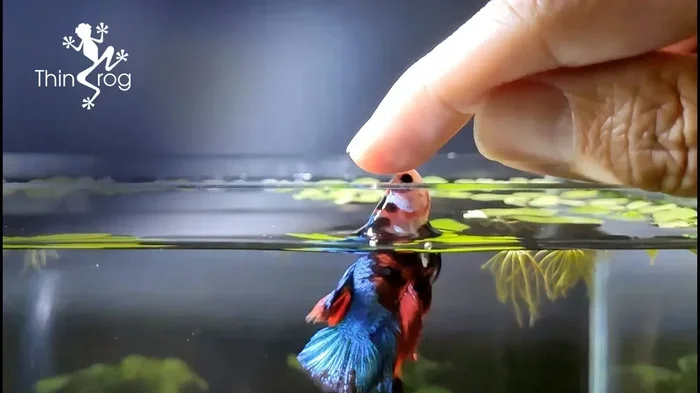
Once your fish is comfortable with your presence, introduce the target stick. Hold it near the water surface and wait for your fish to notice it. When your fish swims toward the target, immediately reward it with a small piece of food. Repeat this several times during each session.
Keep sessions short, about 3 to 5 minutes. Bettas have short attention spans, and longer sessions will frustrate both you and your fish. Multiple short sessions throughout the day work much better than one long one.
Step 3: Raise the Target Gradually
After your fish reliably follows the target at the surface, slowly raise it higher. The goal is to encourage your fish to jump slightly to reach the target. Start by raising it just a half-inch above the water line. When your fish jumps even a little, reward immediately.
This gradual approach prevents injury and builds your fish’s confidence. Never force your fish to jump higher than it is comfortable with. Each fish learns at its own pace, and pushing too hard can cause stress. If you notice signs of stress, take a break and try again later.
Step 4: Add a Verbal Cue
Once your fish consistently jumps at the target, add a verbal cue like “jump” or a click sound right before you present the target. Over time, your fish will associate the cue with the action. Eventually, you can give the cue without the target and your fish may still jump in response.
This step takes the most patience. Some fish learn cues within a week, while others take several weeks. The key is consistency. Use the same cue every time and always follow it with a reward when your fish responds correctly.
Step 5: Practice and Reinforce
Regular practice is essential for maintaining betta fish jumping skills. Continue short daily sessions even after your fish has learned the trick. This keeps the behavior strong and prevents your fish from forgetting what it learned.
Mix up the training routine occasionally to keep things interesting. Try moving the target to different positions or adding new cues. Mental stimulation keeps your fish happy and engaged, which supports overall betta fish health and well-being.
Common Mistakes to Avoid
Even with the best intentions, mistakes can happen during betta fish training. Here are the most common errors and how to avoid them:
- Training sessions that are too long: Keep it to 3 to 5 minutes max. Longer sessions lead to fatigue and frustration.
- Skipping the trust-building phase: Rushing into training without establishing trust makes everything harder.
- Using low-quality food rewards: Use your fish’s absolute favorite food to keep motivation high.
- Raising the target too quickly: Always go slow. A sudden jump in difficulty can scare your fish.
- Training when the fish is not interested: If your fish ignores the target, end the session and try again later.
- Ignoring water quality: Poor water conditions directly affect your fish’s willingness to participate in training.
Avoiding these mistakes saves you time and keeps your fish healthy and happy. Remember that betta fish training should be a positive experience for both of you. If things are not going well, take a step back and reassess the situation.
Expert Tips for Faster Results
Want to speed up your training? These expert-backed tips can help you see faster progress with training my betta fish to jump:
- Train before feeding time: A slightly hungry fish is more motivated to work for food rewards.
- Use a consistent routine: Train at the same time each day so your fish knows what to expect.
- Keep the target clean: A clean, visible target is easier for your fish to see and follow.
- Celebrate small wins: Even tiny jumps deserve praise and a food reward to build confidence.
- Stay calm and quiet: Sudden movements or loud noises can scare your fish and set back training.
These tips come from experienced fish keepers who have successfully trained their bettas. The most important thing is to enjoy the process. Training should bring joy to both you and your fish. For more enrichment ideas, check out our article on can you train a betta fish to do tricks for additional fun activities.
When to Stop Training
Knowing when to stop is just as important as knowing how to start. Watch your fish closely during every session. If you notice any of these signs, it is time to end the session immediately:
- Your fish stops responding to the target
- Your fish hides or refuses to come out
- Your fish shows rapid gill movement, indicating stress
- Your fish refuses food rewards
- Your fish appears lethargic or uninterested
Pushing through these signs can harm your fish and damage the trust you have built. Always end on a positive note, even if that means giving a small reward without asking for a jump. Your fish’s well-being always comes first in any betta fish care routine, including training.
Remember that every fish is different. Some bettas learn to jump within days, while others take weeks. There is no rush. The journey of training together is just as valuable as the result. Celebrate every small achievement and enjoy watching your smart little fish grow more confident and responsive over time.
Conclusion
Training your betta fish to jump is a rewarding experience that showcases the intelligence and personality of these amazing fish. By following the steps in this guide, you can teach your fish this impressive trick while strengthening your bond. The key ingredients are patience, consistency, and a healthy, stress-free environment.
Start with trust-building, use positive reinforcement, and progress at your fish’s pace. Avoid common mistakes, keep sessions short, and always prioritize your fish’s well-being. With time and practice, you will be amazed at what your betta fish can do. Enjoy the journey, and happy training!
Frequently Asked Questions
Can all betta fish learn to jump?
Most betta fish can learn to jump with proper training, but individual results vary. Some fish are more motivated and learn faster, while others take more time. The key is patience and using the right techniques for your specific fish.
How long does it take to train a betta fish to jump?
Training timelines vary from a few days to several weeks. Fish that are already active and responsive tend to learn faster. Consistent daily sessions of 3 to 5 minutes produce the best results for most bettas.
Is it safe for betta fish to jump out of the water?
Jumping out of the water can be risky if the tank is not covered. Always use a tight-fitting lid or mesh cover during training. This prevents your fish from accidentally jumping out and keeps it safe during practice sessions.
What is the best food to use as a training reward?
Use your betta’s absolute favorite food as a reward. Live or frozen brine shrimp and bloodworms work great because most bettas love them. You can also use small pieces of their regular pellets for convenience.
Should I train my betta fish every day?
Yes, daily short sessions work best. Aim for 3 to 5 minutes once or twice a day. Consistency is more important than duration. Multiple short sessions keep your fish engaged without causing fatigue or stress.
Can I combine jump training with other betta fish tricks?
Absolutely. Many owners successfully combine jump training with other tricks like following a target or swimming through hoops. Just make sure your fish is not overworked and always ends training sessions on a positive note.