Can I Get Two Betta Fish

Can I get two betta fish? Yes, but it depends on their gender, tank size, and setup. Two male bettas should never live together, while female bettas can sometimes coexist in groups under the right conditions. Before adding a second betta, you need the right tank, hiding spots, and a solid plan to prevent fighting and stress.
[FEATURED IMAGE_PLACEHOLDER]
Key Takeaways
- Two male bettas cannot live together: They are highly territorial and will fight, often to the death.
- Female bettas can sometimes live together: In a properly sized tank with 5+ females, they may form a sorority with a stable hierarchy.
- Male and female bettas should not be kept together long-term: They can breed, and the male may become aggressive after spawning.
- Tank size matters a lot: A single betta needs at least 5 gallons; multiple bettas need significantly more space.
- Plants and hiding spots reduce aggression: Dense decorations and line-of-sight breaks help lower stress and conflict.
- Separate tanks are the safest option: If you want two bettas with zero risk, keep them in their own individual tanks.
- Always have a backup plan: Be ready to separate bettas immediately if you see signs of aggression or stress.
📑 Table of Contents
- Can I Get Two Betta Fish? What You Really Need to Know
- Why People Want Two Betta Fish in the First Place
- Can You Have Two Betta Fish in the Same Tank?
- What Tank Size Do You Need for Two Betta Fish?
- How to Set Up a Tank If You Want Two Betta Fish
- Signs Your Two Betta Fish Are Not Getting Along
- Safer Alternatives to Keeping Two Betta Fish Together
- Where to Get Betta Fish If You Want More Than One
- Conclusion: Can I Get Two Betta Fish?
Can I Get Two Betta Fish? What You Really Need to Know
So you’re staring at those gorgeous bettas at the store and thinking, “Can I get two betta fish?” You’re not alone. Bettas are colorful, full of personality, and it’s tempting to want more than one. But unlike some peaceful community fish, bettas come with rules. If you break those rules, you can end up with injured or dead fish very quickly.
The short answer is: it depends on the gender of the bettas and how you plan to house them. Two male bettas should never live together. Two female bettas can sometimes live together, but only under specific conditions. A male and female can only be together temporarily for breeding, and even then it’s risky if you’re not prepared.
In this guide, we’ll walk through exactly what happens when you try to keep two bettas together, what setups can work, and how to avoid the most common (and heartbreaking) mistakes. By the end, you’ll know whether getting a second betta is a good idea for you and your fish.
Why People Want Two Betta Fish in the First Place
Bettas are stunning. Their flowing fins, bright colors, and curious behavior make them one of the most popular pet fish in the world. Once you’ve kept one healthy, happy betta, it’s natural to think, “Wouldn’t my tank look even better with two?”
The “More Is Better” Mindset
Many new fish keepers assume that if one fish is good, two must be better. With some species, that’s true. Tetras, rasboras, and corydoras often do best in groups. Bettas, though, are different. They’re not typical schooling fish. In the wild, they’re solitary and territorial. That instinct doesn’t disappear just because they’re in a home aquarium.
Seeing Bettas in Cups at the Store
Another reason people ask, “Can I get two betta fish?” is because they see bettas stored in small cups right next to each other at pet stores. If the store can do it, surely you can keep two in a tank at home, right? Not quite. Those cups are temporary housing. The fish are separated by solid walls, and they’re only in those cups for a short time. It’s not a safe model for long-term care.
Can You Have Two Betta Fish in the Same Tank?
This is the core question. The answer depends on gender, tank size, and setup. Let’s break it down by scenario.
Can You Have Two Male Betta Fish Together?
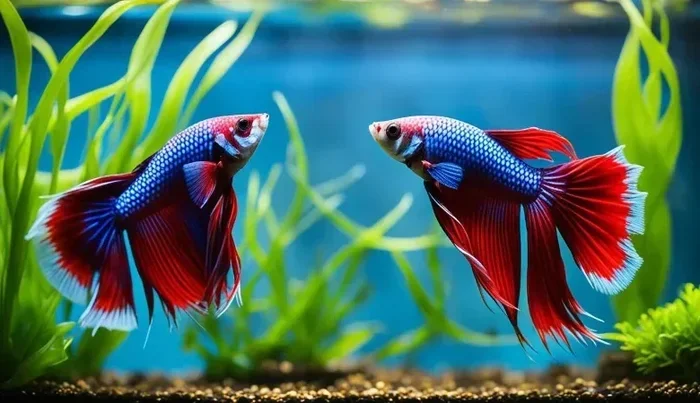
No. Two male bettas should never be kept in the same tank. Male bettas are extremely territorial. In the wild, they defend their space from other males. Put two males together in a tank, and they will usually fight. These fights can be brutal and fast. You might see torn fins, stress stripes, or even one fish killing the other.
Even if they seem calm at first, that can change overnight. A male betta may suddenly decide the other is a threat. Once that switch flips, it’s very hard to stop the aggression without separating them immediately.
If you want two male bettas, the only safe way is to keep them in two separate tanks where they can’t see or reach each other. Some people use divided tanks, but even then, you need to be careful. If the divider isn’t solid, the males may still flare and stress each other out through the gaps.
Can You Have Two Female Betta Fish Together?
This is where things get more complicated. Female bettas can sometimes live together, but it’s not as simple as just dropping two into a tank.
In general, female bettas are less aggressive than males, but they can still be territorial. Keeping just two females together often doesn’t work well. With only two, one usually becomes dominant and bullies the other nonstop. The weaker fish can become stressed, stop eating, or get injured.
That’s why many experienced keepers recommend a betta sorority: a group of 5 or more female bettas in a properly sized tank. In a larger group, aggression tends to spread out instead of focusing on one individual. There’s a hierarchy, but it’s more stable.
If you’re thinking, “Can I get two betta fish if they’re both female?” the honest answer is: it’s risky, and a sorority of 5+ is much safer.
Can You Have a Male and Female Betta Together?
You can put a male and female together briefly for breeding, but they should not live together long-term. In a breeding setup, the male builds a bubble nest, and the female releases eggs. After spawning, the male often guards the nest and can become aggressive toward the female. If she isn’t removed, he may attack or even kill her.
Outside of breeding, a male and female in the same tank usually leads to constant chasing and stress. The male may constantly display and try to court her, and she may have nowhere to escape. That’s not a healthy environment for either fish.
So if your question is, “Can I get two betta fish, one male and one female, and keep them together?” the answer is no, not as permanent tank mates.
What Tank Size Do You Need for Two Betta Fish?
Tank size is a huge factor when asking, “Can I get two betta fish?” A tiny bowl or 2-gallon tank is not enough for one betta, let alone two.
Minimum Size for One Betta
A single betta needs at least 5 gallons of water. Bigger is always better. A 5-gallon tank gives them room to swim, explore, and establish territory. It also makes it easier to maintain stable water conditions.
Minimum Size for Two Female Bettas (Sorority)
If you want to try a female sorority, you’ll need more space. A common recommendation is:
- At least 20 gallons for 5 or more female bettas
- Heavily planted with lots of hiding spots
- Solid line-of-sight breaks so fish can avoid each other
Trying to keep two females in anything smaller than 10–20 gallons usually leads to problems. There simply isn’t enough space for them to get away from each other.
Why Bowls and Small Tanks Don’t Work
Small bowls and tiny tanks make it impossible to create territories or escape routes. They also have unstable water parameters. Ammonia and nitrite can spike quickly, stressing the fish and making them more aggressive. If you’re serious about keeping more than one betta, you need a proper filtered and heated tank.
How to Set Up a Tank If You Want Two Betta Fish
If you’ve decided to try keeping two bettas together (most likely females), your setup is everything. A poor setup almost always ends in fighting and stress.
Use a Heavily Planted Tank
Live plants are your best friend in a betta sorority. They provide cover, break up sight lines, and make the environment feel more natural. Some good options are:
- Java fern
- Anubias
- Amazon swords
- Hornwort
- Floating plants like frogbit or water lettuce
The goal is to create a jungle-like environment where each female can claim her own little area and hide if needed.
Add Hiding Spots and Decorations
Use caves, driftwood, and aquarium-safe decorations to create multiple hiding spots. Avoid anything with sharp edges that could tear delicate betta fins. Each fish should have at least one place where she can retreat and feel safe.
Maintain Stable Water Conditions
Bettas are tropical fish. They need:
- Temperature: 76–82°F (24–28°C)
- pH: Around 6.5–7.5
- Ammonia and nitrite: 0 ppm at all times
- Low nitrates: under 20 ppm
Use a reliable heater and filter. Perform regular water changes to keep the water clean. Poor water quality increases stress and aggression.
Have a Backup Tank Ready
This is crucial. Even with the best setup, some bettas just don’t get along. You need a separate, cycled tank or large container ready in case you have to remove a fish quickly. Never assume everything will be fine without a backup plan.
Signs Your Two Betta Fish Are Not Getting Along
When you’re asking, “Can I get two betta fish?” you also need to know when to separate them. Watch for these warning signs:
Constant Flaring and Chasing
Some initial posturing is normal when you first introduce fish. But if one betta is constantly flaring, chasing, or nipping at the other, that’s a problem. Occasional displays are okay; nonstop harassment is not.
Torn or Clipped Fins
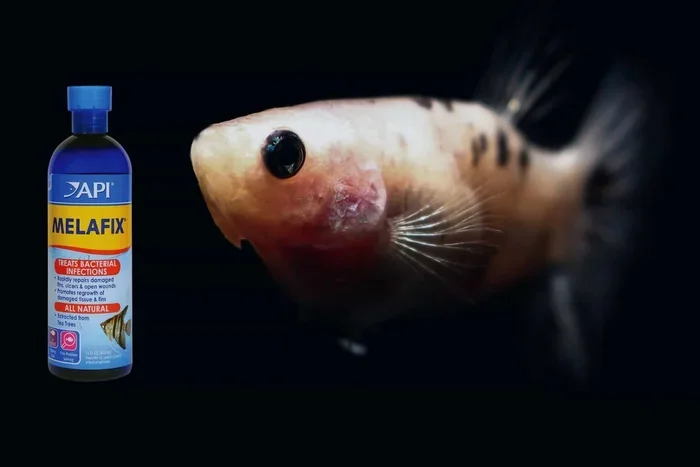
Damaged fins are a clear sign of aggression. If you see rips, tears, or chunks missing from a betta’s fins, the other fish is attacking. This can lead to infections if not addressed quickly.
Stress Stripes and Hiding
Bettas show stress with dark horizontal stripes along their body. If one betta is always hiding, pressed into a corner, or showing constant stress stripes, she’s being bullied. That’s not a healthy situation.
Loss of Appetite
A stressed betta may stop eating. If one fish is always chased away from food, she can become weak and sick. Monitor feeding time to make sure both fish are getting enough to eat.
If you see any of these signs, be ready to separate the fish immediately. It’s better to have one extra tank than a dead or injured betta.
Safer Alternatives to Keeping Two Betta Fish Together
If you love bettas but don’t want to risk aggression, there are safer ways to enjoy more than one fish in your life.
Keep Two Separate Tanks
The simplest and safest option is to give each betta its own tank. You can set up two 5-gallon tanks side by side. Each fish gets its own territory, and there’s zero risk of fighting. You still get to enjoy multiple bettas without the drama.
Use a Proper Tank Divider
If you want two bettas in one larger tank, you can use a solid, opaque divider. The divider should:
- Be completely sealed so water can’t flow freely between sides
- Block their view of each other
- Allow each side to have its own heater and filter if needed
This setup can work, but you still need to watch for signs of stress. Some bettas flare at the divider constantly, which isn’t good for their long-term health.
Add Peaceful Tank Mates Instead
If your goal is a more lively tank, you might be better off adding other species instead of another betta. Some possible tank mates for a single betta include:
- Snails (like nerite or mystery snails)
- Shrimp (like cherry shrimp, though some bettas will hunt them)
- Small, peaceful fish like ember tetras or corydoras (in a big enough tank)
Always research compatibility carefully. Not every betta will tolerate tank mates, and some are more aggressive than others.
Where to Get Betta Fish If You Want More Than One
If you’ve decided to move forward, the next question is where to actually get your fish. The source matters a lot for health and quality.
Local Fish Stores
A good local fish store can be a great place to buy bettas. You can see the fish in person, check their health, and ask staff about their care. Look for stores that keep bettas in filtered, heated tanks rather than tiny cups.
Reputable Online Sellers
You can also order bettas online from specialized breeders. This is often how people find rare colors and fin types. Just make sure the seller has good reviews and ships safely. When your fish arrive, you’ll need to acclimate them carefully to your tank.
What to Look for in a Healthy Betta
Whether you’re buying one betta or two, look for:
- Clear, bright eyes
- Smooth, undamaged fins
- Active swimming and curious behavior
li>No white spots, red streaks, or fuzzy patches
Avoid fish that are lethargic, clamped-finned, or gasping at the surface. Starting with healthy fish gives you the best chance of success.
Conclusion: Can I Get Two Betta Fish?
So, can I get two betta fish? Yes, but only if you do it the right way. Two male bettas should never live together. A male and female should not be kept together outside of careful breeding setups. Female bettas can sometimes live together, but a sorority of 5 or more in a large, heavily planted tank is much safer than just two.
If you’re not ready for a big sorority tank or multiple setups, the safest route is to give each betta its own home. You can still enjoy more than one betta by setting up separate tanks or using solid dividers. And if you want a more active community tank, consider adding peaceful tank mates to a single betta’s home instead of another betta.
At the end of the day, bettas are happiest and healthiest when their territory and comfort come first. Respect their nature, plan your setup carefully, and you’ll have beautiful, thriving fish you can enjoy for years.
Frequently Asked Questions
Can I get two betta fish and keep them in the same bowl?
No. Bowls are too small for even one betta, let alone two. They don’t provide enough space, stable water conditions, or room for proper filtration and heating. Keeping two bettas in a bowl will almost certainly lead to stress, aggression, and health problems.
Can two female betta fish live together in a 10-gallon tank?
It’s risky. A 10-gallon tank is generally too small for a stable betta sorority. If you want to try keeping multiple females together, a 20-gallon or larger tank with at least 5 females is a much safer setup.
Can I put a male and female betta together permanently?
No. A male and female should only be together temporarily for breeding. Outside of breeding, the male may constantly chase and stress the female, and she may have nowhere to hide. Long-term, this is not a safe or humane setup.
Can two male betta fish be in the same room?
Yes, as long as they can’t see each other. If two male bettas can see each other through glass, they may flare and stress each other out. Keep their tanks out of direct sight or use solid backgrounds to block their view.
Can I get two betta fish if I only have one tank?
Only if you use a solid, opaque divider and provide enough space on each side. Even then, it’s not ideal for all bettas. If you can, it’s safer and simpler to keep each betta in its own separate tank.
Can two betta fish live together if they grew up together?
Not reliably. Even siblings can become aggressive as they mature. Male bettas, in particular, will often fight regardless of how they were raised. It’s best not to rely on “they’ve always been together” as a guarantee of safety.