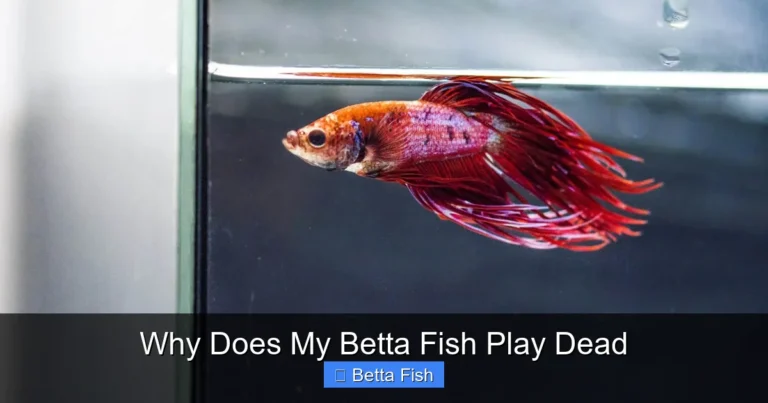
How to Tell If Betta Fish Has Fin Rot

Fin rot is one of the most common betta fish diseases, and catching it early makes all the difference. This guide shows you exactly how to tell if betta fish has fin rot by examining frayed fins, discolored edges, and behavioral changes. You will learn the stages of fin rot, what causes it, and simple steps to treat and prevent it from coming back.
Watching your betta fish lose its beautiful fins is heartbreaking. Fin rot is a bacterial or fungal infection that eats away at your fish’s tail and fins. It is extremely common in betta fish, especially in tanks with poor water conditions. The good news is that you can catch it early and reverse it if you know what to look for.
Many new fish owners panic when they see their betta’s fins looking ragged or discolored. The truth is, fin rot is treatable, especially when you act fast. This guide will walk you through exactly how to tell if betta fish has fin rot, what causes it, and what you can do right now to help your fish recover.
Let’s dive in and save those fins.
Key Takeaways
- Early detection saves fins: Catching fin rot in its first stage prevents permanent damage and speeds up recovery.
- Frayed or discolored fins are the #1 sign: Look for ragged edges, white or black tips, and redness at the fin base.
- Poor water quality is the biggest cause: Ammonia spikes and dirty tanks weaken your betta’s immune system.
- Treatment is straightforward: Water changes, aquarium salt, and medications like tetracycline work well for most cases.
- Fin rot can be confused with fin nipping: Understanding the difference helps you choose the right treatment path.
- Fins can grow back: With proper care, betta fish fins often regrow fully after fin rot clears up.
- Prevention is easier than cure: Regular tank maintenance and stress-free environments keep fin rot away.
📑 Table of Contents
What Is Fin Rot in Betta Fish?
Fin rot is a common disease caused by bacteria or fungi that attack your betta’s fins and tail. It breaks down the fin tissue, making it look frayed, rotted, or eaten away. In severe cases, the infection spreads to the fish’s body, which becomes much harder to treat.
Betta fish are especially prone to fin rot because of their long, flowing fins. The delicate tissue is an easy target for bacteria that thrive in dirty water. Understanding what fin rot looks like is the first step toward helping your fish.
What Causes Fin Rot?
Several factors can trigger fin rot in betta fish. Here are the most common causes:
- Poor water quality: High ammonia or nitrite levels weaken your betta’s immune system and create the perfect environment for bacteria.
- Overcrowded tank: Too many fish increases stress and waste, which raises the chance of infection.
- Physical injury: Nipping from other fish or sharp decorations can create open wounds that become infected.
- Cold water temperatures: Betta fish need warm water between 76°F and 82°F. Cold water slows their immune response.
- Stress from improper handling: Rough netting, sudden water changes, or loud noises can stress your fish, making it vulnerable to disease.
How to Tell If Betta Fish Has Fin Rot
This is the most important section. Knowing the signs of fin rot early gives your betta the best chance of a full recovery. Here are the key symptoms to watch for.
Frayed or Ragged Fin Edges
The earliest and most obvious sign of fin rot is frayed or ragged edges on the fins. Healthy betta fins should look smooth and flow gracefully. If you notice the edges looking shredded or uneven, that is a red flag.
Fin rot often starts at the tips of the fins and works its way inward. You might also see small pieces of fin tissue breaking off. This is different from normal fin wear because it gets worse over time instead of staying the same.
Discolored or Darkened Fin Edges
Another telltale sign is a change in color at the fin edges. Look for white, black, or brown lines or spots along the fin edges. In some cases, the entire fin tip may turn dark or black.
White edges often indicate a fungal infection, while black or brown edges usually point to a bacterial cause. Either way, discoloration means something is wrong and needs attention fast.
Redness or Inflammation at the Fin Base
If the base of your betta’s fins looks red, swollen, or inflamed, the infection may be progressing. This happens when bacteria attack the living tissue where the fin connects to the body. Redness is a serious sign that should not be ignored.
Fin Tissue Eating Away
In advanced stages of fin rot, you will see actual tissue loss. The fins may look like they are being eaten away from the inside out. The fins may shorten significantly, and the remaining tissue may look transparent or papery.
If you reach this stage, do not panic. Immediate treatment can still save your fish, but you will need to act quickly. Check out our guide on how to cure fin rot in betta fish for detailed treatment steps.
Behavioral Changes
Betta fish with fin rot often behave differently. Watch for these signs:
- Clamping the fins close to the body instead of spreading them out
- Lethargy or spending more time at the bottom of the tank
- Loss of appetite or refusing food
- Flashing or rubbing against decorations
- Increased hiding behavior
If your betta shows any combination of these behaviors along with physical fin changes, fin rot is very likely the cause.
Fin Rot vs. Fin Nipping: How to Tell the Difference
One of the most common mistakes fish owners make is confusing fin rot with fin nipping. These are very different problems and require different treatments. Here is how to tell them apart.
| Feature | Fin Rot | Fin Nipping |
|---|---|---|
| Appearance | Frayed, discolored, or eaten-away edges with possible redness | Clean, sharp bites or chunks missing from fins |
| Spread Pattern | Gets worse over time, spreads from tips inward | Stays the same or gets better if the biter is removed |
| Cause | Bacteria or fungi in poor water conditions | Other fish nipping at the fins |
| Treatment | Water changes, medication, aquarium salt | Remove the aggressor fish, improve tank layout |
| Recovery Speed | Slow, takes weeks with treatment | Fast, fins often regrow within days to weeks |
If you are unsure, check whether your tank has other fish that might be nipping at your betta’s fins. Betta fish are often targeted because of their long, flowing fins. If your tank is a peaceful solo setup, fin rot is the more likely culprit. You can also refer to how to tell if your betta fish is sick for a broader look at common health issues.
Stages of Fin Rot
Fin rot progresses through stages, and understanding them helps you determine how serious the infection is and what action to take.
Stage 1: Early Fin Rot
In the early stage, you will notice slight fraying at the fin tips. The edges may look slightly white or dark. Your betta should still be eating normally and swimming actively. This is the best time to act because treatment is simple and recovery is fast.
Stage 2: Mid-Stage Fin Rot
The fraying spreads further up the fin. Discoloration becomes more noticeable, and you may see redness at the base. Your betta might start eating less and become slightly less active. Treatment at this stage usually involves medication and water parameter adjustments.
Stage 3: Advanced Fin Rot
At this stage, large portions of the fin are gone. The base is red and inflamed, and the fish may show signs of serious illness. Advanced fin rot requires aggressive treatment, including medication and close monitoring. Check out how to fix fin rot on betta fish for step-by-step recovery instructions.
How to Treat Fin Rot in Betta Fish
Once you have confirmed your betta has fin rot, the next step is treatment. The approach depends on the severity of the infection.
Step 1: Improve Water Quality
This is the single most important thing you can do. Do a 25-50% water change immediately. Use a water conditioner to remove chlorine and chloramines from tap water. Test your water parameters and make sure ammonia and nitrite are at zero.
Dirty water is where fin rot bacteria thrive. Cleaning the tank and maintaining good water quality removes the root cause of the infection.
Step 2: Add Aquarium Salt
Aquarium salt is a gentle and effective treatment for mild to moderate fin rot. Add one teaspoon per gallon of tank water. Salt helps reduce bacteria and supports the fish’s natural healing process. Continue the salt treatment for 5-7 days, then do a water change to remove the salt.
Step 3: Use Medication if Needed
For moderate to severe cases, medication may be necessary. Antibiotics like tetracycline or medications specifically formulated for fin rot work well. You can find over-the-counter treatments at most pet stores. Follow the instructions on the package carefully.
For more information on using specific medications, check out our guide on how to use tetracycline for betta fish.
Step 4: Isolate If Necessary
If your betta is in a community tank, consider moving it to a quarantine tank during treatment. This protects the betta from further stress and prevents other fish from being exposed to medication.
Step 5: Feed a Nutritious Diet
A healthy immune system fights off infection faster. Feed your betta high-quality food like bloodworms, brine shrimp, or premium betta pellets. Avoid overfeeding, as uneaten food pollutes the water.
Can Betta Fins Grow Back After Fin Rot?
Yes, in most cases, betta fish fins can grow back after fin rot. The regrowth process depends on how severe the infection was and how quickly you started treatment.
Mild fin rot usually results in full fin regrowth within 2-4 weeks. Moderate cases may take 4-8 weeks. Severe cases where a large portion of the fin was lost may take several months, and some fish may not regrow the fins to their original size.
For more details on fin regrowth, read our article on do betta fish fins grow back after fin rot. Keeping water conditions stable and stress-free during the healing process is essential for successful regrowth.
How to Prevent Fin Rot
Prevention is always better than cure. Here are simple steps to keep your betta safe from fin rot:
- Maintain clean water: Do regular water changes of 20-30% every week. Test water parameters frequently.
- Keep the tank at the right temperature: Maintain water between 76°F and 82°F using a reliable heater.
- Avoid overcrowding: Keep your betta in a tank of at least 5 gallons, ideally alone or with peaceful tank mates.
- Remove sharp decorations: Rough or sharp objects can injure fins and create entry points for bacteria.
- Quarantine new fish: Always quarantine new additions for at least 2 weeks before introducing them to your betta’s tank.
- Feed appropriately: Offer small amounts of food 1-2 times a day and remove any uneaten food promptly.
- Use a filter: A gentle filter keeps water clean without creating strong currents that stress your betta.
Taking these simple precautions dramatically reduces the risk of fin rot and keeps your betta healthy and happy. For more betta care tips, visit our guide on treating a stressed betta fish to learn about other common health concerns.
When to See a Vet
Most cases of fin rot can be treated at home. However, there are times when you should seek professional help. If your betta’s condition does not improve after 7-10 days of treatment, the infection may be resistant to over-the-counter medication. If the fin rot has spread to the body, you may see white or fuzzy patches on the fish itself, not just the fins. This indicates a more serious systemic infection that needs professional attention. A fish veterinarian can prescribe stronger antibiotics or antifungal treatments that are not available over the counter.
Common Mistakes to Avoid
Many fish owners make mistakes that slow down recovery or make fin rot worse. Here are the most common ones:
- Ignoring the problem: Waiting too long to treat fin rot allows the infection to spread and become harder to reverse.
- Overmedicating: Using too much medication can harm your betta’s organs and disrupt the tank’s biological balance.
- Skipping water changes: Medication alone will not work if the water quality remains poor. Water changes are essential.
- Using the wrong salt: Only use aquarium salt, not table salt or sea salt, which contain additives harmful to fish.
- Keeping the water too cold: Cold water slows healing and weakens the immune system. Always maintain proper temperature.
Final Thoughts
Learning how to tell if betta fish has fin rot is one of the most valuable skills any betta owner can develop. The earlier you spot the signs, the easier and faster the treatment will be. Remember to watch for frayed edges, discolored tips, redness at the base, and behavioral changes in your fish.
Fin rot is caused primarily by poor water conditions, so keeping your tank clean is your best defense. Treatment involves water changes, aquarium salt, and medication for moderate to severe cases. With prompt action, most betta fish recover fully and their fins even grow back.
Stay proactive with your betta’s care, keep an eye on those beautiful fins, and your fish will thrive for years to come. You have the knowledge now to catch fin rot early and give your betta the best chance at a full recovery.
Frequently Asked Questions
What does early fin rot look like on a betta fish?
Early fin rot looks like slightly frayed or ragged edges on the fins. You may notice white, black, or brown discoloration at the fin tips. The fins may look slightly uneven compared to their normal smooth appearance. Your betta will likely still behave normally at this stage, which is why regular observation is so important for early detection.
Can fin rot kill a betta fish?
Yes, if left untreated, fin rot can become fatal. In advanced stages, the infection spreads from the fins to the body, causing systemic illness. At that point, the fish’s immune system becomes overwhelmed, and survival becomes unlikely. This is why early detection and prompt treatment are absolutely critical for your betta’s survival.
How long does it take for fin rot to go away?
Mild fin rot usually clears up within 1-2 weeks with proper treatment. Moderate cases may take 3-4 weeks, and severe cases can take 2 months or longer. Recovery time depends on how quickly you started treatment, the severity of the infection, and the overall health of your betta fish.
Is fin rot contagious to other fish?
Fin rot is caused by bacteria that are naturally present in most aquariums. It is not highly contagious in the same way as diseases like ich. However, fish with weakened immune systems in the same tank are more vulnerable to developing fin rot if water conditions are poor. Maintaining clean water protects all fish in the tank.
Can I use aquarium salt and medication together?
Yes, aquarium salt and medication can often be used together for treating fin rot. Salt helps create a hostile environment for bacteria while supporting the fish’s healing. However, always check the medication instructions to make sure it is compatible with salt. Some medications lose effectiveness when salt is present in the water.
Does fin rot hurt my betta fish?
Yes, fin rot can cause discomfort and pain for your betta fish. The infection eats away at living tissue, which is sensitive and painful. You may notice your betta rubbing against objects or clamping its fins, which are signs of distress. Prompt treatment not only stops the infection but also relieves your fish’s pain and discomfort.