How Many Genus of Betta Fish Are There
There is only one genus of betta fish: the Betta genus. This genus contains over 70 recognized species, each with unique colors, fin shapes, and behaviors. Understanding betta fish taxonomy helps fishkeepers appreciate the incredible diversity within this single genus.
Have you ever wondered how many genus of betta fish are there? It is a simple question with a fascinating answer. The truth is that all betta fish belong to just one genus: Betta. But within that single genus, there is an amazing world of diversity waiting to be explored.
If you love betta fish, understanding their classification helps you become a better fishkeeper. It also opens your eyes to the wild relatives of the beautiful fish swimming in your tank. In this guide, we will dive deep into betta fish taxonomy, species count, and what makes each type unique.
The Betta genus is part of a larger family called Osphronemidae. This family includes other gouramis that share similar traits with bettas. Knowing where bettas sit in the fish family tree gives you a better picture of their needs and behaviors. Let us explore everything you need to know about how many genus of betta fish there are.
Key Takeaways
- One Genus Only: All betta fish belong to a single genus called Betta.
- Over 70 Species: The Betta genus includes more than 70 recognized species found across Southeast Asia.
- Part of the Gourami Family: Betta fish are members of the Osphronemidae family, making them cousins to other gouramis.
- Wild vs. Captive Varieties: Wild betta species look very different from the colorful breeds seen in pet stores.
- Proper Classification Matters: Knowing betta fish taxonomy helps with care, breeding, and choosing compatible tank mates.
- Ongoing Discovery: Scientists continue to find new betta species, so the total count may grow over time.
📑 Table of Contents
- What Is a Genus? Understanding Fish Classification
- How Many Genus of Betta Fish Are There?
- The Betta Genus: A Closer Look at the Species
- Are Betta Fish a Type of Carp or Gourami?
- Why Only One Genus? The Evolutionary Story
- How to Care for Different Betta Species
- Common Mistakes People Make About Betta Classification
- Key Takeaways
- Conclusion
What Is a Genus? Understanding Fish Classification
Before we answer the main question, let us break down what a genus actually is. In biology, a genus is a group of closely related species. Think of it like a family. Just as you belong to a family, a fish species belongs to a genus.
Here is a simple breakdown of fish classification:
- Kingdom: Animalia (all animals)
- Phylum: Chordata (animals with a backbone)
- Class: Actinopterygii (ray-finned fish)
- Order: Anabantiformes (fish with a special breathing organ)
- Family: Osphronemidae (the gourami family)
- Genus: Betta (the betta group)
- Species: Betta splendens, Betta imbellis, and many more
So when we ask how many genus of betta fish exist, the answer is one. All bettas fall under the single genus Betta. However, the number of species within that genus is where things get really interesting.
Why Classification Matters for Fishkeepers
Understanding betta fish classification is not just for scientists. It helps you make better decisions about tank setup, feeding, and choosing tank mates. For example, knowing that bettas are members of the gourami family explains why they share certain traits with other gouramis, like their labyrinth organ that lets them breathe air.
Classification also helps you avoid confusion. Many people call every colorful betta a “Betta splendens,” but there are dozens of other species. Each species has its own care requirements and temperament. The more you know about betta fish taxonomy, the better you can care for your fish.
How Many Genus of Betta Fish Are There?
The direct answer is one genus. All betta fish, from the common pet store variety to the most exotic wild-caught species, belong to the genus Betta. This genus was first described by a scientist named Charles Tate Regan in 1910.
But here is where it gets exciting. Within that single genus, researchers have identified over 70 different species. New species are still being discovered today. So while the number of genus stays at one, the number of species keeps growing.
Some people confuse genus with species or breed. A breed is a type created by humans through selective breeding. A species is a naturally occurring group of fish that can interbreed in the wild. The genus Betta contains both wild species and the fancy breeds we keep as pets.
Wild Betta Species vs. Domestic Breeds
Wild betta fish look very different from the colorful fish in pet stores. Wild species tend to have duller colors and shorter fins. They evolved these traits to blend in with their natural habitats in rice paddies, streams, and swamps across Southeast Asia.
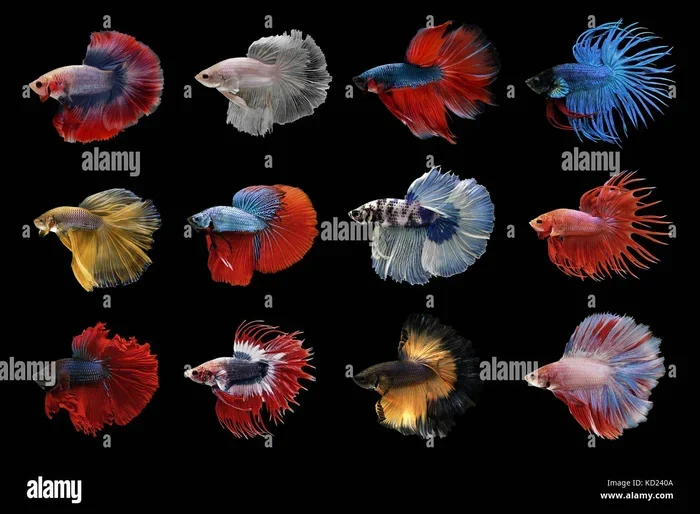
Domestic breeds like the crown tail, halfmoon, and plakat betta were developed through selective breeding over many generations. These breeds showcase brilliant colors and elaborate fin shapes. Despite their differences, all of them belong to the same genus.
Many hobbyists are now interested in keeping wild betta species. These fish offer a glimpse into the natural diversity of the Betta genus. If you are curious about the different kinds, check out this guide on the different kinds of betta fish.
The Betta Genus: A Closer Look at the Species
Now that we know there is only one genus, let us look at some of the most notable species within the Betta genus. Each species has its own unique characteristics, habitat, and care needs.
Betta Splendens
Betta splendens is the most famous species. This is the fish most people think of when they hear the word “betta.” Native to Thailand, Cambodia, and Vietnam, Betta splendens is known for its long flowing fins and vibrant colors. It is the species most commonly bred for the aquarium trade.
Wild Betta splendens are much less colorful than their domestic counterparts. In the wild, they have shorter fins and more subdued hues. Selective breeding over decades has produced the stunning varieties we see in stores today.
Betta Imbellis
Betta imbellis is another popular species among hobbyists. Often called the “peaceful betta,” this species is known for being less aggressive than Betta splendens. It has a more streamlined body and shorter fins. Male Betta imbellis display beautiful blue and green colors during courtship.
This species is a great option for community tanks. Because of its calmer nature, it can sometimes coexist with other fish. If you are interested in keeping multiple fish with a betta, learn more about fish that can go with a betta.
Betta Macrostoma
Betta macrostoma is a striking species from Borneo. It is known for its large mouth and bold orange and black coloring. Unlike many bettas, this species is a mouth-brooder, meaning the male carries eggs in his mouth until they hatch.
Betta macrostoma is less common in the aquarium hobby but highly sought after by experienced keepers. It requires specific water conditions and a well-planned tank setup.
Other Notable Species
The Betta genus includes many other fascinating species. Here are a few worth mentioning:
- Betta taeniata: A striking species with horizontal stripes and a relatively peaceful temperament.
- Betta albimarginata: A small species from Borneo with unique white-edged fins.
- Betta smaragdina: Known for its green iridescent scales and native to Thailand.
- Betta waseri: A rare species that is rarely seen in the aquarium trade.
- Betta pugnax: One of the oldest described betta species, found across Southeast Asia.
Each of these species belongs to the same single genus. Their diversity shows how adaptable and evolutionary successful the Betta genus has been.
Are Betta Fish a Type of Carp or Gourami?
This is a common question that comes up when people learn about betta fish taxonomy. The answer depends on how you look at it. Betta fish are not carp. They are also not true gouramis, but they are close relatives.
Betta fish belong to the order Anabantiformes, which includes gouramis. Some older classification systems grouped bettas more closely with carp, but modern genetics has clarified their true place. They are part of the Osphronemidae family, which is the gourami family.
Here is a quick comparison of how bettas relate to other fish groups:
Betta Fish vs. Carp
Carp belong to the family Cyprinidae. They are a completely different group of fish. Carp do not have the labyrinth organ that bettas use to breathe air. Bettas also have a very different body shape, fin structure, and behavior compared to carp. So no, betta fish are not a type of carp.
Betta Fish vs. Gouramis
Gouramis and bettas share a common ancestor. Both groups belong to the Anabantiformes order. Both have a labyrinth organ, which is a special lung-like structure that allows them to breathe atmospheric air. This is why bettas can survive in low-oxygen water conditions.
However, bettas and gouramis are in different families. Gouramis are in the Osphronemidae family alongside bettas, but they are separate groups within that family. So bettas are closely related to gouramis, but they are not gouramis themselves.
Why Only One Genus? The Evolutionary Story
You might wonder why all betta fish are in just one genus. The answer lies in their evolutionary history. All betta species share a common ancestor that lived millions of years ago in the warm, shallow waters of Southeast Asia.
Over time, these ancestors spread across different regions. They adapted to various habitats, from slow-moving rice paddies to fast-flowing streams. As they adapted, they evolved into different species. But they never diverged enough to form a new genus.
All Betta species share key traits that define the genus:
- A labyrinth organ for breathing air
- A compressed body shape
- Pointed anal and dorsal fins in males
- Distinctive color patterns and fin extensions
- A similar reproductive behavior, especially bubble-nesting
These shared traits keep all betta species grouped together in a single genus. Scientists continue to study betta fish diversity to understand how and why this group evolved the way it did.
The Role of Habitat in Betta Diversity
The wide range of habitats across Southeast Asia has driven betta species diversity. Some bettas live in shallow puddles that dry up during the dry season. Others inhabit deep, slow-moving rivers. Each environment shaped the species differently.
For example, bettas in shallow waters tend to have more vivid colors. Bright colors help them communicate with mates in clear, sunlit water. Bettas in murky or deeper waters may be duller and rely more on behavior than appearance.
This habitat-driven diversity is one of the reasons the Betta genus is so fascinating. Each species tells a story of adaptation and survival.
How to Care for Different Betta Species
While all bettas belong to the same genus, different species may have slightly different care needs. The good news is that the basics remain the same for most betta fish. Here are some general guidelines that apply across the Betta genus.
Tank Size and Setup
Every betta fish needs a properly sized tank. A minimum of 5 gallons is recommended for a single betta. Larger tanks are always better. A bigger tank provides more stable water parameters and gives your fish room to swim.
Include plants, hiding spots, and gentle filtration. Bettas prefer calm water, so avoid strong filter outflows. A sponge filter is a great choice for betta tanks. Learn more about proper betta fish care in our complete care guide.
Water Parameters
Bettas thrive in warm water between 76 and 82 degrees Fahrenheit. The pH should be between 6.5 and 7.5. Regular water changes are essential. Aim to change 25 to 30 percent of the water every week. Clean water keeps your betta healthy and happy.
Feeding Different Species
Most betta species are carnivorous. They do best on a diet of high-quality betta pellets, frozen or live foods like brine shrimp and bloodworms. Feed small amounts twice a day. Avoid overfeeding, as it can lead to health problems and poor water quality.
Wild species may need a more varied diet than domestic breeds. Offering live foods occasionally mimics their natural feeding habits and brings out their best colors.
Common Mistakes People Make About Betta Classification
Many fishkeepers make mistakes when it comes to understanding betta fish taxonomy. Here are some common errors to avoid.
Confusing Genus with Species
Remember that genus and species are different levels of classification. All bettas are in the genus Betta, but they belong to many different species. Betta splendens is just one of over 70 species.
Thinking All Colorful Fish Are Betta Splendens
Just because a fish looks like a betta does not mean it is Betta splendens. Other genera in the Osphronemidae family can look similar. Always check the scientific name to be sure.
Assuming All Betta Species Are Aggressive
Betta splendens males are famously aggressive. But not all betta species share this trait. Betta imbellis, for example, is much calmer. Understanding the species helps you make better choices about tank mates and care.
Overlooking Wild Species
Many hobbyists only know domestic betta breeds. The wild species in the Betta genus are equally fascinating and often hardier. Exploring wild bettas can deepen your appreciation for the genus as a whole.
Key Takeaways
- One Genus Only: All betta fish belong to a single genus called Betta.
- Over 70 Species: The Betta genus includes more than 70 recognized species found across Southeast Asia.
- Part of the Gourami Family: Betta fish are members of the Osphronemidae family, making them cousins to other gouramis.
- Wild vs. Captive Varieties: Wild betta species look very different from the colorful breeds seen in pet stores.
- Proper Classification Matters: Knowing betta fish taxonomy helps with care, breeding, and choosing compatible tank mates.
- Ongoing Discovery: Scientists continue to find new betta species, so the total count may grow over time.
Conclusion
The answer to how many genus of betta fish are there is beautifully simple: just one. The genus Betta contains everything from the common pet store betta to rare wild species found in remote swamps. This single genus holds over 70 species, each with its own story of adaptation and beauty.
Understanding betta fish classification enriches your experience as a fishkeeper. It helps you appreciate the diversity within this remarkable group. Whether you keep a classic Betta splendens or a wild-caught Betta imbellis, you are caring for a member of one of the most fascinating genera in the fish world.
Take what you have learned and apply it to your tank. Choose the right setup, feed a proper diet, and continue learning about the species in your care. The more you know about the Betta genus, the better equipped you are to give your fish a happy, healthy home.
Frequently Asked Questions
Is there more than one genus of betta fish?
No, there is only one genus: Betta. All betta fish, whether wild or domestic, belong to this single genus. The diversity comes from the many species within the genus, not from multiple genera.
How many species are in the Betta genus?
Scientists have identified over 70 species in the Betta genus. New species are still being discovered, so the number may increase in the future. Each species has unique traits and habitat preferences.
Are betta fish the same as gouramis?
Betta fish are closely related to gouramis but are not the same. Both belong to the order Anabantiformes and share the labyrinth organ. However, bettas are in their own genus within the Osphronemidae family.
Can different betta species live together?
It depends on the species. Some betta species are more peaceful than others. Betta imbellis, for example, is known for being calmer. However, mixing different betta species is generally not recommended unless you have a very large, well-planned tank.
Why do bettas have so many different colors and fin types?
The variety in colors and fins comes from selective breeding over many generations. Wild bettas are much duller in color. Breeders have selected for bright colors and elaborate fins to create the domestic varieties we see today.
Where can I learn more about different betta fish types?
You can explore the different kinds of betta fish in our detailed guide. Understanding the types of betta fish available helps you choose the right one for your tank and skill level.