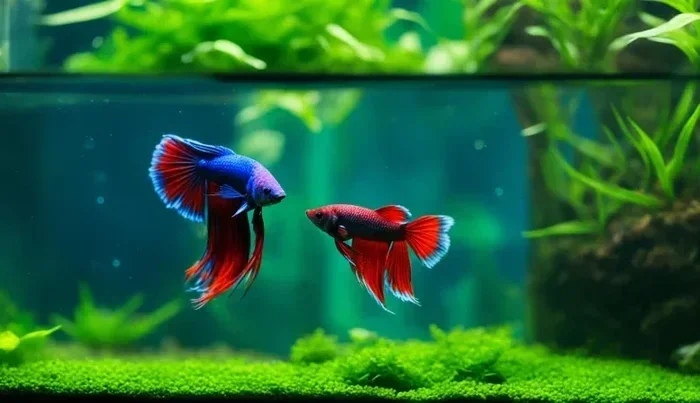
How to Train My Betta Fish to Fight

Training your betta fish to fight is a topic that sparks curiosity among many fish keepers. This guide covers everything you need to know about betta fish training, including safe practices, natural instincts, and responsible ownership. You will learn step-by-step methods, common mistakes to avoid, and how to keep your fish healthy throughout the process.
Key Takeaways
- Betta fish have natural fighting instincts that can be observed and managed with proper care and setup.
- Never force two bettas to fight in the same tank, as this can lead to serious injury or death.
- Training involves observation and controlled exposure to stimuli that trigger natural behaviors.
- Tank setup and water quality play a huge role in your betta’s mood and aggression levels.
- Responsible ownership means prioritizing fish health over entertainment or competition.
- Understanding betta behavior helps you respond to signs of stress, illness, or overstimulation.
- Always consult a vet or expert if you notice signs of sickness or extreme aggression in your fish.
📑 Table of Contents
- How to Train My Betta Fish to Fight
- Understanding Betta Fish Fighting Instincts
- Can You Train a Betta Fish to Fight?
- Safe Methods for Training Your Betta Fish
- The Role of Tank Setup in Fighting Behavior
- How to Care for a Fighting Betta Fish
- Common Mistakes to Avoid When Training Your Betta
- Expert Insights on Betta Fish Training
- Conclusion
How to Train My Betta Fish to Fight
Betta fish are beautiful, colorful creatures that have fascinated people for centuries. Many owners wonder about betta fish training and what it really involves. If you have been searching for ways to train my betta fish to fight, you are not alone. This topic raises many questions about fish behavior, responsibility, and care.
The truth is, betta fish have strong natural instincts. They are territorial and can be aggressive toward other males. Understanding these instincts is the first step in betta fish training. This guide will walk you through everything you need to know in a clear and practical way.
We will cover the history behind betta fighting, safe training methods, tank setup, and how to keep your fish healthy. By the end, you will have a solid understanding of how to train my betta fish to fight the right way. Let us dive in.
Understanding Betta Fish Fighting Instincts
Betta fish are also known as Siamese fighting fish. They got this name for a reason. In Southeast Asia, people have observed bettas fighting for hundreds of years. This behavior is deeply rooted in their DNA.
Why Do Betta Fish Fight?
Male betta fish are naturally territorial. They defend their space from other males. This is not just about being mean. It is about survival and reproduction. In the wild, males compete for territory and mates.
Here are some key reasons bettas display fighting behavior:
- Territorial instincts – They want to protect their space.
- Mating competition – Males compete for the attention of females.
- Stress and overcrowding – Small tanks can trigger aggression.
- Bright colors – Other colorful fish may be seen as rivals.
- Mirror reflections – Bettas may flare at their own reflection.
Knowing why your betta fights helps you manage betta fish aggression better. It also helps you train more effectively.
The History of Betta Fish Fighting
Betta fish fighting has a long history in Thailand and Cambodia. People used to hold organized fights with these fish. Over time, selective breeding made bettas more aggressive. Today, many countries have banned betta fighting because of animal welfare concerns.
If you want to train my betta fish to fight, it is important to understand this history. Modern fish keeping focuses on health and well-being. The goal is not to harm your fish but to understand their natural behaviors.
Can You Train a Betta Fish to Fight?
This is one of the most common questions new betta owners ask. The short answer is yes, but with important caveats. Betta fish training is not about making your fish violent. It is about understanding and working with their natural instincts.
If you are curious about the possibilities, you can learn more about can you train a betta fish to fight on our site. That article goes deeper into the training potential of bettas.
What Does Training Really Mean?
Training a betta fish to fight means different things to different people. For some, it means observing natural flaring behavior. For others, it means preparing a betta for a controlled display.
Here are realistic goals for betta fish training:
- Encouraging your betta to flare on command.
- Observing natural territorial behavior safely.
- Understanding your fish’s mood and body language.
- Creating a stimulating environment that encourages natural instincts.
Remember, how to train my betta fish to fight should always focus on the well-being of your fish. Never push your betta beyond its limits.
Can I Train My Betta Fish? A Deeper Look
Many owners ask, can I train my betta fish to do more than just eat and swim? The answer is yes. Bettas are smarter than people think. They can recognize their owners and respond to stimuli.
If you want to explore broader training options, check out our article on can I train my betta fish for more ideas beyond fighting behavior.
Training works best when you build trust with your fish. Spend time near the tank. Talk softly. Offer food by hand when possible. These small steps create a foundation for any training you want to do.
Safe Methods for Training Your Betta Fish
Now that you understand the instincts and possibilities, let us look at practical methods. How to train my betta fish to fight safely requires patience and consistency.
Method 1: Mirror Training
Mirror training is one of the most common methods. Hold a small mirror near the tank for a few minutes. Your betta will see its reflection and start to flare. This mimics a rival fish.
Here are some tips for mirror training:
- Keep mirror sessions short (5 to 10 minutes).
- Do not use a mirror every day. Limit it to 2 or 3 times per week.
- Watch for signs of exhaustion or stress.
- Remove the mirror immediately if your fish looks tired.
- Always follow up with a calm, peaceful environment.
Mirror training can help you observe natural fighting behavior without putting any fish at risk. It is safe, easy, and very effective for understanding your betta.
Method 2: Visual Stimuli
You can use other visual cues to trigger flaring. Bright-colored objects near the tank can work. Some owners use red dots or small colorful toys.
The key is to introduce stimuli slowly. Watch how your betta reacts. Some fish flare right away. Others need more time to adjust. Be patient and never force the interaction.
Method 3: Controlled Tank Viewing
If you have two separate tanks, you can place them side by side. Your betta can see another male through the glass. This often triggers flaring and display behavior.
Make sure the tanks are not too close. You do not want your fish to bump into the glass or become overly stressed. This method lets you observe natural betta fish behavior in a safe and controlled way.
The Role of Tank Setup in Fighting Behavior
Your tank setup plays a huge role in your betta’s behavior. A well-designed tank can reduce unwanted aggression. It can also encourage natural instincts in a healthy way.
Tank Size and Layout
Betta fish need enough space to feel secure. A tank that is too small can cause stress and increase fighting behavior. Aim for at least 5 gallons for a single betta.
Here are some setup tips:
- Add plants and hiding spots to break up lines of sight.
- Use a gentle filter to keep water clean without strong currents.
- Keep the water temperature between 76 and 82 degrees Fahrenheit.
- Avoid bright, harsh lighting that can stress your fish.
A good setup supports betta fish care and helps manage aggression naturally.
Water Quality and Its Impact
Dirty water makes bettas irritable. Poor water quality can trigger unnecessary fighting behavior. Keep your tank clean and maintain proper parameters.
Test the water regularly. Check ammonia, nitrite, and nitrate levels. Perform partial water changes every week. Clean water equals a calmer, healthier betta.
If you want to learn more about maintaining water quality, you can read our guide on how to take care of a betta fish water for detailed tips.
How to Care for a Fighting Betta Fish
Training and observing fighting behavior takes a toll on your fish if you are not careful. Proper care is essential. A healthy betta is a calm betta.
Signs of Stress to Watch For
Watch your fish closely during and after training sessions. Signs of stress include:
- Clamped fins close to the body.
- Loss of color or fading scales.
- Refusing to eat.
- Hiding at the bottom of the tank.
- Rapid or labored breathing.
- Flaring constantly without a clear trigger.
If you notice any of these signs, stop training immediately. Give your fish time to recover in a peaceful environment.
When to See a Vet
Sometimes aggression is not about training. It can be a sign of illness. If your betta suddenly becomes very aggressive or very lethargic, it may be sick.
You can learn more about identifying health issues in our article on how to tell if my betta fish is sick. Early detection makes a big difference.
If you ever need professional advice, consider visiting a vet. Some owners also ask about taking their fish to stores like Petco. You can read more about that in our guide on can I take my betta fish to the vet Petco.
Male Betta Fish Care Essentials
Male bettas require special attention. They are the ones that display the strongest fighting instincts. Proper care for a male betta includes:
- Keeping him alone in his tank (no tank mates).
- Feeding high-quality betta pellets or live food.
- Maintaining stable water temperature.
- Providing enrichment like plants and gentle decorations.
- Handling training sessions with care and respect.
For more detailed guidance on male betta care, visit our article on how to take care of a betta male fish.
Common Mistakes to Avoid When Training Your Betta
Many new owners make mistakes when they start betta fish training. Avoiding these pitfalls will keep your fish safe and healthy.
Mistake 1: Overdoing Mirror Sessions
Too much mirror time exhausts your betta. Flaring is a natural stress response. When you overdo it, your fish can become weak and sick. Keep sessions short and infrequent.
Mistake 2: Ignoring Tank Mates
Never place two male bettas in the same tank. They will fight, and one or both can get seriously injured. Even female bettas can be territorial. Always research tank compatibility before adding new fish.
Mistake 3: Skipping Water Changes
Dirty water causes stress. Stressed fish are more aggressive and more prone to illness. Do not skip your weekly water changes. Your betta will thank you for it.
Mistake 4: Training a Sick Fish
If your betta is not feeling well, do not train it. Illness weakens the immune system. Training adds stress. Let your fish recover fully before resuming any sessions.
Expert Insights on Betta Fish Training
Experienced fish keepers agree on a few key principles. First, always put the fish’s health first. Second, observe and learn your individual betta’s personality. Some bettas are naturally more aggressive than others.
Third, consistency matters. Regular but short training sessions work best. Fourth, never use training to harm or exhaust your fish. The goal is understanding, not entertainment at the fish’s expense.
Finally, remember that every betta is different. What works for one fish may not work for another. Pay attention to your betta’s reactions and adjust your approach accordingly.
Conclusion
How to train my betta fish to fight is a topic that requires responsibility and care. You have learned about the natural instincts behind betta fighting, safe training methods, tank setup, and proper care. The most important takeaway is that your fish’s health always comes first.
Use mirror training, visual stimuli, and controlled viewing to observe natural behavior. Avoid common mistakes like overtraining and poor water quality. Keep your tank clean, your betta well-fed, and your training sessions short.
Whether you are a beginner or an experienced owner, understanding betta fish training deepens your bond with your fish. Apply what you have learned here and enjoy watching your betta’s natural behaviors in a safe and responsible way.
Your betta fish is a living creature that deserves respect and proper care. Train with kindness, observe with patience, and always put your fish first.
Frequently Asked Questions
Is it safe to train my betta fish to fight?
Yes, as long as you use safe methods like mirror training and controlled viewing. Never put two male bettas in the same tank. Always watch for signs of stress and keep sessions short.
How often should I train my betta fish?
Limit training to 2 or 3 times per week. Each session should last no more than 5 to 10 minutes. This prevents exhaustion and keeps your fish healthy.
Can betta fish get hurt from fighting?
Yes, betta fish can get serious injuries from fighting. Torn fins, wounds, and extreme stress are common outcomes. This is why controlled training methods are so important.
Why does my betta flare at its reflection?
Betta fish see their reflection as a rival male. Flaring is a natural defense response. It is normal behavior, but too much flaring can exhaust your fish.
What should I do if my betta stops eating after training?
Stop training and give your fish a few days of rest. If your betta still refuses to eat after 2 to 3 days, check for signs of illness and consider consulting a vet.
Can I train my betta fish to do tricks instead of fighting?
Yes, many owners prefer to train their bettas to do tricks like following a finger or jumping for food. This is a great alternative that provides mental stimulation without any aggression.