Can a Betta Fish Live in a Plastic Tank
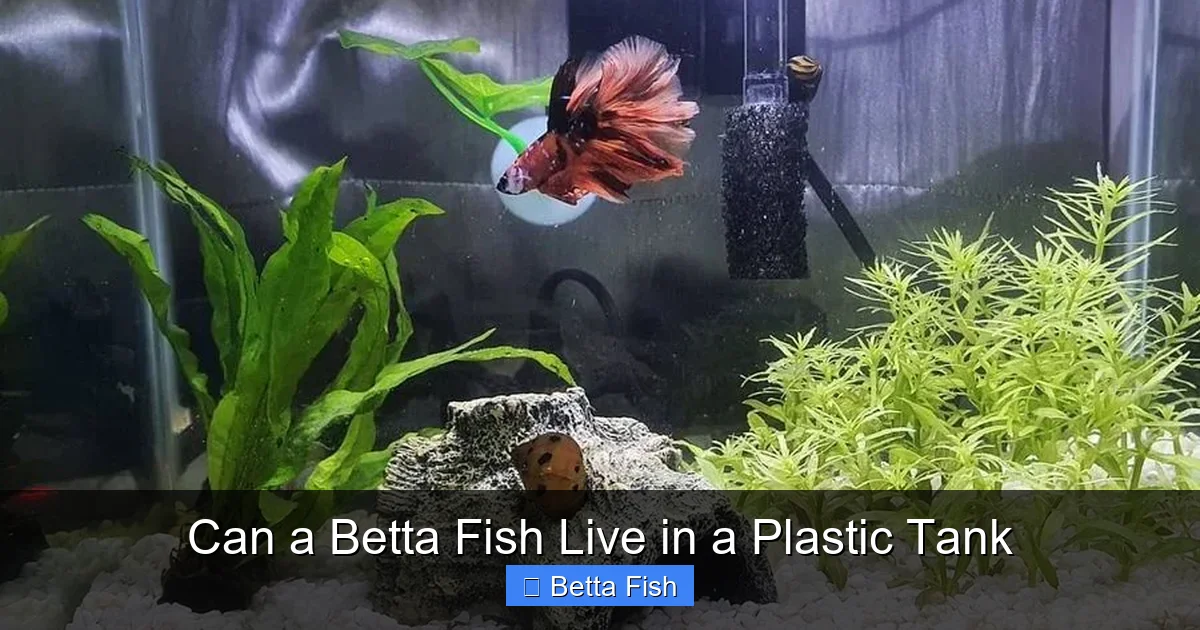
Betta fish can survive in a plastic tank — but only if you give them proper space, filtration, and temperature control. Choosing the right size, material, and accessories will keep your finned friend vibrant and stress‑free.
Key Takeaways
- Size matters: A minimum of 5 gallons (≈19 L) is recommended even for a plastic tank.
- Material safety: Food‑grade, BPA‑free plastics are essential to avoid toxins.
- Temperature control: Betta fish need stable warmth (76‑82 °F / 24‑28 °C); a heater is a must.
- Filtration or water changes: Without a filter, change 25‑30 % of water daily to keep ammonia low.
- Decoration and cover: Live plants, smooth driftwood, and a lid prevent jumps and stress.
- Compatibility: A single male betta is best alone; adding compatible tank mates requires careful planning.
- Long‑term health: Regular monitoring of water parameters keeps your betta thriving for years.
📑 Table of Contents
- Introduction: Why the Plastic Tank Question Pops Up
- 1. Understanding Betta Biology and What They Really Need
- 2. Choosing the Right Plastic Tank
- 3. Setting Up the Plastic Tank for Success
- 4. Maintaining Water Quality in a Plastic Tank
- 5. Feeding and Health Care Tips for a Plastic‑Tank Betta
- 6. Compatibility: Can Other Fish Share a Plastic Betta Tank?
- Conclusion: The Bottom Line on Plastic Tanks
Introduction: Why the Plastic Tank Question Pops Up
When you first fall in love with a betta, the bright colors and flowing fins make you want to bring the fish home right away. Many new owners reach for the cheapest container they have on hand—a clear plastic storage bin, a repurposed soda bottle, or a cheap acrylic “mini‑tank.” The idea sounds simple: “If a betta can live in a bowl, why not a plastic tank?”
The answer isn’t a flat “yes” or “no.” Betta fish are hardy, but they also have very specific needs. A plastic tank can be a perfectly fine home if you understand those needs and set up the tank correctly. In this guide we’ll walk through everything you need to know—from choosing the right plastic, to sizing, heating, filtration, décor, and even which tank mates (if any) might share the space.
1. Understanding Betta Biology and What They Really Need
1.1 Natural Habitat and Adaptations
Betta splendens come from shallow, warm rice paddies and slow‑moving streams in Southeast Asia. Those waters are warm (76‑82 °F / 24‑28 °C), low in oxygen, and often littered with floating plants and leaf litter. In the wild, bettas have a “labyrinth” organ that lets them gulp air from the surface, which is why they can survive in low‑oxygen environments.
1.2 Why Size and Water Quality Still Matter
Even though they can breathe air, bettas still need clean, stable water. Poor water quality leads to stress, fin rot, and fungal infections. A plastic tank that’s too small will heat up quickly, become a chemical nightmare, and give the fish nowhere to swim.
2. Choosing the Right Plastic Tank
2.1 Material Safety: Food‑Grade and BPA‑Free
Not all plastics are created equal. Some cheap containers release harmful chemicals over time. Look for tanks labeled “food‑grade,” “BPA‑free,” or “PETE‑approved.” These plastics are designed to hold consumables and are less likely to leach toxins into the water.
2.2 Thickness and Durability
Thin, flimsy containers can crack under the weight of water or the pressure of a heater. A wall thickness of at least 2 mm (≈ 0.08 in) is a good rule of thumb. Acrylic is lighter than glass and less likely to shatter, but it scratches easily—so handle it with care.
2.3 Size Recommendations
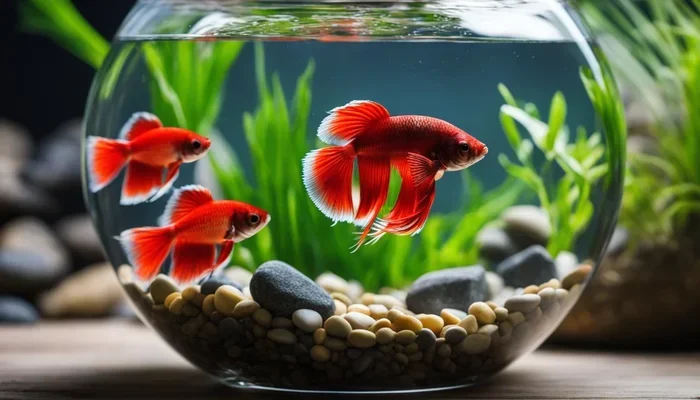
The most common myth is that a betta can live forever in a 1‑gallon bowl. In reality, a 5‑gallon (≈ 19 L) plastic tank is the minimum for a healthy adult. Bigger is always better; a 10‑gallon tank gives more stable temperature and water parameters, and it opens the door for compatible tank mates if you ever want them.
3. Setting Up the Plastic Tank for Success
3.1 Adding a Heater
Betta fish are tropical; they need a constant temperature between 76‑82 °F (24‑28 °C). A submersible heater with an adjustable thermostat is essential. Place the heater near a water flow area (if you have a filter) to distribute heat evenly.
3.2 Filtration vs. Frequent Water Changes
Because bettas can breathe air, many owners think they don’t need a filter. While you *can* run a tank without a filter, you must change 25‑30 % of the water daily to keep ammonia and nitrite low. A gentle sponge filter works well because it doesn’t create strong currents that can stress a betta.
3.3 Substrate and Décor
- Substrate: Fine sand or smooth gravel (no sharp edges) mimics a natural floor and allows beneficial bacteria to colonize.
- Plants: Live plants like Java fern, Anubias, or Marimo moss balls provide hiding spots and improve water quality.
- Hiding places: Small caves, smooth driftwood, or ceramic ornaments give the betta places to rest.
Avoid sharp décor that can tear the delicate fins. Also, make sure any decorations are rinsed well before adding them to the tank.
3.4 Covering the Tank
Betta fish are notorious jumpers. A simple mesh lid or a glass cover with ventilation holes prevents escapes while still allowing air exchange.
4. Maintaining Water Quality in a Plastic Tank
4.1 Testing Parameters
Invest in a basic test kit for ammonia, nitrite, nitrate, and pH. Aim for:
- Ammonia: 0 ppm
- Nitrite: 0 ppm
- Nitrate: < 20 ppm (lower is better)
- pH: 6.5‑7.5
4.2 Water Changes
If you’re using a sponge filter, change 25 % of the water every 2‑3 days. If you have no filter, change 30 % daily. Use a water conditioner to remove chlorine and chloramine from tap water.
4.3 Cleaning the Plastic
When cleaning, never use soap—its residues are toxic. Rinse the tank with warm water, scrub gently with a soft sponge, and rinse thoroughly before refilling. For stubborn algae, a soft scrub brush works better than abrasive pads.
5. Feeding and Health Care Tips for a Plastic‑Tank Betta
5.1 Proper Diet
High‑quality betta pellets form the staple. Supplement with frozen or live foods (brine shrimp, daphnia) 2‑3 times a week. Overfeeding leads to cloudy water and health problems, so feed only what the fish can eat in 2‑3 minutes.
5.2 Spotting Illness Early
Watch for faded colors, torn fins, clamped gills, or abnormal swimming. Early detection makes treatment easier. If you notice symptoms, perform a water change, check parameters, and consider a betta‑specific medication.
5.3 When to Upgrade
If your betta grows larger than 2 inches, becomes more active, or you want to add peaceful tank mates, upgrading to a glass or larger acrylic aquarium (10‑20 gallons) is the next logical step.
6. Compatibility: Can Other Fish Share a Plastic Betta Tank?
6.1 The General Rule
Male bettas are territorial and often aggressive toward other fish with bright colors or long fins. A single female can sometimes coexist with very small, non‑aggressive species, but the risk is always present.
6.2 Safe Tank Mates (If You Choose a Larger Tank)
In a 10‑gallon plastic tank with plenty of hiding places, you might consider:
- Neon tetras (keep them in a school of 6‑8)
- Cory catfish (they stay at the bottom and are peaceful)
- Snails such as Nerite or Mystery snails (they help clean algae)
Always monitor behavior closely for the first 24‑48 hours. For more on compatible species, see our guide on which fish can live with betta fish in a tank.
6.3 When to Keep Your Betta Solo
Many betta owners find the simplest and healthiest setup is a single male in a well‑maintained tank. If you’re unsure, start solo and enjoy watching your betta’s natural behaviors—flaring, building bubble nests, and exploring.
Conclusion: The Bottom Line on Plastic Tanks
A betta fish can absolutely live in a plastic tank, but the tank must meet the same basic standards as any other aquarium: adequate size, safe material, stable temperature, and clean water. By choosing a food‑grade, BPA‑free container, adding a reliable heater, providing gentle filtration or frequent water changes, and decorating with smooth, natural‑looking items, you create an environment where your betta can thrive.
Remember, the “plastic bowl” myth is just that—a myth. Treat your betta with the same respect you would give a fish in glass, and you’ll be rewarded with vivid colors, curious personalities, and a long, healthy life. Happy fish‑keeping!
Frequently Asked Questions
Can a betta fish live in a small plastic bowl?
It’s possible for short periods, but a small bowl quickly develops poor water quality and temperature swings, which stress the fish. A minimum of 5 gallons is recommended for long‑term health.
Do I need a heater in a plastic tank?
Yes. Betta fish require water that stays between 76‑82 °F (24‑28 °C). A submersible heater with a thermostat keeps the temperature stable.
Can I use a filter in a plastic betta tank?
A gentle sponge filter works well and won’t create strong currents. If you choose no filter, be prepared to change 25‑30 % of the water daily.
What kind of plastic is safe for a betta tank?
Look for food‑grade, BPA‑free plastics such as PETE or acrylic labeled for aquarium use. Avoid containers that previously held chemicals or non‑food items.
Are live plants okay in a plastic tank?
Yes. Live plants improve water quality and give your betta places to rest. Choose hardy species like Java fern, Anubias, or Marimo moss balls.
Can I add snails or shrimp to a betta’s plastic tank?
Snails like Nerite or Mystery can coexist if the tank is at least 5 gallons and has plenty of hiding spots. Always monitor for signs of aggression.