How to Tell the Gender of Betta Fish
Want to know if your betta is male or female? Look for the vent shape, fin size, and body dimensions—simple clues that work every time. Follow our step‑by‑step guide to spot the differences and keep your fish happy and healthy.
Key Takeaways
- Fin differences: Males flaunt larger, flowing fins; females have shorter, more rounded ones.
- Vent shape: A pointed “V” vent signals a male; a round “U” vent indicates a female.
- Body size: Males are usually slimmer and longer, while females are broader and stockier.
- Behavior clues: Males display more aggressive, territorial actions; females are calmer.
- Age matters: Young bettas may not show clear gender traits until 3‑4 weeks old.
- Safe handling: Use a soft net or cup to examine your fish without stress.
- Regular checks: Re‑evaluate gender as your betta matures; traits become clearer over time.
📑 Table of Contents
- Introduction: Why Knowing Gender Matters
- 1. Visual Clues: What to Look for at First Glance
- 2. Behavioral Signs: What Your Betta Does
- 3. Age and Development: When Gender Becomes Clear
- 4. Safe Handling: Getting a Close Look Without Stress
- 5. Common Mistakes and How to Avoid Them
- 6. Practical Tips for New Betta Owners
- Conclusion: Trust Your Eyes, Trust the Process
Introduction: Why Knowing Gender Matters
If you’ve just welcomed a betta fish into your home, you’re probably excited to learn its name, personality, and—most importantly—its gender. Knowing whether your betta is male or female helps you make smarter decisions about tank setup, feeding, and especially breeding. It also prevents accidental fights that can arise when two males meet in the same space.
In this friendly guide we’ll walk you through the easiest ways to tell the gender of betta fish, from quick visual checks to subtle behavior cues. Think of it as a chat over coffee with a fellow fish lover—simple, clear, and packed with practical tips you can start using today.
1. Visual Clues: What to Look for at First Glance
Fin Size and Shape
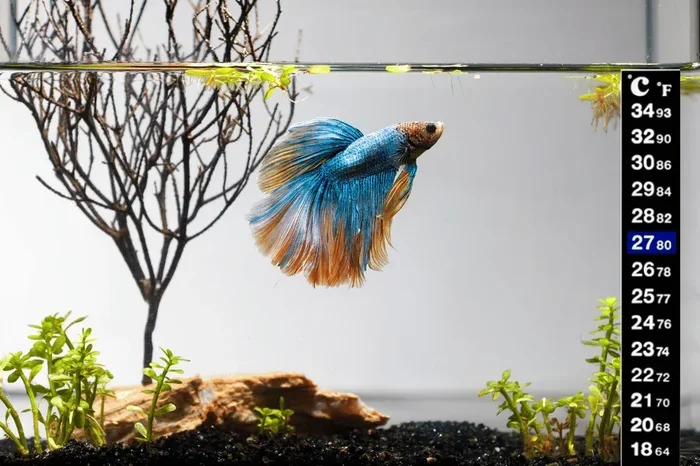
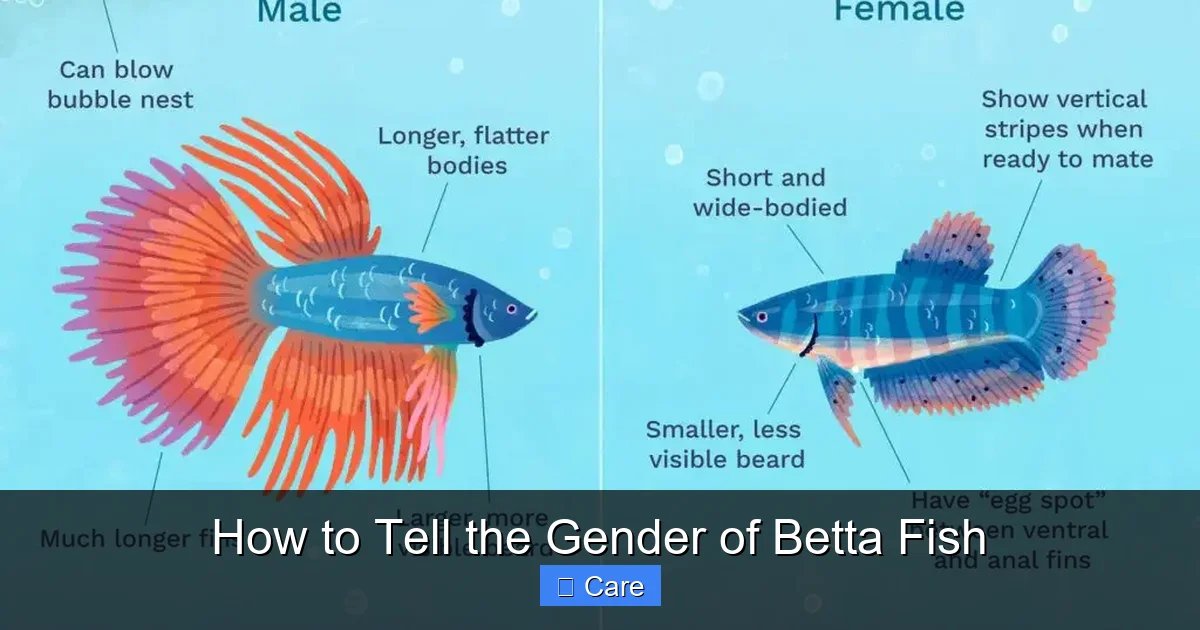
The most obvious difference lies in the fins. Male bettas (often called “Siamese fighting fish”) grow long, flowing fins that can look like a decorative veil. Their dorsal, caudal, and anal fins stretch out dramatically, especially when they flare.

Visual guide about How to Tell the Gender of Betta Fish
Image source: qwikbetta.com
Female bettas have shorter, more rounded fins. The tail may still be pretty, but it won’t billow like a male’s. If you’re comparing two fish side by side, the male’s fins will almost always look “extra‑fluffy.”
Vent (Anus) Appearance
Look at the tiny opening beneath the anal fin—called the vent. In males it forms a sharp, pointed “V” shape, while females have a rounder “U” or oval vent. This is one of the most reliable visual markers, especially when the fish is calm.
Body Shape and Size
Males tend to be slimmer and longer, giving them a sleek silhouette. Females are typically broader and a bit deeper-bodied, giving a more “bulked” look. This difference becomes clearer after the fish is a few weeks old.
Color Intensity
While not a rule, males often display brighter, more intense colors—especially when they’re excited or defending territory. Females can be colorful too, but their hues are usually softer.
Internal Links for Visual Checks
For a deeper dive into these visual markers, see our detailed article on how to tell if betta fish are male or female. It breaks down each trait with photos and step‑by‑step instructions.
2. Behavioral Signs: What Your Betta Does
Territorial Aggression
Male bettas love to claim space. You’ll notice them flaring their gills, puffing out fins, and sometimes even “bubbling” at glass surfaces. If your fish is constantly showing off its fins and acting bold, it’s likely a male.

Visual guide about How to Tell the Gender of Betta Fish
Image source: bettafishworld.com
Calm and Curious
Females tend to be less aggressive. They may swim more slowly, explore the tank quietly, and rarely flare unless startled. This calmer demeanor is a good hint, especially when combined with the visual clues.
Bubble Nest Building
Only male bettas build bubble nests on the water’s surface—those fluffy white structures that look like tiny rafts. If you see a nest forming, you’ve got a male on your hands. Females will never create these nests.
3. Age and Development: When Gender Becomes Clear
The First Few Weeks
Newly hatched bettas (fry) look almost identical. Their fins are tiny, and the vent is too small to see clearly. Patience is key—wait until the fish is about 3‑4 weeks old before trying to determine gender.
Visual guide about How to Tell the Gender of Betta Fish
Image source: bettafishworld.com
Growth Milestones
By the time a betta reaches 1‑2 months, fin differences start to emerge. Males will have noticeably longer fins, and the vent shape will be more defined. This is the ideal time to make a confident call.
Helpful Resource
If you’re curious about the timeline, check out our guide on how to tell the age of a betta fish. Knowing the age helps you pick the right moment for gender identification.
4. Safe Handling: Getting a Close Look Without Stress
Use a Soft Net or Cup
Gently scoop your betta with a soft mesh net or place a clear cup over it. Avoid sudden movements that could cause shock.
Step‑by‑Step Handling
- Turn off the tank lights for a minute to calm the fish.
- Slowly lower the net or cup into the water.
- Support the fish’s body, not just the fins.
- Hold for a few seconds, then lift and place back gently.
Observe in Good Lighting
Bright, natural‑looking light makes the vent and fin details easier to see. Avoid harsh fluorescent bulbs that can cause glare.
Minimize Stress
Only examine your betta once a week for gender checks. Frequent handling can lead to stress, which weakens the immune system.
5. Common Mistakes and How to Avoid Them
Relying on One Trait Only
Don’t decide based solely on color or fin length. Some females can have long fins, and some males may be dull in color. Use a combination of vent shape, fin size, and body shape.
Misreading Juvenile Fish
Young fry often lack distinct gender traits. Patience prevents mislabeling, which can cause problems if you later try to breed them.
Confusing Hybrid or Wild Types
Wild‑type bettas (often called “dwarf” or “natural” bettas) have subtler differences. In these cases, the vent shape becomes the most reliable indicator.
Over‑Handling
Too much handling can damage delicate fins, especially in males with elaborate tails. Keep checks brief and infrequent.
6. Practical Tips for New Betta Owners
Set Up a Gender‑Friendly Tank
Even if you’re not breeding, a well‑decorated tank with plants and hiding spots reduces stress and lets you observe your fish more comfortably.
Keep a Log
Write down the date you first noticed gender traits, any behavior changes, and tank conditions. This helps you track growth and health.
When to Seek Help
If you’re still unsure, bring a clear photo to a local aquarium store or post it in a betta enthusiast forum. Experienced hobbyists can often spot subtle differences.
Further Reading
For a complete overview of gender identification, our article how to determine the sex of a betta fish provides a step‑by‑step visual guide.
Conclusion: Trust Your Eyes, Trust the Process
Figuring out how to tell the gender of betta fish is easier than you think once you know what to look for. By combining visual cues—vent shape, fin size, and body shape—with behavioral observations like bubble nest building, you can confidently identify male and female bettas. Remember to be patient with young fish, handle them gently, and keep a simple log of your observations. With these tools, you’ll not only avoid accidental fights but also give each fish the care it deserves, whether you’re breeding or simply enjoying their beautiful colors.
Frequently Asked Questions
How can I tell the gender of a betta fish without handling it?
Watch for a bubble nest (male only) and note fin length and behavior. Males flare more often and have longer fins, while females are usually calmer with shorter fins.
Do all male bettas build bubble nests?
Yes, male bettas naturally build bubble nests when they are ready to breed. If you see a nest, you have a male.
Can female bettas have bright colors?
Absolutely. While males often display the brightest hues, many females are also vividly colored, especially in domesticated strains.
What is the best age to determine the gender of a betta?
Wait until the fry is about 3‑4 weeks old. At this stage, fin differences and vent shape become more noticeable.
Is it safe to keep a male and female together?
Only for short periods and under close supervision. Males can become aggressive, so it’s best to keep them separate unless you are breeding.
What should I do if I’m still unsure about my betta’s gender?
Take a clear photo and compare it to reliable online guides or ask an experienced hobbyist at a local aquarium store for help.