Do Fish Sleep Betta
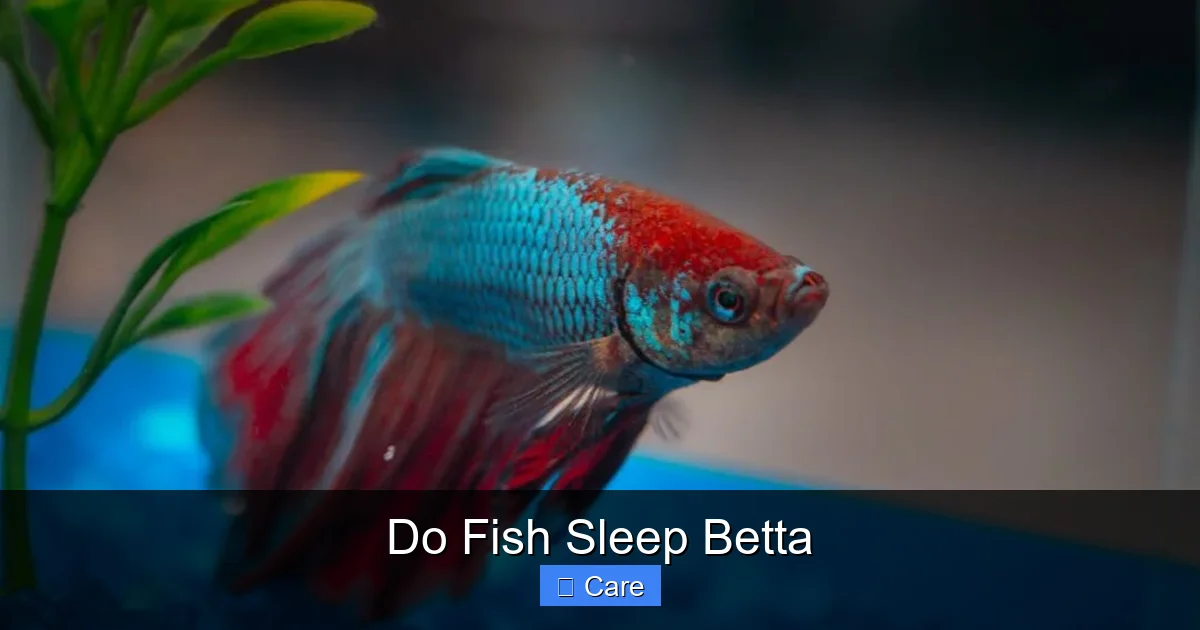
Yes, betta fish do sleep, but not like humans. They rest with their eyes open and in strange positions, often appearing dead. Understanding their unique sleep patterns is crucial for providing proper care, reducing stress, and preventing health issues. By mimicking a natural day/night cycle and providing a peaceful, secure tank environment, you directly support your betta’s well-being and longevity.
Key Takeaways
- Betta fish absolutely sleep, but their rest is fundamentally different from mammalian sleep. They enter a state of reduced metabolism and awareness without closing their eyes (as they lack eyelids) and often remain semi-alert to predators.
- You will find your betta sleeping in bizarre, sometimes alarming positions. Common sleep spots include on the tank bottom (on substrate or décor), floating motionless mid-water, or resting at the surface, sometimes even upside down or on their side.
- A consistent light/dark cycle is non-negotiable for a healthy betta. They require 8-12 hours of complete darkness daily to achieve proper rest. Constant light causes chronic stress, suppressed immune function, and faded colors.
- The tank environment dictates sleep quality. A stressed betta with no hiding places, poor water, or constant disturbances cannot rest properly, leading to increased susceptibility to disease like fin rot or dropsy.
- Distinguishing sleep from illness is a critical owner skill. A sleeping betta is generally still but will react to gentle prodding or food. A sick betta shows persistent lethargy, clamped fins, loss of appetite, or visible physical damage.
- What you do during their “sleep hours” matters. Avoid tank tapping, sudden bright lights, or loud noises near the aquarium at night. Provide plants, caves, or betta hammocks for secure resting perches.
📑 Table of Contents
- The Myth of the Never-Sleeping Fish
- How Betta Fish Actually Rest: The Science of a Fishy Snooze
- The Critical Importance of Sleep for Betta Health and Vibrancy
- Creating the Perfect Betta Sleep Sanctuary: Practical Care Tips
- Decoding the Behavior: Is It Sleep or Sickness?
- Advanced Insights: Sleep Patterns, Dreams, and Lifespan
- Conclusion: Respecting the Rest
The Myth of the Never-Sleeping Fish
If you’ve ever stared at your betta fish, mesmerized by its flowing fins and constant, gentle glides, you might have wondered: Do fish sleep betta? It’s a common question, born from the observation that these captivating creatures seem perpetually active. The popular myth that fish never sleep is just that—a myth. All animals, including fish, require periods of rest to conserve energy, repair cellular damage, and consolidate memories. For the betta splendens, commonly known as the Siamese fighting fish, sleep is not just a biological necessity; it’s a fascinating window into their evolutionary history and a critical component of their care that every owner must understand.
The confusion stems from what “sleep” looks like in a fish. Unlike humans, who close their eyes and enter a state of near-unconsciousness, bettas cannot close their eyes. They lack eyelids entirely, meaning their eyes are always open and exposed. This constant vigilance is a survival trait from their wild ancestors, who had to remain alert for predators and rivals even while resting. Therefore, when a betta is “sleeping,” it enters a state of reduced metabolism and awareness, but it can still sense significant changes in its environment. Recognizing this state is the first step in ensuring your aquatic pet is truly getting the rest it needs.
How Betta Fish Actually Rest: The Science of a Fishy Snooze
So, if they don’t close their eyes, how do you know if your betta is sleeping? The answer lies in their behavior and posture. A sleeping betta will exhibit a dramatic slowdown in movement, often becoming completely motionless for extended periods. They will choose specific, often unusual, locations to rest. The most common positions you’ll observe are:
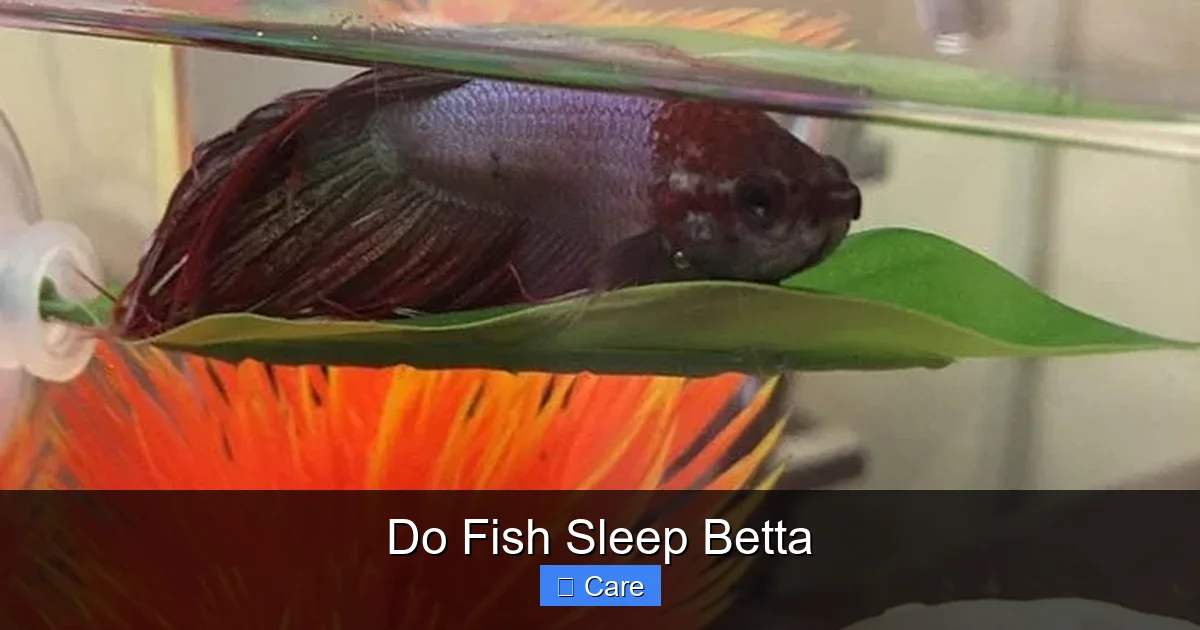
Visual guide about Do Fish Sleep Betta
Image source: memfish.net
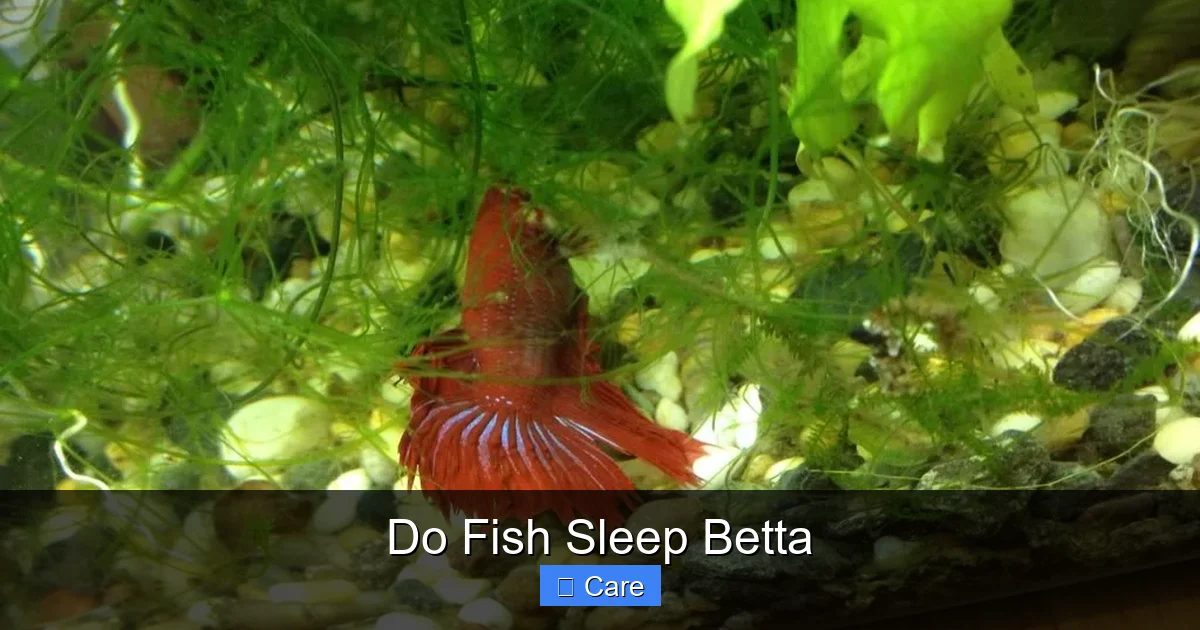
- Bottom-Dwelling: Your betta may lie on the gravel or substrate, sometimes propped against a plant or decoration. They might rest on their side or even upside down at the very bottom. This is perfectly normal sleep behavior, not a sign of distress (unless paired with other symptoms).
- Mid-Water Floating: Perhaps the most startling for new owners, bettas will sometimes stop swimming and simply float in the middle of the water column, fins drooping. They may drift gently with the current, appearing as if they’ve passed away.
- Surface Resting: As a labyrinth fish, bettas have a special organ that allows them to breathe air. They often sleep at the water’s surface, with their head angled slightly upward to facilitate easy access to atmospheric oxygen. They may rest on a broad leaf, a piece of décor, or just hover in place.
During these rest periods, their vibrant colors might appear slightly muted, and their breathing (gill movement) will be slow and shallow. The key differentiator between sleep and a health crisis is reactivity. A sleeping betta, when gently stimulated by a finger near its body (not a sudden tap!) or when food is introduced, will quickly spring to life, swim away, or come to investigate. A sick or dying betta will show no response or a very weak, sluggish one.
The Evolutionary Reason for Strange Sleep Positions
These seemingly odd postures are actually brilliant adaptations. In the shallow, stagnant rice paddies and slow-moving streams of Southeast Asia where bettas evolved, there is little cover from aerial predators like birds. Sleeping on the bottom or perfectly still in the water column provides camouflage against the dark substrate and murky water. Resting at the surface allows them to simultaneously use their labyrinth organ for easy breathing. The ability to sleep in various orientations ensures they can find a safe spot no matter the tank’s layout, conserving energy while maintaining a degree of readiness.
The Critical Importance of Sleep for Betta Health and Vibrancy
Understanding that your betta does sleep is more than a trivia fact; it’s foundational to its husbandry. Chronic sleep deprivation in bettas, much like in humans, leads to a cascade of negative health outcomes. During rest, the body performs essential maintenance: the immune system is bolstered, stress hormones like cortisol are regulated, cellular repair processes accelerate, and the brain processes information. A betta that cannot achieve proper, undisturbed rest is a betta under constant physiological stress.
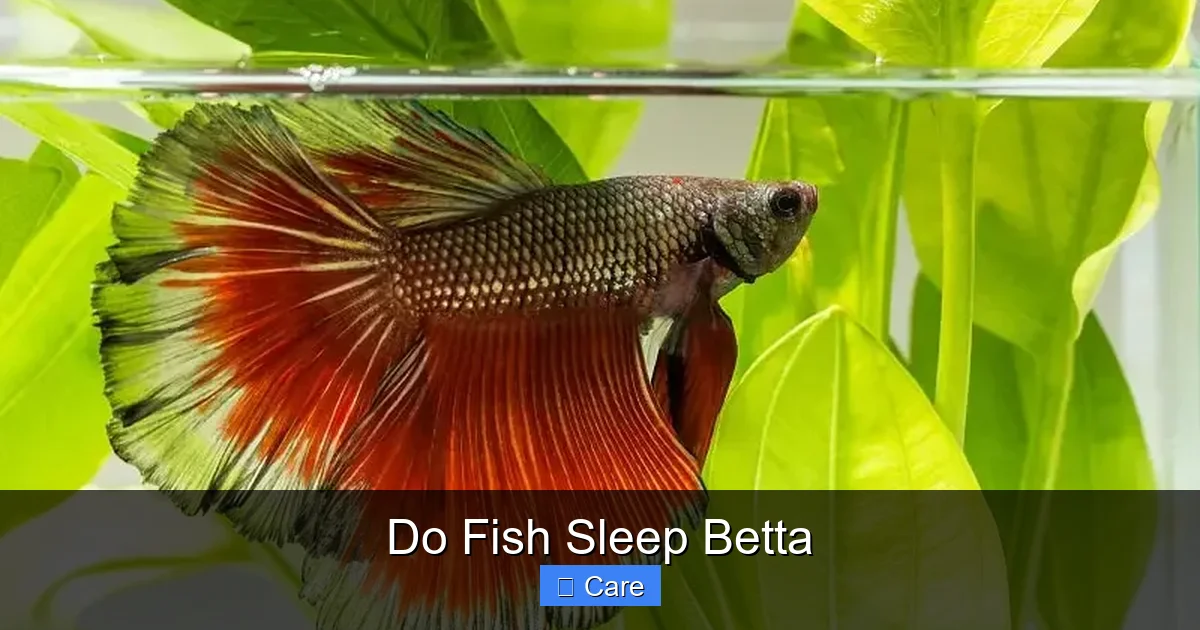
Visual guide about Do Fish Sleep Betta
Image source: fishkeepingworld.com
The most visible signs of sleep-deprived stress are often behavioral and aesthetic. A chronically tired betta will be more lethargic during its active hours, show less interest in food, and may become irrationally aggressive or, conversely, abnormally skittish. Its stunning colors, a hallmark of a healthy betta, can fade significantly as the fish’s resources are diverted to coping with stress rather than pigment maintenance. More insidiously, a suppressed immune system leaves the fish vulnerable to common betta ailments. Diseases like Columnaris (cotton wool disease), fin rot, and the dreaded dropsy are far more likely to take hold in a fish that is never allowed to fully rest and recover.
Sleep and Stress: The Vicious Cycle
Imagine your betta’s life: a bright light blares on for 14-16 hours a day, there is no place to hide from the constant activity in the room, the filter current is strong, and tank mates (or even your finger tapping on the glass) frequently disturb its chosen nap spot. This creates a perpetual state of low-grade stress. The fish’s body remains in “fight or flight” mode, pumping out stress hormones. Over time, this exhausts its systems, leading to the very lethargy and illness an owner might misinterpret as the original problem. Providing quality sleep is one of the most potent, preventative health measures you can offer.
Creating the Perfect Betta Sleep Sanctuary: Practical Care Tips
Now that we know do fish sleep betta and why it matters, let’s translate that knowledge into actionable tank setup and maintenance practices. Your goal is to engineer an environment that signals safety and darkness, allowing your betta to drop its guard and enter deep, restorative rest.
Visual guide about Do Fish Sleep Betta
Image source: bettafish.org
Master the Light Cycle: Darkness is Mandatory
This is the single most important rule. Bettas, like all creatures, have a circadian rhythm dictated by light. You must provide a consistent photoperiod of 8-10 hours of light followed by 14-16 hours of complete darkness. Use a simple outlet timer for your aquarium light—this is a non-negotiable investment in your betta’s health. Never leave the light on 24/7. During the dark period, ensure no ambient light from room lights, TVs, or windows directly hits the tank. If the room must be lit, consider covering the tank with a dark cloth or moving it to a darker location at night.
Design for Security: Hiding Spots and Rest Zones
A betta will not sleep soundly if it feels exposed. Your aquascape must include secure, shaded retreats. Live plants like Java fern, Anubias, or floating plants like duckweed or water lettuce are ideal. They provide gentle cover and natural perches. Artificial plants with broad leaves work well too. Specifically, consider adding a “betta hammock”—a product designed as a broad leaf that rests just below the water surface. This mimics the natural leaf your betta would rest on in the wild and is a favorite sleep spot. Caves, ceramic pots, and driftwood nooks also provide bottom-dwelling security. Ensure any décor has no sharp edges that could damage delicate fins.
Optimize Water Flow and Temperature
Betttas are from calm waters. A strong filter current is exhausting and stressful, making it impossible to rest peacefully. Always use a filter with an adjustable flow rate, and baffle it with sponges or plants to create gentle circulation. The water temperature should be a stable 78-80°F (25.5-26.5°C). Water that is too cold slows metabolism excessively, making the fish lethargic, while water that is too warm increases metabolic demand and stress, preventing deep rest. A reliable heater and thermometer are essential.
Decoding the Behavior: Is It Sleep or Sickness?
Owner vigilance is key. You must learn to distinguish the peaceful stillness of sleep from the frightening stillness of illness. Here is a practical guide:
- The Sleep Posture Test: Observe your betta during its expected rest period (usually at night). Is it in a consistent, chosen spot? Does it occasionally adjust position slightly? This is likely sleep. If it is crumpled against a filter intake, stuck on its side at the surface gasping, or constantly falling over, this is a red flag.
- The Reaction Test: Gently (do not scare it!) place a clean finger near the fish or very softly ripple the water near it. A sleeping betta will typically dart away or quickly swim to a new spot, alert and active. A sick betta will either not move at all or move with extreme difficulty and lethargy.
- Context is Everything: A betta sleeping upside down on a broad leaf is normal. A betta floating upside down and spinning in the water column is a classic symptom of Swim Bladder Disorder, often linked to overfeeding or infection. A betta resting on the bottom with clamped fins, pale color, and raised scales is likely suffering from a severe systemic illness like dropsy.
When in doubt, always check your water parameters (ammonia, nitrite, nitrate, pH) first. Poor water quality is the root cause of most betta ailments and can also disrupt normal rest patterns. A full water change and parameter test are your first troubleshooting steps.
Advanced Insights: Sleep Patterns, Dreams, and Lifespan
Recent scientific studies on fish suggest that, like birds and mammals, fish do experience sleep cycles that may include a REM-like phase, associated with dreaming. While we cannot know if bettas dream of floating lotus flowers, the presence of a sleep cycle indicates a complex need for rest beyond simple energy conservation. This further underscores the importance of environmental stability.
There is also a direct correlation between consistent, quality sleep and overall lifespan. A betta subjected to a chaotic light cycle, constant stress, and poor water will have a compromised immune system, making it prone to infections that shorten its life. Conversely, a betta in a serene, well-maintained tank with proper rest cycles is far more likely to thrive for its full potential lifespan of 3-5 years, often more. You are quite literally adding years to your fish’s life by respecting its need for sleep.
Conclusion: Respecting the Rest
The question do fish sleep betta opens the door to truly understanding one of the most popular aquarium pets. It moves us beyond just feeding and filtering to providing holistic care. Your betta’s strange sleeping positions are not a cause for alarm but a testament to its unique biology. By honoring its need for 12+ hours of uninterrupted darkness, providing a secure tankscape with gentle flow and hiding spots, and learning to read its resting behavior, you become more than an owner—you become a guardian of its well-being. You enable it to display the full spectrum of its lively personality and dazzling colors during its waking hours, safe in the knowledge that when it retreats to its leaf or its corner of the gravel, it is getting the peaceful, essential rest it deserves. That is the heart of responsible betta care.
Frequently Asked Questions
Do betta fish sleep with their eyes open?
Yes, betta fish sleep with their eyes open because they lack eyelids. They enter a restful state where their metabolism slows, but they remain semi-aware of their surroundings for predator avoidance.
Is it normal for my betta to sleep upside down or on its side?
Yes, it is perfectly normal for bettas to sleep in unusual positions, including on their side or upside down, often on plants, décor, or the substrate. This is a natural rest posture. You should only be concerned if this position is constant during active hours and is paired with other signs of illness like lethargy or loss of appetite.
How many hours a day do betta fish need to sleep?
Bettas require a consistent light/dark cycle that provides approximately 12-14 hours of total darkness per 24-hour period. This allows for proper rest and recovery. Using an automatic timer for your aquarium light is the best way to ensure this consistency.
What does a sleeping betta look like?
A sleeping betta will be completely still, often in a chosen spot like a plant leaf, the tank bottom, or mid-water. Its fins may be clamped or drooping, and its color might appear slightly duller. The key sign is that it will quickly become active and responsive when gently stimulated or when food is offered.
Can I touch my betta while it’s sleeping?
It is best to avoid disturbing your sleeping betta. Sudden disturbances cause stress, which negates the benefits of rest. If you need to interact, do so very gently during its active daylight hours. Consistent, gentle interaction during waking periods helps build trust without disrupting its crucial sleep cycle.
Why is my betta always at the bottom and not moving?
Constant lethargy at the bottom is not normal sleep. First, check your water parameters immediately for ammonia, nitrite, and nitrate. Poor water quality is the most common cause. Other possibilities include temperature being too low, Swim Bladder Disorder, or a systemic infection. Observe for other symptoms like clamped fins, loss of appetite, or visible sores to determine if veterinary care is needed.