Is a Betta a Tropical Fish
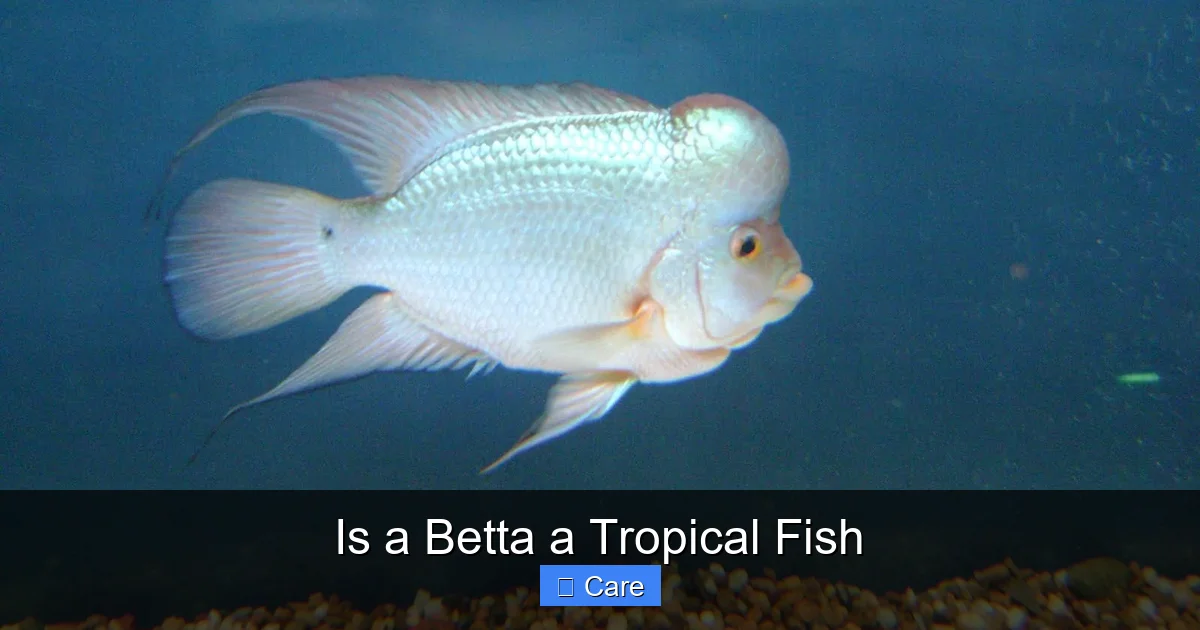
Betta fish are indeed tropical species, thriving in warm, stable water conditions. Understanding their temperature needs, natural habitat, and proper tank setup ensures a healthy, vibrant pet.
Key Takeaways
- Betta classification: Betta splendens is a true tropical fish native to Southeast Asia.
- Ideal temperature: Keep water between 76‑82°F (24‑28°C) for optimal health.
- Tank requirements: A minimum 5‑gallon filtered tank mimics their natural environment.
- Diet matters: Feed high‑protein betta pellets or frozen foods designed for tropical fish.
- Compatibility: Choose peaceful, non‑fin‑nipping tank mates; avoid other male bettas.
- Health signs: Watch for faded colors, ragged fins, or lethargy as clues to illness.
- Longevity: With proper care, bettas live 3‑5 years, sometimes longer.
📑 Table of Contents
- Introduction: Why the Question Matters
- 1. Betta Biology: A True Tropical Species
- 2. Perfect Water Temperature: The Heart of Tropical Care
- 3. Setting Up a Tropical Betta Tank
- 4. Feeding a Tropical Betta
- 5. Compatibility and Community Living
- 6. Health, Longevity, and Common Issues
- Conclusion: Embrace the Tropical Lifestyle
Introduction: Why the Question Matters
If you’ve ever stared at a dazzling male betta, flashing reds and blues, you might wonder, “Is a betta a tropical fish?” The answer shapes everything from the water temperature you set to the type of food you offer. In this guide we’ll walk through the science, the natural home of the betta, and the practical steps you need to keep your fish thriving.
Knowing the tropical nature of bettas helps you avoid common mistakes—like keeping them in a cold bowl or feeding them the wrong kind of flakes. By the end, you’ll feel confident that your betta’s environment matches its wild roots, leading to brighter colors, stronger fins, and a longer, happier life.
1. Betta Biology: A True Tropical Species
Taxonomy and Origin
Betta splendens belongs to the family Osphronemidae, the same group that includes gouramis and other labyrinth fish. These species evolved in the warm, slow‑moving waters of Thailand, Cambodia, and Malaysia. Their native habitat is a classic tropical zone: shallow rice paddies, ditches, and forest streams where water temperatures rarely dip below 75°F (24°C).

Visual guide about Is a Betta a Tropical Fish
Image source: wallpapers.com
Labyrinth Organ: Why Warmth Is Crucial
Betta fish possess a labyrinth organ, a specialized breathing structure that lets them gulp air from the surface. In the wild, warm water holds less dissolved oxygen, so the organ is a lifesaver. In a cool aquarium, the organ is less needed, but the fish still prefers the warmth that mimics its natural environment.
2. Perfect Water Temperature: The Heart of Tropical Care
Recommended Temperature Range
The sweet spot for a betta is 76‑82°F (24‑28°C). Within this range, metabolic processes run smoothly, colors stay vivid, and the immune system stays strong. Temperatures below 72°F (22°C) can cause sluggish swimming, loss of appetite, and increased susceptibility to disease.

Visual guide about Is a Betta a Tropical Fish
Image source: bettafishworld.com
How to Maintain Stable Temperatures
- Use an aquarium heater rated for at least 50 watts for a 5‑gallon tank.
- Place the heater near a water flow source to distribute heat evenly.
- Check the temperature twice daily with a reliable digital thermometer.
- Avoid placing the tank near windows or drafts that cause rapid temperature swings.
Internal Link Example
For a deeper dive into exact temperature guidelines, see our article on what temperature should water be for a betta fish.
3. Setting Up a Tropical Betta Tank
Tank Size and Shape
While a single betta can survive in a small bowl, a 5‑gallon (or larger) filtered aquarium is the gold standard. More water means more stable temperature, better waste dilution, and space for enrichment.

Visual guide about Is a Betta a Tropical Fish
Image source: thetropicalfishcompany.co.nz
Filtration and Flow
Betas prefer gentle currents. Choose a low‑flow sponge filter or adjust the output of a hang‑on‑back (HOB) filter to create a slow, swirling motion. This mimics the calm waters of their native paddies without stressing the fish.
Substrate, Plants, and Hiding Spots
Finicky bettas love soft, dark substrates that showcase their colors. Live plants like Java fern, Anubias, or Marimo moss provide cover and help maintain water quality. If live plants aren’t an option, silk or plastic plants work—just avoid rough plastic that can tear delicate fins.
Lighting
Provide 8‑10 hours of gentle LED lighting daily. Too much brightness can stress the fish, while a regular light cycle supports natural behavior.
4. Feeding a Tropical Betta
What to Feed
High‑protein betta pellets formulated for tropical fish are the staple. Supplement with frozen or live foods like daphnia, bloodworms, or brine shrimp a few times a week to boost coloration and health.
Feeding Frequency
Feed small amounts 2‑3 times per day, only what the fish can consume in 2‑3 minutes. Overfeeding leads to cloudy water and health problems.
Internal Link Example
Learn more about suitable foods in our guide Can You Feed A Betta Tropical Fish Food.
5. Compatibility and Community Living
Can Betta Live With Other Fish?
Male bettas are notoriously territorial, especially toward other fish with bright colors or long fins. However, peaceful, fast‑swimming species like small rasboras or neon tetras can coexist if the tank is spacious and well‑planted.
Choosing Tank Mates
- Prefer species that stay near the bottom or mid‑level.
- Avoid fin‑nippers like barbs or guppies.
- Never house two male bettas together.
Internal Link Example
Read more about safe companions in What Fish Is Compatible With A Betta Fish.
6. Health, Longevity, and Common Issues
Typical Signs of a Healthy Betta
Bright colors, upright fins, active swimming, and a regular appetite indicate a thriving tropical betta.
Warning Signs of Trouble
Faded coloration, torn or ragged fins, clamped gills, or lethargy suggest stress or disease. Prompt water changes and a quarantine tank can help.
Life Expectancy
With proper tropical care, bettas usually live 3‑5 years, sometimes longer. For a detailed look at lifespan, see What Is The Lifespan Of A Betta Fish.
Conclusion: Embrace the Tropical Lifestyle
Answering the question “is a betta a tropical fish?” is more than a trivia fact—it’s the foundation of responsible care. By maintaining warm, stable water, providing a proper tank setup, feeding high‑quality foods, and choosing compatible tank mates, you create a mini‑tropical paradise that lets your betta shine. Treat your fish like the tropical marvel it is, and you’ll be rewarded with a dazzling display of colors and a companion that enjoys a long, healthy life.
Frequently Asked Questions
Is a betta a tropical fish?
Yes, the betta (Betta splendens) is a tropical species native to warm, shallow waters of Southeast Asia, thriving best at 76‑82°F (24‑28°C).
What temperature should my betta’s water be?
Keep the water between 76‑82°F (24‑28°C). Use a reliable heater and thermometer to maintain a stable environment.
Can I keep a betta in a small bowl?
While bettas can survive in small bowls, a 5‑gallon filtered tank provides better temperature stability, water quality, and space for enrichment.
What do bettas eat in a tropical setup?
Feed high‑protein betta pellets designed for tropical fish, and supplement with occasional frozen or live foods like bloodworms or brine shrimp.
Are bettas compatible with other fish?
Male bettas are territorial, but peaceful, non‑fin‑nipping species such as small rasboras or neon tetras can share a well‑planted tank.
How long can a betta live with proper care?
With ideal tropical conditions, a betta typically lives 3‑5 years, and some individuals may reach up to 7 years.