Can You Keep Betta Fish Together
Betta fish are often called “solitary fighters,” but with the right tank, gender mix, and careful monitoring, they can sometimes share a home. This guide breaks down the do’s and don’ts of keeping bettas together, from male‑male aggression to peaceful community tanks, so you can decide the best setup for your colorful friends.
Key Takeaways
- Male bettas are highly territorial: they usually cannot share a standard tank without aggression.
- Female bettas can sometimes live in groups: called “sororities,” they need plenty of space and hiding spots.
- Mixed‑gender tanks are possible: only if a single male is introduced to a group of females and the tank is large enough.
- Tank size matters more than breed: at least 20 gallons for multiple bettas, with heavy filtration.
- Tank mates must be peaceful and fast‑swimming: guppies, neon tetras, and shrimp are good options.
- Monitor behavior daily: signs of stress mean it’s time to separate the fish.
- Regular water changes keep aggression low: clean water reduces stress hormones.
📑 Table of Contents
- Introduction: The Myth of the Lone Betta
- Understanding Betta Behavior
- Tank Size and Setup: The Foundation of Peace
- Keeping Male Bettas Together
- Female Sororities: A Peaceful Alternative
- Mixed‑Gender Tanks: One Male with Several Females
- Community Tanks: Betta Fish with Other Species
- Monitoring Health and Behavior
- Conclusion: Yes, You Can Keep Betta Fish Together—If You Do It Right
Introduction: The Myth of the Lone Betta
When you first see a betta fish, its vibrant fins and confident swagger suggest a solitary warrior. Many owners buy a single betta and keep it alone in a tiny bowl, believing that’s the only safe way. While it’s true that male bettas are aggressive toward each other, the picture isn’t black‑and‑white. With the right environment, gender mix, and careful observation, you can keep more than one betta together and even create a lively community tank.
This article will walk you through every scenario—male‑only, female‑only, mixed‑gender, and community setups—so you can decide whether “can you keep betta fish together” is a question you can answer with a confident “yes.” We’ll also sprinkle in practical tips, real‑world examples, and a few essential links to deeper guides on specific pairings.
Understanding Betta Behavior
Why are male bettas so territorial?
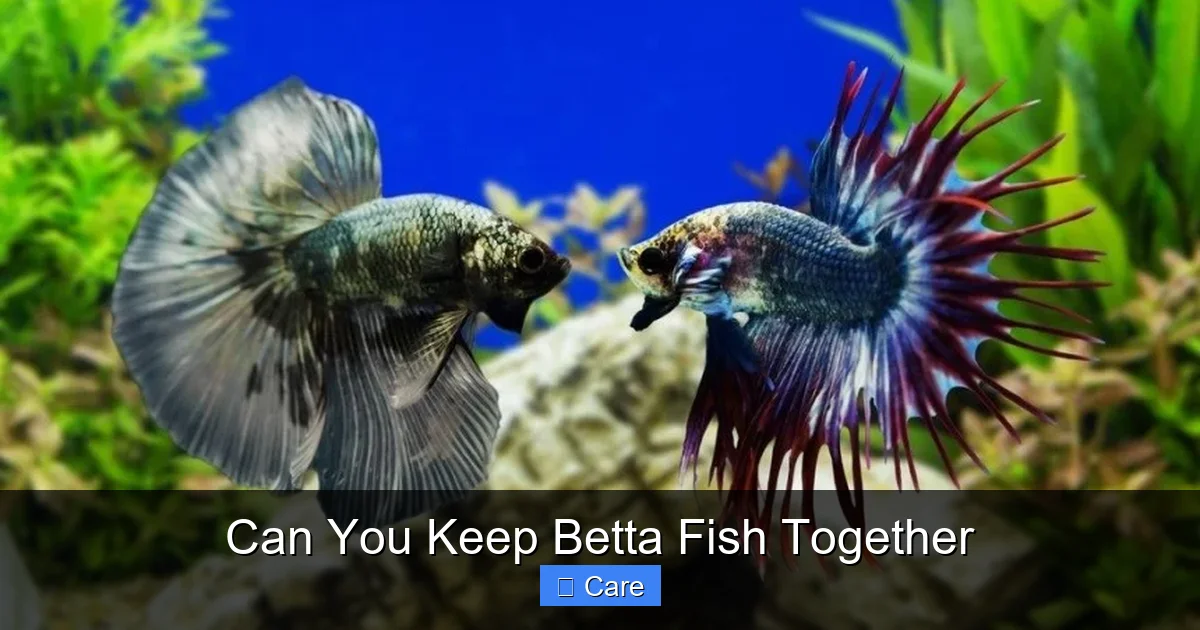
Male bettas defend a three‑dimensional space called a territory. In the wild they guard shallow rice paddies, chasing away rivals to protect food and breeding sites. In a tank, any other male with bright colors and flowing fins is seen as an invader. This instinct triggers flaring, gill covers, and sometimes fatal bites.
Visual guide about Can You Keep Betta Fish Together
Image source: pickedbyfish.com
Do female bettas fight?
Females are less aggressive, but they still establish a pecking order. When kept in a group—known as a “sorority”—they’ll display subtle dominance gestures. If the tank is cramped or hiding places are scarce, stress can turn into serious fighting.
What does “mixed‑gender” mean?
A single male can coexist with several females if the tank is large enough and the male is introduced last. The male then sees the females as his harem rather than competitors. However, the risk of the male turning on a particular female rises if the females become too aggressive among themselves.
Tank Size and Setup: The Foundation of Peace
Minimum volume guidelines
- Two male bettas: at least 20 gallons (75 L) with heavy filtration.
- Female sorority (4‑6 fish): 20–30 gallons (75‑115 L) with plenty of plants.
- Mixed male‑female group: 30 gallons (115 L) or more.
Smaller containers, like the classic 2‑gallon “betta bowl,” simply do not provide enough space for aggression to be diffused. For more on why a bowl isn’t ideal, see our article Can You Keep Betta Fish In A Bowl.

Visual guide about Can You Keep Betta Fish Together
Image source: articles.hepper.com
Essential equipment
- Filter: a gentle, low‑flow filter keeps water clean without creating a current that stresses bettas.
- Heater: maintain 76‑82 °F (24‑28 °C) for optimal metabolism.
- Plants & décor: live plants, silk moss, and driftwood create visual barriers.
- Lighting: 8‑10 hours a day, dimmed in the evening to mimic natural cycles.
Keeping Male Bettas Together
Why two males usually can’t share a tank
Even with a 20‑gallon tank, two males will often fight within hours. The “why can’t you put two betta fish together” question is answered by their innate need to dominate. If a fight does break out, injuries can become infected quickly.
Visual guide about Can You Keep Betta Fish Together
Image source: pickedbyfish.com
When it might work
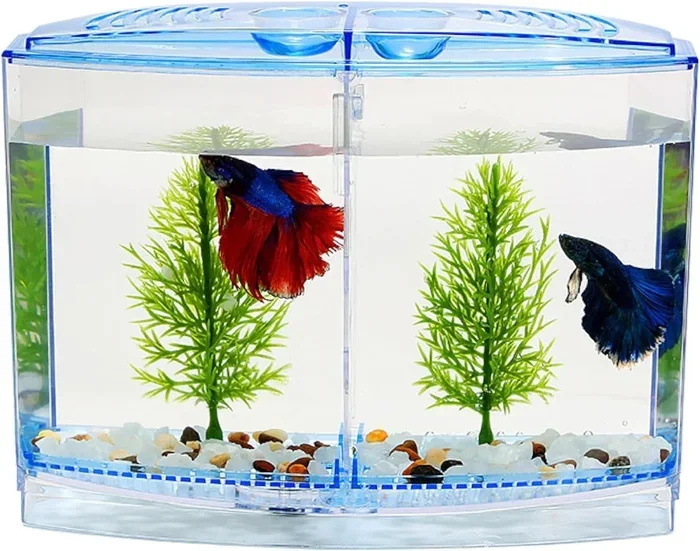
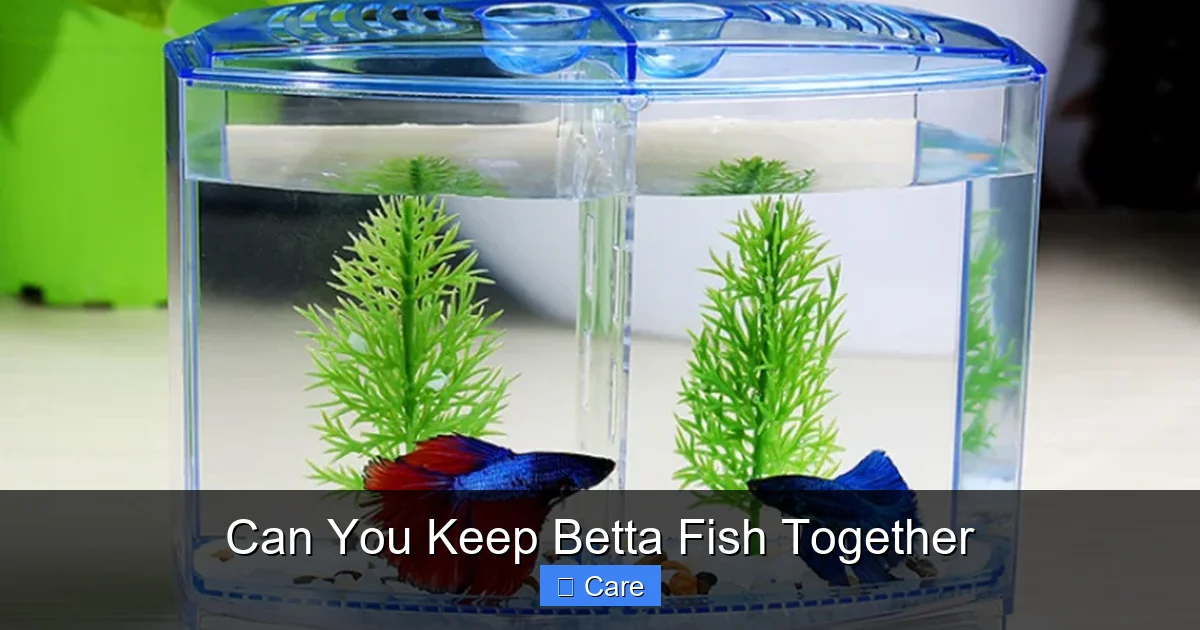
Some hobbyists have succeeded by using a divided tank with a solid acrylic barrier. The fish see each other but cannot strike. This is a temporary solution for breeding or quarantine, not a permanent community.
Read more about dividing tanks in our guide Can You House Betta Fish Together.
Practical tip
If you must keep two males, place them at opposite ends of a 30‑gallon tank with a thick, non‑transparent divider and provide separate feeding zones. Watch for any signs of stress such as loss of color or lethargy.
Female Sororities: A Peaceful Alternative
Setting up a sorority
Start with at least four healthy females. Add a fifth or sixth only after the group has established a stable hierarchy (usually 2‑3 weeks). Provide at least 10 gallons per fish, lots of live plants, and plenty of “break‑up” spots like caves and leaf piles.
Common pitfalls
- Overcrowding: leads to constant chasing.
- Unequal size: larger females may dominate smaller ones.
- Insufficient hiding spots: stress spikes aggression.
Success story
One hobbyist kept six females in a 30‑gallon planted tank for over a year. She reported occasional flares during feeding, but no serious injuries. The key was a dense carpet of Java fern and a handful of floating leaves.
Mixed‑Gender Tanks: One Male with Several Females
Step‑by‑step introduction
- Set up a fully cycled tank (minimum 30 gallons).
- Introduce 3‑5 females first. Let them acclimate for at least a week.
- Perform a “male introduction” using a clear container. Let the male see the females but not touch them for 30 minutes.
- Release the male gently and observe for 24 hours. If he flares aggressively, consider a divider.
What to watch for
Signs that the male is becoming overly dominant include constant chasing, fin nipping, or females hiding constantly. If any female shows signs of injury, separate her immediately.
For a deeper dive, read Can You Keep Male And Female Betta Fish Together.
Community Tanks: Betta Fish with Other Species
Choosing compatible tank mates
Betta fish can live with other peaceful, fast‑swimming fish that won’t provoke them. Good choices include:
- Guppies (small, active, and colorful)
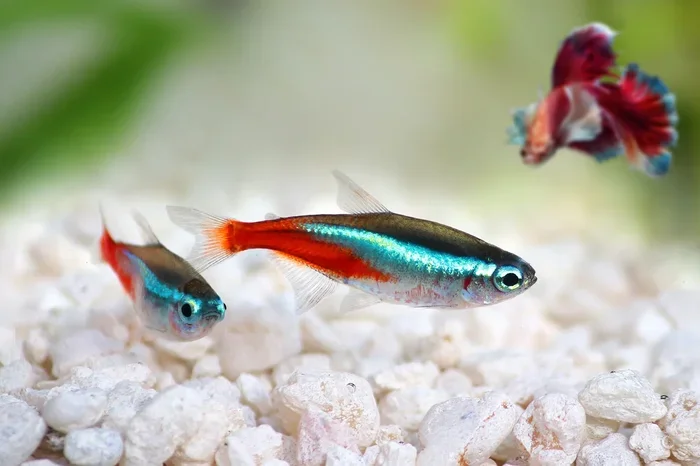
- Neon tetras (schooling fish that keep to the mid‑level)
- Cherry shrimp (they stay low and are not seen as food)
Avoid long‑finned or slow‑moving species like goldfish or fancy corydoras—they may become targets.
Practical example
In a 20‑gallon tank, a hobbyist kept one male betta, a trio of neon tetras, and a colony of cherry shrimp. The betta ignored the shrimp, and the tetras provided movement that distracted him from constant flaring. Water parameters stayed stable with weekly 25% changes.
Read more about mixing bettas with shrimp in Can You Keep Betta Fish With Shrimp.
Key rules
- Provide at least 5 gallons per additional species.
- Keep decorations dense to break lines of sight.
- Feed the betta at the opposite end of the tank to reduce competition.
Monitoring Health and Behavior
Daily checks
Look for signs of stress: faded colors, clamped fins, constant hiding, or excessive flaring. Quick intervention can prevent injuries.
Water quality
Ammonia and nitrite spikes are major stressors. Test water weekly and perform 20‑30% changes when parameters drift.
When to separate
If any fish shows bleeding, torn fins, or loss of appetite, move it to a quarantine tank immediately. Even a short period of isolation can allow wounds to heal.
Conclusion: Yes, You Can Keep Betta Fish Together—If You Do It Right
The short answer to “can you keep betta fish together” is a qualified yes. Male‑only groups are risky, but female sororities and mixed‑gender tanks can thrive with ample space, plants, and vigilant observation. Adding peaceful community members expands the aquarium’s beauty while keeping stress low.
Remember: the biggest factor is the tank size and the environment you create. When you give bettas room to claim territories, hide, and explore, you’ll see them display their natural brilliance without constant fighting. Happy fishkeeping!
Frequently Asked Questions
Can two male bettas live together in a large tank?
It’s possible only with a solid divider or a very large, heavily planted tank (30 gallons+), but aggression is still likely. Most experts recommend keeping males separate.
How many female bettas can I keep in one tank?
A sorority usually works best with 4‑6 females in a 20‑30 gallon tank, provided there are plenty of plants and hiding spots.
Is it safe to keep a betta with guppies?
Yes, guppies are fast‑moving and generally ignore bettas. Just make sure the tank is well‑planted and the betta isn’t overly aggressive.
What should I do if my betta starts flaring constantly?
Check water parameters, reduce tank mates if the tank is crowded, and provide more visual barriers. If flaring persists, consider separating the fish.
Can I add shrimp to a betta community tank?
Cherry shrimp are a good choice because they stay low and are not seen as food. Monitor the betta’s behavior, as some may still try to nip at them.
Do bettas need a heater if the room is warm?
Even in a warm room, a reliable heater keeps the temperature stable at 76‑82 °F, which is crucial for the betta’s metabolism and immune system.