How to Set Up a Fish Tank for Betta
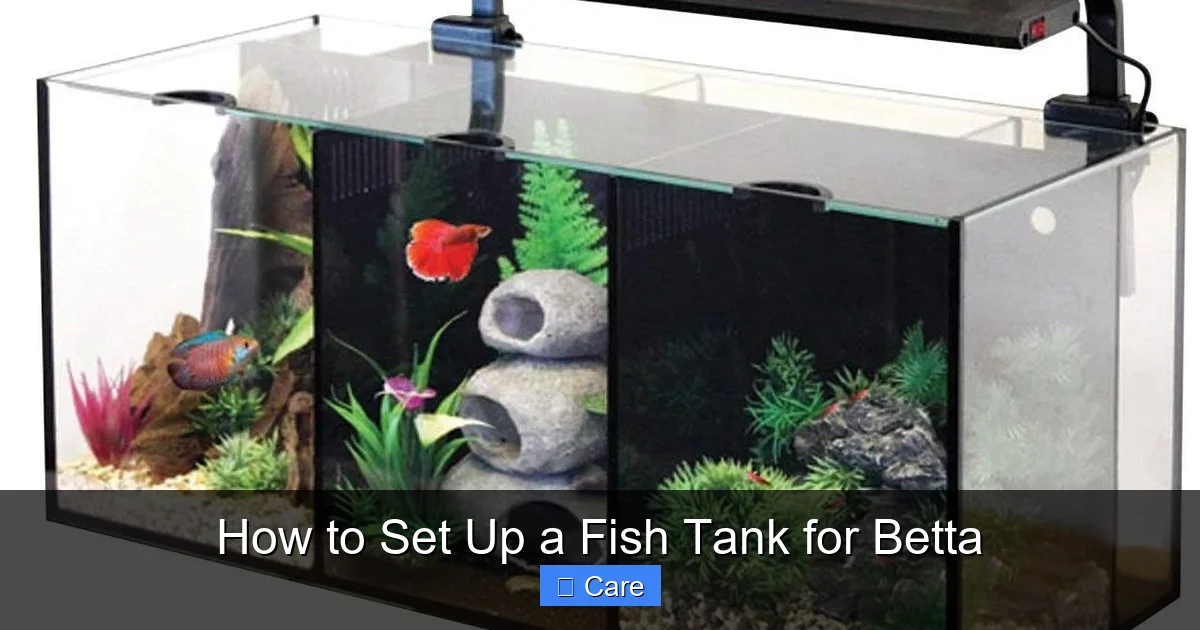
Setting up a fish tank for betta is simple when you follow the right steps. Choose the proper tank size, add safe décor, cycle the water, and maintain stable conditions to keep your betta thriving.
Key Takeaways
- Tank size matters: A minimum of 5 gallons gives your betta room to swim and stay healthy.
- Cycle before adding fish: Establish beneficial bacteria to prevent ammonia spikes.
- Heat is essential: Keep water at 76‑82 °F with a reliable heater.
- Gentle filtration: Use a low‑flow filter or sponge to keep water clear without stressing the fish.
- Safe décor: Provide hiding spots and plants but avoid sharp edges.
- Regular maintenance: Partial water changes and cleaning keep the environment stable.
- Monitor water parameters: Test for pH, ammonia, nitrite, and nitrate weekly.
📑 Table of Contents
Introduction
Betta fish are famous for their bright colors and flowing fins, but many beginners think they can live happily in a tiny bowl. The truth is that a well‑set‑up tank makes a huge difference in a betta’s lifespan and happiness. In this guide we’ll walk you through everything you need to know to set up a fish tank for betta, from picking the right size to adding the perfect plants.
Think of it like preparing a cozy apartment for a new roommate. You want enough space, comfortable temperature, clean air, and a few personal touches. Follow these steps and you’ll create a mini‑aquarium that feels like a spa for your betta.
1. Choose the Right Tank Size and Shape
Why Bigger Is Better
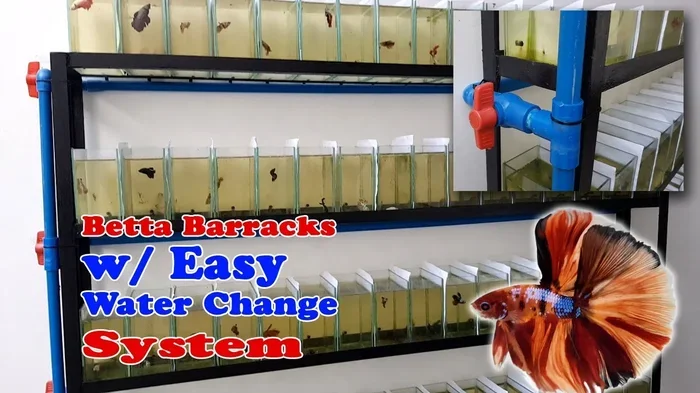
While bettas can survive in small containers, a 5‑gallon tank gives them room to explore and reduces stress. A larger volume also dilutes waste, making water quality easier to manage. If you’re wondering “how big should a tank be for a betta fish?” the answer is at least 5 gallons, and many hobbyists prefer 10 gallons for extra stability.
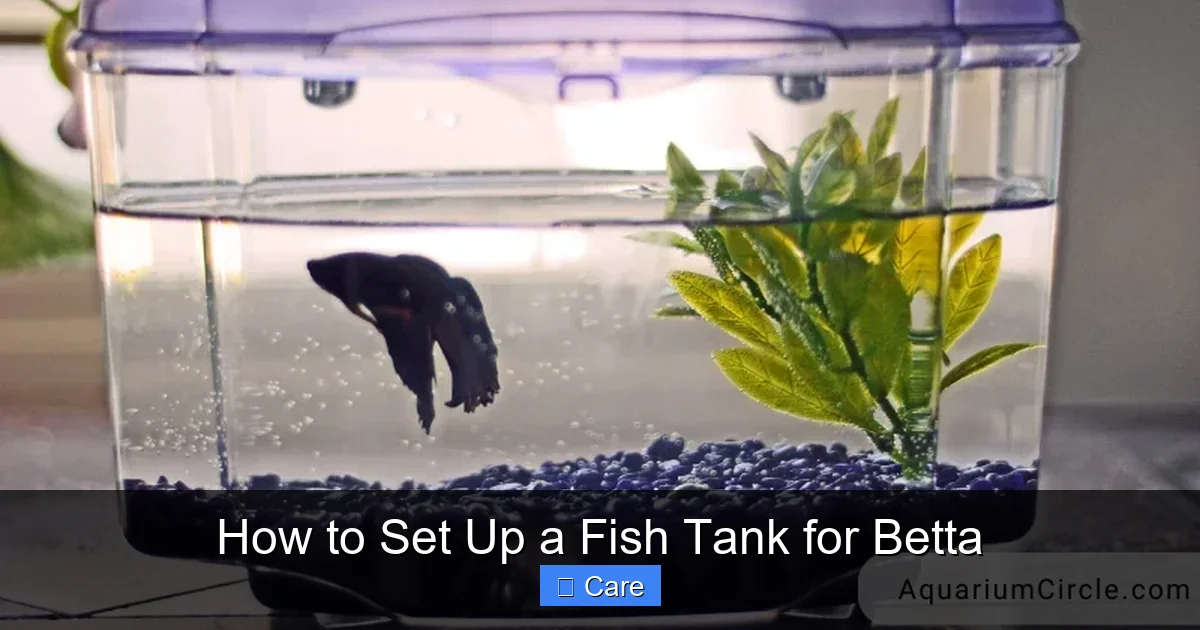
Visual guide about How to Set Up a Fish Tank for Betta
Image source: aquariumcircle.com
Tank shape considerations
Rectangular tanks provide more surface area for gas exchange, which helps maintain oxygen levels. Avoid tall, narrow tanks because they limit swimming space and make heating uneven.
2. Gather Essential Equipment
Filter
A gentle filter is key. Choose a sponge filter or a low‑flow hang‑on‑back (HOB) unit. The flow should be soft enough that the betta can rest without being pushed around.
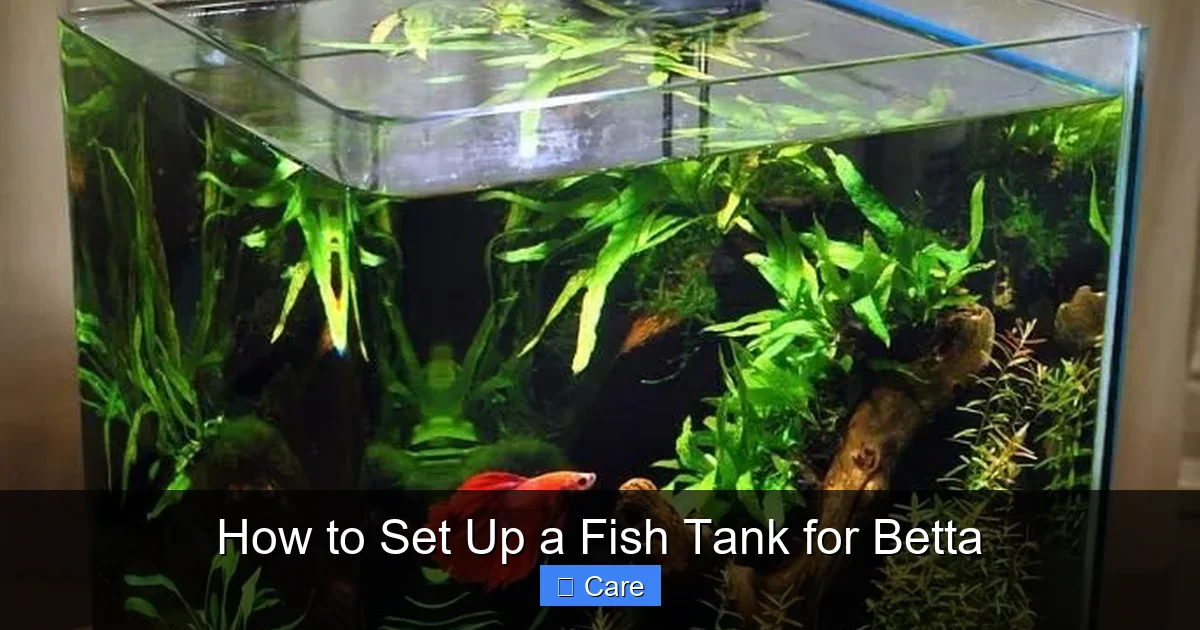
Visual guide about How to Set Up a Fish Tank for Betta
Image source: i.pinimg.com
Heater
Betta fish are tropical and need water kept between 76‑82 °F (24‑28 °C). A reliable submersible heater with an adjustable thermostat works best.
Lighting
Provide 8‑10 hours of light daily. LED fixtures designed for planted tanks are ideal because they are energy‑efficient and produce little heat.
Substrate and décor
Fine gravel or sand mimics a natural riverbed. Add smooth rocks, driftwood, and live or silk plants for hiding spots. Avoid sharp décor that could tear delicate fins.
3. Prepare the Tank – The Setup Process
Step 1: Clean the tank
Rinse the glass, substrate, and décor with warm water only—no soap. This removes dust without leaving harmful residues.

Visual guide about How to Set Up a Fish Tank for Betta
Image source: japanesefightingfish.org
Step 2: Add substrate and décor
Spread a 1‑2 inch layer of substrate, then arrange rocks and plants. Make sure everything is stable to prevent collapse.
Step 3: Fill with conditioned water
Use a water conditioner to neutralize chlorine and chloramines. Fill the tank slowly to avoid disturbing the substrate.
Step 4: Install heater and filter
Place the heater near a water flow area for even heat distribution. Set it to 78 °F and let it run for a few hours before adding fish.
Step 5: Cycle the tank
Before introducing your betta, you must establish the nitrogen cycle. This process converts toxic ammonia into nitrite and then into relatively harmless nitrate. For a detailed guide, see our article on how to cycle a fish tank for betta. Cycling typically takes 4‑6 weeks; you can speed it up with a bacterial starter.
4. Test and Adjust Water Parameters
Key parameters to monitor
- pH: Aim for 6.5‑7.5.
- Ammonia: Must be 0 ppm.
- Nitrite: Must be 0 ppm.
- Nitrate: Keep below 20 ppm.
Testing routine
Test the water weekly using a liquid test kit. Adjust with partial water changes if nitrate climbs too high. For a quick refresher on water changes, read how to do a water change for betta fish.
5. Introduce Your Betta Safely
Acclimation steps
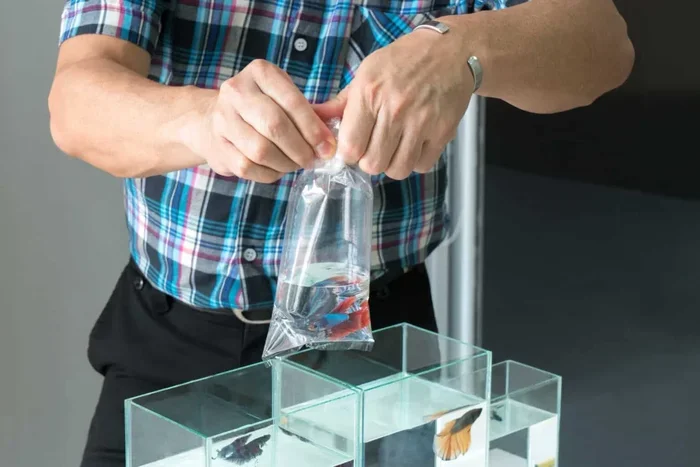
Float the sealed bag containing your betta in the tank for 15 minutes to equalize temperature. Then slowly add small amounts of tank water to the bag over another 15 minutes. Finally, gently release the fish using a soft net.
First week tips
Observe your betta for signs of stress—clamped fins, rapid breathing, or loss of color. Keep lighting low and avoid sudden temperature shifts.
6. Ongoing Care and Maintenance
Weekly chores
- Test water parameters.
- Perform a 25‑30% water change.
- Remove any uneaten food or debris.
Monthly chores
Clean the filter media (rinse in tank water), prune plants, and inspect décor for wear.
Long‑term health checks
Watch for signs of disease such as white spots, frayed fins, or lethargy. Early detection makes treatment easier.
Conclusion
Setting up a fish tank for betta doesn’t have to be overwhelming. By choosing the right size, cycling the water, keeping temperature steady, and providing safe décor, you give your betta a vibrant home where it can flourish. Remember to test water regularly, perform consistent maintenance, and enjoy the beautiful display of colors and behavior that a happy betta offers. With these steps, you’ll not only meet your betta’s basic needs but also create a little aquatic paradise you’ll love watching every day.
Frequently Asked Questions
What is the minimum tank size for a betta?
The smallest recommended size is 5 gallons. Larger tanks provide more stable water conditions and give the fish room to swim.
Do bettas need a filter?
Yes. A gentle filter keeps waste low and maintains clear water, but it should have a low flow to avoid stressing the betta.
How long does it take to cycle a betta tank?
Typical cycling takes 4‑6 weeks. You can use a bacterial starter to shorten the process, but always test for zero ammonia and nitrite before adding the fish.
Can I keep live plants with a betta?
Absolutely. Live plants improve water quality and provide hiding spots. Choose hardy species like Java fern, Anubias, or Marimo moss.
How often should I change the water?
Change 25‑30% of the water weekly. This removes excess nitrate and keeps parameters stable.
What temperature is best for a betta?
Maintain water between 76‑82 °F (24‑28 °C) with a reliable heater and monitor with a thermometer.