How to Tell My Betta Fish Is Happy
Knowing how to tell my betta fish is happy is one of the most important skills for any betta fish owner. A happy betta shows bright colors, active swimming, and a healthy appetite. This guide covers the key signs, behaviors, and tips to keep your betta thriving.
Key Takeaways
- Bright Colors: A happy betta fish displays vivid, vibrant colors as a sign of well-being and contentment.
- Active Swimming: Your betta should swim smoothly and explore the tank with energy and curiosity.
- Healthy Appetite: Eating eagerly and finishing food on time shows a healthy, happy betta.
- Bubble Nests: Building bubble nests is a natural behavior that signals a comfortable, happy betta.
- Fin Position: Open, flowing fins without clamping indicate a relaxed and happy fish.
- Tank Environment: Proper water quality, temperature, and enrichment are essential for betta fish happiness.
- Regular Observation: Watching your betta daily helps you catch changes early and maintain long-term well-being.
📑 Table of Contents
How to Tell My Betta Fish Is Happy
If you own a betta fish, you probably want to know that your little friend is living its best life. How to tell my betta fish is happy comes down to watching a few simple signs every day. These colorful fish have personalities, and when they are content, you can see it in the way they move, eat, and interact with their surroundings.
A happy betta fish is not just about looks. It is about behavior, health, and the environment you provide. Many new fish owners miss the subtle clues that show their betta is thriving. Once you learn what to look for, you will notice these signs right away.
In this guide, we will walk you through every sign of a content betta. You will learn about colors, swimming patterns, eating habits, and more. By the end, you will feel confident knowing whether your fish is truly happy or needs a little extra care.
Let us dive in and explore what makes a betta fish genuinely happy.
Bright, Vibrant Colors
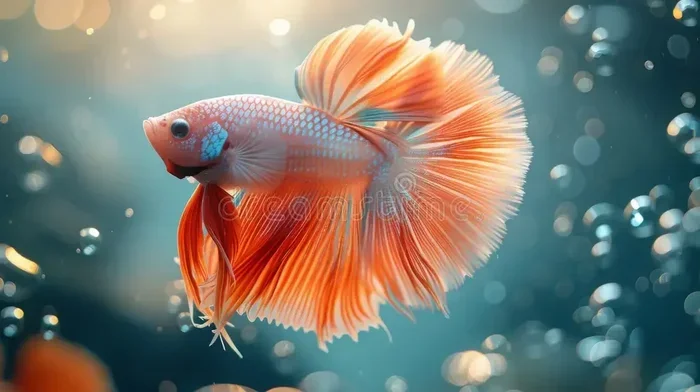
One of the easiest ways to spot a happy betta is through its colors. A content betta fish will display deep, rich hues. The reds will be bold, the blues will be bright, and the fins will look almost translucent in good light.
When a betta is stressed or unwell, colors fade. You might notice white patches or dullness. This is a clear warning sign. On the other hand, a happy betta with vibrant colors is a healthy betta. The color intensity often increases during feeding time or when the fish is exploring its tank.
Keep in mind that some color changes are natural. Male bettas often develop more intense colors as they mature. But if you notice sudden fading, it is time to check the water quality and overall tank conditions.
Active Swimming Patterns
A happy betta fish moves with purpose. You will see it gliding smoothly through the water, exploring every corner of the tank. The swimming should look effortless and graceful, not jerky or labored.
Watch how your betta moves during different times of the day. Bettas are naturally curious. They like to investigate plants, decorations, and even their own reflection. A fish that swims up and down the glass, flaring gently now and then, is showing signs of a happy, engaged betta.
On the flip side, a betta that barely moves or stays in one spot may be stressed or sick. If you notice changes in betta fish behavior like staying at the bottom or hiding behind decorations, take a closer look at the tank setup and water parameters.
Healthy Appetite and Eating Habits
Food is a big deal for bettas. A happy betta fish will get excited at feeding time. You will see it swim to the top eagerly, ready for its meal. A healthy appetite is one of the strongest indicators of overall well-being.
Betta fish are carnivores. They thrive on a diet of pellets, frozen bloodworms, and brine shrimp. Most bettas do well with two small feedings per day. If your fish finishes its food within a few minutes and comes back for more, that is a great sign.
Watch out for overfeeding though. Uneaten food can dirty the tank fast. A happy betta fish eats well but does not leave a mess. If your betta refuses food for more than two days, that could signal a problem with the environment or health.
Understanding Betta Fish Behavior
Betta fish behavior tells you a lot about how they feel. Unlike some pets, fish cannot bark or purr to show happiness. Instead, they communicate through body language and daily routines. Learning to read this language is the key to being a great betta owner.
When you understand betta fish behavior, you can respond quickly to any issues. You will also build a stronger bond with your fish. Bettas are smarter than many people think, and they respond to their environment and routine.
Bubble Nest Building
If you see a bunch of tiny bubbles floating on the surface of your tank, that is a bubble nest. And yes, it is a great sign. Bubble nest building is a natural behavior for male bettas. It means they feel safe, comfortable, and ready to breed.
Bubble nests can be small or large. Some bettas build them in corners, while others spread them across the surface. The nest does not have to be perfect. Even a messy bubble nest shows that your betta is feeling good about life in its tank.
If your betta stops building bubble nests, it is not always a problem. Some males build nests more often than others. But a sudden stop in nest building could mean the water conditions need attention or the fish is feeling stressed.
Fin Display and Flaring
You have probably seen your betta spread its fins wide like a fan. This is called flaring, and it is a natural betta behavior. Male bettas flare to show dominance or to impress a potential mate. A little flaring now and then is completely normal.
However, there is a difference between occasional flaring and constant stress flaring. If your betta flares at everything, including its own reflection, it may be feeling threatened. This can lead to betta fish stress and exhaustion. A truly happy betta will flare now and then but spend most of its time with relaxed, open fins.
To reduce unnecessary flaring, avoid placing the tank near mirrors or tanks with other aggressive fish. A calm environment helps your betta stay relaxed and content.
Exploring and Investigating
A happy betta fish loves to explore. You will notice your fish swimming around the entire tank, checking out new plants, caves, and decorations. This curiosity is a sign of a well-adjusted and stimulated fish.
Bettas in bare tanks with nothing to look at often become bored. They may start lying at the bottom or floating listlessly at the top. Adding live plants, driftwood, and gentle decorations gives your betta things to investigate. This kind of betta fish enrichment goes a long way toward keeping your fish mentally stimulated.
How Tank Setup Affects Happiness
The environment you create for your betta has a huge impact on its happiness. A well-designed tank does more than look nice. It directly affects your fish’s health, behavior, and lifespan. If you want to know how to tell my betta fish is happy, start by looking at the tank itself.
A proper setup includes the right size, temperature, filtration, and decorations. Let us break down each element so you can make sure your betta’s home is as good as it can be.
Water Temperature and Quality
Betta fish are tropical creatures. They need warm water to thrive. The ideal temperature range is between 76 and 82 degrees Fahrenheit. If the water is too cold, your betta becomes sluggish and may develop health issues. Too hot, and the oxygen levels drop, causing stress.
Water quality matters just as much. Ammonia and nitrite levels should always be zero. Nitrate should stay below 20 parts per million. Use a liquid test kit to check your water regularly. Clean water means a happy, healthy betta fish.
If you are wondering how to keep my betta fish warm without a heater, consider that a heater is really the best option for consistent temperature control. However, placing the tank in a warm room away from drafts can also help maintain stable temperatures.
Tank Size and Enrichment
Many people think bettas are happy in tiny bowls. That is a myth. While bettas can survive in small spaces, they thrive in larger tanks. A tank of at least 5 gallons gives your betta room to swim and explore. This space is essential for betta fish well-being.
Add plants, both real and fake, to create hiding spots and exploration areas. Bettas love having places to rest and dart between. A few smooth rocks or a small cave can make a big difference. The goal is to mimic a natural environment where your betta feels secure.
If you are looking for ideas on how to make my betta fish happy, start with the tank setup. A well-planned tank with the right size, gentle filtration, and plenty of enrichment is the foundation of a happy betta.
Feeding and Nutrition for a Happy Betta
What you feed your betta directly affects its mood, energy, and overall health. A proper betta fish diet is one of the simplest ways to keep your fish happy and thriving. Bettas need protein-rich foods to stay active and colorful.
But feeding is not just about what you give. It is also about how and when you feed. Let us look at the best practices for keeping your betta well-fed and satisfied.
Best Foods for Betta Fish
The best betta fish food options include high-quality pellets, frozen bloodworms, brine shrimp, and daphnia. Pellets should be the staple of their diet because they are balanced and easy to portion. Look for pellets that list fish meal or shrimp as the first ingredient.
Frozen and live foods make great treats. They add variety and excitement to mealtime. Just make sure to thaw frozen foods before adding them to the tank. Avoid feeding your betta dried flakes meant for other fish. These lack the protein bettas need.
Feeding Schedule and Portions
Feed your betta twice a day, once in the morning and once in the evening. Give only what your fish can eat in about two minutes. Overfeeding is one of the most common mistakes new betta owners make. Excess food rots in the water and raises ammonia levels.
One skip day per week can help with digestion and keep the tank cleaner. Think of it as a fasting day for your betta. Most bettas handle this just fine and actually seem to enjoy the extra hunger at the next feeding.
Common Signs of an Unhappy Betta Fish
Just as important as knowing the signs of happiness is recognizing the signs of an unhappy betta. Catching problems early can make all the difference. If you notice any of these warning signs, it is time to take action.
If you are unsure whether your fish is just having a bad day or something more serious, check out how to tell if my betta fish is sick for a detailed guide on identifying illness. Understanding the difference between temporary mood changes and genuine health problems is key to being a responsible owner.
Lethargy and Hiding
A betta that spends most of its time hiding or lying at the bottom is not happy. Some rest is normal, especially at night. But constant lethargy is a red flag. Your betta should be curious and active during the day.
Lethargy can come from many causes. Cold water, poor diet, illness, or a boring tank can all lead to a sluggish betta. Try adjusting the temperature first. If that does not help, check for signs of disease and consider improving the tank setup.
Faded Colors and Clamped Fins
When a betta is unhappy or stressed, its colors fade and its fins close up. This is called clamping. Clamped fins are one of the most obvious signs that something is wrong. The fish tucks its fins close to its body to protect itself.
Faded colors paired with clamped fins often point to stress or illness. Check your water parameters immediately. Look for any signs of disease like white spots or torn fins. The faster you act, the better the chances of recovery.
Loss of Appetite
We mentioned appetite as a sign of happiness. The opposite is also true. A betta fish that refuses food for more than a couple of days is telling you something is wrong. This could be a sign of stress, poor water quality, or an underlying health issue.
Try offering different foods to see if your betta is just bored with its current diet. Soak pellets before feeding to make them more appealing. If your fish still will not eat after two days, it is time to investigate further or consult a vet.
How to Keep Your Betta Fish Happy Long-Term
Keeping a betta happy is not a one-time thing. It requires ongoing attention and care. The good news is that once you establish a routine, it becomes second nature. Your betta will reward you with vibrant colors, energetic swimming, and engaging behavior.
If you want to go deeper into making your fish content, look at how to make your betta fish happy for additional tips and strategies. These resources can help you fine-tune your approach and create the best possible life for your aquatic companion.
Regular Tank Maintenance
Consistency is the backbone of betta fish care. Perform partial water changes every week, replacing about 25 percent of the tank water. This keeps ammonia and nitrate levels in check and provides fresh, clean water for your fish.
Clean the glass, vacuum the substrate, and check the filter monthly. Do not replace all the filter media at once. You want to preserve the beneficial bacteria that keep your tank cycling properly. A stable, clean environment is the single most important factor in long-term betta happiness.
Adding Enrichment and Variety
Just like any pet, bettas need mental stimulation. Rearrange the decorations occasionally to give your fish a fresh environment. This sparks curiosity and encourages exploration. You can also introduce new plants or change the layout of the tank from time to time.
Some owners even use betta mirrors for short periods to encourage natural flaring behavior. Just keep mirror sessions brief, about five minutes, to avoid overexertion. The goal is to provide variety without overwhelming your fish.
Another great way to enrich your betta’s life is through live plants. Live plants not only improve water quality but also give your betta natural places to hide, rest, and play. Java moss and Anubias are excellent choices that thrive in betta tanks.
Conclusion
How to tell my betta fish is happy comes down to observing the small but meaningful details every day. A happy betta shows bright colors, active swimming, a strong appetite, and natural behaviors like bubble nest building and fin flaring. These signs tell you that your fish feels safe, healthy, and content in its environment.
On the other hand, knowing the signs of an unhappy betta helps you act fast. Faded colors, clamped fins, lethargy, and loss of appetite are all warning signs that should not be ignored. With the right tank setup, proper nutrition, and regular maintenance, you can give your betta the life it deserves.
If you ever feel unsure, remember that how to destress my betta fish starts with checking the basics: water temperature, water quality, and tank enrichment. A few small adjustments can make a huge difference. Your betta fish depends on you for its happiness, and the effort you put in will be reflected in its vibrant colors and joyful behavior every single day.
Frequently Asked Questions
How can you tell if a betta fish is happy?
You can tell if a betta fish is happy by looking for bright, vibrant colors, active swimming, a healthy appetite, and natural behaviors like bubble nest building. A content betta will explore its tank, flare occasionally, and show open, relaxed fins. These signs together paint a clear picture of a happy, healthy fish.
What does a happy betta fish look like?
A happy betta fish has vivid, intense colors and flowing, open fins. It swims smoothly around the tank with curiosity and energy. The fish will have a good appetite and may build bubble nests at the surface. Overall, a happy betta looks alert, colorful, and engaged with its surroundings.
How do I know if my betta fish is stressed?
Signs of a stressed betta include faded colors, clamped fins, lethargy, loss of appetite, and constant hiding. Stress can come from poor water quality, cold temperatures, aggressive tank mates, or a boring environment. If you notice these signs, check your water parameters and improve the tank setup to help your betta relax.
Can a betta fish be happy in a small tank?
While bettas can survive in small tanks, they truly thrive in larger spaces of at least 5 gallons. A bigger tank provides more room to swim, better water stability, and space for enrichment. A small tank can still work if you maintain excellent water quality and add plants and decorations for stimulation.
How often should I clean my betta fish tank?
You should perform a 25 percent water change every week to keep the tank clean and healthy. Vacuum the substrate during each change and wipe down the glass to remove algae. Deep clean the filter media monthly, but never replace all of it at once to preserve beneficial bacteria.
What makes betta fish swim at the top?
Betta fish often swim at the top because they are hungry, excited about feeding, or checking the water surface for oxygen. However, if your betta is constantly gasping at the top, it could signal low oxygen levels, poor water quality, or a swim bladder issue. Test your water parameters and adjust the temperature to address this behavior.