Can a Betta Fish Live with Another Fish
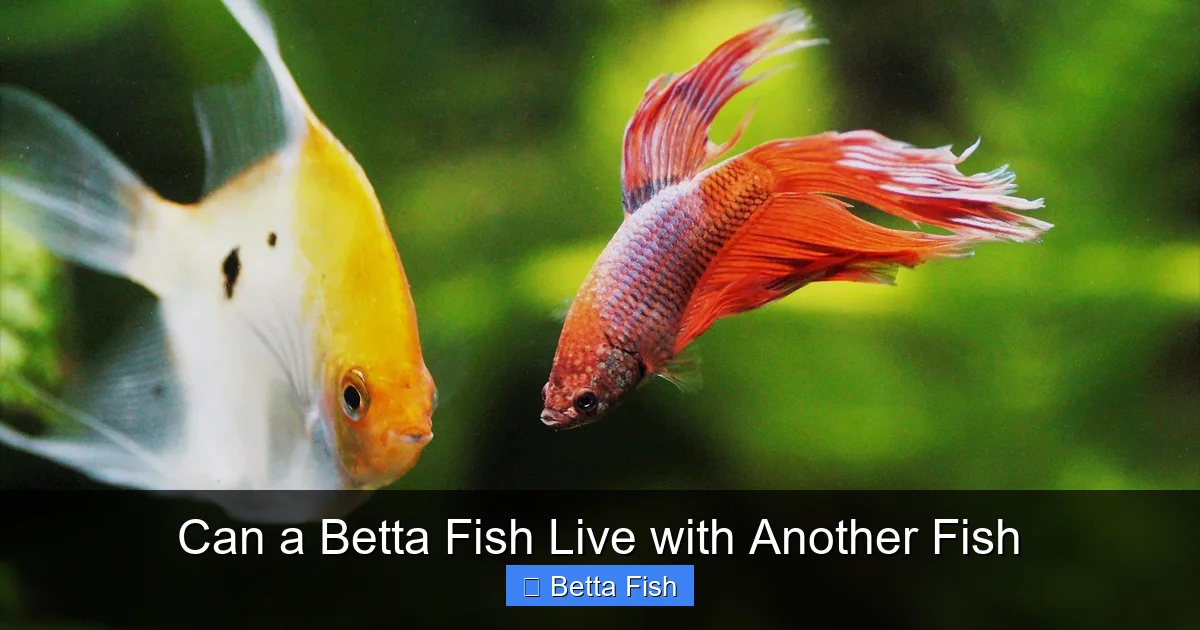
Betta fish are known for their striking colors and feisty personalities, which often leads hobbyists to wonder if they can share a tank. While some peaceful species can coexist with a betta under the right conditions, careful selection of tank mates, proper tank setup, and vigilant monitoring are essential for success.
Key Takeaways
- Temperament matters: Male bettas are territorial and may attack fin‑nipping fish, while females are generally more tolerant.
- Tank size is crucial: A minimum of 10‑20 gallons provides enough space to establish territories and reduces aggression.
- Choose peaceful, non‑fin‑nipping species: Small tetras, rasboras, and certain catfish are good candidates.
- Provide plenty of hiding places: Live plants, caves, and driftwood help break line of sight and calm stressed fish.
- Monitor behavior daily: Early signs of stress or aggression should prompt immediate action.
- Water parameters must suit all inhabitants: Keep temperature, pH, and hardness within a range acceptable to both betta and tank mates.
- Never force compatibility: If a betta shows persistent aggression, be ready to rehome the other fish.
📑 Table of Contents
Introduction: The Betta’s Reputation and the Question on Everyone’s Mind
If you’ve ever watched a male betta flare its gills and ripple its fins, you probably imagined a fish that must live alone. That image is partly true—bettas are naturally aggressive toward other males of their own species. But the idea that they can’t share a tank with *any* other fish is a myth that keeps many potential community aquarists from trying.
In this article we’ll answer the core question: can a betta fish live with another fish? We’ll explore the science behind betta behavior, list safe tank mates, explain how to set up a harmonious community, and give you step‑by‑step tips to keep the peace. By the end, you’ll know exactly when it’s a good idea to add a companion and when it’s better to keep your betta solo.
Understanding Betta Behavior
Territorial instincts
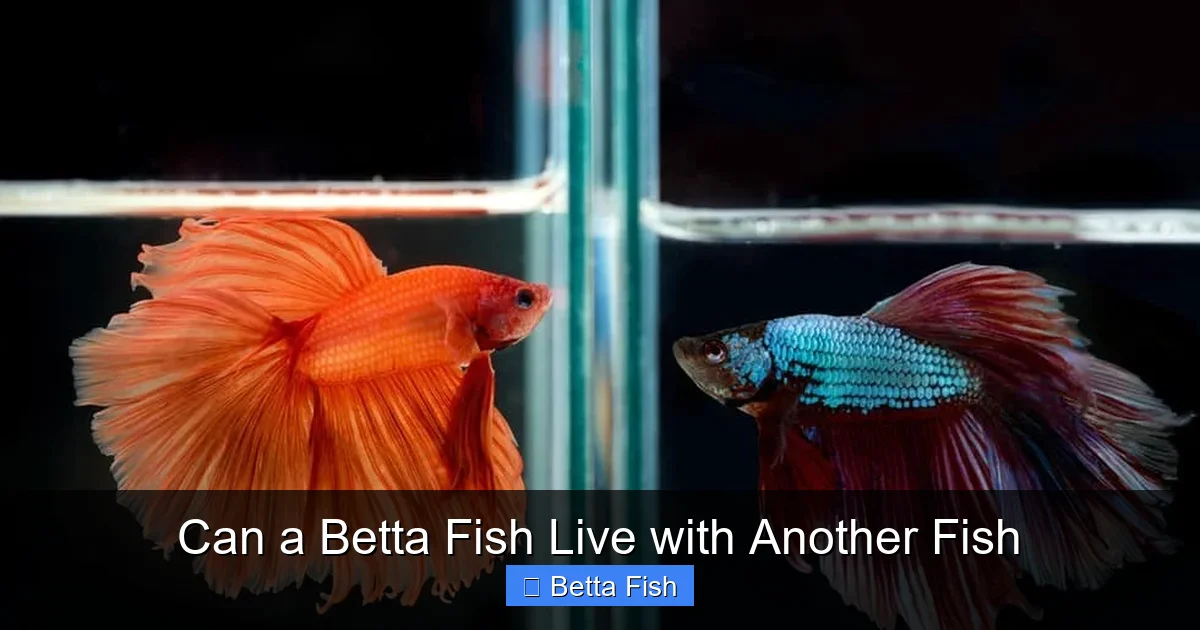
Betta fish (Betta splendens) are native to the shallow rice paddies and slow‑moving streams of Thailand. In the wild, males defend small territories that contain food and breeding sites. This territorial nature shows up in home aquariums as flaring, chasing, and fin‑nipping.

Visual guide about Can a Betta Fish Live with Another Fish
Image source: aniimad.com
Gender differences
Male bettas are the classic “fighters” you see in videos. Females are also colorful but tend to be less aggressive. A female betta can often tolerate a peaceful community better than a male, though individual temperament still varies.
Fin nipping and stress signals
When a betta feels threatened, it may target the long, flowing fins of other fish. Signs of stress include faded colors, clamped fins, and erratic swimming. Recognizing these early warnings can prevent injury and loss.
When Is It Possible? Key Factors for Compatibility
Tank size and layout
Small bowls are a common mistake. A 5‑gallon tank is simply too cramped for a betta and another fish. Aim for at least 10 gallons for a single betta with one or two companions, and 20 gallons if you plan a small community. More water means more space to establish separate territories and dilute aggression.
Visual guide about Can a Betta Fish Live with Another Fish
Image source: fishtankmaster.com
Water parameters
Betta fish thrive in water that is 76‑82°F (24‑28°C), slightly acidic to neutral (pH 6.5‑7.5), and soft to moderately hard. Any fish you add must share this range. Consistent temperature is especially important because sudden drops can make a betta irritable.
Temperament of potential tank mates
Look for species that are:
- Peaceful and non‑aggressive
- Fast enough to avoid a betta’s attacks
- Not long‑finned or brightly colored in a way that might trigger a betta’s “mirror” response
Examples include neon tetras, ember tetras, harlequin rasboras, and dwarf cory catfish. These fish are small, swim in groups, and usually keep to the lower or mid‑level of the tank, leaving the betta’s surface territory mostly to itself.
Best Tank Mates for a Betta
Small, schooling fish
Schooling fish feel safer in numbers and tend to ignore the betta’s occasional flare. A group of 6‑8 neon tetras or a school of 8‑10 rasboras is a classic combination. Their bright colors add visual interest without directly competing with the betta’s display area.

Visual guide about Can a Betta Fish Live with Another Fish
Image source: theaquaadvisor.com
Bottom‑dwelling catfish
Species like the dwarf cory (Corydoras pygmaeus) or otocinclus catfish stay near the substrate and are too busy cleaning to bother a betta. They also help keep the tank clean, creating a win‑win situation.
Peaceful shrimp and snails
Cherry shrimp, ghost shrimp, and nerite snails are often safe because they move quickly and hide in plants. However, a very aggressive betta might still try to eat them, so watch closely during introductions.
What NOT to add
Avoid other bettas, long‑finned guppies, fancy goldfish, or any fish that displays bright, flowing fins. These can trigger territorial aggression. For a deeper dive on goldfish compatibility, see our guide on Can A Goldfish Live With A Betta Fish.
Step‑by‑Step Guide to Introducing a New Fish
1. Quarantine the newcomer
Place the new fish in a separate hospital tank for at least two weeks. This prevents diseases from spreading to your betta.
2. Prepare the main tank
- Check temperature, pH, and hardness.
- Add plenty of live plants, driftwood, and caves.
- Ensure a gentle water flow; bettas dislike strong currents.
3. Rearrange decorations
Before the new fish arrives, move rocks and plants around. This breaks the betta’s established territory and reduces the chance it will see the newcomer as an intruder.
4. Use a divider for the first few days
Place a clear acrylic or mesh divider in the tank. Both fish can see each other without physical contact, allowing them to get used to each other’s presence.
5. Gradual visual introduction
After 24‑48 hours, lift the divider slightly to create a small gap. Observe behavior. If the betta flares but does not chase, you’re on the right track.
6. Full release
When both fish appear calm, remove the divider completely. Keep a close eye for the first 24 hours. Any signs of persistent aggression mean it’s time to rehome the new fish.
Maintaining Harmony Over Time
Regular monitoring
Check the tank daily for torn fins, faded colors, or hiding behavior. Early detection of stress can save a fish’s life.
Feeding strategies
Feed the betta at the surface with a high‑quality pellet or frozen food, and drop food for the bottom dwellers in a different area. This reduces competition and keeps the betta from feeling food‑deprived, which can increase aggression.
Water changes and filtration
Perform 25‑30% water changes weekly to keep ammonia and nitrite at zero. A gentle sponge filter provides needed bio‑filtration without creating a strong current that would stress the betta.
When things go wrong
If aggression escalates, move the offending fish to a separate tank immediately. Sometimes a simple rearrangement of décor or adding more hiding spots can resolve minor disputes.
Frequently Asked Questions (FAQs)
Can a male betta live with a female betta?
Only in a very large, heavily planted tank with plenty of visual barriers. Even then, aggression is common and many hobbyists keep them separate.
Is it safe to keep a betta with guppies?
Generally no. Guppies have long, flowing fins that a betta may see as a threat and attack. For more on guppy compatibility, read Can A Betta Fish Live With Guppies.
Can I keep a betta with a shrimp?
Yes, many bettas tolerate shrimp, especially larger species like Amano shrimp. Smaller shrimp may be at risk if the betta is particularly aggressive.
Do bettas need a heater?
Yes. Betta fish are tropical and require a stable temperature between 76‑82°F. A reliable aquarium heater is essential.
What size tank is the minimum for a community with a betta?
A minimum of 10 gallons is recommended for a single betta plus one or two peaceful companions. Larger tanks provide more stability and less stress.
Can a betta live with a snail?
Snails such as nerite or mystery snails are usually safe and can help clean algae. They move slowly, so a very aggressive betta might still try to nip them.
Frequently Asked Questions
Can a betta fish live with another fish?
Yes, a betta can live with another fish if the tank is large enough, the water conditions suit both species, and the chosen tank mate is peaceful and non‑fin‑nipping.
What are the safest fish to keep with a betta?
Small schooling tetras, rasboras, dwarf cory catfish, and peaceful shrimp or snails are among the safest choices because they stay out of the betta’s surface territory and are not likely to provoke aggression.
How many fish can I add to a betta’s tank?
In a 10‑gallon tank, one betta plus a small school of 6‑8 tetras or rasboras works well. Larger tanks (20+ gallons) can support additional bottom‑dwelling catfish or a few more shrimp.
Do female bettas get along better with other fish?
Female bettas are generally less territorial than males, making them more tolerant of peaceful tank mates. However, individual temperament still varies, so monitor behavior closely.
What should I do if my betta attacks a new fish?
Immediately separate the aggressor and the victim. Re‑evaluate the tank size, décor, and compatibility. Often a larger tank with more hiding places can resolve the issue, but sometimes the fish must be rehomed.
Is it okay to keep a betta with a goldfish?
No. Goldfish produce a lot of waste, require cooler water, and are much larger. They also outgrow the space a betta needs. For more details, see Can A Betta Fish Live With Goldfish.